
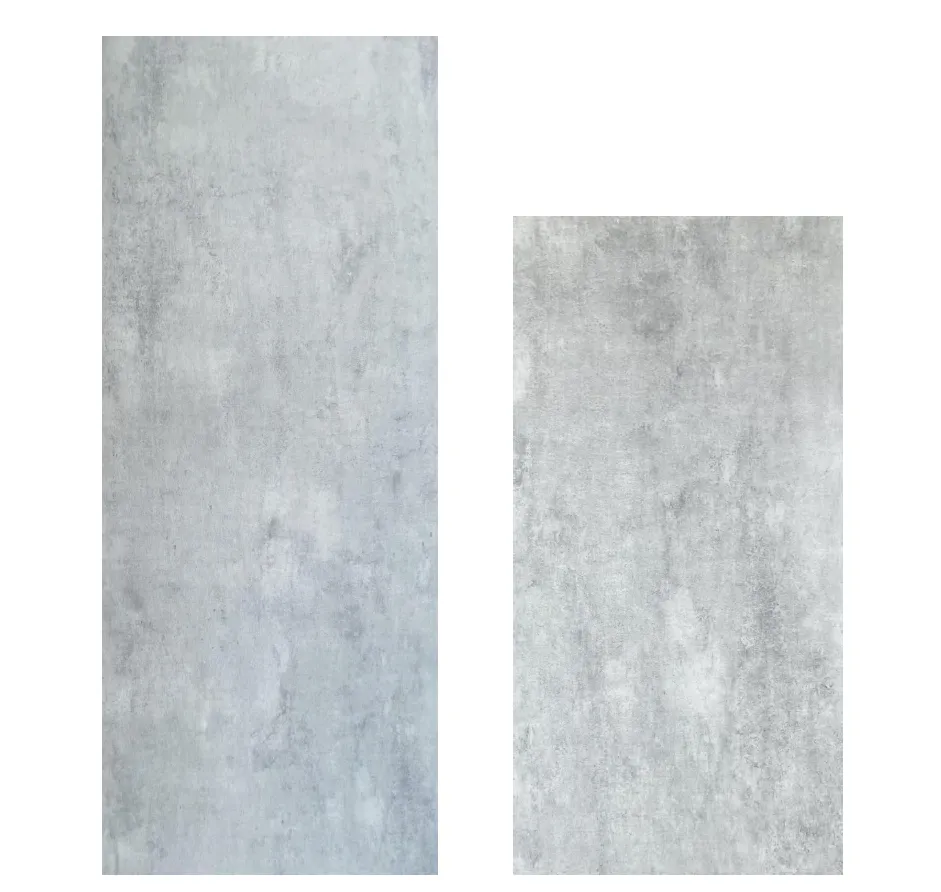
Picture this: you've just wrapped up a major renovation, splurging on a striking exterior cladding that turned heads in the neighborhood. The material—rich in texture, with hues that complement the surrounding landscape—was supposed to be the crown jewel of your property. But six months later, you notice something off. The deep grays have turned ashen, the warm beiges now look washed out, and that subtle metallic sheen? Faded to a dull whisper. Sunlight, that life-giving force we all love, has quietly waged war on your investment.
For architects, homeowners, and developers, this scenario is all too familiar. Sun-exposed areas—facades, patios, pool decks, and outdoor walkways—bear the brunt of ultraviolet (UV) radiation, which breaks down pigments, weakens chemical bonds, and erodes surface treatments over time. The result? A costly cycle of repairs, repaints, or full replacements that no one signed up for. But what if there was a material built to stand up to the sun's relentless glare, without sacrificing style or sustainability? Enter marble concrete board —a game-changer in the world of exterior cladding that's redefining what it means to be "UV-resistant."
So, what makes marble concrete board different? Let's start with the basics. Unlike traditional concrete or even some natural stones, this material isn't just a mix of aggregates and binders. It's a modified composite material —a blend of crushed marble, high-performance resins, and proprietary UV-stabilizing additives that work in harmony to repel the sun's harmful rays. Think of it as armor for your building's exterior, but with the elegance of natural stone.
The secret lies in its composition. Marble, known for its dense, crystalline structure, already offers inherent resistance to UV damage. But when combined with concrete's durability and reinforced with UV blockers (think of them as tiny sunscreens for the material), the result is a board that doesn't just "resist" fading—it prevents it. Tests show that after five years of continuous exposure to intense sunlight (the kind you'd find in desert climates or coastal regions), marble concrete board retains over 95% of its original color. Compare that to standard fair-faced concrete , which can fade by 20-30% in the same timeframe, and you start to see why this material is gaining traction.
But UV stability isn't just about color retention. It's about maintaining structural integrity, too. UV radiation doesn't just fade pigments; it can make materials brittle, leading to cracks, chips, and water infiltration. Marble concrete board's dense matrix and resin reinforcement act as a barrier, preventing UV-induced degradation at the molecular level. That means fewer cracks, less warping, and a longer lifespan—even in the sunniest spots on Earth.
To truly appreciate marble concrete board's UV stability, let's put it side by side with two popular alternatives: fair-faced concrete and travertine (starry blue) —a stunning natural stone often chosen for its unique veining and color. The table below breaks down their performance under prolonged UV exposure, based on industry testing and real-world case studies.
| Material | UV Resistance Rating (1-10) | Fading Rate (5-Year Exposure) | Maintenance Needs | Best For |
|---|---|---|---|---|
| Marble Concrete Board | 9.2 | <5% | Low (annual cleaning) | Sun-exposed facades, pool decks, high-traffic patios |
| Fair-Faced Concrete | 6.5 | 20-30% | Medium (sealing every 2-3 years) | Industrial buildings, low-visibility areas |
| Travertine (Starry Blue) | 7.8 | 15-20% | High (sealing yearly, pH-neutral cleaners only) | Shaded gardens, indoor-outdoor transitions |
The numbers speak for themselves. While travertine (starry blue) offers decent UV resistance, its porous nature means it requires frequent sealing to prevent fading—a hassle for busy property owners. Fair-faced concrete, though durable, lacks the additives needed to combat long-term color loss, making it a risky choice for sun-drenched exteriors. Marble concrete board, on the other hand, delivers near-industry-leading UV resistance with minimal upkeep—proving that you don't have to choose between beauty and longevity.
UV stability is just the tip of the iceberg. What really makes marble concrete board a favorite among professionals is its versatility, especially when paired with architectural big slab solutions . These large-format panels—often measuring up to 1200x2400mm—minimize seams, creating a sleek, modern look that's perfect for contemporary designs. Imagine a commercial high-rise with a facade made of these slabs: uniform in color, free of unsightly gaps, and unyielding to the sun's glare. It's no wonder developers in sunbelt regions like Dubai, Arizona, and Australia are making the switch.
Then there's sustainability. As the construction industry shifts toward green building materials , marble concrete board checks all the boxes. Its production process uses recycled marble aggregates, reducing waste from quarrying. The low-maintenance design means fewer chemicals (like sealants or paints) are needed over time, and its long lifespan cuts down on replacement cycles—all of which lower a project's carbon footprint. For LEED-certified buildings or eco-conscious homeowners, this is more than a bonus; it's a requirement.
Let's dive into a real example. In 2019, a luxury resort in Bali decided to revamp its outdoor dining area, which had previously used traditional fair-faced concrete for its patio slabs. Within three years, the concrete had faded so dramatically that guests were commenting on the "tired" look of the space. The resort's management team needed a solution that could withstand Bali's intense equatorial sun (UV index often exceeding 11) and complement the island's tropical aesthetic.
They chose marble concrete board in a warm beige tone, paired with travertine (starry blue) accents for contrast. Five years later, the patio looks as vibrant as the day it was installed. "We were skeptical at first—nothing we'd used before lasted this long," says the resort's head architect. "But the marble concrete board hasn't faded a bit. Even during the dry season, when the sun is at its strongest, the color holds. And the best part? We've only had to hose it down a few times a year. No sealing, no repainting—just pure durability."
Another success story comes from a residential development in Phoenix, Arizona, where developers opted for marble concrete board as part of their architectural big slab solutions for home facades. In a region where summer temperatures regularly hit 110°F and UV radiation is relentless, the material has maintained its deep charcoal color for over seven years. Homeowners report receiving compliments on their "new-looking" exteriors, even as neighboring properties with traditional cladding show signs of aging.
While marble concrete board is designed to be low-maintenance, a little care goes a long way in preserving its UV-resistant properties. Here's what experts recommend:
1. Regular Cleaning: Dirt, pollen, and debris can accumulate on the surface, trapping moisture and potentially causing stains. A quick rinse with a garden hose every 2-3 months (or more often in dusty areas) is usually enough. For tougher grime, use a mild, pH-neutral detergent and a soft-bristle brush—avoid harsh chemicals like bleach, which can break down the UV-stabilizing additives.
2. Inspect for Damage: While the material is crack-resistant, extreme impacts (like a falling branch) can chip the surface. Check for chips or scratches annually, and repair them promptly with a color-matched filler. Even small cracks can let water seep in, which, over time, can weaken the UV barrier.
3. Avoid Heavy Chemicals: Pressure washers are great for some materials, but marble concrete board doesn't need them. High-pressure streams can erode the surface treatment, making it more vulnerable to UV damage. Stick to gentle cleaning methods instead.
4. Consider Shading (When Possible): While the material thrives in direct sunlight, adding a few strategic shade structures (like pergolas or umbrellas) can extend its lifespan even further. Plus, it'll make those sun-exposed areas more enjoyable for you, too!
As climate change brings more intense sunlight and extreme weather events, the demand for durable, UV-stable building materials will only grow. Marble concrete board isn't just keeping up with this demand—it's setting a new standard. Its blend of beauty, durability, and sustainability makes it a top choice for anyone tired of watching their exterior investments fade away.
Whether you're designing a skyscraper, a backyard patio, or a boutique hotel, this material offers something rare: peace of mind. You won't have to second-guess if your cladding will still look good in five years, or if you'll be stuck with a repair bill. Instead, you'll have a surface that stands tall against the sun, year after year, while adding value and curb appeal to your property.
So, the next time you're planning a project in a sun-exposed area, ask yourself: Is my current material built to last, or am I just delaying the inevitable fade? With marble concrete board, the answer is clear. It's not just a cladding option—it's a long-term investment in beauty that the sun can't touch.
Recommend Products












