
Your building's exterior is more than just a protective layer—it's its first impression. It's the storyteller of your style, the shield against the elements, and the bridge between architecture and art. When it comes to choosing exterior cladding, two materials often rise to the top: the timeless strength of granite and the modern versatility of marble concrete board. But which one deserves a spot on your next project? Let's dive in, explore their quirks, strengths, and secrets, and help you make a choice that feels like *yours*.
Before we pit them against each other, let's get to know each contender. Granite is the rockstar of natural stones—formed over millions of years under intense heat and pressure, it's known for its crystalline structure, bold veins, and reputation as one of the hardest natural materials on Earth. Think of the grand facades of historic banks or the polished countertops in luxury kitchens; granite has been a symbol of durability and elegance for centuries.
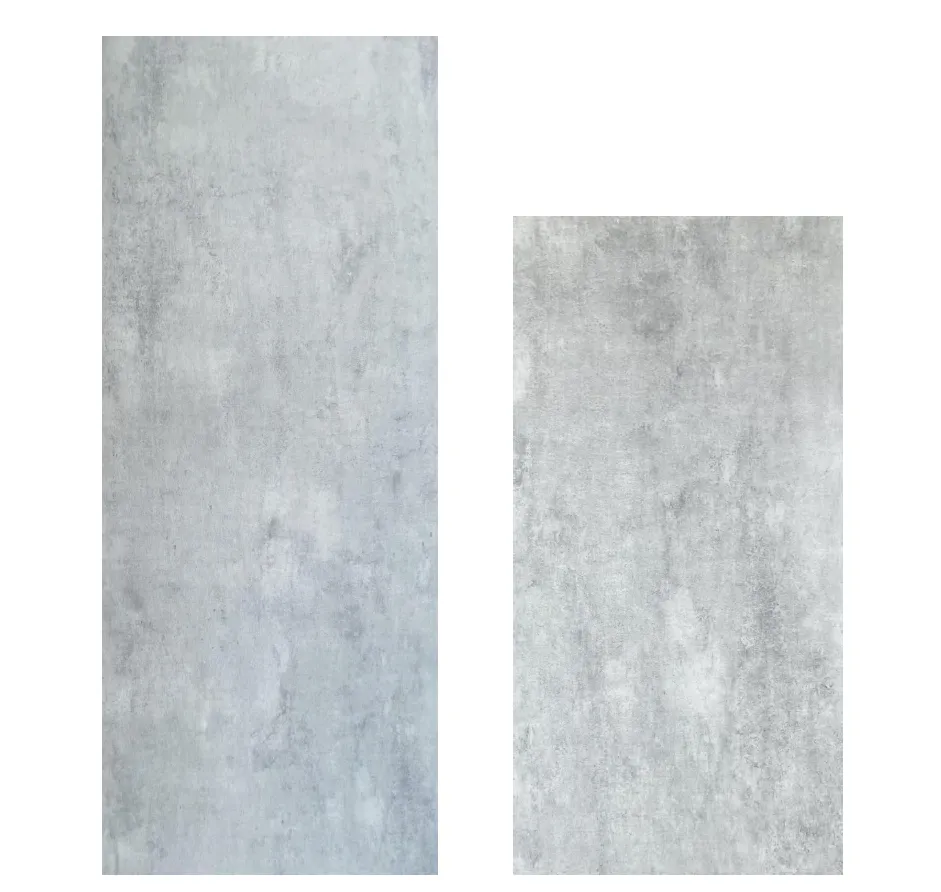
Marble concrete board, on the other hand, is a modern marvel. It blends the classic beauty of marble with the strength of concrete, often reinforced with fibers or polymers to create a lightweight, high-performance panel. Unlike solid marble (which is porous and prone to staining), marble concrete board is engineered for resilience, offering the look of natural stone without the hassle. And when paired with innovations like the MCM Big Slab Board Series , it opens doors to seamless, large-format designs that were once impossible with traditional materials.
Not sure where to start? Here's a snapshot of how these two stack up on the basics. (Spoiler: It's less about "better" and more about "better for *you*.")
| Factor | Marble Concrete Board | Granite |
|---|---|---|
| Durability | Engineered to resist cracks, moisture, and UV rays; ideal for harsh climates | Naturally hard (6-7 on Mohs scale); resistant to scratches but prone to chipping if not sealed |
| Aesthetics | Offers marble-like veining, plus modern finishes (matte, polished, textured); compatible with MCM Flexible Stone for curved surfaces | Bold, unique patterns (no two slabs are identical); classic colors (black, white, gray, pink) |
| Weight & Installation | Lightweight (5-10 lbs/sq ft); easy to cut and install with standard tools | Heavy (15-20 lbs/sq ft); requires reinforced structures and professional installation |
| Sustainability | Often contains recycled materials; lower carbon footprint than natural stone extraction | Natural material but requires energy-intensive mining and transportation |
| Cost | Mid-range ($15-30/sq ft installed) | Premium ($30-60/sq ft installed) |
Let's talk about the tough stuff: rain, snow, hail, and the relentless sun. If you live in a coastal area with salt spray, or a desert with scorching temperatures, your cladding needs to be a warrior.
Granite, being a natural stone, is a veteran here. Its tight crystalline structure makes it resistant to water and scratches—think of ancient Egyptian pyramids still standing strong. But here's the catch: it's porous. Without regular sealing (every 1-3 years), water can seep in, leading to stains or freeze-thaw damage in cold climates. And while it's hard, its brittleness means a stray hailstorm could leave unsightly chips.
Marble concrete board, though newer, is built for battle. Manufacturers infuse it with polymers and sealants during production, making it non-porous by default. No need for yearly sealing—just install and forget. Take, for example, a project in Minnesota using marble concrete board: after five winters of -20°F temps and ice storms, the cladding still looks brand-new, with zero cracks or discoloration. And because it's engineered, it's less likely to chip; even if it does, repairs are simple (just patch with concrete filler and repaint to match).
Winner for low-maintenance durability? Marble concrete board. But if you're after a material that ages like fine wine (chips and all), granite's natural patina might be part of its charm.
Cladding isn't just about protection—it's about making your building *feel* like you. Do you crave the warmth of a mountain lodge, or the sleekness of a downtown loft? Your material choice will whisper (or shout) that vibe.
Granite is the king of "one-of-a-kind." Each slab has its own fingerprint of veins, speckles, and color variations. A black granite facade can feel bold and authoritative (perfect for a corporate headquarters), while pink granite adds a soft, inviting touch (think boutique hotels in coastal towns). But its patterns are fixed—you can't customize the veining or color beyond what nature provides.
Marble concrete board, though, is a chameleon. Want the look of Carrara marble for your home's exterior? Done. Dream of a matte, industrial finish that pairs with fair-faced concrete accents? It can do that too. The MCM Flexible Stone line takes it a step further: bendable panels that hug curved walls, arches, or even columns, turning architectural "flaws" into focal points. And with the MCM Big Slab Board Series , you can cover entire walls with 4x10 ft panels, eliminating grout lines for a seamless, modern look that granite (with its smaller, heavier slabs) can't match.
Pro tip: If you love granite's uniqueness but want more control, some marble concrete boards mimic granite patterns—so you get the best of both worlds.
Let's get practical. Where do these materials shine brightest? Let's paint a few scenarios:
Saltwater, humidity, and hurricane-force winds are daily threats. Granite, while tough, needs frequent sealing to prevent salt damage—and its weight could be a liability in high winds. Marble concrete board, lightweight and moisture-resistant, is a no-brainer. Pair it with the MCM Big Slab Board Series for a clean, coastal look that won't warp or fade under the sun.
You want to honor the building's 19th-century charm but need modern durability. Granite's classic look fits the bill—its natural weathering will only add character over time. Just budget for a skilled stonemason to match the original mortar and install the slabs without damaging the existing structure.
You need something bold, budget-friendly, and Instagram-worthy. Marble concrete board in a polished, white finish (with subtle gray veining) pairs perfectly with glass walls and metal accents. Add MCM Flexible Stone to the curved entrance canopy, and you've got a facade that screams "innovation."
In 2025, "green building" isn't a trend—it's a responsibility. So how do these materials measure up when it comes to the planet?
Granite is natural, which sounds eco-friendly, but its journey from quarry to construction site is carbon-heavy. Mining requires heavy machinery, and transporting 20-lb slabs across the country (or globe) burns fossil fuels. Plus, cutting granite generates a lot of waste (up to 30% of a slab is lost in shaping).
Marble concrete board, by contrast, is often made with recycled aggregates (like crushed concrete or glass) and requires less energy to produce. Its lightweight design also cuts down on transportation emissions—trucks can carry twice as many panels as granite slabs. And because it's engineered to last 50+ years with minimal maintenance, it reduces the need for frequent replacements, lowering its lifecycle impact.
Fun Fact: Some MCM marble concrete boards are even Cradle to Cradle certified, meaning they're designed to be recycled at the end of their life. Talk about closing the loop!
Let's talk numbers. Granite isn't cheap—expect to pay $30-60 per square foot installed, thanks to its weight, shipping, and labor costs. And that's before factoring in sealing ($200-500 every 2-3 years) and potential repairs (a chipped slab could cost $500+ to replace).
Marble concrete board is friendlier to budgets, starting at $15-30 per square foot installed. Its lightweight nature means you'll save on structural reinforcements (no need to beef up your walls to support heavy stone), and since it's pre-sealed, there's no ongoing maintenance cost. Over 20 years, the total cost of ownership for marble concrete board can be 30-40% less than granite.
But here's the catch: Granite has timeless appeal, and in some markets, it can boost property value. If you're building a luxury home or a landmark project, that upfront cost might be worth the investment. For most homeowners and businesses, though, marble concrete board offers better bang for the buck.
At the end of the day, the "winner" depends on your priorities. Ask yourself:
Remember: Cladding is a long-term decision. It should grow with your needs, weather the storms (literal and figurative), and make you proud every time you pull up to your building. Whether you lean into the timeless strength of granite or the modern ingenuity of marble concrete board, the right choice is the one that feels like *home* (or *work*, or *your masterpiece*).
Granite is a story of tradition—a material that has stood the test of time, carrying the weight of history in its veins. Marble concrete board is a story of progress—a blend of nature and innovation, built for the challenges of today and the possibilities of tomorrow. Both have their place, but in a world where design meets function, and sustainability meets style, marble concrete board is quickly becoming the hero of modern exteriors.
So go ahead—dream big. Whether you're wrapping a skyscraper in seamless slabs or adding character to a suburban home, your cladding should be more than a material. It should be a statement. And with options like marble concrete board and the MCM product line , that statement can be bold, beautiful, and uniquely *yours*.
Recommend Products












