
Let's start with a scenario we've all faced (or will face): You're knee-deep in a home renovation, staring at samples of countertops, flooring, or wall cladding, and your head is spinning. There are so many options—granite, marble, quartz, concrete… the list goes on. But lately, two materials have been stealing the spotlight: marble concrete board and quartz surfaces. Both promise durability, style, and that "wow" factor we all want in our spaces. But which one is really right for you? Let's dive in.
Whether you're a homeowner revamping your kitchen, a designer curating a boutique hotel lobby, or a contractor hunting for the best material for a commercial project, the choice between these two can feel make-or-break. It's not just about looks—though that matters. It's about budget, daily life (hello, messy kids or clumsy guests), and how well the material will stand the test of time. So let's break it down: what they are, how they perform, how much they cost, and which one deserves a spot in your next project.
Before we pit them against each other, let's get clear on what each material is. No jargon, I promise—just plain talk.
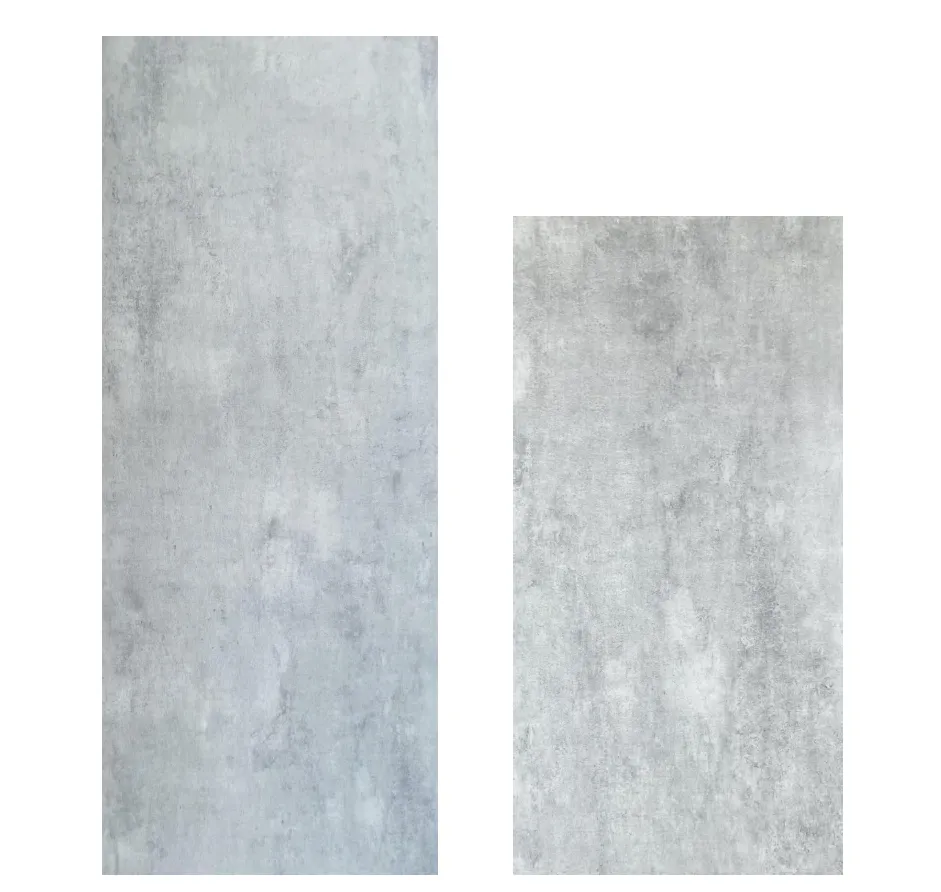
Imagine concrete, but with a fancy upgrade. Marble concrete board is a blend of concrete and marble aggregates, mixed and molded into boards that can be used for countertops, flooring, wall panels, you name it. Think of it as concrete's sophisticated cousin—it has that industrial edge we love, but with the elegance of marble swirled in. Some versions even mimic the look of polish concrete , giving you that sleek, modern finish without the hassle of pouring concrete on-site.
What makes it stand out? It's versatile. You can find it in large slabs (perfect for architectural big slab solutions where seamless, expansive surfaces are key), and it comes in a range of textures—from rough, tactile finishes that feel like natural stone to smooth, polished ones that shine like a high-end countertop. Plus, because it's a composite material, it's often lighter than solid concrete or natural stone, which can be a game-changer for installation.
Quartz surfaces (you might hear them called engineered quartz) are like the overachievers of the material world. They're made from crushed quartz crystals mixed with resin binders, which are then pressed and cured into slabs. Unlike natural quartz, which is a single stone, engineered quartz is designed to be tough, consistent, and low-maintenance. You've probably seen it in kitchens everywhere—those countertops that look like marble or granite but never seem to stain or scratch. That's quartz.
Quartz's claim to fame? Uniformity. Since it's man-made, you can get slabs that look almost identical, which is great if you want a cohesive look across a large space. It also comes in a rainbow of colors and patterns, from classic whites and grays to bold blues and even. And because it's non-porous, it's a hit in high-moisture areas like bathrooms and kitchens.
Okay, so we know what they are. Now, let's get into the nitty-gritty: how do they actually perform in real life? We're talking durability, aesthetics, and that all-important maintenance factor. Let's break it down.
Let's start with the big one: durability. After all, what good is a pretty surface if it chips the first time you drop a pot on it?
Marble Concrete Board: Concrete is tough, but when you add marble aggregates, does it hold up? The short answer: yes, but with caveats. Marble concrete board is resistant to scratches and dents—more so than natural marble, which is notoriously soft. But it's not impervious. If you whack it with a heavy cast-iron skillet, there's a chance it could chip, especially around the edges. Heat resistance is solid, too—you can set a hot pan on it without worrying about scorching, though it's still a good idea to use a trivet (better safe than sorry, right?).
One thing to note: porosity. Unlike quartz, marble concrete board is porous, which means it can stain if liquids (like red wine or coffee) are left sitting. But here's the fix: seal it. A good sealer applied every 1-2 years will keep stains at bay. Think of it like sunscreen for your countertops—annoying to reapply, but worth it for the protection.
Quartz Surfaces: Quartz is the reigning champion of durability—at least when it comes to everyday wear and tear. It's scratch-resistant (your kids' toy cars or pet claws are unlikely to leave marks), and it's non-porous, so stains? Hardly a problem. Spill grape juice, olive oil, or even nail polish remover, and a quick wipe with a cloth is usually all it takes. Heat resistance is decent, but here's the catch: extreme heat (like a hot pan straight from the oven) can discolor or even crack quartz. So trivets are a must here, too.
But quartz isn't indestructible. While it's scratch-resistant, it's not scratch-proof—abrasive cleaners or sharp knives can leave marks over time. And if it does crack, repairing it is trickier than marble concrete board; you might need a professional to color-match the resin, which can be pricey.
Let's be real—looks matter. Whether you're going for a rustic cabin vibe or a sleek, minimalist apartment, the material you choose sets the tone.
Marble Concrete Board: If you love the look of natural stone with a modern twist, this is your material. The marble aggregates add depth and movement—no two slabs are exactly alike. You'll see swirls of cream, gray, and even hints of gold or blue, depending on the marble used. And because it can be cast into different textures, you can get everything from a rough, stone-like finish that feels like it was pulled from a mountain to a smooth, polish concrete -esque surface that glows under light.
For designers, architectural big slab solutions with marble concrete board are a dream. Imagine a hotel lobby with a 10-foot-long wall panel made from a single slab—no seams, just a continuous flow of texture and color. It's dramatic, it's unique, and it makes a statement that quartz (with its uniform look) just can't match.
Quartz Surfaces: Quartz is all about consistency and versatility. Want a countertop that looks like Carrara marble but without the etching? Quartz has you covered. Prefer a bold, solid color for a modern kitchen? There's a quartz for that, too. The patterns are more controlled, which can be a plus if you're going for a clean, streamlined look. No surprises here—what you see in the sample is what you'll get in the slab.
But some people find quartz a little… "perfect." It lacks the organic, one-of-a-kind flaws that make natural materials feel warm and lived-in. If you want a surface that tells a story (like a marble concrete board with visible aggregates that look like they've been around for centuries), quartz might feel a bit too "new."
Let's get practical: no one wants to spend weekends scrubbing countertops or re-sealing surfaces. So how do these two stack up in the maintenance department?
Marble Concrete Board: As we mentioned earlier, it's porous, so sealing is a must. The first seal happens at installation, but you'll need to reapply every 1-2 years (more if it's in a high-traffic area like a kitchen). The good news? Sealing is easy—just wipe on a stone sealer with a cloth and let it dry. Beyond that, cleaning is simple: warm water, mild soap, and a soft cloth. Avoid abrasive cleaners (they can wear down the sealer) and acidic substances (like vinegar or lemon juice) unless you've sealed recently.
If it does get a scratch or chip, you can often repair it yourself with a concrete repair kit. It might not be invisible, but it'll blend in better than a repair on quartz.
Quartz Surfaces: Maintenance? What maintenance. Quartz is non-porous, so no sealing required—ever. Cleaning is a breeze: just wipe with soap and water, or a glass cleaner for extra shine. No need to worry about stains, and scratches are rare (though not impossible). The downside? If it does get damaged, DIY repairs are tough. You'll likely need to call in a pro to fill the crack with resin, which can cost $100-$300 depending on the size. And if the damage is severe, you might have to replace the entire slab—ouch.
Let's talk money. We all have budgets, and choosing a material that fits yours is key. But remember: cost isn't just about the upfront price tag—it's about long-term value, too.
Marble Concrete Board: Prices vary, but you're looking at roughly $60-$120 per square foot, including installation. Why the range? It depends on the thickness of the board, the finish (polished vs. rough), and whether you're using architectural big slab solutions (larger slabs cost more to transport and install). For example, a polished marble concrete countertop for a small kitchen might run $2,000-$3,000, while a large wall panel in a commercial space could hit $10,000 or more.
Installation costs are also a factor. Because it's lighter than solid stone, it might be cheaper to install than, say, granite, but you still need a pro to cut and seal it properly. Expect to pay $15-$30 per square foot for installation alone.
Quartz Surfaces: Quartz is generally pricier upfront. Material costs range from $70-$150 per square foot, and installation adds another $20-$40 per square foot. So a small kitchen countertop could be $2,500-$4,000, and larger projects can easily top $15,000. Why the higher cost? It's a man-made material with more complex manufacturing processes, and popular brands like Caesarstone or Silestone command a premium.
But here's the kicker: quartz has a narrower price range. You won't find "budget" quartz that's $40 per square foot, whereas marble concrete board has more affordable options if you opt for simpler finishes.
Marble Concrete Board: Long-term costs are all about sealing. A good sealer costs $20-$50 per bottle, and it'll cover about 100 square feet. So if you have a 30-square-foot countertop, you'll spend $6-$15 every 1-2 years. That's minimal. Repairs are cheap if you DIY, and if you need to replace a small section, it's easier (and cheaper) than replacing a whole quartz slab.
Quartz Surfaces: No sealing costs, which is great. But repairs? As we mentioned, they're expensive. A single chip repair could cost $100-$300, and a full slab replacement? $2,000-$5,000. Plus, if you ever want to change the color or style, you'll have to replace the entire surface—marble concrete board, on the other hand, can sometimes be refinished (sanded down and resealed) to give it a fresh look.
If you're planning to stay in your home for 5+ years, marble concrete board might be the better value. Lower upfront costs, minimal long-term expenses, and that unique, high-end look can boost resale value. Plus, it's a conversation starter—homebuyers love unique materials that stand out.
Quartz, though pricier, is a safe bet. It's a known quantity—homebuyers recognize it as a durable, low-maintenance option, which can also add value. If you're flipping a house or selling soon, quartz might appeal to more buyers because it's "no-fuss."
Let's get specific. Where does each material work best? Let's look at a few scenarios.
Marble Concrete Board: Perfect for homeowners who want a unique, industrial-chic vibe. Use it for kitchen countertops if you don't mind sealing every year, or for living room floors to add texture. It's also great for accent walls—imagine a fireplace surround made from a rough-hewn marble concrete board, with polish concrete floors to match. For bathrooms, just make sure to seal it regularly to prevent water damage.
Example: Sarah, a homeowner in Portland, used marble concrete board for her kitchen countertops. "I love that it's not perfect," she says. "There are little flecks of marble that catch the light, and it feels like a piece of art. I seal it once a year, which takes 30 minutes, and it still looks brand new after 3 years."
Quartz Surfaces: The go-to for busy families. If you have kids, pets, or love to cook (and spill), quartz is your friend. Kitchen countertops, bathroom vanities, even laundry room surfaces—quartz can handle it all. It's also great for rental properties, where low maintenance is key. Example: Mike, a landlord in Chicago, installed quartz countertops in all his rental units. "Tenants never complain about stains, and I've never had to repair or replace one. It's the best investment I've made."
Marble Concrete Board: Architectural big slab solutions are where marble concrete board really shines in commercial spaces. Think hotel lobbies with 20-foot wall panels, or restaurant bars with seamless countertops that look like they're carved from a single stone. It adds warmth and character, which is perfect for brands that want to tell a story. A boutique hotel in Bali, for example, used marble concrete board for its lobby floors and wall cladding, pairing it with natural wood and plants for an earthy, luxurious feel.
Quartz Surfaces: Great for high-traffic areas where consistency is key. Office buildings, chain restaurants, and airports love quartz because it looks clean, modern, and uniform. It's also hygienic (non-porous, so no bacteria buildup), which is a plus for healthcare facilities or food service areas. A popular coffee chain, for instance, uses white quartz countertops in all its locations for that sleek, brand-cohesive look.
Let's summarize with a quick comparison table to help you decide:
| Factor | Marble Concrete Board | Quartz Surfaces |
|---|---|---|
| Durability | Good (scratch-resistant, needs sealing for stains) | Excellent (scratch and stain-resistant, heat-sensitive) |
| Aesthetics | Unique, organic, with natural variation; great for architectural big slab solutions | Uniform, consistent, wide range of colors/patterns |
| Maintenance | Moderate (seal yearly, easy DIY repairs) | Low (no sealing, hard to repair) |
| Cost | $60-$120/sq ft installed (lower upfront, minimal long-term) | $70-$150/sq ft installed (higher upfront, low long-term) |
| Best For | Unique, high-design spaces; homeowners who don't mind maintenance; commercial projects with architectural big slab solutions | Busy families, rental properties, commercial spaces needing consistency; those who want "set it and forget it" |
So, which one is right for you? If you crave uniqueness, don't mind a little maintenance, and want to save upfront, go with marble concrete board . If you want something durable, low-maintenance, and consistent, quartz is the way to go. Either way, you can't go wrong—both materials are top-notch, and the choice ultimately comes down to your style, lifestyle, and budget.
At the end of the day, the best material is the one that makes you smile every time you walk into the room. So grab some samples, imagine your space, and trust your gut. Happy renovating!
Recommend Products












