
Living in a humid climate has its perks—lush greenery, warm breezes, and that perpetual vacation vibe. But for homeowners, designers, and builders, it also brings a unique set of challenges, especially when it comes to choosing materials for walls, floors, and exteriors. Humidity isn't just about sticky air; it's about moisture seeping into every nook and cranny, testing the limits of even the sturdiest materials. Two popular options often on the table? Marble concrete board and traditional wood panels. But how do they really stack up when the air feels thick enough to drink? Let's dive in.
Humid climates—think coastal regions like Florida, tropical areas like Bali, or even muggy inland cities—are defined by high levels of water vapor in the air. Over time, this moisture can wreak havoc on building materials. Wood swells and warps; paint peels; mold and mildew set up shop in porous surfaces. For anyone who's ever walked into a beach house and noticed the wood walls looking a little worse for wear, or a bathroom with wood paneling that smells faintly of mildew, the struggle is real. The question isn't just about what looks good today, but what will still look good (and function well) five, ten, or twenty years from now.
Enter marble concrete board and wood panels. Both have their fans: wood for its warmth and natural charm, marble concrete board for its sleek durability. But in the battle against humidity, one might have a clear edge. Let's break them down.
First things first: marble concrete board isn't your grandma's concrete slab. Think of it as concrete's sophisticated cousin—engineered to be lighter, more versatile, and yes, more stylish. Most modern marble concrete boards, especially those in the MCM project board series , are made from a blend of marble aggregates, Portland cement, and modified composite materials (MCM stands for Modified Composite Material, after all). This mix creates a material that's dense, non-porous, and built to stand up to moisture.
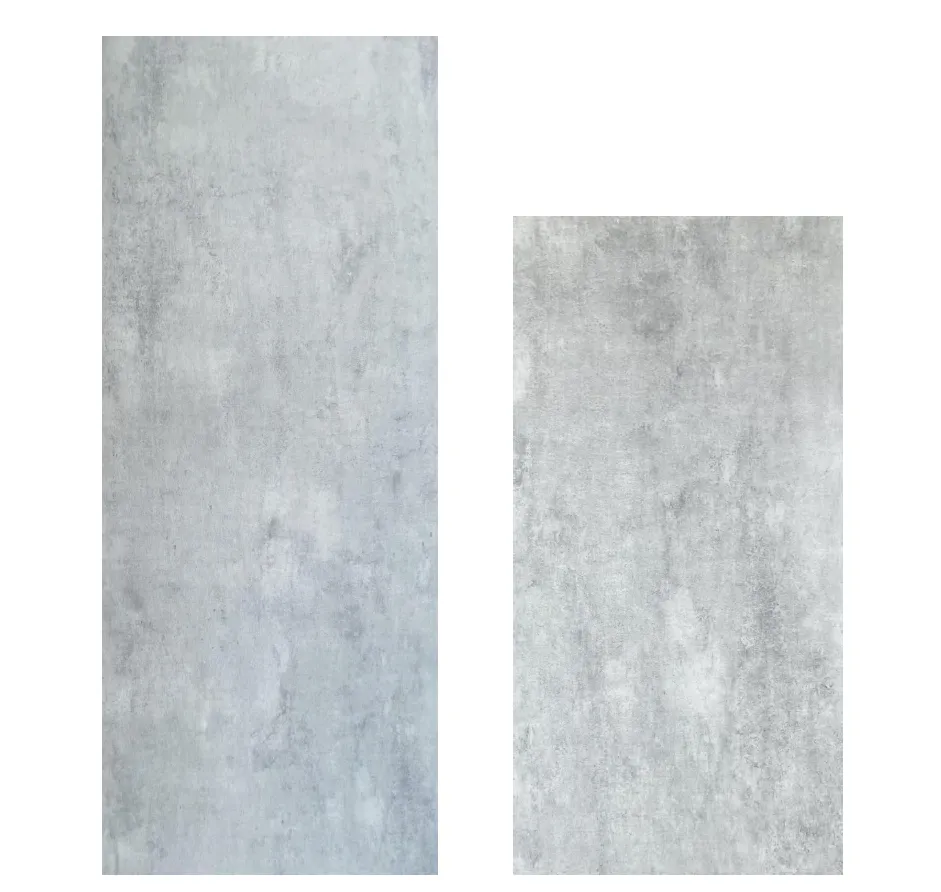
Take, for example, options like Travertine (Starry Blue) or Lunar Peak Black . These aren't just names—they're finishes that mimic the look of natural stone or even metal, but with the added benefit of being designed for tough conditions. The key here is the manufacturing process: the materials are compressed and cured under high pressure, creating a surface that's tight, uniform, and resistant to water absorption. Unlike porous natural stones (looking at you, sandstone), marble concrete board doesn't give moisture a place to hide.
Humidity's worst enemy? Porosity. Materials with tiny pores act like sponges, sucking up moisture from the air and holding onto it. Over time, that moisture leads to swelling, cracking, or even mold. Marble concrete board, though, has extremely low porosity. Tests show that most high-quality boards absorb less than 0.5% of their weight in water—compare that to some natural woods, which can absorb up to 20% or more. That means even in a room where the humidity hits 80% (hello, summer in New Orleans), the board stays dry, stable, and mold-free.
Another plus? Many marble concrete boards come pre-sealed, with a protective layer that repels water. Even if you scratch the surface (kids, pets, we see you), a quick reseal with a water-based sealer brings it back to full strength. No special chemicals, no complicated routines—just a simple spray or wipe-on application once every few years. For busy homeowners, that's a game-changer.
Humidity isn't the only threat in wet climates. There's also rain, saltwater (for coastal areas), and temperature swings. Marble concrete board laughs in the face of all three. It doesn't warp in heat, crack in cold, or corrode when exposed to salt spray. In fact, some manufacturers warranty their boards for 50+ years in exterior applications—meaning if you install it on your beach house today, your grandkids might still be admiring it.
Let's be honest: wood is beautiful. There's something about the grain, the warmth, the way it ages that feels timeless. From shiplap in a cottage to teak in a tropical villa, wood panels add character that's hard to replicate. But here's the catch: wood is a natural material, and nature isn't always humidity-friendly.
Most wood panels are made from softwoods like pine or fir, or hardwoods like oak or teak. Softwoods are affordable but porous; hardwoods are denser but still not impervious. Even treated wood—like pressure-treated pine or cedar—has limits. The treatments (often chemicals like ACQ) help resist rot, but they don't make the wood waterproof. Over time, moisture still seeps in, causing the wood to expand when wet and shrink when dry. That cycle? It's what leads to warping, cracking, and those annoying gaps between panels.
Imagine installing wood panels in a bathroom with no fan. Within a year, you might notice the edges starting to curl, or dark spots (mold) popping up in the corners. That's because wood holds onto moisture, creating a breeding ground for mildew. Even in well-ventilated spaces, like a covered porch in Charleston, the constant humidity can take a toll. Teak, often hailed as "weather-resistant," still needs regular oiling to maintain its water resistance. Skip a season, and you'll start to see graying and cracking.
Then there's the cost of maintenance. Staining, sealing, sanding—wood panels demand attention. In humid climates, you might be re-staining every 1-2 years instead of the usual 3-5. For a large wall or exterior siding, that's not just time-consuming; it's expensive. And even with all that care, wood's lifespan in high humidity is often shorter than marble concrete board—think 10-15 years vs. 50+.
You might be thinking, "What about engineered wood panels?" It's a fair question. Engineered wood (like plywood or MDF with a wood veneer) is designed to be more stable than solid wood, thanks to layers of wood glued together in opposite directions. That reduces warping—but it doesn't solve the moisture problem. The veneer might look good, but the core (often MDF) is still porous and prone to swelling if it gets wet. Spill a glass of water on engineered wood, and you'll see a dark spot within minutes. In a humid room, that "spot" can spread, leading to bubbling or delamination.
| Feature | Marble Concrete Board (e.g., Lunar Peak Black) | Wood Panels (e.g., Teak or Pine) |
|---|---|---|
| Porosity | Extremely low (0.5% water absorption) | High (5-20% water absorption, depending on type) |
| Mold/Mildew Resistance | Excellent (no moisture retention) | Poor to Fair (needs regular sealing to prevent growth) |
| Warping/Cracking Risk | Almost none (stable in humidity swings) | High (swells when wet, shrinks when dry) |
| Maintenance | Low (reseal every 5-7 years) | High (stain/seal every 1-3 years) |
| Exterior Use | Ideal (resists rain, salt, UV rays) | Limited (needs heavy treatment; short lifespan) |
| Aesthetic Options | Wide (Starry Blue, Vintage Silver, wood grain mimics) | Classic wood grains, but limited by species |
| Cost (Installed) | Higher upfront ($8-15/sq ft) | Lower upfront ($4-10/sq ft), but higher long-term costs |
Meet Maria, who lives in a beachfront condo in Miami. Five years ago, she installed cedar wood panels in her living room, drawn to their warm, rustic look. By year three, the panels were warping, and black mold was growing behind the TV. "I was staining them every six months, but it didn't matter," she says. "The humidity just ate through it." Last year, she replaced them with Marble Concrete Board in Travertine (Starry Blue) . "It looks like ocean waves—perfect for the beach," she laughs. "And even after a hurricane, it was spotless. No mold, no warping, just… solid."
A luxury resort in Bali recently renovated its bungalows, choosing between teak wood panels and Lunar Peak Black Marble Concrete Board for the exterior walls. The design team loved teak's look, but the maintenance team pushed back: "In Bali's monsoon season, we'd be sanding and oiling nonstop," says the resort manager. They compromised, using teak for indoor accents and marble concrete board outside. Two years later, the exterior walls still look brand-new, even after months of rain. "Guests comment on how 'fresh' the bungalows look," the manager notes. "And we've cut our maintenance budget by 60%."
Critics of marble concrete board sometimes say it feels "cold" or "industrial." But modern options are changing that narrative. Take Fair-faced Concrete finishes, which have a raw, organic texture that pairs beautifully with plants and warm lighting. Or Travertine (Starry Blue) , which has flecks of color that catch the light, mimicking a starry sky. There are even wood grain mimics—panels that look so much like oak or walnut, you'd swear they're real wood, but without the moisture issues.
Wood, of course, has its own irreplaceable charm. If you're set on wood in a humid climate, opt for dense hardwoods like ipe or cumaru, and invest in high-quality, oil-based sealers. Just be prepared for the upkeep. For most homeowners, though, the trade-off between style and maintenance isn't worth it. As one designer put it: "Why fall in love with a material that will break your heart in five years?"
If you live in a humid climate and want a material that's low-maintenance, durable, and moisture-proof, marble concrete board is the clear winner. It's not just about resisting humidity—it's about peace of mind. No more worrying about mold, no more endless staining, no more replacing panels every decade. And with finishes like Lunar Peak Black or Travertine (Starry Blue) , you don't have to give up style for substance.
Wood panels, on the other hand, are best saved for low-humidity areas (think desert climates) or as indoor accents where they can be protected from moisture. They're beautiful, but they're not built for the long haul in wet conditions.
At the end of the day, building materials should work for you, not against you. In humid climates, marble concrete board doesn't just work—it thrives. And that, more than anything, is the mark of a great material.
Recommend Products












