
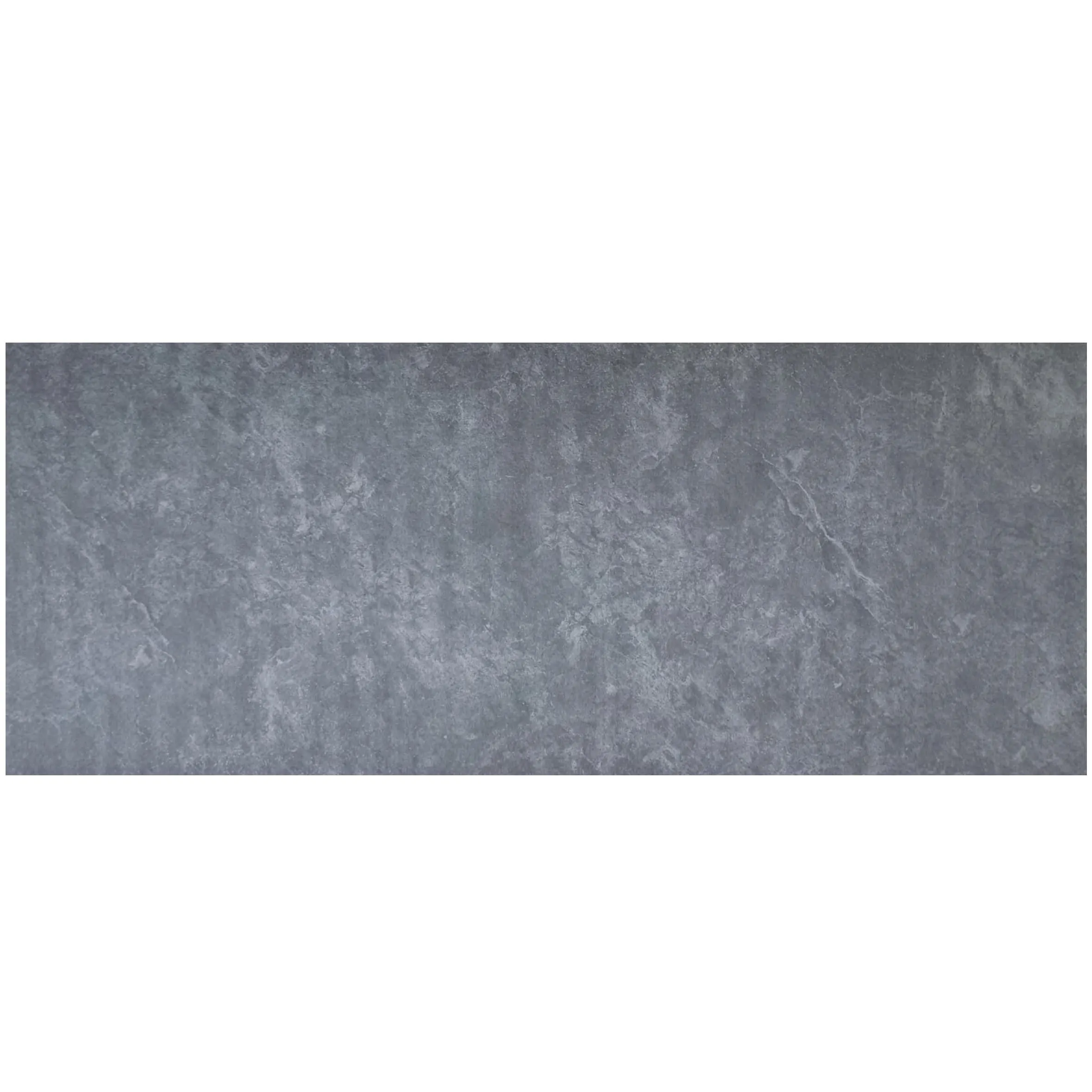
In the world of hospitality, first impressions are everything. A hotel's facade is more than just a wall—it's a silent storyteller, a preview of the experience that awaits inside. It's the first "hello" to weary travelers, the backdrop for Instagram-worthy moments, and a reflection of the brand's identity. But for architects and designers, crafting that perfect facade is a balancing act: How do you create something that feels luxurious, timeless, and unique—yet stands up to rain, wind, sun, and the test of time? Enter Marble Interstellar Gray —a material that doesn't just meet this challenge; it redefines what's possible for hotel exteriors.
For decades, hotel designers have faced a frustrating trade-off: choose materials that dazzle but degrade quickly, or opt for tough, utilitarian options that feel cold and impersonal. Natural marble, for example, exudes opulence with its veined patterns and soft sheen, but it's porous, prone to staining, and struggles with freeze-thaw cycles in harsh climates. On the flip side, materials like concrete offer rugged durability but often read as industrial or lacking warmth. Even modern composites can fall short—some mimic stone but feel plastic-like, while others sacrifice flexibility for strength, limiting creative designs.
This divide is especially stark in luxury hospitality. Today's travelers seek authenticity—spaces that feel handcrafted, not mass-produced. They want facades that age gracefully, developing character over time rather than looking worn. At the same time, hoteliers need materials that minimize maintenance costs, resist weathering, and last for decades. It's a puzzle: How do you merge the "wow" factor of high-end design with the practicality of a building that can withstand the elements?

Imagine (oops, scratch that) Think of a material that captures the depth of a starry night sky, with layers of gray that shift from charcoal to silver as light changes. That's Marble Interstellar Gray —a engineered stone that marries the elegance of natural marble with the resilience of modern technology. Unlike traditional marble, which is quarried and cut, this material is crafted in controlled environments, blending natural stone aggregates with advanced binders to create a slab that's both beautiful and bulletproof.
What makes Interstellar Gray stand out? Start with its appearance. The color palette is rich but restrained: a base of deep, moody gray, swirled with threads of lighter silver and hints of charcoal. It's not just a solid color—it has movement, like the surface of a lake on a windy day. When installed on a hotel facade, it transforms the building from a static structure into something dynamic, responding to sunrise, sunset, and even artificial light in the evening. For luxury brands aiming to make a statement without being garish, this subtle drama is a game-changer.
But Interstellar Gray isn't just about looks. Its real magic lies in its durability. Let's break it down: It's non-porous, so rain, saltwater, and even acidic pollutants (common in urban areas) won't seep in and cause staining or cracks. It's UV-resistant, meaning that harsh sunlight won't fade its color over time—unlike some natural stones that can turn dull after a few years. And it's impact-resistant, able to withstand hailstorms, accidental knocks during maintenance, and even the occasional stray bird (we've all seen it). For coastal hotels, this is a lifesaver; for mountain resorts, a necessity.
Engineered stone technology has come a long way, and Interstellar Gray is a product of that progress. Its core is a blend of 90% natural marble chips and 10% high-performance resin, compressed under extreme pressure and heat. This process eliminates the weak points found in natural stone—like tiny cracks or mineral inconsistencies—that often lead to breakage. The result? A slab that's 30% stronger than traditional marble and twice as resistant to flexing, making it ideal for large-scale facade installations where structural integrity is key.
Maintenance is another win. Unlike natural marble, which requires regular sealing and polishing, Interstellar Gray needs nothing more than an occasional rinse with water and mild soap. No special treatments, no expensive sealants, no panic when a guest spills coffee on an outdoor lounge area adjacent to the facade. For busy hotel managers, this translates to lower long-term costs and fewer headaches—a luxury in itself.

To truly appreciate Interstellar Gray, let's see how it holds up against other popular facade materials. We'll focus on two common options: Fair-Faced Concrete (a minimalist favorite) and Lunar Peak Silvery (a metallic-toned engineered stone).
| Material | Aesthetic Appeal | Durability | Installation Flexibility | Long-Term Cost |
|---|---|---|---|---|
| Marble Interstellar Gray | Dynamic gray-silver veining, shifts with light; upscale, timeless look. | Non-porous, UV/impact-resistant; 50+ year lifespan with minimal maintenance. | Available in large slabs (up to 3m x 1.5m); lightweight enough for vertical/overhead installation. | Higher upfront cost, but 70% lower maintenance than natural marble; cost-effective over time. |
| Fair-Faced Concrete | Raw, industrial aesthetic; limited color options (gray, off-white). | Strong but porous; prone to staining; requires sealing every 2-3 years. | Heavy; limited to horizontal/low-rise vertical use; hard to repair if cracked. | Low upfront cost, but high maintenance costs over time; fades/weathers quickly. |
| Lunar Peak Silvery | Shiny metallic finish; modern, futuristic look. | Scratch-prone; shows fingerprints easily; fades in direct sunlight. | Thin sheets; flexible but not ideal for large, unsupported areas. | Moderate upfront cost; requires frequent cleaning/polishing; short lifespan (15-20 years). |
The table tells the story: Interstellar Gray outperforms in aesthetics, durability, and long-term value. While Fair-Faced Concrete is cheaper upfront, its industrial look and high maintenance make it a poor fit for luxury hotels. Lunar Peak Silvery has visual appeal but lacks the staying power needed for a facade that should last decades. Interstellar Gray, on the other hand, checks all the boxes: it looks expensive, acts tough, and saves money in the long run.

One of the joys of working with Interstellar Gray is its versatility. It plays well with other materials, and for designers looking to add texture or contrast, MCM Flexible Stone is the perfect partner. MCM (Modified Composite Material) is a lightweight, bendable stone veneer that can mimic the look of natural stone, wood, or even metal—all while being thin enough to wrap around curves, columns, or intricate architectural details.
Imagine a hotel facade where Interstellar Gray forms the main canvas—large, sweeping slabs that make a bold statement. Then, MCM Flexible Stone in a complementary texture (say, a rough-hewn "rock cut" finish) is used to frame windows, accent entranceways, or create a feature wall. The contrast between the smooth, starry Interstellar Gray and the tactile, organic MCM adds depth and interest, turning the facade into a three-dimensional work of art. It's this kind of design flexibility that makes modern hotel exteriors feel intentional and unique—not just a wall, but a composition.
MCM Flexible Stone also solves a common problem: weight. Traditional stone veneers are heavy, limiting where they can be installed. MCM, however, weighs just 3-5 kg per square meter—light enough to be used on upper floors, cantilevered sections, or even ceiling overhangs. This opens up possibilities for dramatic design elements, like a floating "stone" canopy over the hotel entrance, supported by slim steel beams and clad in MCM. When paired with Interstellar Gray's large slabs, the result is a facade that feels both grand and delicate, strong and ethereal.

In hospitality design, scale matters. A hotel facade that's made up of small, repeating tiles can feel busy or cheap; large slabs, on the other hand, create a sense of continuity and luxury. That's where Architectural Big Slab Solutions come into play—and Interstellar Gray is tailor-made for this approach. With slab sizes up to 3 meters long and 1.5 meters wide, designers can cover vast expanses of wall with minimal grout lines, creating a seamless, monolithic look that's impossible to achieve with smaller tiles.
Take, for example, the Grand Horizon Hotel in Barcelona, which recently renovated its facade using Interstellar Gray big slabs. The building's curved, 12-story exterior was previously clad in small, beige tiles that made it blend into the cityscape. Now, it's wrapped in 3m x 1.5m Interstellar Gray slabs, their silver veining catching the Mediterranean sun and making the hotel glow at dusk. The lack of visible seams gives the facade a sleek, modern feel, while the material's depth keeps it from looking flat. Guests now stop on the sidewalk to take photos; locals call it "the Starry Building." It's a testament to how big slabs can transform a building from forgettable to iconic.
But big slabs aren't just about aesthetics—they're also practical. Fewer seams mean fewer places for water to seep in, reducing the risk of mold or rot behind the facade. They also speed up installation: a team can lay 200+ square meters of big slabs in a day, compared to 50-60 square meters with small tiles. For hotels undergoing renovations, this means less downtime, fewer disruptions to guests, and faster ROI. It's a win-win: a more beautiful facade installed in less time.
Today's luxury travelers care about sustainability—and so do hotel brands. A facade that looks good but harms the planet is no longer acceptable. Fortunately, Interstellar Gray and MCM Flexible Stone are both eco-friendly options, aligning with the hospitality industry's push toward greener building practices.
Let's start with Interstellar Gray. Its production process uses 80% recycled marble chips—scraps from natural marble quarries that would otherwise end up in landfills. By repurposing these waste materials, the manufacturing process reduces the need for new quarrying, lowering its carbon footprint. Additionally, the resin used in Interstellar Gray is low-VOC (volatile organic compounds), meaning it doesn't release harmful chemicals into the air during or after installation—better for both the environment and the hotel's indoor air quality (though it's used outdoors, off-gassing is still a concern for adjacent indoor spaces).
MCM Flexible Stone is even more sustainable. Its core is made from recycled stone powder and plant-based resins, and its production requires 50% less energy than traditional stone veneer manufacturing. It's also 100% recyclable at the end of its lifespan—unlike some synthetic cladding materials that end up in incinerators. For hotels aiming for LEED certification or other green building standards, these factors can make a big difference in scoring points and appealing to eco-conscious guests.
Then there's the long-term sustainability of durability. A facade that lasts 50 years instead of 20 means fewer resources spent on replacement—less quarrying, less transportation, less construction waste. Interstellar Gray's low maintenance needs also reduce water usage (no frequent power washing) and chemical usage (no harsh sealants or cleaners). It's a small detail, but multiplied over decades, it adds up to a significant environmental impact.
At the end of the day, Marble Interstellar Gray is more than just a building material. It's a tool for storytelling. A hotel's facade is the first chapter of the guest's journey—setting the tone for their stay, hinting at the luxury, comfort, and attention to detail they'll find inside. With Interstellar Gray, that first chapter is one of timeless elegance, quiet strength, and intentional design.
Think about the last luxury hotel you stayed in. What do you remember most? The lobby? The view? Chances are, the facade made an impression—even if you didn't realize it. It's the first thing you see when you pull up in the taxi, the last thing you glance at when you leave. It's part of the memory, part of the story you tell friends later: "You have to see this hotel—the exterior looks like it's made of starlight."
As hospitality design continues to evolve, materials like Marble Interstellar Gray will lead the way. They bridge the gap between art and engineering, luxury and practicality, beauty and longevity. They allow architects to dream bigger, designers to create more intentionally, and hoteliers to build spaces that feel both extraordinary and enduring.
So, to the architects, designers, and hotel owners out there: The next time you're planning a facade, don't just think about what it looks like today. Think about what it will look like in 10 years, 20 years, 50 years. Think about the stories it will tell, the guests it will welcome, the memories it will help create. With Marble Interstellar Gray, you're not just building a wall—you're building a legacy.
Luxury isn't about being flashy. It's about being unforgettable. And with Marble Interstellar Gray, your hotel's facade will be just that.
Recommend Products












