
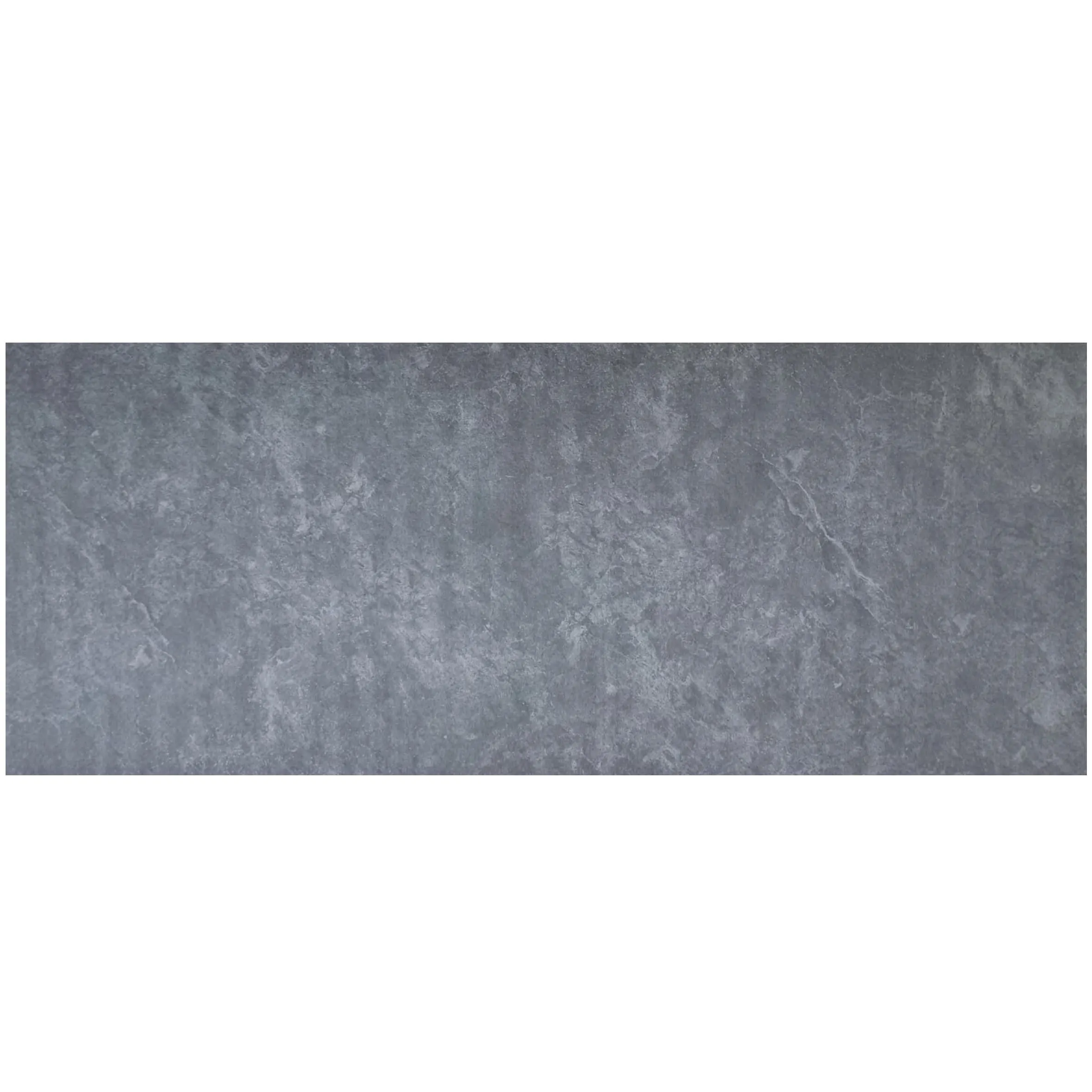
There's something undeniably magical about older buildings. Walk down a street lined with 19th-century townhouses, and you'll notice the way the brickwork tells stories—chipped edges from decades of weather, worn doorframes that once welcomed families home, cornices carved with details that modern construction often skips. But here's the catch: while these structures warm our hearts, they can also test our patience. Drafty windows, creaky floors, and materials that simply weren't built for today's demands often leave homeowners and architects stuck between two worlds: preserving history or embracing modernity. What if there was a material that didn't force that choice? Enter Marble Interstellar Gray —a quiet game-changer in the world of renovation.
Renovating an older building isn't just about slapping on new paint or swapping out fixtures. It's about balance. You want to honor the past without letting it hold the future hostage. Too much modernization, and you lose the soul of the space; too little, and you end up with a beautiful relic that's impractical for daily life. Materials play the starring role here, and Marble Interstellar Gray has a unique way of bridging that gap. Let's dive into why this stone is becoming a go-to for architects and homeowners who refuse to choose between "old charm" and "new function."
Let's say you've just bought a 1920s apartment in a historic district. The original hardwood floors are stunning, but they slope so much you worry about rolling a wine glass across the table. The walls are thick with plaster, which sounds great until you try to install modern insulation. And the kitchen? It's got that "cozy" vintage vibe, but the countertops stain if you so much as look at them wrong. These are the kinds of challenges that make renovation feel like a puzzle—one where every piece (material, budget, structural limits) has to fit just right.
Traditional materials often fall short here. Heavy marble slabs might overwhelm a 100-year-old floor that can't handle the weight. Ultra-shiny modern tiles can clash with the building's original woodwork, creating a jarring "before-and-after" effect instead of a seamless blend. And then there's maintenance: older buildings already demand attention; the last thing you need is a material that requires constant sealing, polishing, or repairs.

Picture this: You're standing in the lobby of a renovated 1930s bank. The original vault doors, with their intricate metalwork, still dominate one wall. Sun streams through tall, arched windows, casting light on the floor—and that's where your eyes linger. The surface isn't the dull, scratch-prone linoleum from the 1970s renovation; it's smooth, cool to the touch, and colored a soft, deep gray that shifts subtly as you move. Up close, you notice tiny flecks of silver and charcoal, like someone sprinkled stardust across the stone. That's Marble Interstellar Gray. It doesn't scream "new"—it whispers "timeless."
What makes this stone special? Let's start with the aesthetics. Unlike stark white marbles or bold black granites, Interstellar Gray has a quiet depth. It's not flat; it's layered, with veining that mimics the way fog curls over a mountain or stars dot a night sky. This subtlety is key for older buildings. It complements, rather than competes with, original features. A 19th-century fireplace with carved mantel? Marble Interstellar Gray as a surround doesn't overshadow the woodwork—it frames it, letting the craftsmanship shine while adding a modern edge.
But looks are just the start. What really makes this material a renovation hero is its practicality. Unlike natural marble, which can be porous and high-maintenance, Marble Interstellar Gray (often crafted using advanced composite techniques) is dense, stain-resistant, and surprisingly durable. Spills? Wipe them up with a cloth. Heavy foot traffic? No problem—this stone doesn't scratch easily. And here's a bonus for older buildings: it's often lighter than traditional stone. That means you won't need to reinforce floor joists or worry about overloading century-old walls. It's a material that respects the past's limits while meeting the present's needs.

Marble Interstellar Gray is a star, but even stars shine brighter with a supporting cast. When renovating older buildings, mixing materials adds texture and warmth, preventing the space from feeling too "cold modern." Here are a few materials that pair beautifully with Interstellar Gray, each bringing its own personality to the project:
If Marble Interstellar Gray is the lead singer, MCM flexible stone is the backup vocalist that keeps the show running. MCM (Modified Composite Material) is a game-changer for older structures because it's thin, flexible, and incredibly lightweight. Imagine you want to add a stone accent wall in a room with delicate plaster—traditional stone would require heavy mounting, risking cracks in the existing walls. MCM flexible stone, though? It bends slightly, adheres easily, and weighs a fraction of the real thing. Pair it with Interstellar Gray on adjacent walls, and you get depth without the structural stress. I recently saw this combo in a 1950s ranch renovation: the homeowner used Interstellar Gray for the fireplace surround and MCM flexible stone (in a soft, earthy tone) for the accent wall behind the sofa. The result? A cozy, layered look that felt both grounded and modern.
For buildings with industrial roots—think 1900s factories turned lofts or warehouses converted into apartments— fair-faced concrete is a match made in renovation heaven. Unlike polished concrete, which can feel sterile, fair-faced concrete has a raw, honest texture. It's the kind of material that shows its "work"—tiny air bubbles, subtle color variations, the impression of the formwork used to cast it. When paired with Marble Interstellar Gray, it adds an edgy, utilitarian vibe that complements the stone's elegance. One project that stands out: a 1920s textile mill in Philadelphia transformed into artist studios. The main hallway features Interstellar Gray floors (durable enough for carts and heavy equipment) and fair-faced concrete walls. The contrast—smooth gray stone against rough concrete—feels both industrial and refined, like the building's past and present shaking hands.
Older buildings often have a "lived-in" warmth that modern spaces can lack, and travertine (beige) leans into that. With its soft, creamy tones and natural pitting (those tiny holes that give it character), beige travertine feels like a hug. Pair it with Marble Interstellar Gray, and you balance cool and warm—think Interstellar Gray countertops in a kitchen with travertine backsplash, or a bathroom where Interstellar Gray floors meet travertine shower walls. I visited a 1930s cottage renovation last year where the designer did exactly this: the kitchen had Interstellar Gray cabinets (yes, stone cabinets—durable and stunning!) and travertine (beige) countertops. The travertine's warmth softened the gray's coolness, making the space feel inviting, not stark. It was like adding a cup of tea to a crisp autumn day—cozy and refreshing all at once.
Sometimes, the best way to balance stone and concrete is with something organic. Bamboo mat board brings a touch of nature to older buildings, softening hard edges and adding texture that feels alive. Made from woven bamboo strips, it's lightweight, sustainable, and surprisingly versatile. Use it as a backsplash in a kitchen with Interstellar Gray countertops, or line the ceiling of a dining room to add warmth overhead. In a recent 1940s bungalow renovation, the homeowner used bamboo mat board for the ceiling of the sunroom, paired with Interstellar Gray flooring. The sunlight filtered through the bamboo, casting dappled shadows on the gray stone, and suddenly the space felt like a bridge between the indoors and outdoors. It was proof that even in a historic home, you can bring in natural elements without sacrificing modern durability.

| Material | Key Features | Aesthetic Vibe | Best For |
|---|---|---|---|
| Marble Interstellar Gray | Deep, starry gray with subtle veining; durable, stain-resistant; medium weight | Elegant, timeless, and versatile—bridges old and new | Floors, countertops, fireplace surrounds |
| MCM Flexible Stone | Thin, lightweight, flexible; easy to install over existing surfaces | Textured, earthy, and low-maintenance | Accent walls, backsplashes, or tight spaces with structural limits |
| Fair-Faced Concrete | Raw, unpolished texture; industrial look; fire-resistant | Honest, utilitarian, and full of character | Walls, ceilings, or floors in industrial-style renovations |
| Travertine (Beige) | Creamy beige with natural pitting; warm and porous (seal for durability) | Cozy, organic, and slightly rustic | Backsplashes, shower walls, or floors in spaces needing warmth |
| Bamboo Mat Board | Woven bamboo strips; lightweight, sustainable, and slightly flexible | Natural, soft, and textural | Ceilings, backsplashes, or accent walls to add organic warmth |

Let's put all this into context with a real-world example. A few years back, a small town in Vermont decided to renovate its abandoned 1930s schoolhouse into a community center. The building had good bones—high ceilings, large windows with original muntins, and a brick exterior that had weathered gracefully. But inside? It was a mess: water-damaged plaster, asbestos tiles, and a layout that no longer worked for modern gatherings. The goal was simple: keep the school's "small-town charm" while making it functional for yoga classes, book clubs, and town hall meetings.
The architects turned to Marble Interstellar Gray early on. Here's how they used it, alongside our complementary materials:
The Lobby: The original oak doors and wainscoting were restored, but the floor needed an upgrade. The team chose Interstellar Gray for its durability (community centers see a lot of foot traffic!) and its ability to hide scuffs. To add warmth, they paired it with travertine (beige) inlays near the entrance—a subtle nod to the school's "welcoming" roots.
The Main Hall: This space, once filled with desks, was converted into a multi-use area for events. The high, flat ceiling felt cavernous, so the architects added bamboo mat board panels. The woven texture softened the acoustics and added a natural, calming vibe. On one wall, they installed MCM flexible stone in a muted green tone, creating a focal point for a stage area. Opposite that, fair-faced concrete panels added industrial edge, balancing the bamboo's softness.
The Kitchen: A small but mighty space, the kitchen needed to serve snacks for events and coffee for book clubs. Interstellar Gray countertops (stain-resistant, easy to clean) were paired with fair-faced concrete cabinets—raw and utilitarian, but warm enough to feel inviting. A travertine (beige) backsplash tied the whole look together, adding a pop of cream against the gray and concrete.
The result? A building that still reads "1930s schoolhouse" from the outside but feels fresh and functional inside. Local residents often comment on how the space "feels like home"—a testament to how materials like Marble Interstellar Gray, MCM flexible stone, and travertine can honor the past without getting stuck in it.
Ready to try Marble Interstellar Gray in your own older building? Here are a few lessons learned from architects and homeowners who've been there:
Test the lighting first. Interstellar Gray shifts color depending on light. What looks like deep charcoal in a dim room might lean silver in bright sunlight. Grab a sample slab and leave it in the space for a few days—check it morning, noon, and evening—to make sure it matches your vision.
Don't overdo it. While Interstellar Gray is versatile, using it everywhere can make a space feel flat. Mix in textures: pair it with bamboo mat board on the ceiling, or add a MCM flexible stone accent wall. Contrast keeps things interesting.
Think about the building's "bones." Older structures often have uneven floors or walls. Interstellar Gray (especially in larger slabs) can highlight those imperfections if not installed carefully. Work with a contractor experienced in historic renovations—they'll know how to level surfaces or adjust cuts to hide quirks.
Seal it (but don't stress). While modern composite versions of Interstellar Gray are more stain-resistant than natural marble, a quick seal once a year will keep it looking fresh. It's a small task for a material that lasts decades.
Renovating an older building isn't just about fixing what's broken—it's about writing a new chapter in its story. You're not erasing the past; you're giving it permission to grow. Marble Interstellar Gray does exactly that. It's a material that respects the cracks in the plaster, the slant of the floor, and the character that time has etched into the walls—while quietly bringing the space into the present. Paired with complementary materials like MCM flexible stone, fair-faced concrete, travertine (beige), and bamboo mat board, it creates spaces that feel both rooted and alive.
So the next time you walk into an older building and think, "This could be amazing," remember: you don't have to choose between history and modernity. With the right materials, you can have both. And Marble Interstellar Gray? It's not just a stone—it's a bridge between then and now. And that, in the end, is the beauty of renovation: preserving the stories we love while making room for new ones.
Recommend Products












