


Walk into a modern hospital or clinic today, and you'll likely notice a quiet revolution unfolding. Gone are the days when healthcare design began and ended with stark white walls and linoleum floors. Today's medical spaces are embracing a new philosophy: that the environments where healing happens should be as nurturing to the spirit as they are functional for the body. At the heart of this shift is a careful selection of materials—surfaces that don't just resist germs and stand up to heavy use, but also soothe frayed nerves, reduce stress, and even spark a sense of calm. Among these materials, one name is rising to the forefront: Marble Interstellar Gray. But what makes this stone so well-suited to healthcare settings, and how does it balance the uncompromising demands of hygiene with the soft, human touch of good design?
The Healthcare Design Balancing Act: Why Surfaces Matter
Healthcare design is a tightrope walk. On one side, there's the non-negotiable need for hygiene. Surfaces must repel bacteria, resist stains, and withstand relentless cleaning with harsh disinfectants—all while maintaining their integrity over years of use. On the other side is the human element: patients recovering from illness, families waiting for news, staff working long shifts. For these groups, a clinical, sterile environment can feel alienating, even stressful. Studies have shown that spaces with natural textures, warm tones, and soft lighting can lower anxiety, reduce blood pressure, and even speed up recovery times. It's a powerful reminder that "healing" isn't just about medicine—it's about the air you breathe, the light you see, and yes, the walls and floors you touch.
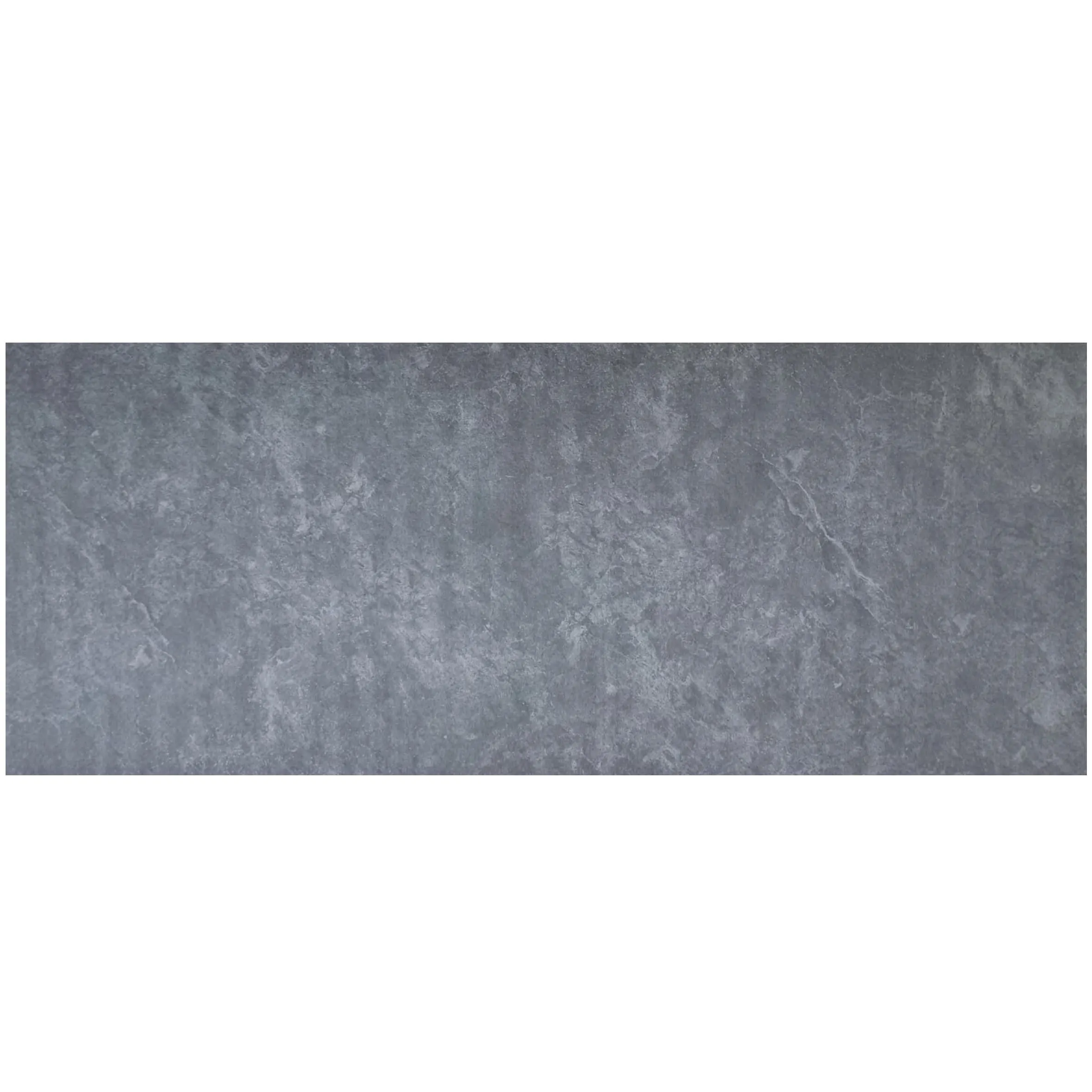
This is where materials like Marble Interstellar Gray step in. Unlike traditional hospital surfaces that often prioritize function over form, this stone was engineered to do both. Let's start with the basics: Marble Interstellar Gray is a polished marble variant with a deep, smoky gray base swirled with subtle veins of lighter gray and white, mimicking the look of distant galaxies (hence the "Interstellar" name). But its beauty isn't just skin-deep. Its dense, non-porous surface makes it naturally resistant to moisture and microbes—two enemies of healthcare hygiene. When sealed properly, it becomes a barrier that prevents bacteria from penetrating, reducing the risk of healthcare-associated infections (HAIs), which affect millions of patients worldwide each year.

Hygiene First: How Marble Interstellar Gray Stands Up to Scrutiny
In healthcare, "easy to clean" isn't just a convenience—it's a lifeline. Marble Interstellar Gray's polished finish leaves no room for dirt or germs to hide. Unlike porous materials like unglazed ceramic or certain types of wood, which can trap bacteria in tiny crevices, its smooth surface allows for quick, thorough disinfection. A simple wipe with a hospital-grade cleaner is often enough to keep it germ-free, reducing the time and labor spent on maintenance. This is a boon for busy staff who already have their hands full with patient care.
But what about durability? Healthcare facilities are high-traffic zones: wheelchairs scrape floors, stretchers bump walls, and carts loaded with equipment grind against surfaces daily. Marble Interstellar Gray holds its own here, too. Its hardness (rated 3-4 on the Mohs scale, similar to other marbles) means it resists scratches and chips, even under heavy use. And unlike some synthetic materials that fade or yellow with exposure to UV light or harsh chemicals, its color and pattern remain stable over time. This longevity isn't just about aesthetics—it's about reducing replacement costs and minimizing disruptions to patient care.
| Material | Hygiene Performance | Durability | Aesthetic Versatility |
|---|---|---|---|
| Marble Interstellar Gray | Non-porous; easy to disinfect; resists bacterial growth | High scratch/chip resistance; color stability over time | Neutral gray base with subtle veining; pairs with warm/cool tones |
| Fair-Faced Concrete | Porous if unsealed; requires regular sealing for hygiene | Extremely durable; resistant to heavy impact | Raw, industrial look; limited color options (gray/beige) |
| Polish Concrete | Non-porous when polished; easy to clean | Highly durable; minimal maintenance | Sleek, modern; can be stained but limited texture |

Aesthetics That Heal: The Soothing Power of Subtlety
If hygiene is the backbone of Marble Interstellar Gray's appeal in healthcare, its aesthetics are the heart. Gray is often dismissed as "boring" or "cold," but in the right context, it's anything but. Marble Interstellar Gray's soft, muted tone creates a sense of calm—a blank canvas that doesn't overwhelm but instead invites focus. For patients recovering from illness, this can be transformative. Bright colors or busy patterns can overstimulate sensitive nerves, but the gentle veining of Marble Interstellar Gray mimics natural stone, evoking the outdoors and connecting patients to the world beyond hospital walls.
Take, for example, a pediatric ward. Traditional often rely on bold primary colors to "cheer up" young patients, but this can backfire, increasing restlessness in children with anxiety or sensory issues. Marble Interstellar Gray, paired with soft blue or green accents, creates a serene environment that feels safe and grounding. The stone's texture—smooth to the touch but rich with visual depth—can even become a point of comfort, something a child might trace with their finger during a long stay.
In adult care settings, too, the stone shines. Imagine a chemotherapy infusion room where patients spend hours at a time. The last thing they need is a stark, clinical space that feels like a reminder of their illness. Marble Interstellar Gray walls, paired with warm wood accents and soft lighting, transform the room into a quiet retreat. The gray hue reflects light evenly, reducing eye strain, while the natural veining adds a touch of organic beauty that feels less "manufactured" than synthetic alternatives like vinyl or laminate.

Beyond Marble: Complementary Materials for a Cohesive Design
While Marble Interstellar Gray is a standout on its own, healthcare design often calls for a mix of materials to balance function and aesthetics. One material that pairs particularly well with it is Mcm flexible stone . MCM (Modified Composite Material) is a lightweight, flexible cladding option that mimics the look of natural stone but with added versatility. In areas where curved walls or custom shapes are needed—like reception desks or nurse stations—Mcm flexible stone can be bent and shaped to fit, while still offering the same hygiene benefits as Marble Interstellar Gray. Its flexibility also makes it ideal for high-impact zones, where a rigid material might crack under pressure.
For spaces that require a more industrial edge—like operating rooms or laboratories— fair-faced concrete can complement Marble Interstellar Gray beautifully. The raw, textured look of concrete adds visual interest without sacrificing durability, while the marble softens the space, preventing it from feeling too cold. Together, they create a balance of strength and warmth that's perfect for environments where precision and comfort are equally important.
Another strong contender is polish concrete , a budget-friendly alternative that shares Marble Interstellar Gray's non-porous, easy-to-clean properties. In high-traffic corridors or staff break rooms, polish concrete floors can stand up to heavy use, while Marble Interstellar Gray accent walls add a touch of elegance. The contrast between the two materials—one sleek and modern, the other organic and timeless—creates a dynamic visual rhythm that keeps the space feeling fresh.

Sustainability: A Bonus for Modern Healthcare
Today's healthcare facilities aren't just focused on patient health—they're also prioritizing the health of the planet. Marble Interstellar Gray, when sourced from responsible quarries, is a sustainable choice. Unlike synthetic materials that rely on fossil fuels for production, natural stone is a renewable resource (though it does require careful extraction to minimize environmental impact). Additionally, its longevity means less frequent replacement, reducing waste over time.
Mcm flexible stone, too, offers eco-friendly benefits. Its lightweight composition reduces transportation costs and carbon emissions during installation, while its durability ensures it won't end up in landfills after a few years. When paired with energy-efficient lighting and low-VOC paints, these materials help healthcare facilities meet green building standards like LEED, which not only benefits the environment but can also lower operating costs over time.
The Bottom Line: Design That Cares
At the end of the day, the choice to use Marble Interstellar Gray in healthcare facilities isn't just about picking a pretty surface. It's about recognizing that design is a form of care. When patients feel calm, when staff feel supported by their environment, and when everyone can trust that the spaces around them are both safe and beautiful, healing happens faster. Marble Interstellar Gray, with its unbeatable combination of hygiene, durability, and aesthetic warmth, is more than a material—it's a tool for creating healthcare spaces that feel less like institutions and more like sanctuaries.
As we continue to reimagine what healthcare can be, materials like this will play a starring role. They remind us that healing isn't just about treating the body—it's about nurturing the whole person. And in that mission, every surface, every texture, and every color matters.










