
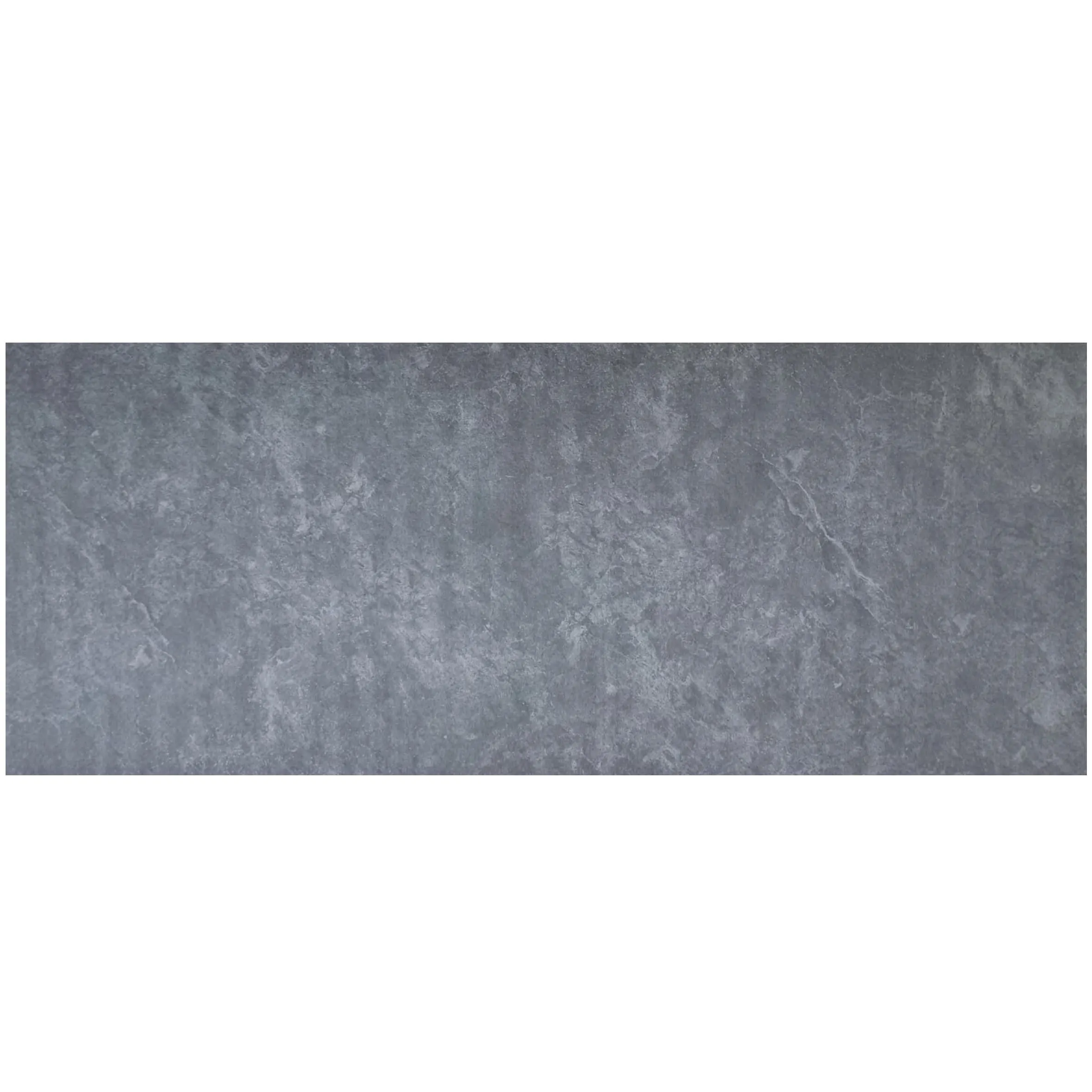
In the bustling world of retail, where every storefront vies for a moment of a customer's attention, the line between being forgotten and being unforgettable often lies in design. Walk down any city street, and you'll pass dozens of shops—some blend into the background like unread pages in a book, while others linger in your memory, their interiors etched into your mind like a favorite scene from a movie. What separates them? It's not just the products on display, but the story the space tells. Today, we're diving into a material that's rewriting that story for forward-thinking retailers: Marble Interstellar Gray . More than just a surface, it's a canvas for emotion, a bridge between luxury and approachability, and a quiet revolution in how we design spaces that don't just sell—they connect.
Ask any retail designer, and they'll tell you the same thing: creating a space that resonates is harder than ever. Shoppers today are overwhelmed with choices. They scroll through Instagram, pin dream interiors on Pinterest, and walk into stores with sky-high expectations. A generic white wall, a few shelves, and some track lighting? That's "meh"—and "meh" doesn't get customers through the door, let alone keep them there. The modern shopper craves experience . They want to feel something. They want to step into a space that feels intentional, that reflects their values, and that makes them think, "This brand gets me."
But here's the catch: designing that experience isn't easy. Many materials feel either too cold (think sterile concrete) or too precious (think marble that's high-maintenance and intimidating). Retailers need something that's versatile enough to fit a boutique's soft elegance, a café's cozy warmth, or a tech store's sleek innovation. They need texture that invites touch, color that calms or energizes, and durability that stands up to daily foot traffic. And, let's not forget—cost and sustainability matter too. In short, they need a material that checks all the boxes without feeling like it's checking boxes. Enter Marble Interstellar Gray.

At first glance, Marble Interstellar Gray might seem like just another gray stone. But lean in closer. Run your hand over its surface. You'll notice the magic immediately. Unlike flat, lifeless laminates or overly polished marbles that feel distant, this material has depth—a soft, cool gray base swirled with threads of silver and charcoal that mimic the night sky, as if someone captured a fragment of the Milky Way and pressed it into stone. The veining isn't bold or chaotic; it's subtle, like constellations just out of focus, inviting you to lean in and lose yourself in the details. It's the kind of texture that makes you pause mid-step, that turns a quick browse into a lingering exploration.
What makes this possible? The secret lies in its roots in MCM Flexible Stone technology. Traditional marble is heavy, fragile, and often impractical for large-scale retail use—think of the logistics of installing slabs in a multi-level boutique or the fear of chips and stains in a high-traffic area. MCM (Modified Composite Material) changes that. By combining natural stone particles with a flexible, lightweight backing, Marble Interstellar Gray retains all the beauty of natural marble but gains superpowers: it's thin enough to bend around curves, light enough to install on walls and ceilings without structural stress, and tough enough to handle the bumps and scrapes of daily life. It's marble, reimagined for the way we live (and shop) now.
But its real power isn't in what it

Great design is rarely about a single star—it's about the ensemble. Marble Interstellar Gray shines brightest when paired with materials that complement its strengths, adding layers of texture, color, and personality. Let's explore three allies that turn a good space into a great one: Fair-faced Concrete , Wood Grain Board , and Travertine (Starry Blue) . Together, they create a symphony of textures that feels balanced, intentional, and uniquely human.
There's something raw and honest about Fair-faced Concrete. Unlike polished concrete, which can feel cold and clinical, fair-faced concrete retains the subtle imperfections of its creation—small air bubbles, slight color variations, a matte finish that absorbs light rather than reflecting it. Pair it with Marble Interstellar Gray, and you get a contrast that's both striking and harmonious. The stone's soft veining softens the concrete's ruggedness, while the concrete grounds the marble, keeping it from feeling too ethereal. It's the perfect combo for brands that want to blend luxury with a "handmade" vibe—think a high-end sneaker store or a craft coffee shop.
Take, for example, a men's grooming boutique in downtown Portland. The owner wanted a space that felt masculine but not harsh, luxurious but not fussy. The solution? Walls of Marble Interstellar Gray, paired with Fair-faced Concrete countertops and shelving. The gray-on-gray palette is calming, but the textures play off each other: the smooth, cool marble and the rough, warm concrete. Customers linger longer, running their hands over the concrete edges as they test colognes, and the space feels less like a store and more like a curated workshop. It's industrial chic without the "chill"—and it's all thanks to that perfect pairing.
If Fair-faced Concrete is the industrial heartbeat, Wood Grain Board is the warm embrace. There's a reason wood has been a staple in design for centuries: it feels alive. Its natural grain, its subtle color variations, its ability to warm up even the coolest spaces—these are qualities that resonate on a primal level. When paired with Marble Interstellar Gray, wood adds a layer of comfort that makes a retail space feel like a home away from home. It's the difference between walking into a gallery and walking into a friend's living room.
Consider a bookstore-café hybrid in Seattle, a place where people come to read, work, and sip lattes. The owner wanted to create a space that felt both intellectual and cozy. The solution? Marble Interstellar Gray accent walls behind the bookshelves, their starry veining echoing the "exploration" theme of the store, paired with Wood Grain Board for the café counters and ceiling beams. The wood's honey tones soften the marble's cool gray, while the stone adds a touch of sophistication that elevates the space beyond a typical coffee shop. Customers stay longer, order second lattes, and—most importantly—buy more books. Why? Because the space feels like a retreat, a place where they want to spend time. And when people want to spend time, they spend money.
Every great design needs a pop of personality—a color or texture that surprises and delights. For Marble Interstellar Gray, that accent often comes in the form of Travertine (Starry Blue) . Imagine a deep, rich blue travertine, its surface dotted with tiny, iridescent flecks that catch the light like stars in a midnight sky. It's bold but not overwhelming, and when used sparingly, it adds a touch of whimsy to Marble Interstellar Gray's understated elegance.
A children's toy store in Boston used this pairing to magical effect. The main walls are clad in Marble Interstellar Gray, creating a "night sky" backdrop, while a feature wall behind the puzzle section is covered in Travertine (Starry Blue). The effect? It's like stepping into a storybook. Kids gasp when they see the blue wall, pointing out the "stars" and begging their parents to linger. Parents, meanwhile, appreciate the space's sophistication—it doesn't feel like a chaotic playpen, but a place where their child's imagination is nurtured. It's design that works for both audiences, turning a quick errand into a memorable adventure.
| Material | Aesthetic Vibe | Best For... | Perfect Pairing with Marble Interstellar Gray |
|---|---|---|---|
| Marble Interstellar Gray | Cool, sophisticated, with soft silver veining | Feature walls, countertops, backsplashes | Warms up with Wood Grain Board; gains edge with Fair-faced Concrete |
| Fair-faced Concrete | Raw, industrial, with subtle texture | Shelving, flooring, accent walls | Balances Marble Interstellar Gray's elegance with ruggedness |
| Wood Grain Board | Warm, organic, with natural grain patterns | Ceilings, counters, display units | Adds comfort to Marble Interstellar Gray's coolness |
| Travertine (Starry Blue) | Vibrant, whimsical, with iridescent flecks | Accent walls, niche displays, signage | Adds surprise and color without clashing |

Boutique Noir, a high-end fashion store in Chicago's Gold Coast, was struggling. Despite carrying designer labels, foot traffic was stagnant, and sales were flat. The owner, a former fashion editor, knew the problem wasn't the clothes—it was the space. The previous design was all white walls and chrome fixtures: sleek, but soulless. "Customers would walk in, look around, and leave within five minutes," she recalls. "There was no reason to stay."
Enter a redesign centered on Marble Interstellar Gray. The team replaced the white walls with floor-to-ceiling panels of the stone, paired with Wood Grain Board for the fitting room doors and Fair-faced Concrete for the checkout counter. A small accent wall near the entrance was clad in Travertine (Starry Blue), featuring the store's logo etched into the surface. The lighting was softened, with warm LED strips hidden behind the marble to highlight its veining.
The results? Within three months, foot traffic was up 40%, and average time spent in the store doubled. "Customers now stop at the entrance just to look at the walls," the owner laughs. "They take photos, they touch the marble—they're engaged. And when they're engaged, they try on more clothes, and they buy more. It's not just a store anymore; it's a destination."
TechHaven, a store selling the latest gadgets and tech accessories, wanted to stand out in San Francisco's competitive tech district. The challenge? Tech stores often feel cold and impersonal, filled with plastic displays and harsh lighting. "We wanted to create a space that felt innovative but not intimidating," says the store manager. "A place where someone who's not 'tech-savvy' feels just as welcome as a Silicon Valley engineer."
The solution? A design that merged Marble Interstellar Gray with—surprisingly—warm wood tones and soft lighting. The main display tables were made of Marble Interstellar Gray, their smooth surface perfect for showcasing sleek laptops and phones, while the walls were lined with Wood Grain Board to add warmth. Fair-faced Concrete flooring kept the space grounded, and Travertine (Starry Blue) was used for the "innovation corner," where new products were highlighted.
The feedback was immediate. "Customers tell us the store feels 'approachable' and 'inviting,'" the manager notes. "Parents bring their kids, who love the 'starry' blue wall, and older shoppers say they don't feel overwhelmed. Sales of accessories—phone cases, laptop sleeves—are up 35% because people are lingering, browsing, and discovering products they wouldn't have noticed in a traditional tech store."

At this point, you might be thinking, "This all sounds great, but does design really impact sales that much?" The answer is a resounding yes—and it's not just about aesthetics. Research shows that environment affects mood , and mood affects behavior. A space that feels calm, interesting, or joyful releases dopamine in the brain—the "feel-good" chemical that makes us want to repeat an experience. When a customer walks into a store that makes them feel good, they're more likely to stay longer, engage with staff, and make a purchase. They're also more likely to remember the store and recommend it to friends. In short, design isn't just about looking pretty—it's about creating emotional memories .
Marble Interstellar Gray excels at this because it taps into universal emotions. Its starry veining evokes a sense of wonder, reminding us of childhood nights spent stargazing. Its soft gray base feels calming, reducing the stress of shopping (yes, shopping can be stressful!). Its texture invites touch, creating a tactile connection that lingers in the mind long after the customer leaves. It's a material that doesn't just decorate a space—it participates in the customer's experience.
Consider this: a study by the Design Management Institute found that companies that prioritize design outperform the S&P 500 by 219% over 10 years. Design isn't a "nice-to-have"—it's a business strategy. And in retail, where customer loyalty is everything, it's the difference between a one-time purchase and a lifelong customer.
In today's world, design can't just look good—it has to do good, too. Customers, especially younger generations, care deeply about sustainability. They want to support brands that align with their values, and that includes the materials used in their stores. Here's where MCM Flexible Stone —the technology behind Marble Interstellar Gray—shines. Traditional marble mining is resource-intensive, requiring heavy machinery and often leaving behind scars on the landscape. MCM, on the other hand, uses natural stone particles that would otherwise go to waste (think leftover dust and fragments from quarrying) and binds them with eco-friendly resins. The result? A material that reduces waste, uses less energy to produce, and is 70% lighter than natural marble—meaning lower transportation emissions and less strain on buildings.
But sustainability isn't just about the material itself—it's about longevity. Marble Interstellar Gray is designed to last. Its durable surface resists stains, scratches, and fading, meaning stores won't have to replace it every few years. That reduces waste over time and saves retailers money in the long run. It's a win-win: good for the planet, good for the bottom line.
At the end of the day, retail design is about more than shelves and walls. It's about creating a space that tells a story—a story about who the brand is, what it values, and how it sees the world. Marble Interstellar Gray, with its blend of beauty, versatility, and heart, is helping retailers tell that story in a way that resonates. It's not just a material; it's a partner in creating experiences that turn casual shoppers into loyal customers, and quiet storefronts into community landmarks.
So, to the retail designers, the store owners, and the dreamers out there: don't settle for "meh." Don't let your space blend into the background. Embrace materials that surprise, delight, and connect. Embrace Marble Interstellar Gray. Because in the end, the best retail spaces aren't just places to shop—they're places to feel. And when customers feel something, they don't just remember your store—they become part of its story.
Recommend Products












