
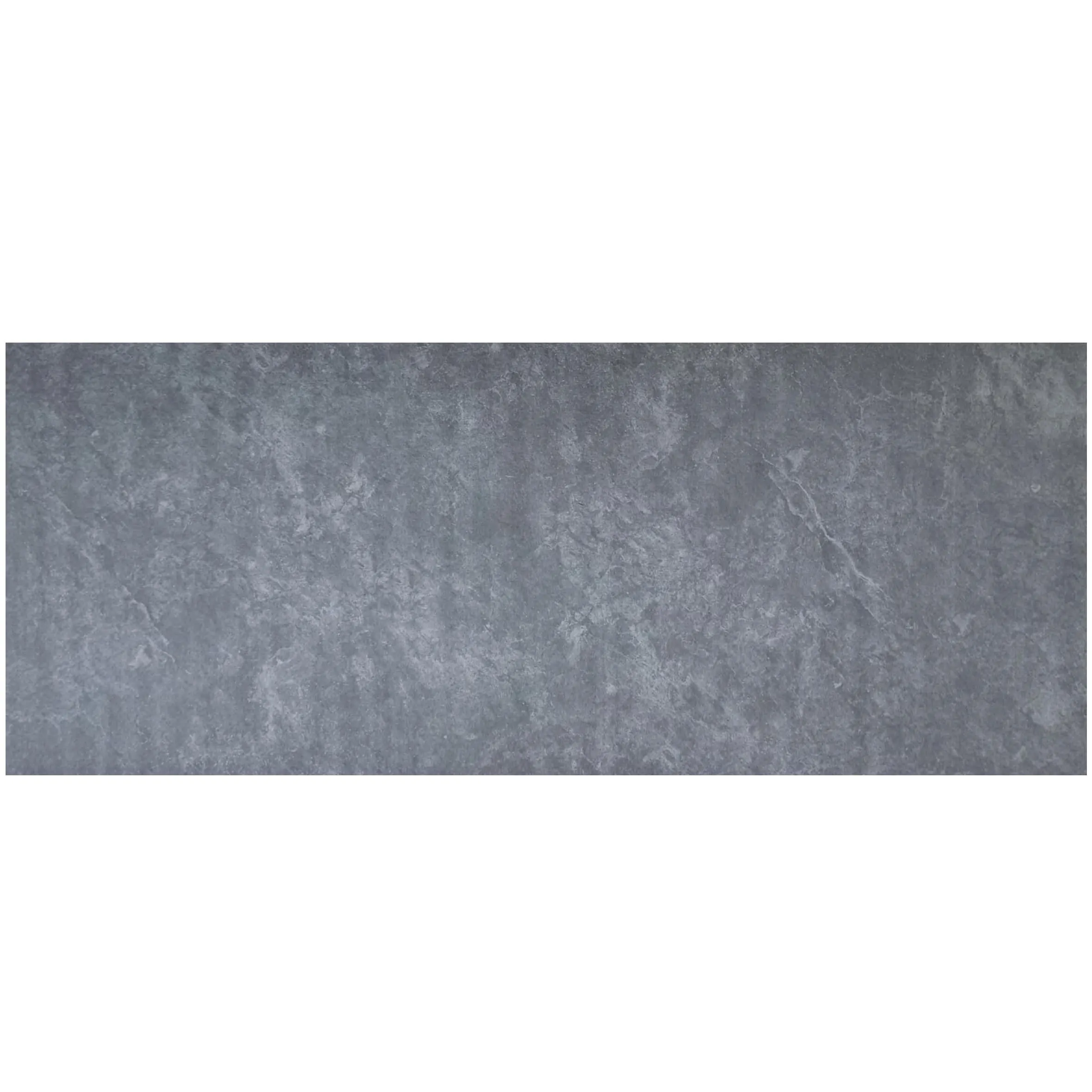
Saudi Arabia's skyline is evolving faster than ever. From the futuristic towers of Riyadh to the coastal gems of Jeddah, the kingdom is embracing bold design and innovative materials to redefine modern living and public space. At the heart of this transformation lies a quiet revolution in construction materials—ones that blend durability, aesthetics, and cultural resonance. Among these, Marble Interstellar Gray has emerged as a standout, celebrated for its ability to balance timeless elegance with contemporary edge. But it's not alone. Materials like MCM flexible stone, fair-faced concrete, and Lunar Peak Silvery are joining forces to create spaces that feel both rooted in Saudi heritage and ready for the future. Let's step into four projects where these materials have turned architectural visions into community treasures.
Tucked between Riyadh's bustling business district and a historic residential neighborhood, Al-Majd Cultural Center was designed to bridge generations. The client's brief was clear: create a space that honors Saudi Arabia's rich cultural legacy while inspiring young creatives. Enter architect Lina Al-Saud, who turned to Marble Interstellar Gray as the project's backbone.
"Marble Interstellar Gray isn't just a surface—it's a storyteller," says Al-Saud, standing in the center's main hall. The walls here are clad in large slabs of the material, their deep gray base flecked with silver and charcoal veining that mimics the night sky over the Arabian Desert. "We wanted visitors to feel a connection to the land, even in an urban setting. The stone's natural patterns evoke the way starlight dances on sand dunes at night."
But beauty alone wouldn't cut it. Riyadh's scorching summers (temperatures often exceed 45°C) demand materials that can withstand heat and humidity. That's where MCM flexible stone came into play. Used for the center's exterior cladding, the lightweight, flexible material reduced installation time by 30% compared to traditional stone, a critical factor given the project's tight timeline. "We had to work during the hottest months, and MCM's durability meant we didn't have to worry about cracking or warping," explains site engineer Kareem Hassan. "Plus, its matte finish reflects sunlight, keeping the building cooler inside—no small feat in Riyadh."
The result? A cultural hub that's become a neighborhood staple. Local artist Amina Fahad, who teaches calligraphy workshops at the center, notes, "The walls feel alive. When the afternoon light streams through the skylights, the Marble Interstellar Gray shifts color, and suddenly the room feels like a cave of stars. My students say it helps them focus—it's like creating art under the night sky."
"Before Al-Majd, this area was just offices and traffic. Now, kids play in the courtyard, families attend poetry nights, and artists collaborate. The materials didn't just build a building—they built a community." — Omar Al-Zahrani, local resident and frequent visitor.

Jeddah's waterfront has long been a beloved spot for locals, but by 2022, the aging promenade was in need of a refresh. The goal? Transform a underused stretch of coastline into a vibrant public space that celebrates Jeddah's identity as a port city. The design team, led by urban planner Ahmed Khalid, looked to the Red Sea for inspiration—and found their answer in Lunar Peak Silvery and fair-faced concrete.
"Jeddah is all about contrast—the sea, the sky, the desert," says Khalid, gesturing toward the promenade's main walkway. Here, fair-faced concrete benches line the path, their raw, unpolished texture echoing the ruggedness of coastal cliffs. Above them, a series of pavilions feature Lunar Peak Silvery facades, their metallic sheen catching the sunlight like waves. "Lunar Peak Silvery was a game-changer," Khalid adds. "It's reflective but not flashy, mirroring the sea during the day and the moon at night. It feels like the promenade is in constant conversation with its surroundings."
Durability was non-negotiable. The promenade sees thousands of visitors daily, from families with strollers to joggers and street vendors. Fair-faced concrete, chosen for its low maintenance and resistance to saltwater spray, has held up beautifully. "We expected some wear and tear, but a year in, the benches still look brand-new," says maintenance supervisor Fatima Ali. "Even the seagulls haven't left a mark!"
The promenade's success lies in its inclusivity. Near the children's play area, a mural painted on Marble Interstellar Gray panels depicts Jeddah's maritime history, with local schoolkids contributing to the design. "My daughter, Leila, helped paint the section with dhows [traditional boats]," says parent Hani Mohammed. "Now she insists we visit every weekend to 'check on her stone.' That's the magic of these materials—they make people feel ownership."
| Project | Location | Key Materials | Design Goal | Community Impact |
|---|---|---|---|---|
| Al-Majd Cultural Center | Riyadh | Marble Interstellar Gray, MCM flexible stone | Bridge cultural heritage and modern creativity | 30% increase in local youth participation in arts programs |
| Jeddah Waterfront Promenade | Jeddah | Lunar Peak Silvery, fair-faced concrete, Marble Interstellar Gray (mural) | Create a coastal hub for all ages | Weekend foot traffic up by 150% since opening |
| Al-Noor Residential Complex, Dammam | Dammam | Marble Interstellar Gray, MCM flexible stone, Lunar Peak Silvery | Offer affordable luxury with low upkeep | 95% tenant satisfaction rate; waiting list of 200+ families |
| King Abdullah Environmental Park, Taif | Taif | Fair-faced concrete, Travertine (starry blue), MCM flexible stone | Blend sustainability with educational value | 10,000+ students visited in first 6 months for eco-workshops |

In Dammam, a city known for its tight-knit communities and family-centric values, developers faced a challenge: build affordable housing that didn't compromise on quality or style. Al-Noor Residential Complex, a 12-building development with 450 units, was their solution—and it leaned heavily on Marble Interstellar Gray and MCM flexible stone to deliver.
"Families here want homes that feel special, not just functional," says project manager Salem Ibrahim. "Marble Interstellar Gray was the perfect fit for the lobby and common areas. It's elegant but not ostentatious, and it's surprisingly easy to clean—critical when you have kids running around with ice cream cones!" The stone's neutral palette also allowed interior designers to add pops of color through textiles and local art, creating spaces that feel personalized.
For the exteriors, MCM flexible stone and Lunar Peak Silvery worked in tandem. The MCM panels, in a warm beige tone, complement the Lunar Peak Silvery accents on balconies and window frames, giving the complex a cohesive, modern look. "We wanted the buildings to stand out but not clash with the neighborhood," Ibrahim explains. "The combination of materials creates a rhythm—like a well-composed song."
The impact on residents has been profound. Fatima Al-Khalid, a mother of three who moved into Al-Noor last year, says, "Before, our old apartment had chipped paint and drafty windows. Here, the walls feel solid, the common areas are bright, and my kids love the Lunar Peak Silvery railings—they call them 'space bars' because they shine like metal from a rocket ship!" The complex's affordability, paired with its high-end finishes, has made it a model for future residential projects in the region.

Taif, nestled in the Sarawat Mountains, is known for its cooler climate and lush landscapes. King Abdullah Environmental Park, a 50-acre green space, was designed to educate visitors about sustainability while providing a serene escape from city life. Here, materials like fair-faced concrete, Travertine (starry blue), and MCM flexible stone took center stage—proving that eco-friendly can also be visually stunning.
"We wanted every element to teach a lesson," says landscape architect Noha Hassan. "Fair-faced concrete, for example, was chosen because it's made with locally sourced aggregates, reducing carbon emissions from transportation. And the Travertine (starry blue) in the water feature? It's porous, so rainwater filters through it to irrigate the park's native plants. The kids don't just splash around—they're learning about water conservation without even realizing it."
The park's most Instagram-worthy spot? A winding path lined with MCM flexible stone in earthy tones, leading to a lookout point with panoramic views of the mountains. "MCM was a no-brainer here," says Hassan. "It's lightweight, so we could install it on the sloped terrain without heavy machinery, minimizing disruption to the existing ecosystem. Plus, its texture—rough yet smooth—feels like walking on polished river stones, connecting visitors to nature."
Local schools have embraced the park as an outdoor classroom. "My students love the Travertine (starry blue) water feature," says science teacher Mr. Ahmed. "We did a lesson on permeability, and they got to pour water on the stone and watch it disappear—then track where it goes using the park's irrigation map. It's hands-on learning, and the materials make it fun."
"The park isn't just for kids, though. I come here every morning to walk, and the fair-faced concrete benches are my favorite spot. They're cool even on hot days, and the way the light hits them at sunrise—warm gold on gray—it's like the stone is breathing. It makes you appreciate the little things." — Um Abdullah, Taif resident.
These projects tell a bigger story: Saudi Arabia's design revolution isn't just about buildings—it's about people. Marble Interstellar Gray, MCM flexible stone, fair-faced concrete, and Lunar Peak Silvery are more than materials; they're tools that architects, developers, and communities are using to shape a future that's both ambitious and grounded. As the kingdom continues to grow, these success stories serve as a reminder that the best design is one that listens—to the land, to the climate, and to the people who call these spaces home.
What's next? Early talks are underway for a new tech campus in NEOM that will pair Marble Interstellar Gray with cutting-edge smart materials, and a public market in Mecca that plans to use MCM flexible stone to honor traditional Najdi architecture. One thing's for sure: in Saudi Arabia, the future of building is bright—and it's wearing some very stylish stone.
Recommend Products












