
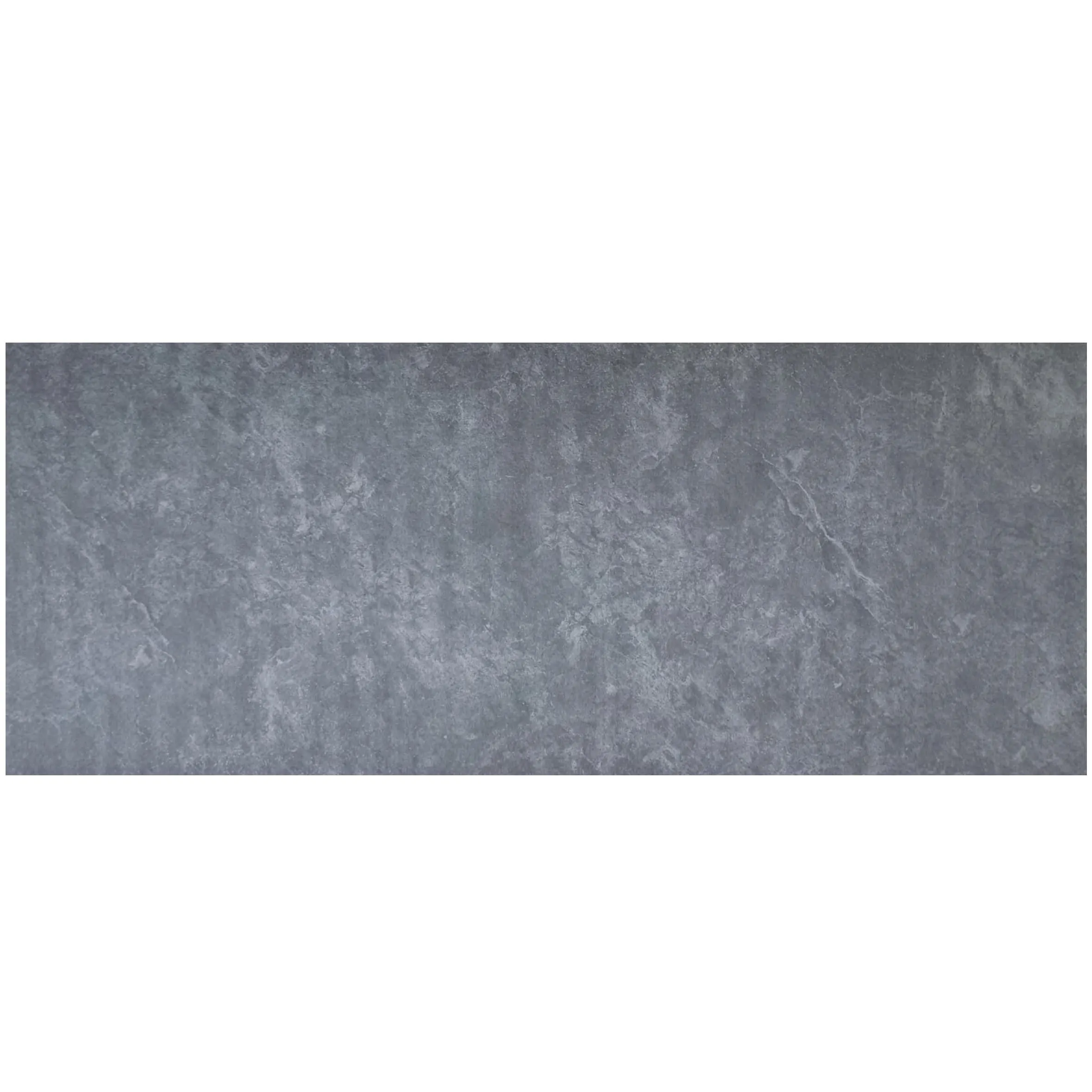
In the world of architecture and interior design, materials are more than just building blocks—they're storytellers. They shape how we experience spaces, evoke emotions, and leave lasting impressions. Among the innovative materials redefining modern design, MCM (Modified Composite Material) panels stand out for their ability to merge durability with artistic expression. And within this family, Marble Interstellar Gray has emerged as a quiet revolutionary, blending the timeless elegance of natural stone with the cutting-edge flexibility of engineered composites. Let's dive into the heart of these panels: their composition, the craftsmanship behind their creation, and why they're becoming a favorite among designers and architects worldwide.
Before we zoom in on Marble Interstellar Gray, let's set the stage: MCM panels are a class of advanced building materials designed to mimic the look and feel of natural stone, wood, or concrete—without the weight, fragility, or environmental impact of their traditional counterparts. Short for Modified Composite Material, MCM is a hybrid of mineral aggregates, polymers, and reinforcing fibers, engineered to be lightweight, flexible, and incredibly durable. Think of them as the design world's multitaskers: they can clad skyscrapers, adorn restaurant walls, or add texture to residential facades, all while being easier to install and maintain than natural stone.
What makes MCM panels truly special is their versatility. Unlike solid marble or granite, which are heavy and prone to cracking, MCM panels bend without breaking, making them ideal for curved surfaces or complex architectural details. And with finishes ranging from rough-hewn stone to polished concrete, they cater to every aesthetic—including the celestial allure of Marble Interstellar Gray .

At first glance, Marble Interstellar Gray might fool you into thinking it's quarried from a distant mountain, its surface swirled with the soft grays and silvery veining of natural marble. But look closer, and you'll discover a material crafted with precision, where science meets art. Let's break down its core components:
The base of Marble Interstellar Gray is a blend of high-quality mineral aggregates—think crushed marble dust, quartz, and feldspar. These particles are sourced from sustainable quarries, ensuring that the panel retains the authentic texture and color depth of natural stone. The aggregates are carefully selected for their size and shape: fine particles create a smooth, polished finish, while coarser grains add tactile depth, like the subtle crunch of gravel underfoot.
To transform rigid stone dust into a flexible material, MCM panels rely on polymer resins—typically acrylic or polypropylene. These resins act as a binding agent, holding the mineral aggregates together while adding elasticity. This is where MCM flexible stone gets its name: the resin matrix allows the panel to bend up to 90 degrees without cracking, a feat impossible with solid marble. It's this flexibility that makes Marble Interstellar Gray suitable for everything from flat walls to curved columns or undulating facade designs.
To boost tensile strength (resistance to stretching or tearing), manufacturers add reinforcing fibers—often glass fibers or carbon fibers—to the mix. These fibers act like tiny skeletons within the panel, ensuring it can withstand harsh weather, impacts, and the test of time. Imagine a spider's web: delicate-looking but surprisingly strong. That's the role of these fibers in Marble Interstellar Gray, balancing lightness with resilience.
The "interstellar" in Marble Interstellar Gray isn't just a marketing term—it's a result of precision pigment blending. Titanium dioxide and iron oxides are added to the mineral-resin mix to create the panel's signature soft gray base, while metallic pigments (like aluminum powder) give it that subtle, starry shimmer, mimicking the way moonlight reflects off a bed of stones. UV stabilizers are also mixed in to prevent fading, ensuring that even after years in direct sunlight, the panel's color remains as vivid as the day it was installed.
Fun Fact: Unlike natural marble, which varies wildly in color and veining (making consistency a challenge for large projects), Marble Interstellar Gray is engineered for uniformity. That means you can clad an entire building facade or a sprawling restaurant wall with panels that match seamlessly—no more hunting for "perfect" slabs.

Creating Marble Interstellar Gray MCM panels is a journey that starts with raw ingredients and ends with a material ready to transform spaces. It's a process that combines old-world craftsmanship with cutting-edge technology, and every step is critical to achieving that perfect balance of beauty and performance. Let's walk through it step by step.
The process begins with selecting the finest mineral aggregates. For Marble Interstellar Gray, this means marble dust and quartz particles sourced from ethical suppliers, ensuring minimal environmental impact. These aggregates are washed, dried, and sieved to remove impurities—think of it as preparing a canvas before painting. Any debris or uneven particles could mar the final texture, so precision here is key.
Next, the polymer resins are mixed with pigments (the gray base and silvery veining for that interstellar look) and additives like UV stabilizers and fire-retardant chemicals. This mixture is tested for consistency: too runny, and the panel won't hold its shape; too thick, and it won't spread evenly. It's a bit like baking a cake—get the batter right, and the rest follows.
Once the resin-mineral mix is perfected, it's time to create the "green sheet"—the raw, uncured panel. This is where MCM 3D printing series technology often comes into play, though traditional casting methods are still used for certain textures. In 3D printing, the mixture is extruded layer by layer onto a conveyor belt, guided by computer-aided design (CAD) models that ensure precise thickness and texture. For Marble Interstellar Gray, the 3D printer mimics the random, organic veining of natural marble, depositing slightly darker or lighter resin in patterns that evoke the night sky.
Alternatively, in casting, the mixture is poured into molds etched with the desired texture (think of a rubber stamp for stone). The mold imprints the panel with the rough, tactile surface of marble, complete with tiny pits and grooves that catch light and shadow—exactly the details that make natural stone so visually rich.
After forming, the green sheet is passed through a curing oven, where heat (typically 120–150°C) activates the polymer resins, causing them to harden and bond with the mineral aggregates. This is the "setting" phase, where the panel transitions from a malleable mixture to a rigid sheet—though still flexible enough to handle. It's during this step that the reinforcing fibers are often added, either embedded into the sheet or layered on top, to boost strength.
Once cured, the panels are trimmed to size. For MCM big slab board series options, this might mean cutting sheets up to 3 meters long, perfect for large-scale projects where fewer seams mean a cleaner look. Smaller panels (like those used for accent walls) are cut into more manageable sizes, often 600x1200mm or 800x1600mm.
The finishing touch? A protective coating. Most Marble Interstellar Gray panels receive a clear, water-based sealant that enhances their color, repels stains, and makes cleaning a breeze. Some versions also get a matte or semi-gloss topcoat, depending on the desired look—matte for a soft, understated vibe, semi-gloss for a hint of modern elegance.
Before leaving the factory, every panel undergoes rigorous testing. Technicians check for thickness consistency, flexural strength (can it bend without breaking?), color uniformity, and resistance to water, fire, and UV rays. A panel that fails any test is rejected—no exceptions. This commitment to quality is why MCM panels like Marble Interstellar Gray are trusted for high-profile projects, from luxury hotels to corporate headquarters.

Now that we understand what goes into making these panels, let's talk about why designers can't get enough of Marble Interstellar Gray. It's not just about looks—though its celestial aesthetic certainly helps. Here are the key features that set it apart:
| Feature | What It Means for Designers & Builders |
|---|---|
| Lightweight | Weighs just 3–5 kg per square meter (compared to 20–30 kg for natural marble), reducing structural load and making installation faster and safer. |
| Flexible | Can bend up to 5mm per meter without cracking, ideal for curved walls, columns, or custom architectural shapes. |
| Weather-Resistant | Withstands rain, snow, UV rays, and extreme temperatures (-40°C to 80°C), making it suitable for both indoor and outdoor use. |
| Low Maintenance | Resistant to stains, mold, and mildew; a quick wipe with soap and water is all it needs to stay looking new. |
| Eco-Friendly | Uses recycled mineral aggregates and low-VOC resins, with a manufacturing process that produces less waste than quarrying natural stone. |
But perhaps the most compelling feature is its versatility. Pair it with fair-faced concrete for an industrial-chic vibe, or with warm woods for a cozy, modern home. Use it as a backsplash in a kitchen to add subtle texture, or clad an entire office lobby to create a sense of calm sophistication. Its neutral palette—soft grays with silvery highlights—acts as a blank canvas, complementing bold accents or letting other design elements shine.
In downtown Chicago, a boutique hotel recently renovated its rooftop lounge, aptly named "The Starlight Lounge." The design team chose Marble Interstellar Gray MCM panels for the bar front and accent walls, pairing them with warm brass fixtures and low, ambient lighting. The result? A space that feels both intimate and expansive, where the panel's silvery veining catches the light like distant stars. "It's like bringing the night sky indoors," says lead designer Mia Chen. "Guests keep asking if it's real marble, and when we tell them it's MCM, they're shocked—it looks and feels so authentic."

Marble Interstellar Gray is just one star in the MCM galaxy. The family includes a range of textures and finishes to suit every design vision, from the earthy warmth of wood grain board to the sleek modernity of polish concrete , and even the rustic charm of rust board granite . For those craving bold color, there's travertine (starry red) or rona yellow ; for minimalists, slate veil white or fair-faced concrete offers understated elegance.
And with innovations like the MCM 3D printing series , the possibilities are expanding. Imagine a facade printed with custom textures, or a wall panel that mimics the ripples of a stream—all made possible by MCM's blend of technology and artistry. It's a material that grows with design trends, ensuring that architects and designers always have fresh tools to express their creativity.
As the world shifts toward sustainable, efficient building practices, materials like MCM panels are leading the way. They reduce the need for quarrying, lower transportation costs (thanks to their light weight), and extend the lifespan of buildings by resisting wear and tear. In a time when "green design" is no longer a trend but a necessity, MCM panels offer a path forward—one where beauty and responsibility coexist.
For designers, MCM panels are a source of freedom. They allow for bolder ideas, more complex shapes, and longer-lasting results, all without sacrificing aesthetics. And for homeowners or business owners, they mean spaces that feel luxurious, unique, and easy to love for years to come.
Marble Interstellar Gray MCM panels are more than just a building material—they're a testament to human ingenuity. They remind us that we don't have to choose between nature's beauty and modern technology; we can have both. Whether you're designing a cozy home, a towering skyscraper, or a community space, these panels invite you to tell a story—one of innovation, sustainability, and the quiet magic of a well-crafted surface.
So the next time you walk into a space clad in MCM, take a moment to appreciate the craftsmanship behind it. The mineral aggregates sourced from the earth, the polymers engineered for flexibility, the 3D printers that mimic nature's chaos—all coming together to create something new, something beautiful. In the end, that's what design is all about: finding harmony between the past and the future, and making spaces that feel truly alive.
Recommend Products












