
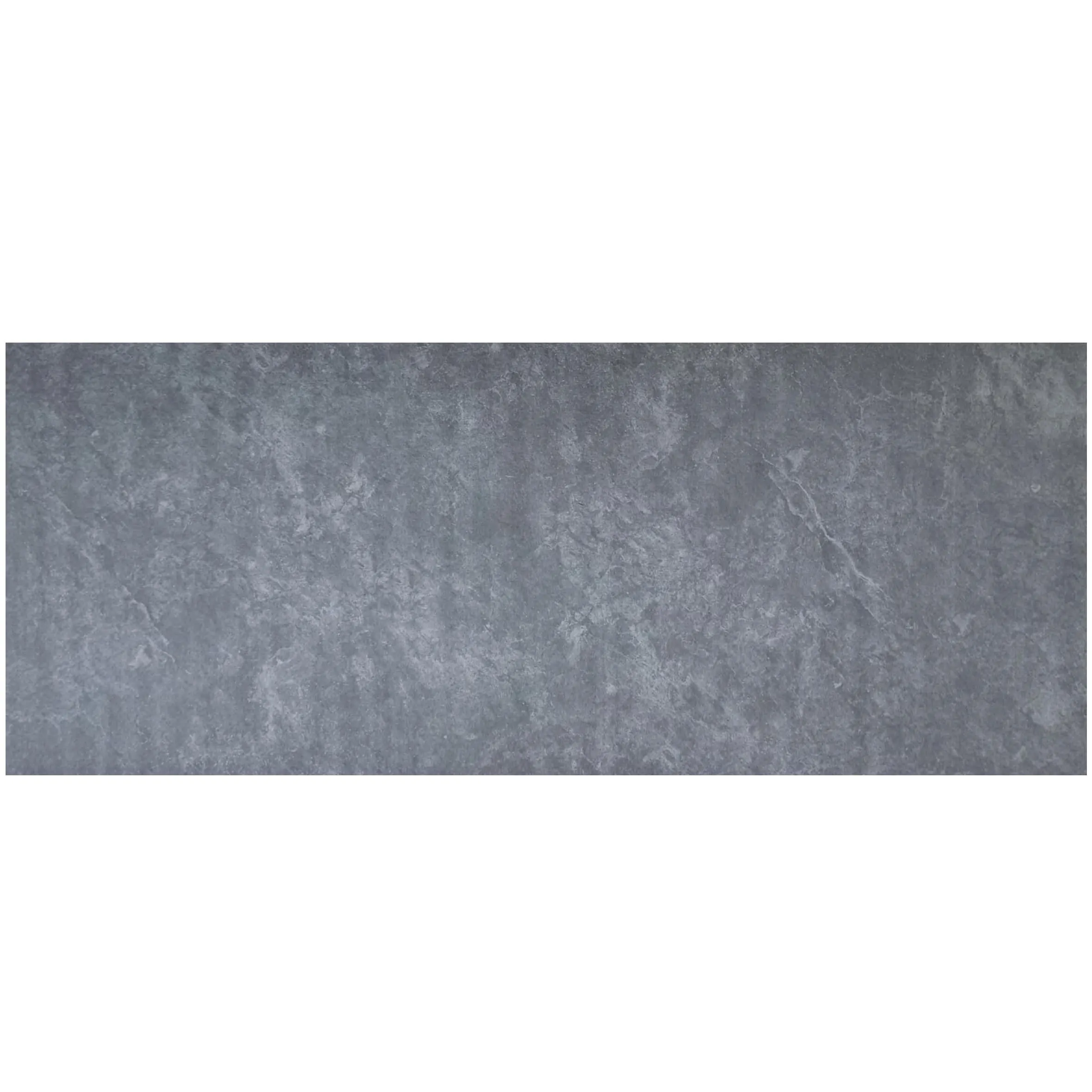
In the world of design, neutrals are the unsung heroes. They don't scream for attention like bold reds or vibrant blues, but they hold the space together—calm, versatile, and infinitely adaptable. Think of them as the canvas on which every other element shines: a pop of art, a lush plant, a textured rug. Neutral tones are timeless, too; they outlive trends, evolving with your style instead of clashing with it. Today, we're diving into two neutrals that have been turning heads in both residential and commercial design: the cosmic elegance of marble interstellar gray and the industrial charm of charcoal MCM . These aren't just materials—they're moods, each with the power to transform a room from ordinary to unforgettable. Let's explore what makes them special, and how to pick the one that speaks to your space.

If neutrals had a red carpet moment, marble interstellar gray would be the star. This isn't your average gray stone; it's a marble variant that feels like holding a piece of the night sky in your hands. Picture a soft, muted gray base—never harsh, never cold—swirled with delicate veins in lighter grays and whispers of white, as if someone sprinkled stardust across its surface. It's elegant without being stuffy, sophisticated without feeling unapproachable.
What truly sets marble interstellar gray apart is its ability to play with light. In a sunlit room, those subtle veins catch the glow, adding depth and warmth that many grays lack. Run your hand over a polished slab, and you'll feel the smooth, cool surface—cool to the touch but somehow inviting, like a stone that's been kissed by moonlight. For those who prefer a more understated look, a honed finish softens the shine, giving it a velvety texture that feels almost tactile, as if you could trace the veins with your fingertips.
This marble thrives in spaces where luxury meets comfort. Imagine a kitchen with marble interstellar gray countertops: the neutral base lets your wooden cabinets or brass hardware take center stage, while the stone itself adds a layer of quiet opulence. In bathrooms, it turns a functional space into a spa-like retreat—pair it with matte black fixtures and white towels, and suddenly you're stepping into a boutique hotel every morning. It's also a stunner as a feature wall in a living room, where its veining becomes art in itself, changing with the light throughout the day.
But like any luxury material, marble interstellar gray comes with trade-offs. Its beauty is timeless, but it's not indestructible. Acidic substances like lemon juice or vinegar can etch its surface, and it needs regular sealing to protect against stains. It's also a heavier material, which means installation requires professionals and may add to the cost. Yet for many, the investment is worth it. There's something about marble that feels permanent, like it's been part of human design for centuries—and in a world of fast trends, that kind of longevity is priceless.

If marble interstellar gray is the classic ballgown, charcoal MCM is the tailored leather jacket—edgy, modern, and full of personality. MCM, short for Modified Composite Material, is a relative newcomer to the design scene, but it's quickly gaining fans for its flexibility (both literal and metaphorical). Part of the MCM flexible stone series, charcoal MCM is a deep, rich charcoal hue that leans into industrial aesthetics without feeling cold.
Unlike marble, which is quarried from the earth, MCM is engineered to be lightweight and adaptable. That means it can bend, curve, and cling to surfaces that traditional stone can't—think accent walls with organic shapes, or exterior facades that wrap around a building's angles. Its texture is where it really shines: unlike the smoothness of marble, charcoal MCM often has a matte, slightly rough finish that feels intentional, like it's been weathered by time but still holds strong. Some variants even mimic the look of wood grain board or aged concrete, adding layers of visual interest without the weight or cost of the real thing.
Walk into a café or co-working space clad in charcoal MCM, and you'll immediately feel its vibe: warm, welcoming, and unapologetically modern. It pairs beautifully with raw materials like exposed brick or metal, but it's also surprisingly versatile—dress it up with warm lighting and plush textiles, and suddenly that industrial edge softens into something cozy. It's a favorite for commercial spaces because it's durable enough to handle heavy foot traffic, but homeowners are catching on too—using it for fireplace surrounds, backsplashes, or even custom furniture pieces.
The perks of charcoal MCM are hard to ignore. It's significantly more affordable than natural stone, making it accessible for budget-conscious projects. Its lightweight nature cuts down on installation time and costs, and it's low-maintenance—no sealing required, just a quick wipe with a damp cloth to keep it looking fresh. Plus, because it's a composite, it's often more eco-friendly than quarried stone, using recycled materials in its production.
Of course, it's not for everyone. If you're after the ultra-luxe feel of natural marble, MCM might feel "too casual." It also has limitations in direct sunlight—some variants can fade over time if exposed to harsh UV rays, so it's best suited for indoor use or shaded exteriors. But for those who love the look of industrial chic with a modern twist, charcoal MCM is a game-changer.

While marble interstellar gray and charcoal MCM are standout stars, the neutral family is vast and varied. Let's take a quick detour to meet a few more members of the club—they might just be the perfect sidekick to your main choice, or even steal the show entirely.
Fair-faced concrete is the minimalist's dream. Raw, unpolished, and full of character, it's the epitome of "less is more." Its soft gray tones and subtle texture add warmth to industrial spaces, and it pairs beautifully with both marble (for contrast) and MCM (for a monochromatic look). It's durable, affordable, and ages gracefully—developing a patina over time that feels lived-in and authentic.
Wood grain board , though not a stone or composite, deserves a spot in the neutral conversation. Its warm undertones—beige, taupe, light brown—balance out cooler grays and charcoals, adding a touch of nature to modern spaces. Imagine a wall of charcoal MCM next to a wood grain board accent—suddenly, the industrial edge softens, and the room feels grounded. It's versatile, too: use it for cabinetry, flooring, or even ceiling panels to add depth without color.

| Feature | Marble Interstellar Gray | Charcoal MCM |
|---|---|---|
| Color Palette | Soft gray base with subtle white/light gray veining; resembles stardust or cosmic clouds. | Deep charcoal with matte finish; may have undertones of brown or black for warmth. |
| Texture Options | Polished (shiny, reflective) or honed (matte, velvety); smooth to the touch. | Matte, slightly rough; can mimic wood grain, concrete, or stone textures. |
| Durability | Highly durable but prone to etching from acids and staining; requires sealing. | Durable and scratch-resistant; resistant to moisture and stains (no sealing needed). |
| Maintenance Needs | Regular sealing (every 6–12 months); avoid acidic cleaners; blot spills immediately. | Low maintenance: wipe clean with mild soap and water; no sealing required. |
| Cost Range | High-end: $8–$15 per square foot (material only); installation adds $5–$10/sq ft. | Mid-range: $3–$7 per square foot (material only); installation is $2–$5/sq ft (due to lightweight). |
| Best For Spaces | High-end residential (kitchens, bathrooms, feature walls); luxury commercial (hotels, boutiques). | Industrial/commercial spaces (cafés, offices); modern homes (fireplaces, backsplashes, exteriors). |
| Style Compatibility | Classic, elegant, minimalist, luxury contemporary. | Industrial, modern, rustic-modern, urban chic. |
So, how do you decide between marble interstellar gray and charcoal MCM? It all comes down to your space, your style, and your lifestyle. Here's a breakdown to help you narrow it down:
Consider the room's purpose. Is it a high-traffic area like a kitchen or entryway? Charcoal MCM's durability might be the safer bet. If it's a low-traffic, high-luxury space like a master bathroom or formal dining room, marble interstellar gray's elegance will shine.
Think about light. Marble reflects light, making small or dark rooms feel larger and brighter. Charcoal MCM absorbs light, which can make a space feel cozier but might overwhelm a tiny room. If your space has limited natural light, marble could be the better choice to keep things airy.
Your design style. Do you lean into classic elegance, or do you prefer modern, edgy aesthetics? Marble interstellar gray feels timeless and luxurious, while charcoal MCM is all about contemporary cool. If you love mixing styles, consider using both—marble for countertops and MCM for a feature wall, for example.
Budget matters. Be honest about what you can spend. Marble is an investment that adds value to your home, but MCM lets you achieve a high-end look without breaking the bank. If cost is a concern, MCM is the clear winner.
Maintenance commitment. Are you the type to stay on top of sealing and careful cleaning? Marble rewards that effort with lasting beauty. If you'd rather spend your weekends relaxing than maintaining surfaces, MCM's low-maintenance nature will be a relief.
At the end of the day, there's no "better" choice between marble interstellar gray and charcoal MCM—only the one that feels right for you. Neutrals are about creating a foundation that reflects who you are and how you live. Marble interstellar gray whispers of timeless elegance, a connection to the earth's natural beauty. Charcoal MCM shouts of progress, flexibility, and the excitement of modern design. And when paired with other neutrals like fair-faced concrete or wood grain board, they become part of a larger story—a tapestry of textures and tones that make a house feel like a home, or a commercial space feel like a destination.
So go ahead, touch the samples, imagine the light streaming in, and listen to what your space is telling you. Whether you choose the cosmic calm of marble or the industrial charm of MCM, you're not just picking a material—you're choosing the mood that will welcome you home every day. And that's the real magic of neutrals: they don't just fill a space—they make it feel like yours.
Recommend Products












