
Walk into any well-designed space, and you'll notice it's not just the furniture or lighting that catches your eye—it's the materials. The cool touch of a countertop, the warm grain of a wall panel, the subtle sheen of a floor tile—these elements don't just fill a room; they shape how we feel in it. Today, we're diving into two materials that have been stealing the spotlight in interior and exterior design: Marble Interstellar Gray and Limestone (Beige) . Both bring unique personalities to the table, but choosing between them can feel like picking between a starry night and a sunlit meadow. Let's break down their stories, their strengths, and how they might just be the missing piece in your next project.
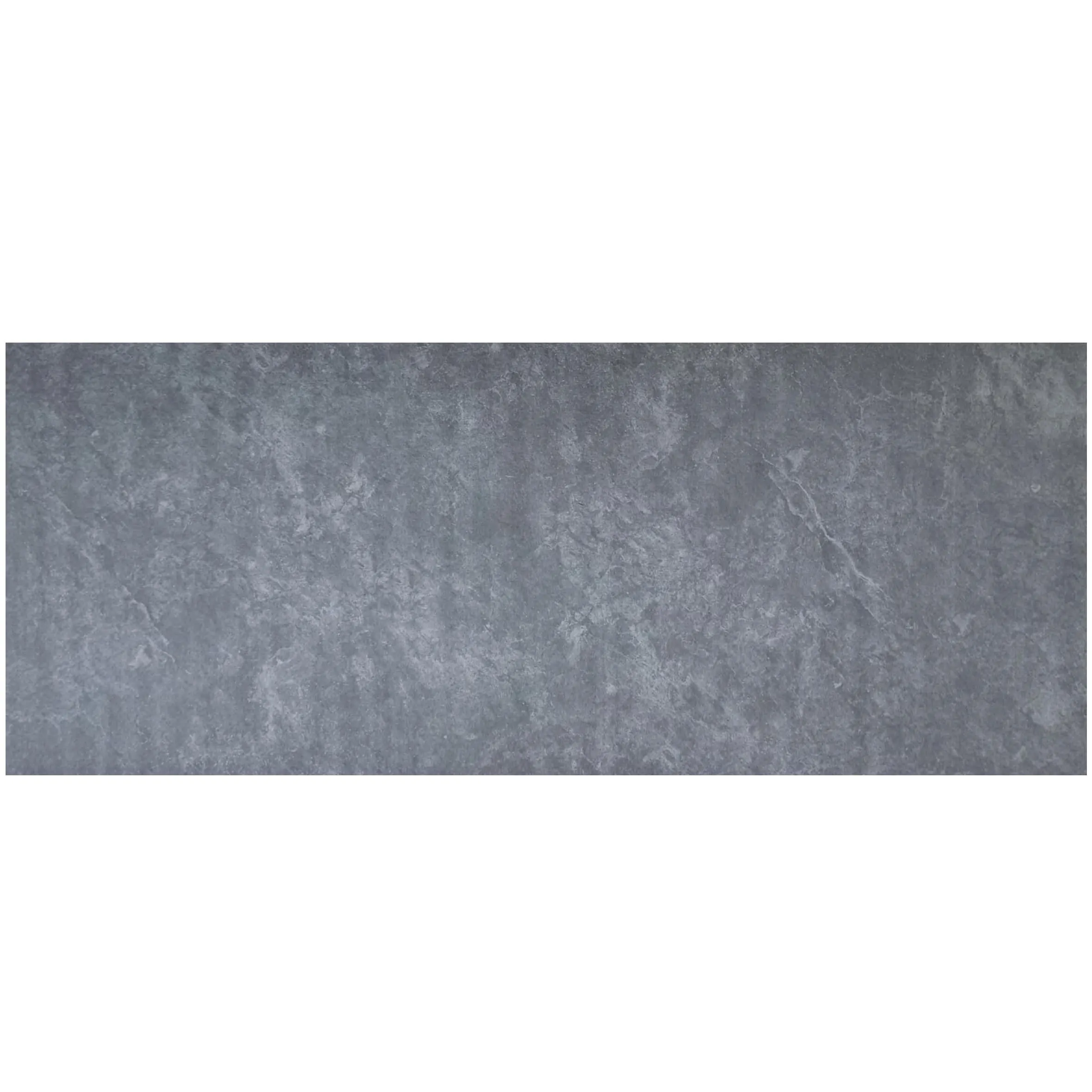
First up: Marble Interstellar Gray. If you've ever stood outside on a clear night and stared up at the stars, you'll understand why this material gets its name. It's not your average marble—this one feels like a piece of the cosmos was chiseled into stone. Picture a deep, moody gray base, swirled with lighter veins that twist and turn like distant galaxies. Some slabs have thin, silvery lines that catch the light; others have thicker, cloud-like streaks that add depth. It's marble, yes, but with a modern edge that feels both timeless and futuristic.
What makes Marble Interstellar Gray so captivating? It's all in the contrast. The dark gray backdrop is rich and grounding, but those veins—they're the showstoppers. Run your hand over a polished slab, and you'll feel the smooth, almost glass-like finish that reflects light in unexpected ways. In a sunlit room, it shimmers softly; under warm overhead lights, it takes on a cozy, intimate glow. It's versatile, too: pair it with crisp white walls for a high-contrast modern look, or with warm woods to soften its coolness. Imagine a kitchen island wrapped in this marble—suddenly, meal prep doesn't feel like a chore; it feels like creating art.
Now, let's talk practicality. Marble is known for being porous, and Interstellar Gray is no exception. But here's the thing: modern sealing technology has come a long way. A good sealant will protect it from stains (think coffee spills or red wine) and make cleaning a breeze—just a quick wipe with a damp cloth. It's durable enough for high-traffic areas like floors or countertops, though it's not invincible. drop a heavy pot on it, and you might get a chip (but honestly, what material wouldn't?). Its real superpower? Heat resistance. A hot pan straight from the stove? No problem. Just avoid acidic cleaners, which can etch the surface over time.
Where does it shine brightest? Feature walls in a minimalist living room, bathroom vanities that turn a daily routine into a spa experience, or even exterior cladding for a home that wants to make a statement. It's bold, but not overwhelming—perfect for anyone who wants their space to feel curated and intentional.

If Marble Interstellar Gray is the night sky, Limestone (Beige) is the morning sun filtering through old oak trees. It's soft, earthy, and full of character. Limestone itself is a sedimentary rock, formed over millions of years from the accumulation of marine organisms—so each slab carries a piece of history. The beige variant? It's like holding a handful of warm sand or walking on a sun-baked desert floor. Its color ranges from pale ivory to deep taupe, with subtle variations that make every piece one-of-a-kind.
Limestone (Beige) doesn't scream for attention—it invites it. Unlike the polished sheen of marble, limestone often has a honed or matte finish that feels tactile and organic. Run your fingers across it, and you might feel tiny pits or fossilized imprints (yes, really!) that tell the story of its formation. The veining here is softer, too—more like gentle ripples in a pond than bold strokes. It's the kind of material that makes a space feel lived-in and welcoming, like a cabin in the woods or a sunlit cottage in the countryside.
Pair it with Wood Grain Board , and you've got a match made in design heaven. The warm beige of the limestone complements the natural wood tones, creating a space that feels grounded and cozy. Or use it on walls with Fair-faced Concrete accents—the contrast between the soft stone and the raw concrete adds depth without feeling jarring. It's the chameleon of materials: it can lean rustic, coastal, or even modern, depending on how you style it.
Limestone is softer than marble, which means it's more prone to scratches and dents. But don't let that scare you—it's also surprisingly resilient. In low-traffic areas like bedroom walls or fireplace surrounds, it'll last for decades with minimal care. For high-traffic spots like entryways or kitchen floors, opt for a sealed, honed finish (the matte surface hides scuffs better than polished). And yes, it's porous—so spills should be wiped up quickly to avoid staining. Think of it like a favorite sweater: it needs a little extra love, but the comfort it brings is worth it.
Where does Limestone (Beige) thrive? Anywhere you want to create a sense of calm. A bathroom with limestone walls feels like a spa retreat; a dining room with limestone flooring sets the stage for long, lazy meals with friends. It's also a star in exterior design—use it for a patio, and suddenly your backyard feels like an extension of your home, blending seamlessly with the natural world.

Choosing between Marble Interstellar Gray and Limestone (Beige) isn't about which is "better"—it's about which fits your vision. To make it easier, here's a quick breakdown:
| Aspect | Marble Interstellar Gray | Limestone (Beige) |
|---|---|---|
| Visual Vibe | Dramatic, modern, sophisticated—think starry nights and sleek city lofts. | Warm, organic, calming—like sunlit meadows and cozy cabins. |
| Durability | Harder than limestone; better for high-traffic areas with proper sealing. | Softer; ideal for low-to-medium traffic or areas with gentle use. |
| Maintenance | Moderate: Seal yearly, avoid acidic cleaners, wipe spills quickly. | Moderate to high: Seal every 6–12 months, avoid heavy impact, clean spills immediately. |
| Best For | Countertops, feature walls, modern kitchens, statement floors. | Bathrooms, bedrooms, living rooms, outdoor patios, rustic or coastal spaces. |
| Emotional Tone | Confident, bold, luxurious—makes a space feel curated and intentional. | Inviting, relaxed, timeless—makes a space feel like home. |

Here's a little secret: you don't have to choose just one. Some of the most stunning designs come from mixing materials. Imagine a kitchen with Marble Interstellar Gray countertops (for that sleek, modern look) and Limestone (Beige) backsplash tiles (to add warmth). The contrast between the dark gray and warm beige creates a space that's both bold and inviting. Or use both on walls—Marble Interstellar Gray on one accent wall, Limestone (Beige) on the others—to add depth without overwhelming the room.
And don't forget about other materials in the mix. Pair Marble Interstellar Gray with Fair-faced Concrete for an industrial-chic vibe, or with Wood Grain Board to soften its edge. For Limestone (Beige), try combining it with brass fixtures or black metal accents—the metallic touches add a modern twist to the natural stone. The possibilities are endless; the key is to let the materials tell a story together.

At the end of the day, Marble Interstellar Gray and Limestone (Beige) are more than just building materials—they're tools to create emotion. Marble Interstellar Gray says, "I'm bold, I'm modern, I'm unapologetically me." Limestone (Beige) says, "Come in, stay awhile, let's make memories." Which one resonates with you? Maybe it's both. Maybe it's neither, and you'll find yourself drawn to something else entirely—like the raw beauty of Fair-faced Concrete or the warmth of Wood Grain Board . Whatever you choose, remember: the best spaces are the ones that feel true to you. So go ahead, touch the stones, feel their textures, and let them guide you. Your perfect space is waiting.
Recommend Products












