
Beyond stone and concrete—how a new generation of building materials is redefining design possibilities
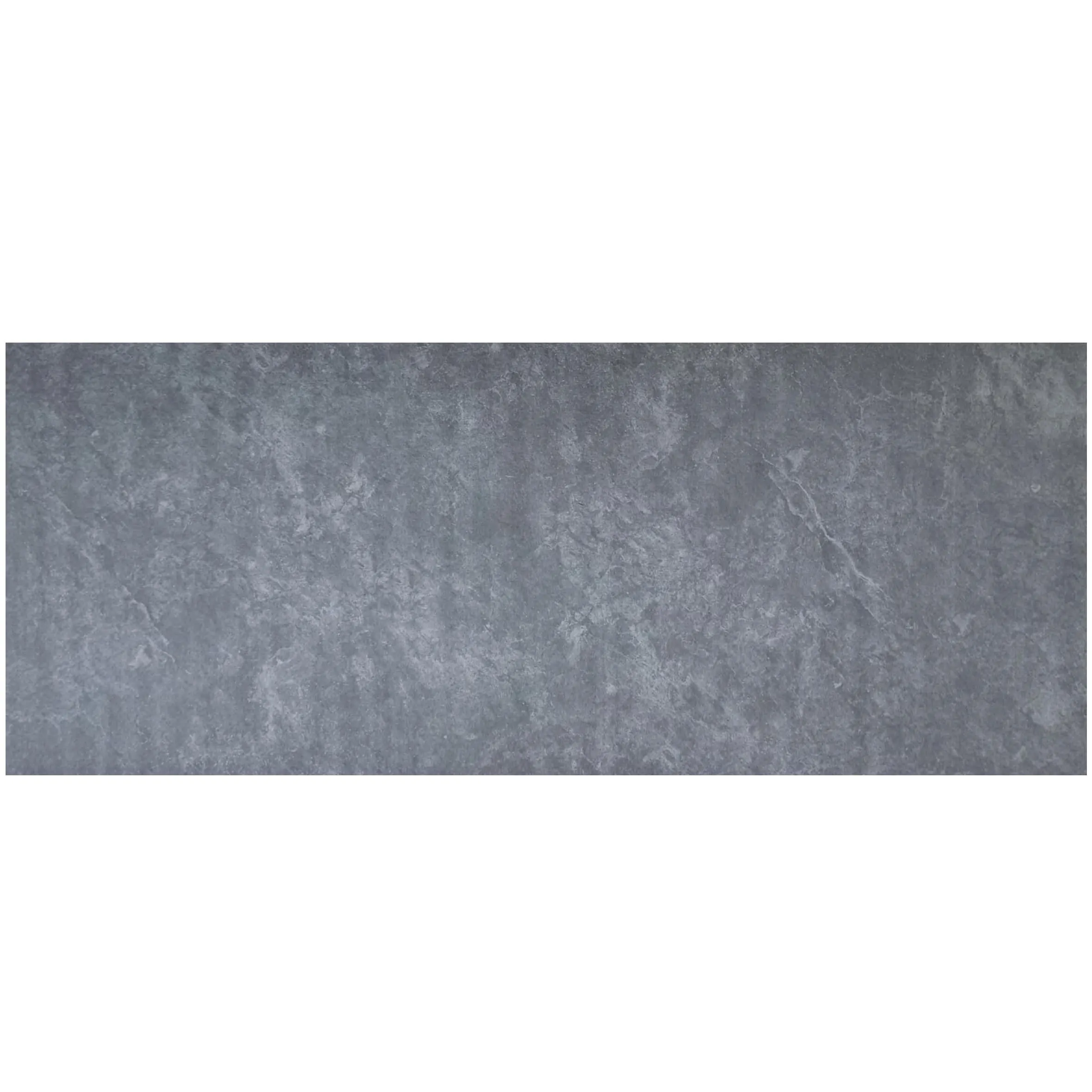
Walk into any modern space—a boutique hotel lobby, a cutting-edge office, or even a thoughtfully designed home—and you'll notice something different about the walls, floors, and facades. They're not just there to hold up a roof or separate rooms. They're telling stories. About the brand, the people who use the space, and even the planet we live on. In this shift from "just functional" to "meaningful," one material has been turning heads lately: Marble Interstellar Gray . Part of the broader family of MCM (Modified Composite Material) solutions, it's not just a building material—it's a bridge between nature's beauty and human ingenuity.
But before we dive into the specifics of those starry gray veins, let's take a step back. For decades, architects and designers have grappled with a trade-off: natural materials like marble or travertine offer unmatched beauty, but they're heavy, porous, and often resource-intensive to extract. Synthetic materials, on the other hand, can be durable and affordable, but they lack the warmth and character of the real thing. Enter MCM: a category of materials engineered to break that trade-off. Lightweight yet tough, flexible yet long-lasting, and designed to mimic the look of natural stone (or wood, or concrete) without the environmental footprint. And in this lineup, Marble Interstellar Gray isn't just a product—it's a statement.

Let's start with the obvious: the name. "Marble Interstellar Gray" isn't just marketing fluff. Run your hand over a panel, and you'll see why. The base is a deep, moody gray—think storm clouds at dusk—but what sets it apart is the veining. Thin, wispy threads of lighter gray and even subtle hints of silver weave through the surface, like cosmic dust floating across a starless sky. It's marble, but not as you know it. No harsh, uniform lines here; the pattern feels organic, almost alive, as if it was shaped by the same forces that form nebulas in space.
But here's the kicker: this "marble" isn't quarried from the earth. It's a modified composite material, crafted by blending natural minerals, recycled polymers, and advanced binders. The result? A panel that's 70% lighter than natural marble, water-resistant (no more panicking over spilled coffee on the lobby floor), and flexible enough to wrap around curved surfaces—something traditional stone would crack under. Imagine a museum with a sweeping, (curved) facade that shimmers like a galaxy; with Marble Interstellar Gray, that's not a pipe dream. It's a Tuesday afternoon design meeting.

Marble Interstellar Gray doesn't exist in a vacuum. It's part of a broader movement toward MCM flexible stone solutions—materials designed to adapt to the way we live and build today. Let's break down why this matters, beyond just pretty aesthetics:
Lightweight, but not light on durability: Traditional marble slabs can weigh upwards of 200 pounds per square meter. MCM panels? Closer to 15 pounds. That means easier transport (lower carbon emissions from shipping), simpler installation (no need for reinforced walls), and fewer safety risks on job sites. And don't let the weight fool you—these panels stand up to scratches, UV rays, and even extreme weather. A restaurant in Miami used Marble Interstellar Gray for its outdoor patio; after three hurricane seasons, it still looks as crisp as the day it was installed.
Flexibility = creativity unlocked: Ever tried to bend a marble slab? Spoiler: it doesn't end well. MCM flexible stone, though, can be curved, folded, or even shaped into 3D forms. Take the Wave Panel (another MCM favorite)—it's a rippled, undulating surface that mimics ocean waves, made possible only by the material's give. Pair that with Marble Interstellar Gray's cosmic vibe, and you've got a facade that looks like a wave crashing through a galaxy. Architects are calling it "sculptural architecture without the sculptural price tag."
Sustainability that doesn't feel like a compromise: Quarrying natural stone is resource-heavy—think tons of rock displaced, water used, and emissions from heavy machinery. MCM, by contrast, uses recycled materials (up to 30% in some formulations) and requires far less energy to produce. Plus, since it's non-porous, it doesn't need harsh sealants that off-gas chemicals into the air. For brands and homeowners alike, that's a win-win: beauty with a clear conscience.

| Feature | Traditional Natural Marble | MCM Marble Interstellar Gray |
|---|---|---|
| Weight (per sq. meter) | 150–200 kg | 12–15 kg |
| Porosity | High (prone to staining) | Low (water-resistant) |
| Installation Flexibility | Limited to flat surfaces; requires heavy machinery | Curved, 3D, or complex surfaces; lightweight tools |
| Environmental Impact | High (quarrying, transportation emissions) | Low (recycled materials, reduced shipping footprint) |
| Long-Term Cost | Higher (sealing, repairs, replacement) | Lower (minimal maintenance, durable) |

Marble Interstellar Gray is a standout, but it's just one member of a diverse family. The MCM lineup reads like a designer's dream board, with options to suit every aesthetic and project. Take travertine (starry blue) , for example. It's travertine reimagined: the classic pitted texture is there, but the base color is a deep, oceanic blue, with tiny, iridescent flecks that catch the light like bioluminescent plankton. A beachfront café in Bali used it for their accent wall, pairing it with driftwood furniture for a space that feels both grounded and otherworldly.
Or consider bamboo mat board —a nod to nature's simplicity. It mimics the look of woven bamboo, with warm, golden tones and a tactile texture that adds instant coziness. A co-working space in Tokyo mixed bamboo mat board with Marble Interstellar Gray: the bamboo added warmth to the open lounges, while the gray brought sophistication to the meeting rooms. The result? A space that feels both inviting and professional, like working in a forest that's been touched by a little stardust.
And let's not forget fair-faced concrete —the industrial chic darling. When paired with Marble Interstellar Gray, it's a match made in modern design heaven. The raw, unpolished concrete adds an edgy, utilitarian vibe, while the marble's soft veining warms it up, preventing the space from feeling cold or sterile. A boutique hotel in Berlin did just this: fair-faced concrete walls, Marble Interstellar Gray floors, and brass fixtures. The reviews? "Like staying in a spaceship that's been furnished with artisanal furniture."
At the end of the day, materials like Marble Interstellar Gray aren't just about specs and sustainability—they're about storytelling. A retail brand that wants to project innovation might choose it for their flagship store, letting the "interstellar" theme reinforce their forward-thinking vibe. A homeowner might pick travertine (starry blue) for their home theater, turning movie nights into a trip to a cosmic cinema. Even in commercial spaces, it's about creating an emotional connection: when a client walks into your office and pauses to run their hand over the wall, saying, "This feels different," that's the power of MCM.
Traditional building materials tell one story: "I am strong. I am old." MCM materials like Marble Interstellar Gray? They say, "I am adaptable. I am creative. I am part of your story." And in a world where experiences matter more than ever, that's the most innovative feature of all.
Marble Interstellar Gray is just the beginning. As MCM technology advances, we're seeing even wilder possibilities: panels that change color with temperature, surfaces embedded with subtle lighting, and textures that mimic everything from ancient stone to futuristic metal. But at its core, the movement isn't about chasing trends—it's about reimagining what a building can be: not just a structure, but a living, breathing part of our lives.
So the next time you walk into a space that makes you stop and stare, take a closer look at the walls. Chances are, it's not just marble or concrete. It might just be MCM—quietly revolutionizing how we build, one starry gray vein at a time.
Recommend Products












