
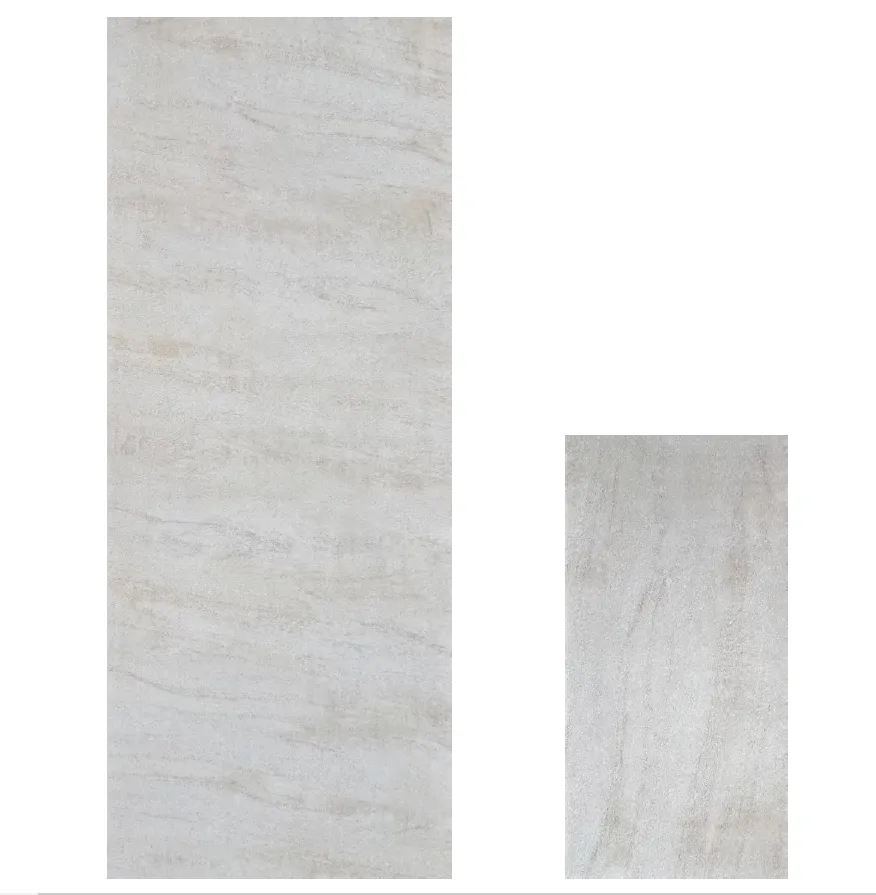
In the quiet hum of an architect's studio, sunlight slants through drafting tables cluttered with sketches of facades—some bold and modern, others soft and timeless. For years, the go-to choice for such designs has been imported natural stone: slabs quarried from distant mountains, polished to a high sheen, and shipped across oceans. But lately, a new material has been stealing the spotlight, not just for its beauty, but for the story it tells—a story of responsibility, innovation, and respect for the planet. That material is Marble Stream Stone, a name that evokes the gentle flow of a river over smooth pebbles, yet carries with it a revolution in sustainable design. Let's dive into why this emerging star is redefining what it means to build with intention.
Gone are the days when sustainability meant sacrificing aesthetics. Today's designers and homeowners crave materials that don't just look good, but do good—for the environment, for local economies, and for the longevity of the spaces we inhabit. Marble Stream Stone steps into this gap with grace, blending the organic allure of natural stone with a commitment to reducing our carbon footprint. It's not just a building material; it's a choice that echoes beyond the walls it adorns, a nod to a future where beauty and responsibility walk hand in hand.
At first glance, you might mistake Marble Stream Stone for its imported counterparts. Its surface ripples with subtle veins, mimicking the look of travertine or marble that's been shaped by centuries of water. Run a hand over it, and you'll feel the cool, tactile texture of stone—yet this material is anything but traditional. Developed as part of the broader MCM flexible stone family, Marble Stream Stone is a composite material engineered to capture the essence of natural stone while sidestepping the environmental and logistical pitfalls of importing quarried slabs.
The "stream" in its name isn't just poetic. The material's signature pattern—a soft, flowing network of lines and hues—draws inspiration from mountain streams, where water carves paths through rock, leaving behind a tapestry of texture and color. Unlike natural stone, which is mined in massive blocks and often requires extensive cutting (leading to waste), Marble Stream Stone is crafted using a blend of recycled stone aggregates, mineral pigments, and a durable binder that allows it to be formed into thin, lightweight panels. This process drastically reduces material waste and makes transportation and installation far more efficient.
The case for Marble Stream Stone begins with the planet. Imported natural stone has a heavy environmental toll: quarries disrupt local ecosystems, heavy machinery burns fossil fuels, and shipping slabs across continents adds thousands of miles to their carbon footprint. A single container of marble from Italy to the U.S., for example, emits approximately 2.5 tons of CO2—before the stone even reaches a construction site. Marble Stream Stone, by contrast, is often produced locally, using recycled materials and energy-efficient manufacturing processes. Its lightweight composition also slashes transportation emissions by up to 60% compared to traditional stone slabs.
But sustainability isn't just about reducing harm—it's about actively doing good. Many Marble Stream Stone manufacturers prioritize sourcing recycled aggregates from construction waste, diverting tons of debris from landfills each year. The material is also designed to be long-lasting, with a lifespan of 50+ years, meaning fewer replacements and less waste over time. For builders and homeowners aiming for green building certifications like LEED or BREEAM, this checks a crucial box: it's a material that aligns with both environmental goals and long-term durability.
Consider the story of a small renovation project in Portland, Oregon. A homeowner wanted to update their kitchen backsplash with a stone-like finish but hesitated at the idea of importing marble. Their contractor suggested Marble Stream Stone, which was manufactured just 200 miles away. The result? A backsplash that shimmers with the same soft veining as marble, but with a carbon footprint a fraction of the size. "It felt good to know my choice wasn't costing the planet," the homeowner later shared. "And honestly? I can't tell the difference in how it looks."
Sustainability is a powerful selling point, but for designers, beauty is non-negotiable. Marble Stream Stone delivers here, too, with a range of finishes and colors that rival the most sought-after imported stones. Whether you're dreaming of a minimalist bathroom with the crisp, clean look of fair-faced concrete or a rustic living room that channels the warmth of travertine (starry blue), this material adapts to nearly any vision.
One of its standout features is its ability to mimic natural textures with uncanny precision. The "stream" pattern, for instance, captures the way water etches stone over time—each panel has unique variations, so no two installations look exactly alike. For those who love the drama of dark stone, there's a deep charcoal hue that echoes the richness of dolomitic travertine (dark grey); for lighter spaces, a soft beige that calls to mind limestone (beige) bathed in sunlight. Designers often pair it with complementary materials like wood grain board or woven (khaki) accents, creating layers of texture that feel both intentional and organic.
Take the recent renovation of a boutique hotel in Austin, Texas. The design team wanted the lobby to feel like a "modern oasis," blending industrial elements with natural warmth. They chose Marble Stream Stone in a light grey finish for the reception desk, paired with foamed aluminium alloy board (vintage silver) for the accent walls. The result is a space that feels both sleek and grounded—proof that sustainable materials can elevate, not limit, design possibilities.
Marble Stream Stone isn't just for show—it's built to withstand the demands of both residential and commercial spaces. Its durability makes it ideal for high-traffic areas like restaurant floors or office lobbies, where it resists scratches, stains, and moisture better than many natural stones. Unlike marble, which is prone to etching from acidic substances, Marble Stream Stone holds up to daily spills, making it a favorite for kitchen countertops and bathroom vanities.
Installation is another area where it shines. Traditional natural stone slabs are heavy and require specialized equipment to transport and install, driving up labor costs. Marble Stream Stone, however, comes in lightweight panels that can be cut on-site with standard tools, reducing installation time by up to 40%. This not only saves money but also minimizes disruption—critical for projects like apartment renovations or retail store makeovers where downtime is costly.
Outdoor spaces benefit, too. Its resistance to extreme weather—from freezing temperatures to scorching sun—makes it a smart choice for patio floors, pool surrounds, and exterior facades. A recent project in Colorado used Marble Stream Stone for a backyard patio, and after two harsh winters, the surface remains as smooth and vibrant as the day it was installed. "We were worried about cracking, but it's held up better than the natural flagstone we used on the front walk," the homeowner noted.
To truly understand the value of Marble Stream Stone, it helps to see how it stacks up against imported natural stone. Below is a comparison of key factors that matter most to homeowners, builders, and designers:
| Factor | Marble Stream Stone | Imported Natural Stone |
|---|---|---|
| Carbon Footprint | Low (local manufacturing, recycled materials) | High (quarrying, long-distance shipping) |
| 30-50% less expensive (lower shipping/labor costs) | Higher (quarrying, shipping, and installation fees) | |
| Durability | High (resistant to scratches, stains, and weather) | Varies (some stones prone to etching, cracking) |
| Wide range (custom colors, textures, patterns) | Limited by natural availability | |
| Easy (lightweight panels, standard tools) | Difficult (heavy slabs, specialized equipment) |
The table tells a clear story: Marble Stream Stone isn't just a "sustainable alternative"—it's often a better choice, period. It offers the beauty of natural stone without the environmental cost, logistical headaches, or budget strain. For designers and homeowners who refuse to compromise on either aesthetics or ethics, that's a game-changer.
As the world wakes up to the urgency of climate action, the demand for green building materials is skyrocketing. Marble Stream Stone is at the forefront of this movement, proving that sustainability and beauty can coexist. It's part of a broader shift toward materials that honor both the planet and the people who build with them—materials like MCM flexible stone, which prioritizes innovation without sacrificing soul.
In the end, choosing Marble Stream Stone is about more than selecting a material for a wall or a countertop. It's about investing in a future where our built environment reflects our values—where the spaces we live, work, and gather in don't just look good, but do good, too. It's about proving that we don't have to import beauty from afar; sometimes, the most stunning solutions are the ones that grow from our commitment to sustainability, right here at home.
So the next time you step into a space that takes your breath away—a hotel lobby, a friend's kitchen, a community center—take a closer look at the walls. If they're clad in something that looks like stone but feels like progress, chances are, it's Marble Stream Stone. And in that moment, you'll see: the future of design isn't just sustainable. It's beautiful, too.
Recommend Products












