
Where Innovation Meets the Spirit of the Desert
Saudi Arabia is in the midst of a construction renaissance. From the futuristic skylines of Riyadh to the coastal elegance of Jeddah, and the ambitious megaprojects reshaping the desert landscape—like NEOM's floating cities and the Red Sea Project's luxury resorts—every corner of the kingdom is reaching for the extraordinary. But behind these architectural marvels lies a quiet yet powerful force: the materials that bring them to life. They don't just build structures; they craft experiences, tell stories, and shape how we feel in a space. Enter COLORIA, a brand that's redefining what's possible with surface materials, and at the heart of their innovation? Marble Stream Stone —a material that doesn't just adorn buildings, but flows through them like a narrative.
In a country where tradition and modernity dance in delicate balance, COLORIA's portfolio—spanning Marble Stream Stone, MCM flexible stone, the Lunar Peak series, and more—speaks to a simple truth: great architecture isn't just about function. It's about emotion. And today, we're diving into how COLORIA's materials are becoming the silent storytellers of Saudi Arabia's built environment.
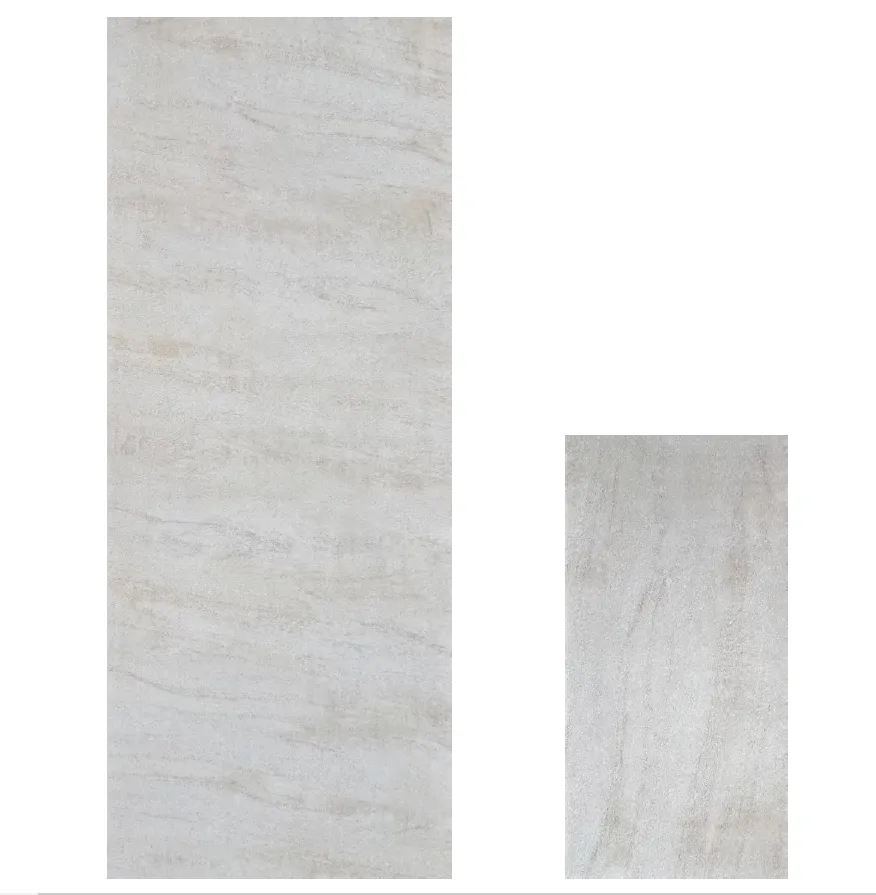
Imagine standing in the lobby of a luxury hotel in Riyadh. Sunlight pours through floor-to-ceiling windows, casting warm streaks across the walls. But it's the wall itself that stops you: a canvas of soft grays and whites, swirled with veins of cream that twist and turn like a desert wadi after rain. That's Marble Stream Stone. It's not just stone—it's movement frozen in time.
What makes Marble Stream Stone so captivating is its duality. Up close, you notice the texture—the cool, smooth surface that invites touch. Step back, and the patterns unfold like a story: a gentle current here, a sudden eddy there, as if the stone itself remembers the rivers that carved the Saudi landscape millennia ago. It's a material that bridges the gap between the organic and the refined, making it perfect for spaces that aim to feel both grand and grounded.
In Saudi Arabia, where architecture often grapples with honoring heritage while embracing the future, Marble Stream Stone is a master mediator. Pair it with traditional Najdi wooden accents, and it softens the rustic edge; combine it with sleek glass and steel, and it adds warmth to the modernity. Take, for example, the new cultural center in AlUla—a project that blends ancient Nabatean influences with contemporary design. Here, Marble Stream Stone wraps around the main auditorium, its flowing patterns mirroring the nearby rock formations, while its neutral palette lets the center's art and artifacts take center stage.
But it's not just about looks. Saudi Arabia's harsh climate—scorching summers, occasional sandstorms—demands materials that can stand the test of time. Marble Stream Stone, with its high durability and resistance to wear, doesn't just look good on day one; it ages gracefully, developing a subtle patina that only adds to its character. For developers and designers, that's peace of mind. For the people who live and work in these spaces, it's a connection to something enduring.
If Marble Stream Stone is the poet of COLORIA's lineup, MCM Flexible Stone is the problem-solver. Short for Modified Composite Material, MCM is a game-changer for architects who dream big but know the realities of construction. Traditional stone is heavy, brittle, and unforgiving—try wrapping it around a curved facade or installing it on a high-rise, and you'll quickly hit limits. MCM? It's different. Lightweight, flexible, and just as durable as the real thing, it's like stone with a second skin.
Picture the exterior of a boutique hotel in Jeddah, its facade sweeping in gentle arcs that mimic the waves of the Red Sea. That curve? It's made possible by MCM Flexible Stone. Installers can bend it, shape it, even cut it into intricate patterns without worrying about cracks or breakage. And because it's up to 80% lighter than natural stone, it reduces the load on building structures, making it ideal for both new builds and renovations—critical in a country where adaptive reuse of historic buildings is gaining momentum.
But MCM isn't just about flexibility. It's about performance, too. Saudi Arabia's sun beats down with relentless intensity, and sandstorms can grind away at lesser materials. MCM's composite core resists fading, while its textured surface stands up to abrasion. In Riyadh's King Abdullah Financial District, a sleek office tower recently clad its entire exterior in MCM Flexible Stone in a warm, earthy tone. Months later, after summer heatwaves and sandstorms, it still looks as crisp as the day it was installed—a testament to its resilience.
What truly sets MCM apart, though, is its versatility. Whether you're aiming for the rough-hewn look of a desert canyon or the smooth finish of polished marble, MCM can mimic it. For a restaurant in Dammam that wanted the charm of old-world stone walls without the weight, COLORIA's MCM panels in a "rustic travertine" finish delivered—complete with the subtle pitting and veining of natural stone, but easy to install and maintain. It's innovation that doesn't shout; it simply makes the impossible possible.
The Saudi desert at night is a spectacle of light: stars so bright they seem close enough to touch, and a moon that paints the dunes in silver, gold, or ink. The Lunar Peak series—Silvery, Golden, Black—channels that magic into stone. These aren't just colors; they're moods. Each variant captures a different moment of the desert night, turning walls and surfaces into windows to the sky.
Lunar Peak Silvery is like moonlight on sand: a soft, cool sheen that feels calm and expansive. It's perfect for spaces designed to soothe—think a spa in Al Khobar or a yoga studio in Riyadh. Run your hand over it, and you'll notice a subtle metallic flake, catching light just so, as if someone sprinkled stardust into the mix. Lunar Peak Golden, on the other hand, is warm and opulent, like the glow of a full moon rising over the Empty Quarter. It adds richness to a room without feeling heavy—ideal for a luxury retail store or a penthouse living room with views of the city skyline.
Then there's Lunar Peak Black: bold, dramatic, and utterly modern. It's the night sky with no moon, deep and mysterious, yet with a velvety texture that invites you to reach out. A recent project in NEOM's THE LINE—a city designed around sustainability and innovation—used Lunar Peak Black panels for a tech hub's interior walls. Against white furnishings and blue LED accents, it creates a sleek, futuristic vibe that feels both cutting-edge and connected to the desert's timeless darkness.
What's remarkable about the Lunar Peak series is how it transforms with light. In the morning, Silvery looks fresh and airy; at dusk, Golden takes on a honeyed warmth; under artificial light, Black becomes a canvas for shadows and highlights. It's a material that evolves with the day, keeping spaces dynamic and alive—much like Saudi Arabia itself, a country that honors its past while racing toward the future.
In a world of excess, there's power in simplicity. Fair-faced Concrete—with its raw, unapologetic texture—embodies that power. It's not polished to a shine or painted to hide its flaws; instead, it celebrates the marks of its making: the grain of the formwork, the subtle variations in color, the quiet strength of its structure. For architects in Saudi Arabia, who are increasingly drawn to minimalist design, it's a material that speaks in a whisper but leaves a lasting impression.
COLORIA's take on Fair-faced Concrete isn't just any concrete, though. It's concrete with intention. Whether it's a smooth finish that feels almost tactile or a rough, board-formed texture that tells the story of its creation, each panel is crafted to add depth to a space. In the new National Museum extension in Riyadh, for example, Fair-faced Concrete walls serve as the backdrop for ancient artifacts. The contrast between the cold, industrial concrete and the warmth of the relics creates a dialogue between past and present—a reminder that progress doesn't have to erase history.
Beyond aesthetics, Fair-faced Concrete is a practical choice for Saudi Arabia's climate. Its thermal mass helps regulate indoor temperatures, keeping spaces cool in summer and warm in winter—reducing the need for excessive air conditioning. For a country aiming to reduce its carbon footprint, that's a win-win. And because it requires little maintenance—no painting, no sealing— it's a cost-effective option for large-scale projects, from airports to universities.
But perhaps the most compelling thing about Fair-faced Concrete is its versatility. Pair it with wood and greenery, and it becomes cozy and inviting, like a desert retreat. Combine it with metal and glass, and it's sleek and modern, fit for a tech campus. In Jeddah's new waterfront development, a public pavilion wrapped in Fair-faced Concrete has become a community hub. Locals gather there at sunset, the concrete walls glowing golden in the fading light, turning a simple structure into a place of connection.
If you've ever wandered the Saudi desert, you've seen them: boulders weathered by wind and time, their surfaces smooth yet rugged, each one telling a story of endurance. Boulder Slab—vintage silver, gold, black—brings that same weathered charm into interior spaces. It's stone that feels like it's been plucked from the desert floor, polished just enough to shine, but the marks of nature's handiwork.
Vintage Silver Boulder Slab has a cool, muted tone, like a boulder touched by frost. Vintage Gold warms up a room, with hints of amber and bronze that catch the light. Vintage Black is bold and moody, like a shadow cast by a desert rock at noon. Together, they offer a range of moods, but all share that core quality: a sense of history.
A boutique hotel in AlUla recently used Vintage Gold Boulder Slab for its reception desk. The rough-hewn edges and rich color immediately set a tone of understated luxury, like checking into a desert camp that's been elevated to five-star status. Guests run their fingers over the surface, feeling the grooves and indentations, and suddenly, they're not just in a hotel—they're part of the desert's story.
What makes Boulder Slab stand out is its ability to add texture without overwhelming a space. It's a material that plays well with others: pair it with soft textiles, and it adds edge; mix it with marble, and it grounds the elegance. For a restaurant in Riyadh that wanted a "rustic-chic" vibe, Boulder Slab walls paired with leather banquettes and warm lighting created a space that feels both sophisticated and welcoming—like a modern oasis in the city.
| Material | Key Features | Best For | Why It Works in Saudi Arabia |
|---|---|---|---|
| Marble Stream Stone | Flowing, stream-like patterns; smooth texture; neutral palette | Lobbies, cultural centers, luxury interiors | Durable; bridges traditional and modern design |
| MCM Flexible Stone | Lightweight, bendable, customizable finishes | Curved facades, high-rises, renovations | Resists sandstorms and heat; easy to install |
| Lunar Peak Series | Metallic sheen (silvery, golden, black); dynamic with light | Corporate offices, high-end retail, tech hubs | Reflects desert night skies; modern aesthetic |
| Fair-faced Concrete | Raw, industrial texture; thermal regulation | Museums, public pavilions, minimalist interiors | Sustainable; low maintenance; climate-resistant |
| Boulder Slab | Weathered, rustic texture; vintage colors | Boutique hotels, restaurants, desert-themed spaces | Evokes desert landscapes; adds organic warmth |
Saudi Arabia's construction boom isn't just about bricks and mortar. It's about building a legacy—spaces that inspire, connect, and endure. COLORIA's materials, from the flowing elegance of Marble Stream Stone to the rugged charm of Boulder Slab, are more than just building blocks. They're tools for storytelling. They help architects and designers craft environments that reflect Saudi Arabia's spirit: bold, resilient, and endlessly evolving.
As the kingdom continues to reach for the stars with projects like NEOM and the Qiddiya entertainment city, the demand for innovative, beautiful, and durable materials will only grow. And COLORIA, with its blend of artistry and engineering, is poised to be right there—turning ordinary spaces into extraordinary experiences, one panel, one wall, one story at a time.
In the end, it's not just about the stone or the concrete. It's about the people who will live, work, and dream in these spaces. And with COLORIA's materials, those dreams have a foundation as strong and beautiful as Saudi Arabia itself.
Recommend Products












