
How homeowners, designers, and builders are saving thousands without sacrificing beauty
Walk into any high-end home, boutique hotel, or modern office, and you'll likely find it: the timeless elegance of natural stone. Whether it's the veined luxury of marble, the earthy texture of travertine, or the rugged charm of granite, stone has a way of elevating spaces like no other material. But here's the harsh reality many of us encounter: that same beauty often comes with a price tag that makes even the most enthusiastic DIYer wince.
As a homeowner planning a kitchen remodel last year, I found myself staring at quotes for natural marble backsplashes—$120 per square foot, installed. For a modest 30-square-foot area, that's $3,600. Add in a stone countertop, and suddenly the budget I'd carefully allocated for the entire kitchen was shot. "There must be a better way," I thought. That's when I stumbled upon Marble Stream Stone—a material that promised the look of natural stone without the jaw-dropping costs, installation headaches, or long-term maintenance struggles.
In this article, we're diving deep into Marble Stream Stone: what it is, how much it really costs, why it's becoming a favorite among designers and builders, and how it stacks up against other popular materials like natural marble, fair-faced concrete, and even other engineered options. By the end, you'll understand why so many are calling it a "game-changer" for budget-conscious beauty.
When most people think about the cost of natural stone, they only consider the price per square foot of the material itself. But anyone who's worked with natural stone will tell you: that's just the tip of the iceberg. Let's break down the real costs that make natural stone a budget-buster for most projects.
Natural stone is quarried from the earth, which means each slab is unique—but also unpredictable. Veins, color variations, and even cracks are part of its charm, but they also make it expensive. Quarrying is labor-intensive, and transporting heavy slabs adds to the cost. For example:
And that's before you factor in waste. Because natural stone slabs are irregular, up to 20% of a slab can end up as scrap during cutting—meaning you're paying for material you'll never use.
Natural stone is heavy . A standard 24x24-inch marble slab can weigh 60–80 pounds. Installing it requires a team of professionals, not just a handy weekend warrior. Contractors charge premium rates for stone installation because it's physically demanding and requires precision to avoid cracking.
"We once had a client who tried to save money by hiring a general contractor instead of a stone specialist," says Sarah Chen, a designer with 15 years of experience. "The contractor cracked three slabs during installation—each worth $800. By the time we fixed it, they'd spent more than if they'd hired an expert from the start."
Installation costs for natural stone typically add $30–$70 per square foot to the total bill. For a 100-square-foot project, that's $3,000–$7,000 on top of materials.
Natural stone is porous, which means it stains easily. A spilled glass of red wine on marble? Permanent if not sealed immediately. Even with regular sealing (which costs $1–$3 per square foot annually), you'll still need to avoid acidic cleaners, harsh chemicals, and heavy impacts. Over time, chips and scratches are inevitable, requiring professional repairs that can cost $200–$500 per incident.
"I had a client with a natural limestone floor in their entryway," recalls Mike Torres, a flooring contractor. "After two years of kids, pets, and muddy boots, it looked dull and stained. Refinishing it cost $1,200—and they had to move out for three days. They wish they'd chosen something more durable."
When I first heard about Marble Stream Stone, I was skeptical. "Engineered stone that looks like marble but costs half as much?" I thought. "Sure, and I've got a bridge to sell you." But after researching and visiting a showroom, I realized: this isn't your average "faux stone." It's a high-tech, precision-engineered material that's changing the game for both residential and commercial projects.
Marble Stream Stone is part of the MCM (Modified Composite Material) family—a line of engineered surfaces designed to mimic the look and feel of natural stone, but with none of the drawbacks. It's made by combining natural stone aggregates (like marble dust and quartz) with a polymer resin binder, then pressing and curing the mixture under high pressure. The result? A material that has the texture, color, and depth of natural stone, but is lighter, more durable, and far more affordable.
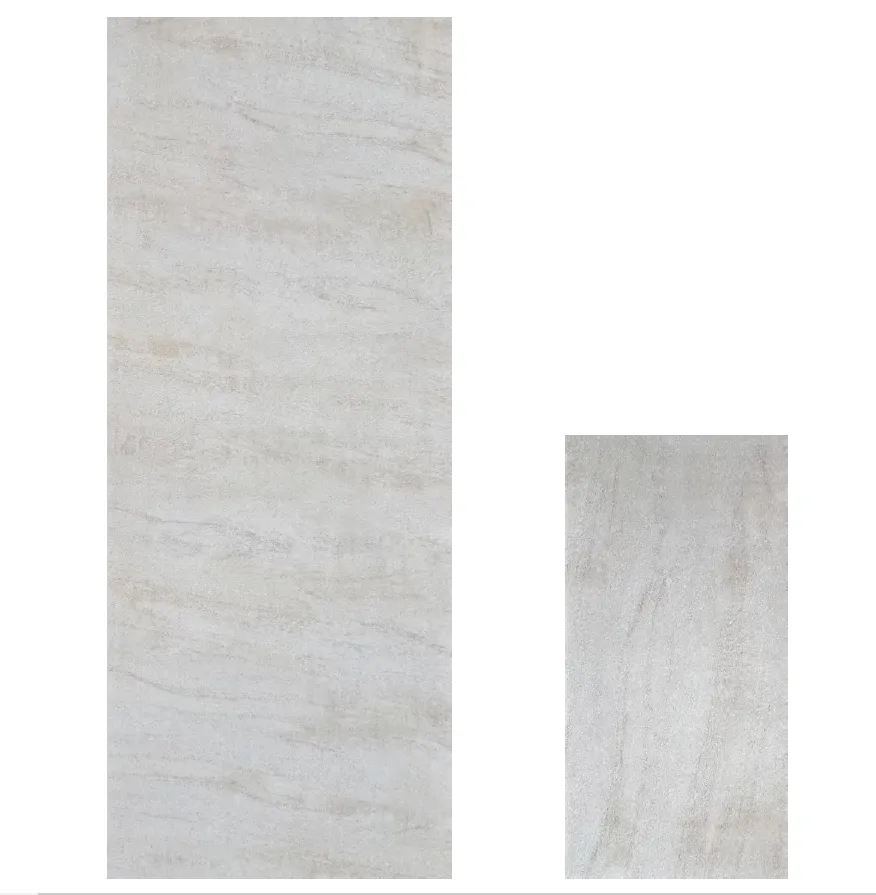
But what really sets Marble Stream Stone apart is its "stream" texture—a flowing, water-like pattern that mimics the look of marble veining or limestone with subtle color gradients. It's available in a range of hues, from the soft beige of "stream limestone(claybank)" to the moody depth of "stream limestone(dark grey)," making it versatile for any design style.
Let's cut to the chase: why is Marble Stream Stone becoming so popular? Here are the key advantages that have professionals and homeowners raving:
Natural marble weighs about 15–20 pounds per square foot. Marble Stream Stone? Just 5–7 pounds per square foot. That might not sound like a big difference, but it's huge for installation. For example:
Unlike natural stone, Marble Stream Stone is non-porous (thanks to that polymer binder), which means it won't stain. Spill red wine, coffee, or even nail polish remover on it, and a quick wipe with a damp cloth is all it takes. It's also scratch-resistant—no need to panic when the dog drags a toy across the floor or you drop a pot on the counter. And because it's engineered, it's UV-resistant, making it suitable for outdoor use (unlike many natural stones, which fade in sunlight).
"We installed Marble Stream Stone on a restaurant patio in Miami," says Lisa Wong, a commercial designer. "After two years of rain, sun, and spilled margaritas, it still looks brand new. The owners were shocked—they'd budgeted for annual sealing and repairs, but haven't needed to do a thing."
Marble Stream Stone isn't just for countertops or floors. Its flexibility (both in texture and application) makes it ideal for:
And because it's available in large slabs (up to 5x10 feet), you can create a "seamless" look with fewer grout lines—a high-end detail that's expensive to achieve with natural stone.
Let's get to the question everyone's asking: How much does Marble Stream Stone cost, and how does it compare to natural stone? Let's break it down by the numbers.
Marble Stream Stone typically costs $25–$45 per square foot for the material alone. Compare that to natural marble, which ranges from $50–$200 per square foot. For a 50-square-foot kitchen backsplash, that's a savings of $1,250–$7,750 just on materials .
But wait—what about other engineered options? Let's see:
Marble Stream Stone comes in at the lower end of the engineered spectrum, making it one of the most budget-friendly options for achieving that "high-end stone" aesthetic.
Because Marble Stream Stone is lightweight and easy to cut (it can be scored with a utility knife and snapped, or cut with a standard circular saw), installation costs are far lower than natural stone. Most contractors charge $10–$20 per square foot for installation, compared to $30–$70 per square foot for natural stone. For that same 50-square-foot backsplash, installation savings add up to $1,000–$2,500.
And if you're a DIYer? You can install it yourself with basic tools. "I installed Marble Stream Stone in my laundry room backsplash over a weekend," says Jessica, a homeowner in Denver. "I watched a YouTube tutorial, bought a $40 tile cutter, and saved $800 on labor. It was so easy, I'm doing the kitchen next!"
Remember those hidden maintenance costs with natural stone? Marble Stream Stone eliminates them. Since it's non-porous, there's no need for annual sealing (saving $1–$3 per square foot per year). It's scratch and stain resistant, so you won't be paying for refinishing or repairs. Over 10 years, that's easily $500–$2,000 in savings for a typical home project.
"We did the math for a client choosing between natural travertine and Marble Stream Stone for their 200-square-foot living room floor," says Tom Reeves, a cost estimator. "Natural travertine would have cost $12,000 upfront (material + installation) plus $1,500 in maintenance over 10 years. Marble Stream Stone? $5,000 upfront and $0 in maintenance. Total savings: $8,500. That's a new roof or a family vacation."
| Material | Material Cost (per sq ft) | Installation Cost (per sq ft) | 10-Year Maintenance Cost (per sq ft) | Total 10-Year Cost (50 sq ft project) |
|---|---|---|---|---|
| Natural Marble | $50–$200 | $30–$70 | $10–$30 | $4,500–$15,000 |
| Fair-Faced Concrete | $40–$80 | $20–$40 | $5–$15 | $3,250–$6,750 |
| Quartz (Caesarstone) | $50–$100 | $15–$30 | $0–$5 | $3,500–$6,750 |
| Marble Stream Stone | $25–$45 | $10–$20 | $0 | $1,750–$3,250 |
While cost is a big factor, Marble Stream Stone's popularity isn't just about savings. Designers are choosing it because it offers something natural stone often can't: consistency and versatility .
Natural stone is beautiful, but it's unpredictable. Order two slabs of "travertine (starry blue)," and you might get one with bold veining and another that's almost solid color. This inconsistency can derail a design—and lead to costly delays if you need to reorder. Marble Stream Stone, on the other hand, is manufactured to exact specifications, so every slab looks identical. "I use it for commercial projects where uniformity is key," says Alex Rivera, a hospitality designer. "In a hotel lobby with 500 square feet of wall panels, I can't have color variations. Marble Stream Stone gives me the look I want, with zero surprises."
Marble Stream Stone is part of a larger family of MCM products, which means you can mix and match it with other textures and colors for a cohesive design. For example:
"The MCM line is like a designer's playground," says Rivera. "I recently used Marble Stream Stone with 'foamed aluminium alloy board (vintage gold)' for a restaurant bar. The contrast of stone and metal was stunning, and the client loved that it was all budget-friendly."
Natural stone quarrying is resource-intensive, with large amounts of waste (up to 30% of a quarry is unusable). Marble Stream Stone, however, uses recycled stone aggregates (leftover dust and scraps from quarries) and requires less energy to produce. It's also 100% recyclable at the end of its life, making it a greener choice for eco-conscious homeowners and builders.
"Sustainability is a big selling point for my clients," says Emma Green, a green-building consultant. "Marble Stream Stone helps them earn LEED points for their projects, which is a win-win—good for the planet, and good for resale value."
Numbers are great, but nothing tells the story like real projects. Let's look at three case studies where Marble Stream Stone delivered on its promise of beauty, durability, and savings.
The Project: A 1980s kitchen in Portland, OR, with outdated laminate countertops and tile backsplash. The homeowner, Mark, wanted a "modern farmhouse" look with stone accents but had a tight budget of $25,000 for the entire remodel (cabinets, appliances, countertops, backsplash, and flooring).
The Problem: Natural marble countertops and backsplash alone would have cost $8,000 (materials + installation), leaving little for cabinets or appliances.
The Solution: Mark chose "stream limestone(claybank)" for countertops (30 sq ft) and backsplash (40 sq ft). Total cost for Marble Stream Stone: $2,450 (materials + installation). He paired it with shaker-style cabinets and luxury vinyl flooring, staying under budget by $3,000.
The Result: "Guests can't believe it's not real stone," says Mark. "I've had red wine spills, and they wipe right off. The best part? I saved enough to splurge on a high-end range. It's the kitchen I dreamed of, without the debt."
The Project: A 5,000-square-foot office renovation in Chicago, with a client who needed the space ready in 6 weeks (typical stone projects take 8–10 weeks). The design called for a "natural stone" lobby with reception desk, flooring, and accent walls.
The Problem: Natural stone would require importing slabs (6–8 week lead time) and heavy installation equipment, which would delay the project and blow the $150,000 budget.
The Solution: The contractor chose "marble stream stone" for flooring (3,000 sq ft) and "mcm big slab board series" for walls (1,500 sq ft). The material arrived in 1 week, and installation took just 3 days (thanks to lightweight panels and easy cutting).
The Result: The project finished on time and under budget ($120,000 total, saving $30,000). "The client was thrilled," says project manager Jake Miller. "Visitors think the lobby is natural marble, and the staff loves how easy it is to clean. We've since used Marble Stream Stone on three more office projects."
The Project: An outdoor patio and fire pit in Boston, MA, where winters bring freezing temperatures, snow, and ice. The homeowner wanted a stone look that wouldn't crack or fade.
The Problem: Natural bluestone would cost $15,000 and require annual sealing; freeze-thaw cycles would likely cause cracking within 3–5 years.
The Solution: The homeowner chose "stream limestone(dark grey)" for the patio (200 sq ft) and "boulder slab (vintage black)" for the fire pit. Total cost: $6,500 (installation included).
The Result: After two harsh winters, the patio looks as good as new. "No cracks, no fading, and no sealing needed," says the homeowner. "Last winter, we had 2 feet of snow, and when we shoveled, the surface didn't scratch. I'm convinced it will outlast natural stone."
Ready to jump on the Marble Stream Stone bandwagon? Here's how to ensure your project goes smoothly and you get the best results.
Colors and textures can look different in photos, so visit a local MCM dealer to see Marble Stream Stone in person. Most dealers will also send free samples (just pay shipping), so you can test how the color looks in your space's lighting.
Marble Stream Stone comes in 3mm (thin, flexible sheets for walls), 6mm (standard for countertops and floors), and 12mm (heavy-duty for commercial floors or outdoor use). Thicker = more durable, but also slightly more expensive.
While DIY installation is possible, hiring a contractor who's worked with MCM materials ensures a smooth process. Ask for references and photos of past projects.
Even with engineered stone, you'll need to order 10–15% extra for cuts and mistakes (vs. 20–30% for natural stone). This ensures you have enough material if a piece cracks during installation.
Marble Stream Stone can be finished with different edge profiles (e.g., bullnose, beveled, or ogee) for a custom look. Discuss options with your supplier—most offer edge profiling for a small fee ($5–$10 per linear foot).
After researching, comparing costs, and seeing real-world results, there's no doubt in my mind: Marble Stream Stone is worth every penny. It delivers the beauty of natural stone at a fraction of the cost, with added benefits like durability, easy installation, and low maintenance. Whether you're remodeling a kitchen, building a commercial space, or designing an outdoor patio, it's a material that checks all the boxes: budget-friendly, beautiful, and built to last.
As I stood in my newly renovated kitchen, staring at my Marble Stream Stone backsplash, I thought back to that initial $3,600 quote for natural marble. Instead, I spent $1,200 on materials and installation, and I love it more than I ever would have loved the real thing. It's not just a "budget alternative"—it's a better alternative.
So, if you're dreaming of stone but dreading the cost, don't settle for cheap faux materials or break the bank on natural stone. Give Marble Stream Stone a look. Your wallet (and your space) will thank you.
Recommend Products












