
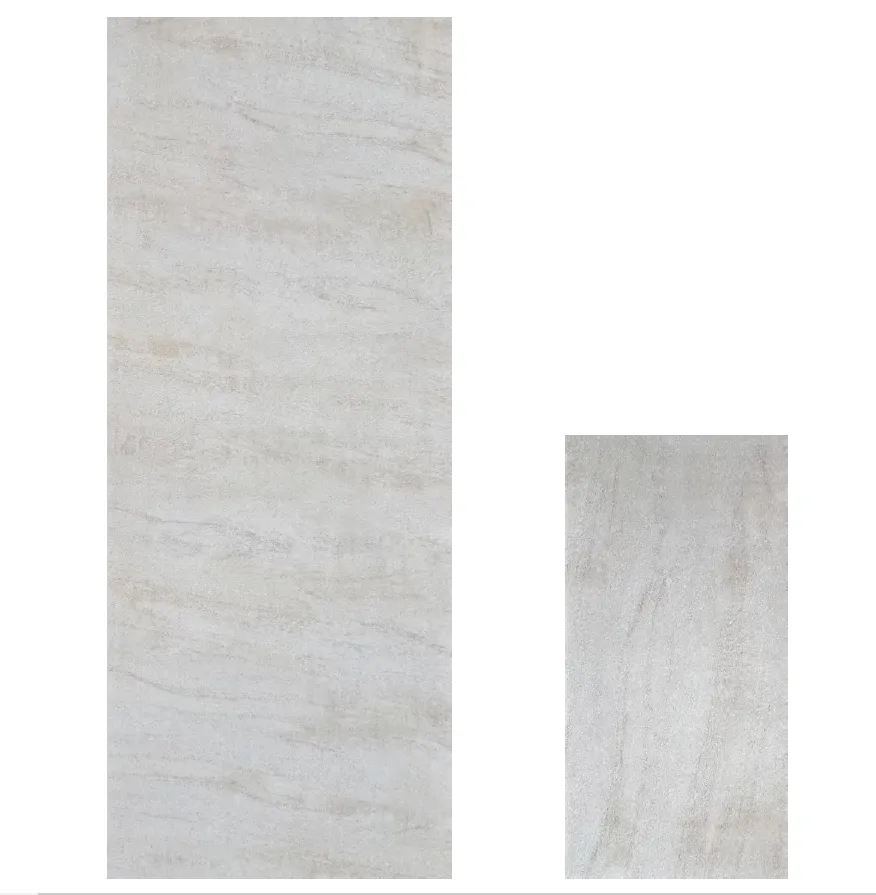
Architecture is more than just walls and roofs—it's the language of spaces that cradle our lives. From the rough-hewn stones of ancient temples to the sleek glass of skyscrapers, the materials we build with shape how we feel, move, and connect. Today, a new chapter is being written, and at its heart lies a material that marries the organic beauty of natural stone with the precision of modern technology: Marble Stream Stone. But it's not alone. A constellation of innovative materials—from MCM flexible stone to starry-hued travertine and silvery lunar peaks—are redefining what's possible in design. Let's dive into the world of Marble Stream Stone, its unique character, and the game-changing MCM technology that brings it to life.
If you've ever stood beside a mountain stream, watching water carve paths through stone over centuries, you'll recognize the spirit of Marble Stream Stone. It's not just a material—it's a story frozen in texture. Unlike uniform, machine-cut slabs, Marble Stream Stone bears the marks of "flow": soft, undulating patterns that mimic the way water winds through rock, with subtle color gradients that shift like sunlight on a current. Imagine a wall that doesn't just divide a room, but invites you to trace its surface, to lose yourself in the quiet rhythm of its veins. That's the magic of Marble Stream Stone.
Born from a blend of natural marble aggregates and advanced composite technology, it bridges the gap between raw nature and refined design. It's neither too cold nor too rustic—just right for spaces that crave both sophistication and soul. Whether used as flooring, cladding, or a statement countertop, it carries the weight of history (think ancient marble quarries) and the lightness of modern innovation.
What sets Marble Stream Stone apart from other building materials? Let's break it down—not with dry specs, but with the feelings and functions that matter most.
Run your hand over it, and you'll notice: this isn't just "smooth" or "rough." It's a tactile conversation. Some areas are polished to a soft sheen, like water reflecting the sky; others retain a gentle, sandpaper-like grain, as if the stone still holds the memory of its mountain origins. It's the kind of texture that makes bare feet linger, that turns a hallway into a sensory experience.
Don't let its beauty fool you—Marble Stream Stone is built to last. Unlike fragile natural marbles that scratch or stain easily, its composite core resists wear and tear, making it perfect for high-traffic areas like kitchens or commercial lobbies. Yet it never feels industrial. It's tough, but in the way a well-loved book is tough—able to handle daily use without losing its charm.
Marble Stream Stone doesn't shout with bold colors—it whispers with depth. Hues range from soft, riverbed beiges to cool, misty grays, with occasional veining in warmer tones (think driftwood or autumn leaves). It's neutral, but never boring—like a blank canvas that lets other design elements (art, furniture, light) shine, while still holding its own as a star.
None of this beauty and durability would be possible without MCM technology. Short for Modified Composite Material, MCM is the unsung hero that transforms ordinary stone aggregates into extraordinary, flexible surfaces. Here's why it matters:
Traditional stone slabs are heavy, rigid, and limited in how they can be used. Want to clad a curved wall? Good luck—you'd need custom-cut pieces and a army of installers. MCM changes the game by bonding natural stone particles with lightweight polymers, creating thin, flexible panels that can bend, wrap, and adapt to any surface. Suddenly, that curved wall isn't a headache—it's a design opportunity.
But MCM isn't just about flexibility. It's also eco-friendly. By using recycled stone waste and reducing the need for heavy mining, it cuts down on environmental impact. And because the panels are lightweight, transportation and installation require less energy—good for the planet, and easier on your budget.
MCM flexible stone, a close cousin of Marble Stream Stone, takes this even further. Imagine stone that's thin enough to be installed like wallpaper, yet strong enough to withstand rain, wind, and foot traffic. It's revolutionizing exterior cladding, turning plain buildings into works of art with minimal effort.
At the end of the day, building materials aren't just about construction—they're about connection. They shape how we interact with our homes, offices, and cities. A restaurant clad in MCM flexible stone feels more welcoming than one with cold metal; a bedroom with travertine (starry blue) walls feels like a sanctuary, not just a room.
Take a boutique hotel in Bali, for example. The lobby features Marble Stream Stone floors that flow like a river through the space, leading guests to a reception desk wrapped in lunar peak silvery. Upstairs, suites have accent walls of travertine (starry blue), turning each night's sleep into a celestial experience. It's not just design—it's storytelling.
Or consider a modern home in the city. The exterior uses fair-faced concrete for a bold, industrial look, while the interior balances it with warm MCM flexible stone on the fireplace wall. The kitchen countertops? Marble Stream Stone, of course—practical for cooking, beautiful enough to host dinner parties on. It's a home that works hard and feels good, all thanks to the materials chosen.
Marble Stream Stone and its MCM siblings aren't just trends—they're a glimpse into the future of architecture. A future where materials don't have to choose between beauty and function, between nature and technology. They can be both: the warmth of a mountain stream and the precision of a lab, the chaos of a starry sky and the order of modern design.
As we continue to build spaces that matter, these materials will be our partners. They'll help us create homes that feel like havens, offices that spark creativity, and cities that tell stories. And in the end, isn't that what architecture is all about? Not just building walls—but building lives, one stone, one panel, one starry blue fleck at a time.
Recommend Products












