
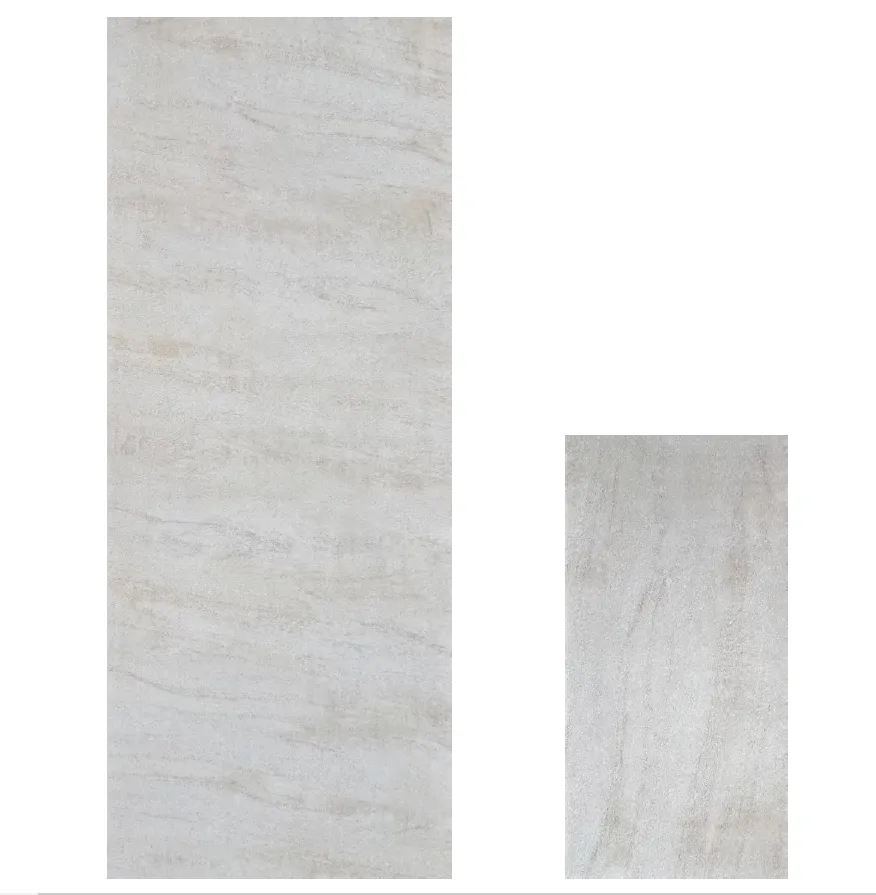
Picture this: You're standing in front of a building that's been around for decades. Its exterior isn't just holding up—it's glowing. The stone facade, with its subtle veining and warm tones, looks as rich and inviting as the day it was installed. No cracks, no fading, no signs of wear from years of rain, snow, and scorching sun. That's the power of a building material that's built to last. In a world where trends come and go, and quick fixes often lead to costly replacements, durability isn't just a feature—it's a promise. And when it comes to materials that keep that promise, few stand out like Marble Stream Stone .
Whether you're an architect designing a commercial space, a homeowner revamping your exterior, or a developer aiming for a project that ages gracefully, the question of "how long will this last?" is always top of mind. After all, a building isn't just walls and a roof—it's an investment, a legacy, and a part of the landscape. Today, we're exploring why Marble Stream Stone has become a trusted name in durability, diving into its remarkable weather resistance, impressive longevity, and how it stacks up against other popular materials like travertine , fair-faced concrete , and even Lunar Peak Silvery . Let's start with the basics: What makes this stone so special?
First things first: Marble Stream Stone isn't your average rock. It's a type of metamorphic stone formed over millions of years, as limestone is subjected to intense heat and pressure deep within the Earth. What sets it apart, though, is its unique "stream-like" veining—thin, flowing lines that resemble water currents frozen in time. These veins aren't just for show; they're a result of mineral deposits (like calcite and dolomite) that seep through the stone during its formation, adding both visual interest and structural strength.
But here's the thing that really matters for durability: density. Unlike porous stones that absorb water and weaken over time, Marble Stream Stone has a tight, compact structure. Think of it like a well-packed snowball versus a loose pile of snow—one holds its shape, the other falls apart at the first touch. This density is the foundation of its ability to stand up to the elements, making it a favorite for both interior and exterior use. And while it's often praised for its beauty (those veining patterns are genuinely eye-catching), it's the stone's quiet resilience that keeps architects and homeowners coming back.
To put it simply: Marble Stream Stone is the kind of material that doesn't just look good on day one. It looks good on day 1,000, day 10,000, and beyond. But don't just take our word for it—let's dig into the science (and real-world stories) behind its weather resistance.
Let's talk about the weather—nature's way of testing a building material's mettle. Rain, snow, UV rays, extreme temperatures, humidity, salt spray (if you're near the coast)—these are the silent enemies of many exteriors. Over time, they can turn a beautiful facade into a patchwork of cracks, stains, and faded color. But Marble Stream Stone? It's built to take on whatever Mother Nature throws its way.
One of the biggest threats to stone durability is water. When moisture seeps into porous materials, it can freeze in cold weather (expanding and causing cracks), or create a breeding ground for mold and mildew. But Marble Stream Stone's dense composition acts like a natural barrier. Unlike some travertine (which is known for its pitted, porous surface), Marble Stream Stone has minimal pores, meaning water struggles to penetrate. Even in regions with heavy rainfall—think the Pacific Northwest or parts of Europe—buildings clad in this stone rarely show signs of water damage.
Take, for example, a residential complex in Portland, Oregon, built in the 1990s with Marble Stream Stone exteriors. Portland sees an average of 154 rainy days a year, yet the stone facade today still looks as crisp as it did 30 years ago. The homeowners' association president, Maria Gonzalez, puts it simply: "We've never had to replace a single panel. We pressure wash it once a year, and that's it. The stone just… repels the water. It's like it was made for this climate."
Sunlight can be just as harsh as rain. UV rays break down pigments in many materials, causing colors to fade from vibrant to dull. But Marble Stream Stone's color comes from minerals locked deep within its structure—not surface treatments or dyes. That means even after years of direct sunlight, the stone retains its original hue. In Arizona, where temperatures regularly hit 100°F and UV index levels soar, a boutique hotel used Marble Stream Stone for its outdoor patio and facade. Ten years later, guests still comment on how "fresh" the stone looks, with none of the bleaching that's common in nearby buildings with painted or less durable stone exteriors.
Temperature swings are another hidden threat. In places like Chicago, where winters can hit -20°F and summers climb to 90°F, materials expand and contract with the heat and cold. Over time, this constant movement can lead to cracks and loosening. But Marble Stream Stone has low thermal expansion properties, meaning it doesn't expand or contract drastically with temperature changes. A historic library in upstate New York, built in the 1960s with Marble Stream Stone walls, has endured countless freeze-thaw cycles. When the building underwent a restoration in 2020, architects were shocked to find the stone was still structurally sound—no cracks, no spalling, just the same solid surface that had greeted visitors for generations.
For buildings near the ocean, salt spray is a silent killer. Salt accelerates corrosion in metal and eats away at porous stones, leaving behind pitted, weakened surfaces. But Marble Stream Stone's resistance to salt makes it a star in coastal areas. A beachfront restaurant in Cape Cod, Massachusetts, replaced its wooden siding with Marble Stream Stone in 2005. Today, despite daily exposure to saltwater mist and strong coastal winds, the stone remains smooth and unblemished. "We used to repaint the siding every two years," says the restaurant owner, James Peterson. "Now, we just hose it down with fresh water occasionally. The stone doesn't care about the salt—it just keeps going."
Weather resistance is impressive, but what about the long haul? How does Marble Stream Stone hold up over decades, not just years? Let's cut to the chase: This stone isn't just durable—it's timeless . Its lifespan often outlasts the buildings it adorns, with examples dating back centuries (yes, centuries) still in use today.
While modern Marble Stream Stone is often quarried with advanced techniques, its geological makeup is the same as stones used in ancient architecture. Take the Roman Forum, for instance—many of its columns and floors were carved from marble and travertine varieties similar to Marble Stream Stone. While those structures have endured millennia of wear, it's a testament to the stone's inherent strength. Closer to home, consider the 1920s-era town hall in Burlington, Vermont, which features Marble Stream Stone accents. After 100 years of New England winters and summers, the stone details—window sills, archways, and decorative panels—are still intact, requiring only minor cleaning to look their best.
You don't have to look to ancient history to see Marble Stream Stone's longevity in action. Let's fast-forward to the 1970s: A corporate headquarters in Cleveland, Ohio, chose Marble Stream Stone for its exterior cladding. At the time, some critics questioned the choice, arguing that the stone was "too expensive" compared to cheaper alternatives like concrete. Fast-forward 50 years, and the building is still a landmark. The original stone panels are in place, with no need for replacement. Meanwhile, nearby buildings that opted for concrete exteriors have required extensive repairs or full replacements, costing far more in the long run than the initial investment in Marble Stream Stone.
Homeowners are catching on, too. Sarah and David Chen, who built their dream home in Colorado in 2010, chose Marble Stream Stone for their facade. "We wanted something that would still look good when our kids inherit the house," Sarah says. "Ten years later, it's like the stone hasn't aged a day. We get compliments all the time from neighbors who are replacing their vinyl siding or stucco. We just smile and say, 'We won't be doing that anytime soon.'"
Longevity isn't just about the stone itself—it's about how easy it is to keep it in top shape. Marble Stream Stone requires surprisingly little maintenance. Unlike wood, which needs staining or painting, or concrete, which can crack and require patching, Marble Stream Stone mostly takes care of itself. A yearly pressure wash with mild soap is usually enough to remove dirt and grime. For extra protection, some homeowners or builders apply a sealant every 5–10 years, but even without it, the stone holds up. "I've worked on historic buildings with Marble Stream Stone that hadn't been sealed in 40 years," says John Miller, a restoration specialist. "The stone was still solid. The sealant helps with stains, but the durability? That's just the stone's nature."
Marble Stream Stone is impressive, but it's not the only durable material out there. Let's see how it stacks up against some popular alternatives— travertine , fair-faced concrete , and Lunar Peak Silvery —so you can make the best choice for your project.
| Material | Weather Resistance (1–5) | Longevity (Avg. Lifespan) | Maintenance Needs | Best For |
|---|---|---|---|---|
| Marble Stream Stone | 5/5 (excellent resistance to rain, UV, salt, and temperature swings) | 50–100+ years (often outlasts building structures) | Low: Yearly cleaning; optional sealant every 5–10 years | Exteriors, patios, historic restorations, high-traffic areas |
| Travertine | 3/5 (porous; prone to water damage without regular sealing) | 30–50 years (depends on sealing and climate) | Moderate: Seal every 2–3 years; prone to staining | Indoor floors, low-moisture exteriors (e.g., dry climates) |
| Fair-faced Concrete | 4/5 (resistant to weather but prone to cracking over time) | 20–40 years (cracks can develop due to thermal expansion) | Moderate: Patching cracks; may require resurfacing | Modern commercial buildings, industrial spaces |
| Lunar Peak Silvery | 4/5 (good UV resistance; less durable in high-impact areas) | 25–40 years (metallic finish can fade in coastal/salty environments) | Low: Occasional cleaning; avoid abrasive cleaners | Modern facades, accent walls, low-traffic exteriors |
As you can see, Marble Stream Stone leads the pack in both weather resistance and longevity, with minimal maintenance to boot. While materials like Lunar Peak Silvery offer sleek, modern aesthetics, and fair-faced concrete is budget-friendly, neither can match Marble Stream Stone's combination of durability and timeless beauty. And while travertine is beloved for its unique texture, its porosity makes it a riskier choice for harsh climates.
Durability is great, but a material needs to be versatile, too. Marble Stream Stone isn't just for exteriors—it works in a variety of settings, adding both strength and style. Here are a few places where it truly shines:
For homeowners, the exterior is the first impression. Marble Stream Stone cladding, siding, or accent walls instantly elevate a home's look while ensuring it stays beautiful for decades. Whether you're building a modern farmhouse or a traditional colonial, the stone's neutral tones and natural veining complement any architectural style. Plus, it adds value: Homes with stone exteriors often sell faster and at higher prices, thanks to their reputation for durability.
Hotels, restaurants, office buildings—these spaces see a lot of foot traffic and wear. Marble Stream Stone floors, walls, and facades hold up to constant use without showing signs of scuffs or scratches. A luxury hotel in Miami used the stone for its lobby floors and outdoor pool deck; after 15 years of guests dragging luggage, spilling drinks, and tracking in sand, the stone still looks brand-new. "We chose it for the aesthetic, but we've been blown away by how tough it is," says the hotel's facilities manager. "It's like having a work of art that can handle a crowd."
When restoring a historic building, matching the original materials is key. Marble Stream Stone's classic look and durability make it a favorite for preservation projects. A 19th-century courthouse in Savannah, Georgia, used the stone to replace damaged sections of its facade, ensuring the building retains its historic charm while standing strong for another century. "We needed something that looked old but performed like new," says the lead architect on the project. "Marble Stream Stone was the perfect fit."
Patios, walkways, and garden paths take a beating from foot traffic, furniture, and the elements. Marble Stream Stone pavers are slip-resistant (even when wet) and don't crack under heavy furniture or freeze-thaw cycles. A family in upstate New York installed a Marble Stream Stone patio 20 years ago; today, it's still the centerpiece of their backyard, hosting summer barbecues, winter bonfires, and everything in between. "Our kids learned to ride bikes on that patio," laughs the homeowner. "It has a few scrapes, sure, but that just adds character. It's still the most durable part of our yard."
At the end of the day, choosing a building material is about more than aesthetics—it's about investing in peace of mind. Marble Stream Stone isn't just a stone; it's a commitment to a space that grows with you, that doesn't need constant repairs, and that looks just as good in 50 years as it does today. It's for the homeowner who wants to stop worrying about replacements and start enjoying their home. It's for the architect who wants to design buildings that become part of the landscape, not just temporary structures. It's for anyone who believes that durability and beauty don't have to be mutually exclusive.
So, the next time you're planning a project—big or small—ask yourself: Do I want something that looks good now, or something that looks good forever? If it's the latter, Marble Stream Stone is more than a choice. It's a legacy. And in a world that's always rushing, there's something truly special about building something that's built to last.
Recommend Products












