
Hospitals are more than just buildings—they're spaces of healing, where every detail contributes to the well-being of patients, the efficiency of staff, and the overall rhythm of care. From the moment someone steps through the doors, the environment speaks: the lighting, the layout, and perhaps most notably, the materials that clothe the walls, floors, and surfaces. In these settings, materials must do more than look good; they must protect, endure, and comfort. This is where Marble Stream Stone and other innovative products from MCM step in, redefining what's possible for hospital interiors by merging clinical functionality with human-centered design.
Think about the last time you visited a hospital. Chances are, you noticed the little things: the coolness of a waiting room floor, the texture of a wall, the way light bounces off surfaces. For patients, especially those staying long-term, these details aren't trivial. Studies show that environments with warm, natural elements can reduce stress hormones, lower blood pressure, and even speed up recovery times. For staff, materials that are easy to clean and maintain mean more time focused on care, not upkeep. And for administrators, durability translates to cost savings over time—no small consideration in an industry where budgets are tight.
Traditional hospital materials often fall short of this balance. Vinyl floors, while affordable, can feel cold and sterile. Ceramic tiles, though durable, have grout lines that trap bacteria and require constant scrubbing. Paint chips, wallpaper peels, and natural stone (like marble or granite) is heavy, porous, and prone to staining—all liabilities in a space where infection control is paramount. The need for something better is clear: materials that are hygienic by design , durable by nature , and warm by choice .
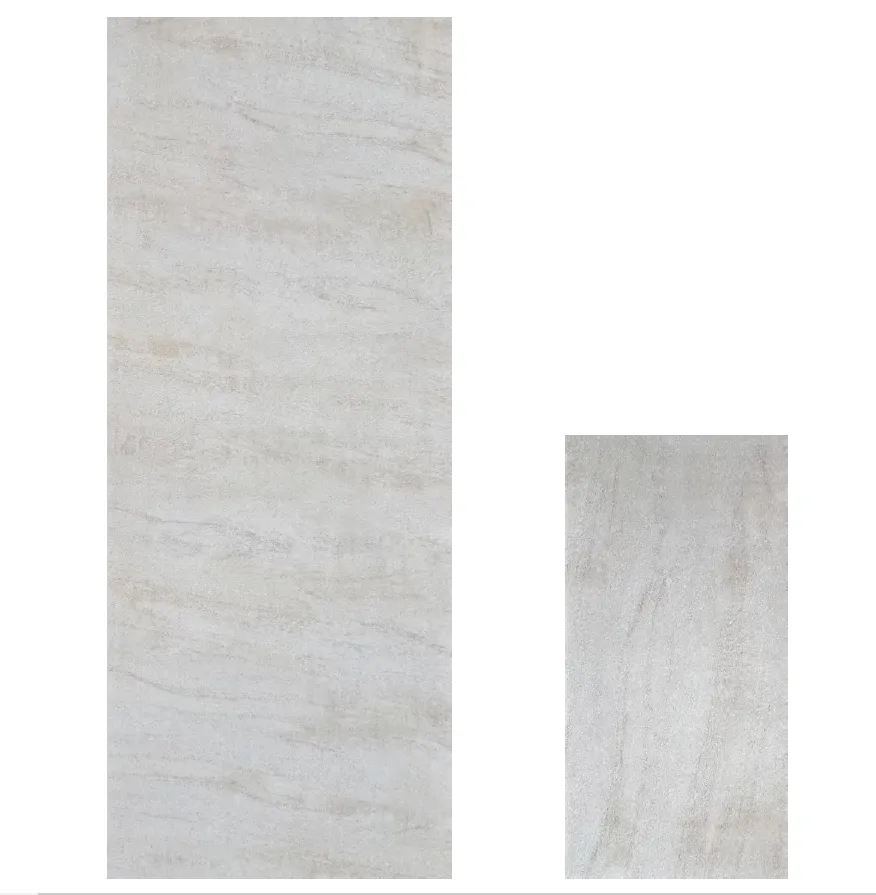
Enter Marble Stream Stone —a star product in MCM's lineup that's turning heads in healthcare design. At first glance, it's easy to mistake it for natural marble, with its soft veining, subtle color gradients, and organic flow. But look closer, and you'll discover a material engineered for the unique demands of hospitals. Let's break down why it's becoming a go-to choice:
Hospitals battle invisible threats daily, and surfaces are ground zero. Marble Stream Stone is crafted from a modified composite material (MCM) that's inherently non-porous. Unlike natural marble, which has tiny pores that can harbor bacteria, viruses, and moisture, its dense, smooth surface leaves nowhere for pathogens to hide. This makes it a dream for infection control teams: a quick wipe with hospital-grade disinfectants is all it takes to keep surfaces sterile, reducing the risk of healthcare-associated infections (HAIs)—a critical metric for any medical facility.
Hospital floors and walls endure heavy traffic: stretchers rolling by, carts loaded with equipment, chairs scraping, and countless footsteps. Marble Stream Stone is built tough. Its composite core resists scratches, dents, and chips, even under constant use. Unlike natural stone, which can crack under impact, or paint that fades with time, this material maintains its integrity for years, reducing the need for frequent repairs or replacements. For high-traffic areas like corridors, emergency rooms, or outpatient clinics, this longevity is a game-changer.
"Sterile" doesn't have to mean "soulless." Marble Stream Stone comes in a range of tones—soft beiges, gentle grays, and warm ivories—that mimic the calming look of natural stone. The subtle veining, reminiscent of flowing water or wind-blown sand, adds visual interest without overwhelming the senses. In patient rooms, this can transform a stark space into one that feels more like a quiet retreat than a clinical setting. Imagine a patient waking up to walls that evoke a peaceful stream or a sunlit meadow—small touches that make a big difference in mental well-being.
Traditional marble is heavy, making it difficult to install on walls or in upper floors without structural reinforcement. Marble Stream Stone , by contrast, is lightweight—up to 70% lighter than natural stone—thanks to MCM's innovative manufacturing process. This opens up design possibilities: accent walls in waiting rooms, custom headboards in patient suites, or even curved surfaces that soften harsh angles. It's also easy to cut and shape, allowing for seamless installations with minimal joints—another win for hygiene, as fewer seams mean fewer places for dirt to accumulate.
While Marble Stream Stone steals the spotlight, MCM offers other materials that complement it perfectly in hospital settings. Let's explore a few standouts:
Flexibility is key in hospital design, where spaces often need to evolve—whether for new equipment, changing patient needs, or renovation projects. MCM flexible stone lives up to its name: thin, bendable, and easy to apply to almost any surface, from concrete walls to metal panels. It comes in textures that range from rough-hewn stone to smooth travertine, giving designers the freedom to create tactile experiences that feel natural. In pediatric wards, for example, it can be shaped into playful, curved walls painted in soft blues or greens, turning a treatment room into a "cave" or "forest" that eases a child's fear. And like Marble Stream Stone, it's non-porous and easy to clean—no trade-off between creativity and hygiene.
For areas that need a modern, durable look—like staff break rooms, laboratories, or utility corridors— fair-faced concrete is a solid choice. Unlike traditional gray concrete, MCM's version has a refined finish: smooth, with subtle color variations that add warmth. It's scratch-resistant, fire-retardant, and impervious to moisture, making it ideal for high-use zones. When paired with Marble Stream Stone in waiting areas, it creates a balanced aesthetic—industrial edge softened by natural beauty.
Floors take the brunt of hospital life, so they need to be both tough and easy on the eyes. Polish concrete offers a glossy, seamless surface that reflects light, making spaces feel brighter and more open. It's resistant to stains, chemicals, and heavy impacts, and like other MCM products, it's a breeze to clean. In operating rooms, where sterility is non-negotiable, polished concrete floors can be sealed to create a virtually impenetrable barrier, ensuring no bacteria linger in cracks or crevices.
To see how MCM's products measure up against traditional options, let's take a closer look at key factors hospitals prioritize:
| Material | Hygiene (1-5) | Aesthetic Appeal | Durability (1-5) | Maintenance Ease |
|---|---|---|---|---|
| Marble Stream Stone | 5 (Non-porous, easy to disinfect) | High (Natural veining, warm tones) | 4.5 (Resists scratches, chips) | High (Wipe with disinfectants; no special treatments) |
| Natural Marble | 3 (Porous; traps bacteria) | High (Timeless beauty) | 3 (Prone to staining, cracking) | Low (Requires sealing, professional cleaning) |
| Fair-Faced Concrete | 4 (Dense; minimal pores) | Medium-High (Modern, industrial chic) | 5 (Extremely durable; fire-retardant) | High (Sweep, mop with mild detergent) |
| Polish Concrete | 4.5 (Sealed surface; resists moisture) | Medium (Glossy, reflective finish) | 5 (Withstands heavy traffic, chemicals) | High (Daily mopping; occasional re-polishing) |
| Vinyl Flooring | 4 (Waterproof; easy to wipe) | Low-Medium (Plastic-like appearance) | 3 (Can tear, discolor over time) | Medium (Prone to scratches; may need replacement) |
The table tells a clear story: MCM's materials, led by Marble Stream Stone , outperform traditional options in hygiene, durability, and maintenance—without sacrificing style.
To put this into context, consider the hypothetical renovation of Riverside Children's Hospital, a mid-sized facility struggling with outdated interiors. The hospital's goals were clear: reduce HAIs, create a more calming environment for young patients, and cut long-term maintenance costs. The design team chose to center the project around Marble Stream Stone and MCM flexible stone .
In the pediatric ward, walls were clad in Marble Stream Stone in "Stream Limestone (Claybank)" —a soft, warm beige with gentle gray veining. The floors paired this with polish concrete in a matching tone, creating a seamless flow that feels spacious and bright. For accent walls, MCM flexible stone in "Wood Grain Board" was used, adding a touch of natural warmth without the risk of water damage or mold.
Within six months, staff reported a 20% decrease in anxiety-related incidents among young patients. Cleaning times dropped by 30%, as the non-porous surfaces required less scrubbing. And the hospital's maintenance budget saw a 15% reduction, thanks to fewer repairs and replacements. As one nurse put it: "It feels like we're working in a place that cares—not just about healing bodies, but about healing hearts, too."
Today's hospitals aren't just focused on patient care—they're also prioritizing sustainability. MCM materials align with this mission in several ways. Marble Stream Stone and MCM flexible stone are lightweight, which reduces transportation emissions during delivery. Their durability means less frequent replacement, cutting down on waste. And because they mimic natural stone, they reduce the need for quarrying, preserving natural resources. For hospitals aiming for LEED certification or other green building standards, these materials are a step toward a more eco-friendly future.
In the world of hospital design, every choice is a balancing act: function vs. beauty, cost vs. quality, sterility vs. warmth. Marble Stream Stone doesn't just balance these—it excels at all of them. It's a material that understands the unique needs of healthcare: the need to protect patients from harm, the need to support staff in their work, and the need to create spaces that feel human.
Whether it's in a bustling emergency room, a quiet patient suite, or a sunlit waiting area, Marble Stream Stone brings something irreplaceable: the feeling that the space was designed with care. And in a hospital, where care is everything, that's the most powerful impact of all.
Recommend Products












