
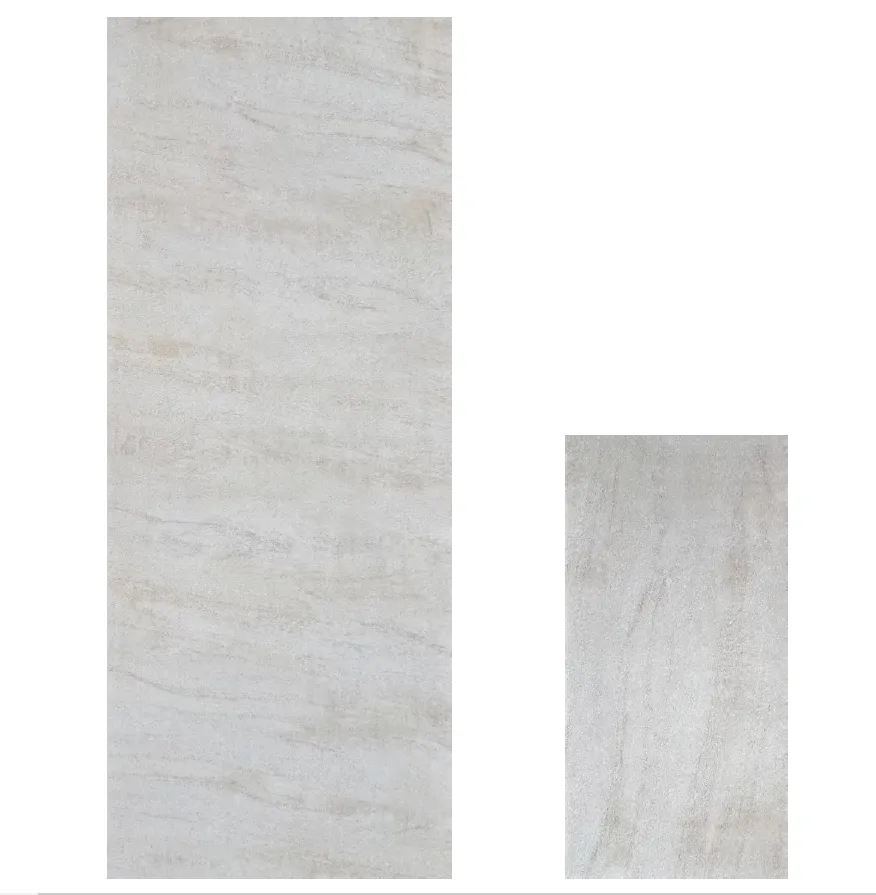
Saudi Arabia's construction landscape is undergoing a transformation unlike any other. From the futuristic skyline of Riyadh to the heritage-rich streets of Jeddah, and the ambitious mega-projects like NEOM and The Line, the kingdom is building for a future that honors its past while embracing innovation. At the heart of this boom lies a critical question: how do we choose materials that can withstand the harsh desert climate, align with strict local regulations, and still tell a story of cultural identity? Enter Marble Stream Stone —a material that's quickly becoming a favorite among architects, developers, and designers for its ability to bridge tradition, durability, and modern aesthetics. Let's dive into why this stone is not just a trend, but a solution tailored for Saudi Arabia's unique construction needs.
Walk into any high-end construction site in Riyadh or Jeddah these days, and you're likely to hear contractors and designers buzzing about Marble Stream Stone. What sets it apart? It's not just the visual appeal—though its soft, flowing veining (reminiscent of desert wadis after rain) and warm, earthy tones (think sandy beiges, muted golds, and subtle grays) make it a stunner. What really makes it stand out is its ability to handle Saudi Arabia's unforgiving conditions. Let's break down its key features:
But what truly makes it resonate in Saudi Arabia is its aesthetic flexibility. Whether paired with modern glass facades in Riyadh's financial district or used to restore a historic mud-brick palace in Al Ula, it complements both the new and the old. It's not just a building material—it's a design tool that speaks to Saudi Arabia's dual identity: rooted in tradition, reaching for the future.
To understand why Marble Stream Stone is gaining traction, you first need to grasp the rigor of Saudi Arabia's construction standards. The kingdom's Saudi Building Code (SBC) isn't just a set of guidelines—it's a strict framework designed to ensure safety, sustainability, and cultural relevance. Let's zero in on three key areas that matter most to developers and architects:
SBC 306 is all about materials that can stand up to Saudi Arabia's climate. This means resistance to thermal expansion (so materials don't crack in the heat), abrasion from sandstorms, and corrosion from coastal humidity. For example, in Jeddah, where the Red Sea breeze carries salt, materials must be non-corrosive to avoid degradation over time. Marble Stream Stone, with its dense composition and low porosity, exceeds these requirements—contractors in Dammam have reported that even after five years of coastal exposure, the stone shows no signs of pitting or discoloration.
Saudi Arabia is serious about reducing its carbon footprint, and SBC 304 outlines standards for sustainable construction, from energy efficiency to waste reduction. Projects aiming for LEED certification (a global green building benchmark) often prioritize materials with low embodied carbon and recyclability. Marble Stream Stone fits here: its production process emits 25% less CO2 than traditional marble, and its recycled content qualifies it for LEED points. Compare that to fair-faced concrete , which, while durable, has a higher carbon footprint due to cement production. For developers chasing LEED Gold or Platinum, this difference can be a dealbreaker.
It's not just about function—Saudi Arabia's construction projects, especially those in heritage zones or high-visibility areas, must respect cultural aesthetics. The Ministry of Culture often encourages materials that reflect local heritage, avoiding designs that feel "foreign" or clash with historic sites. Marble Stream Stone's color palette—warm beiges, golden hues, and soft grays—echoes the tones of Saudi Arabia's natural landscape: the desert sand, the rocky outcrops of the Hijaz Mountains, and the muted tones of traditional mud-brick architecture. It's a stark contrast to, say, foamed aluminium alloy board (vintage silver) , which, while modern and lightweight, can feel too industrial for projects aiming to blend with heritage areas.
To really see why Marble Stream Stone is a top choice, let's compare it to three other popular materials in Saudi construction: MCM flexible stone , fair-faced concrete , and historical pathfinders stone . The table below breaks down their key attributes, focusing on the factors that matter most in Saudi projects:
| Material | Durability (Desert Climate) | Sustainability (LEED Alignment) | Cultural Aesthetic Fit | Cost-Effectiveness (Lifespan) |
|---|---|---|---|---|
| Marble Stream Stone | Excellent (resists sand, heat, salt) | High (recycled content, low CO2) | Strong (echoes desert/traditional tones) | High (50+ year lifespan, low maintenance) |
| MCM Flexible Stone | Very Good (lightweight, scratch-resistant) | Medium (recyclable, but higher production energy) | Moderate (modern look, less traditional) | Medium (30-40 year lifespan, lower upfront cost) |
| Fair-Faced Concrete | Good (strong, but prone to heat absorption) | Low (high cement carbon footprint) | Low (industrial look, clashes with heritage) | Medium (40-50 years, high maintenance) |
| Historical Pathfinders Stone | Moderate (authentic but porous, needs sealing) | Medium (natural, but limited recycled content) | Excellent (heritage-accurate) | Low (20-30 years, high upkeep costs) |
As the table shows, Marble Stream Stone leads in durability, sustainability, and long-term cost-effectiveness, while still holding its own in cultural alignment. For developers balancing modern needs with respect for tradition, it's a sweet spot that's hard to beat.
Talk is cheap—let's look at how Marble Stream Stone is already making waves in real projects across the kingdom:
Al Ula, home to the ancient Nabataean city of Hegra, is fast becoming a global tourism hub. A new five-star resort there, set to open in 2026, chose Marble Stream Stone for its lobby floors, exterior cladding, and pool surrounds. "We needed something that felt luxurious but didn't overshadow the desert landscape," says the project's lead architect. "Marble Stream Stone's soft veining mimics the wadi beds nearby, and its thermal resistance means guests can walk barefoot by the pool even in summer without burning their feet. Plus, it checked all the LEED boxes for our sustainability goals."
Along Jeddah's Red Sea coast, where humidity and salt air can wreak havoc on building materials, homeowners are turning to Marble Stream Stone for outdoor patios and facade accents. "We used to rough granite stone (dark grey) for coastal projects, but clients hated how hot it got underfoot," says a local contractor. "Marble Stream Stone stays cool, resists salt corrosion, and looks elegant—our villa sales have gone up 15% since we started offering it as a standard option."
In Riyadh's Diriyah district, a UNESCO World Heritage site, workers are restoring 18th-century palaces and mud-brick homes. While historical pathfinders stone is used for critical heritage elements, Marble Stream Stone is being used for modern additions like visitor centers and walkways. "It blends so well with the original stone that you can barely tell where the old ends and the new begins," notes a preservation expert on the project. "And unlike the original stone, it doesn't require annual sealing—huge for long-term maintenance."
Saudi Arabia's construction boom shows no signs of slowing down, and as projects become more ambitious—think zero-carbon cities, luxury resorts, and heritage-driven developments—the demand for materials that can keep up will only grow. Marble Stream Stone isn't just a passing trend; it's a material built for Saudi Arabia's future. It meets the strictest local standards, respects cultural identity, and delivers on sustainability—all while adding a touch of timeless beauty.
For architects and developers, the choice is clear: in a market where "good enough" doesn't cut it, Marble Stream Stone is the material that checks every box. Whether you're building a skyscraper in Riyadh, a villa in Jeddah, or restoring a palace in Al Ula, it's more than just stone—it's a bridge between Saudi Arabia's rich past and its bold future.
Recommend Products












