
Why smart material choices can slash your renovation budget—without sacrificing style
Picture this: You've spent weeks poring over swatches, comparing prices, and finally settled on the perfect stone for your kitchen backsplash. The material cost? A reasonable $5,000. But when the contractor hands over the final bill, there's a line item that makes your jaw drop: labor —another $8,000. Ouch. For many homeowners and designers, this scenario hits too close to home. We fixate on the upfront cost of materials, forgetting that installation labor often makes up 50% or more of the total project expense.
The truth is, not all stones are created equal when it comes to installation. Heavier materials require more workers to lift. Fragile ones demand slow, careful handling. Complex textures or rigid shapes mean hours of on-site cutting and fitting. And every extra minute a crew spends on your project adds up—quickly. So, what if the key to slashing that labor bill isn't just haggling with contractors, but choosing materials designed to be easier to install from the start?
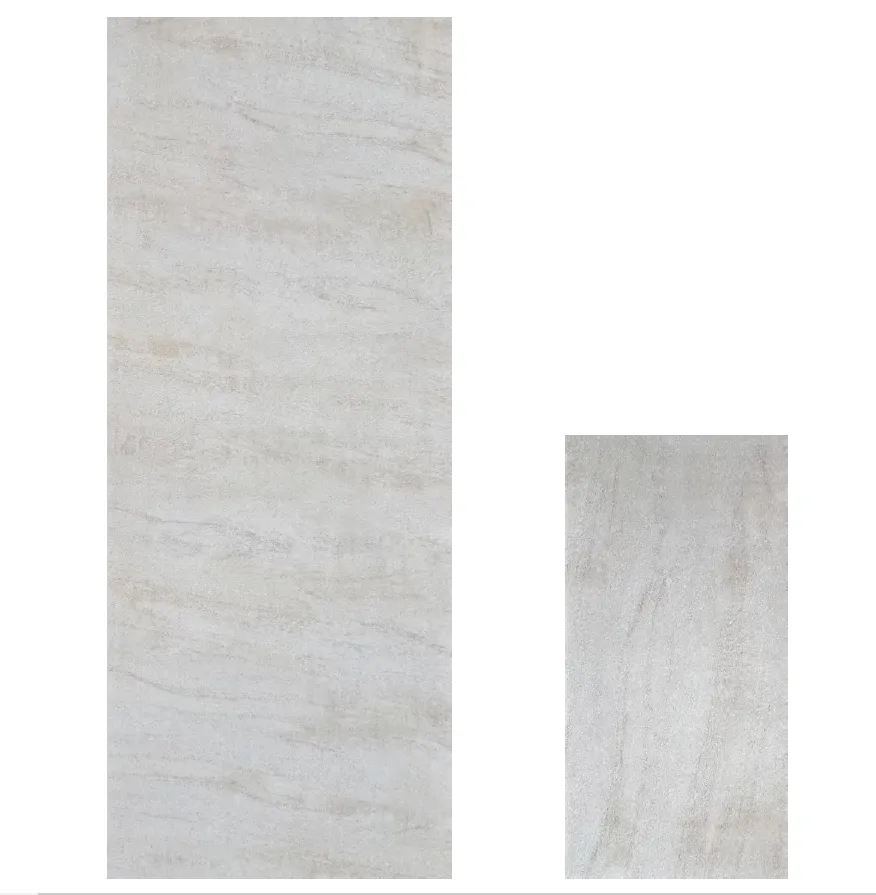
Enter Marble Stream Stone —a material that's been turning heads not just for its elegant, flowing veining (reminiscent of a mountain stream frozen in time), but for its ability to cut labor costs by 30% or more. Let's dive into why this stone, and others like it (think MCM Flexible Stone or foamed aluminium alloy board (vintage silver) ), are becoming go-to choices for budget-savvy renovators.
Before we unpack why Marble Stream Stone shines, let's break down what drives labor costs in stone installation. Contractors don't just charge by the hour—they factor in the complexity of the job. Here's what makes some materials far pricier to install than others:
Natural marble slabs, for example, can weigh 15–20 pounds per square foot. Installing a 100 sq ft backsplash means moving 1,500+ pounds of stone—requiring a crew of 3–4 people instead of 2. Lighter materials, like foamed aluminium alloy board (vintage gold) (just 3–5 lbs/sq ft), let a smaller team work faster.
Delicate stones like polished natural travertine chip easily during transport or cutting. A single cracked slab means stopping work, sourcing a replacement, and redoing the installation—adding hours (or days) to the timeline. Durable options like fair-faced concrete or Marble Stream Stone resist breakage, keeping the project on track.
Stones with hard, dense compositions (looking at you, granite portoro ) need industrial diamond saws and water jets to cut. These tools are expensive to rent, and mastering them takes skilled labor. Softer, more malleable materials? They can be trimmed with basic handheld saws, slashing tool and labor costs.
Materials with uneven edges or irregular shapes (like rough-hewn masonry stone ) require meticulous fitting to avoid gaps. Interlocking designs, common in MCM project board series or Marble Stream Stone , snap together like puzzle pieces—no tedious measuring or shimming needed.
So, where does Marble Stream Stone fit into this? Let's start with its core advantage: it's engineered to be installation-friendly . Unlike natural marble, which is quarried in massive, heavy blocks, Marble Stream Stone is crafted using a blend of natural stone particles and lightweight polymers. The result? A slab that's 40% lighter than traditional marble but just as durable.
Take a 120 sq ft bathroom renovation. A natural marble slab might weigh 2,000 pounds, requiring 4 workers and 2 full days to install. Marble Stream Stone, at 8–10 lbs/sq ft, clocks in at 960–1,200 pounds—installable by 2 people in just 1 day. That's a 50% reduction in labor hours right there.
But weight is just the start. Its surface is pre-sealed and pre-cut to standard sizes (though custom cuts are easy), so installers skip the messy on-site sealing step and spend less time trimming. The edges are precision-machined for interlocking, meaning gaps are minimal—no need for time-consuming grout touch-ups. And because it's resistant to chipping, there's little risk of costly rework from accidental breaks.
| Material | Weight (lbs/sq ft) | Installation Time (per 100 sq ft) | Labor Cost (avg. $/sq ft) | Special Tools Needed? |
|---|---|---|---|---|
| Marble Stream Stone | 8–10 | 12–16 hours | $12–$15 | No |
| Natural Marble | 15–20 | 24–30 hours | $25–$30 | Diamond saw, water jet |
| Foamed Aluminium Alloy Board (Vintage Silver) | 3–5 | 8–10 hours | $8–$10 | No |
| MCM Flexible Stone | 4–6 | 10–14 hours | $10–$13 | No |
| Granite Portoro | 18–22 | 30–36 hours | $30–$35 | Industrial saw, polishing tools |
The numbers speak for themselves. For a 200 sq ft project, choosing Marble Stream Stone over natural marble could save you $2,000–$3,000 in labor alone. And when paired with other labor-friendly options like foamed aluminium alloy board (gold) for accent walls, the savings add up even faster.
Marble Stream Stone isn't the only material designed to cut labor costs. Let's shine a light on a few others in the MCM lineup that deserve a spot on your renovation shortlist:
Think of this as stone with a "bendable" personality. At just 4–6 lbs/sq ft, it's lightweight enough to install on curved surfaces (hello, statement walls!) without heavy lifting. Its flexibility means fewer cuts—you can wrap it around corners instead of mitering edges. Installers love it because it adheres easily with standard construction adhesive, skipping the need for mortar.
No need for fancy finishing here. Fair-faced concrete comes pre-textured and ready to install, with a raw, industrial look that's trending in modern design. Since it's pre-cast in panels, there's minimal on-site mixing or pouring. Installers simply mount the panels and seal the seams—done. No sanding, no polishing, no hours of detail work.
This earthy, textured stone mimics the look of traditional rammed earth but in lightweight, easy-to-handle panels. Its rough-hewn surface hides minor installation gaps, so installers don't need to obsess over perfect alignment. Plus, it's pre-sealed to resist moisture, cutting out the post-installation sealing step.
Metallic accents without the metallic hassle. This alloy board weighs next to nothing (3–4 lbs/sq ft) and comes in interlocking panels that snap together like Lego bricks. It's also pre-finished, so there's no painting or polishing—just mount and go. Ideal for high-traffic areas like commercial lobbies, where quick installation means less downtime.
Choosing labor-friendly materials is a great start, but you can squeeze even more savings out of your installation. Here's how:
Still skeptical? Let's look at real projects where labor-friendly materials turned budget disasters into success stories:
Maria, a small-business owner in Chicago, wanted to revamp her café's exterior with a "rustic modern" vibe. Her first quote? $22,000 for natural red travertine installation—labor alone was $14,000. "I almost scrapped the project," she says. Then her contractor suggested Marble Stream Stone instead. "The material cost was similar, but labor dropped to $8,400. We finished in 3 days instead of a week, and the customers love the stream-like veining. It looks even better than I imagined!"
When David and Lisa renovated their 1920s home, they initially chose granite nero margiua for the fireplace surround. "The supplier warned us it was hard to cut, but we loved the look," Lisa recalls. Their installer quoted $6,000 in labor, citing the need for special tools and extra crew. "Then we saw lunar peak silvery at a trade show—same sleek, dark look, but lightweight and pre-cut. Labor dropped to $2,800, and it installed in a day. We used the savings to upgrade our kitchen faucet!"
At the end of the day, renovation budgets are about priorities. Do you want to overspend on labor for a material that's hard to install, or invest in stone that lets you redirect funds to high-impact upgrades—like better appliances, custom lighting, or that dream outdoor patio? Marble Stream Stone , MCM Flexible Stone , and other labor-friendly options let you have it all: stunning design, durability, and a budget that stays intact.
So next time you're choosing materials, remember: the smartest design choices aren't just about how they look. They're about how they let you live —without breaking the bank.
Recommend Products












