
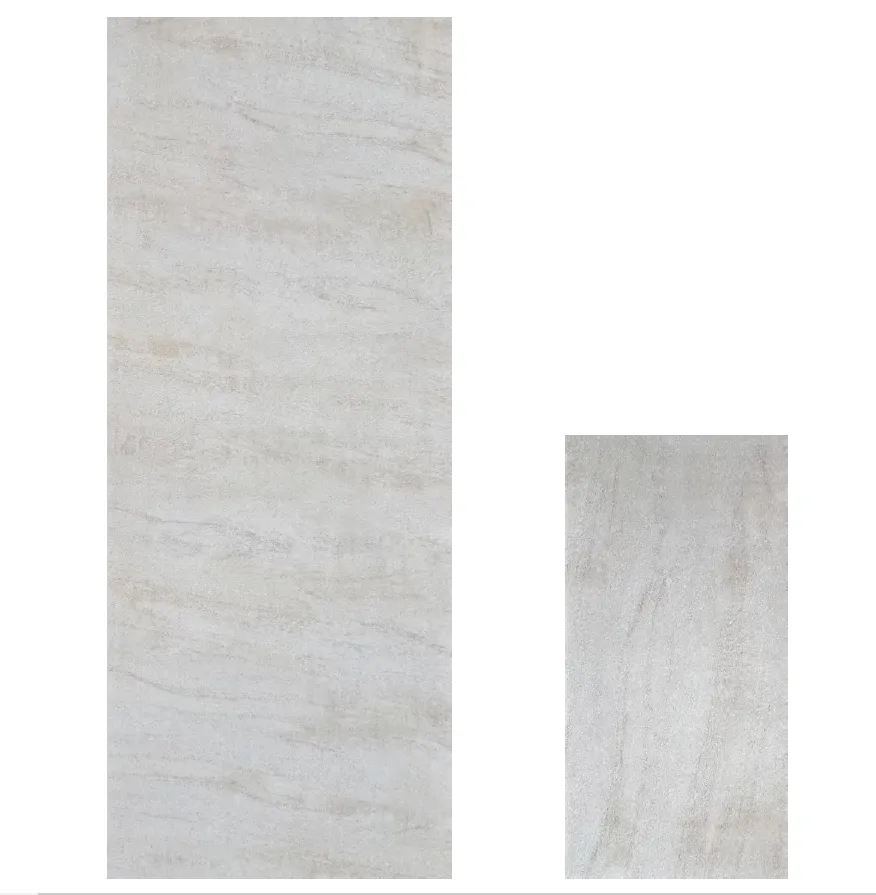
There's something inherently captivating about Marble Stream Stone. Maybe it's the way its soft, flowing veining mimics a gentle stream frozen in time, or how its neutral tones—swirls of whites, grays, and subtle beiges—seamlessly blend with both modern and traditional spaces. Walk into a home or restaurant adorned with this stone, and you'll immediately sense a touch of elegance that feels both timeless and alive. But owning Marble Stream Stone isn't just about admiring its beauty; it's about caring for it. Like a cherished piece of art, this stone demands attention to preserve its luster for years to come. Whether it's gracing your kitchen countertops, lining your bathroom walls, or defining your living room floor, knowing how to maintain Marble Stream Stone is key to ensuring it remains as stunning as the day it was installed.
Before diving into maintenance, let's take a moment to appreciate what makes Marble Stream Stone unique. Unlike polished concrete, which offers a sleek, industrial vibe, or wood grain board, which brings warmth through organic patterns, Marble Stream Stone is a natural metamorphic rock formed from limestone subjected to intense heat and pressure over millennia. Its "stream-like" veining comes from mineral deposits that seeped into the stone during formation, creating one-of-a-kind patterns—no two slabs are ever identical. This uniqueness is part of its charm, but it also means each piece has its own quirks when it comes to care.
Marble Stream Stone is porous, which means it can absorb liquids and stains if not properly sealed. It's also sensitive to acidic substances like citrus, vinegar, and wine, which can etch its surface, leaving dull marks that mar its shine. These characteristics aren't flaws—they're part of what makes natural stone special. With the right care, you can work with these traits, not against them, to keep your Marble Stream Stone looking flawless.
You'll often see Marble Stream Stone in high-traffic areas where beauty and durability are equally important. Kitchen countertops are a popular spot, thanks to their resistance to heat (though not extreme temperatures—more on that later). Bathroom walls and floors love its water-resistant properties (when sealed), and living room fireplaces become focal points with its elegant backdrop. Some designers even use it for outdoor patios, pairing it with materials like gobi panel for a striking contrast that blends nature and modernity. No matter where it's installed, the maintenance principles remain similar, with slight tweaks for location-specific challenges.
Think of daily maintenance as the "brushing your teeth" of stone care—simple, routine, and essential. Neglecting it can lead to buildup, stains, and dullness that's hard to reverse. Here's how to keep your Marble Stream Stone sparkling day in and day out.
Dust, dirt, and debris might seem harmless, but when left to accumulate, they act like sandpaper, scratching the stone's surface every time you walk or wipe over it. For floors, use a soft-bristle broom or a microfiber dust mop—avoid stiff brushes or vacuum cleaners with beater bars, which can snag and scratch. For countertops and walls, a dry microfiber cloth works wonders. Make this a daily habit, especially in high-traffic areas like entryways or kitchen islands.
When it's time for a deeper clean, skip the harsh chemicals. Marble Stream Stone hates acidic or abrasive cleaners—think vinegar, lemon-based products, or scouring powders. These can eat away at the stone's sealant and etch the surface, leaving permanent marks. Instead, opt for a pH-neutral stone cleaner (look for labels that say "safe for marble") mixed with warm water. Apply the solution with a soft sponge or cloth, gently wiping in a circular motion, then rinse thoroughly with clean water and dry immediately with a lint-free towel. Standing water is your enemy here—mineral deposits from water can leave spots, especially on polished surfaces.
Even with the best daily care, stains happen. A forgotten wine glass on the countertop, a splatter of tomato sauce during dinner prep, or a leaky soap bottle in the shower—these are all common culprits. The key is to act fast and use the right treatment for the stain type. Below is a breakdown of the most common stains and how to handle them.
| Stain Category | Common Causes | Immediate Action | Deep Cleaning Steps | Prevention Tips |
|---|---|---|---|---|
| Organic Stains (Coffee, Tea, Wine) | Spills from food/drinks with natural pigments | Blot with paper towel; avoid rubbing | Mix 1 tablespoon hydrogen peroxide with a few drops of ammonia. Apply to stain, cover with plastic wrap, let sit 24 hours. Rinse and dry. | Use coasters; clean up spills within 5 minutes |
| Oil-Based Stains (Grease, Butter, Makeup) | Cooking oils, lotion, hair products | Blot with paper towel; sprinkle baking soda to absorb excess oil | Make a paste of baking soda and water. Apply to stain, cover with plastic wrap, let sit 48 hours. Rinse and dry. Repeat if needed. | Wipe up oil spills immediately; use trivets for greasy pans |
| Acidic Stains (Citrus, Vinegar, Tomato Sauce) | Spills from acidic foods or cleaners | Flush with water immediately; blot dry | For mild etching, use a marble polishing powder (follow product instructions). For severe etching, call a professional stone restorer. | Keep acidic foods/cleaners away from stone; use cutting boards for citrus |
| Mineral Stains (Hard Water Spots) | Standing water, leaky faucets | Wipe dry with a towel after use | Mix equal parts water and white vinegar (yes, vinegar—this is an exception for mineral deposits!). Apply with a cloth, let sit 5 minutes, rinse, dry. | Wipe down shower walls/faucets daily; use a squeegee after showers |
Some stains are too tough for DIY fixes. If you've tried the above steps and the stain remains, or if the stone has deep scratches or extensive etching, it's time to call in a professional stone restorer. These experts have specialized tools and products (like diamond abrasives for polishing) that can revive even severely damaged Marble Stream Stone. Don't wait too long—delaying treatment can make the stain harder to remove, and in some cases, permanent.
Maintenance isn't just about cleaning—it's about prevention. Marble Stream Stone is durable, but it's not indestructible. Here's how to protect it from common sources of damage:
Marble Stream Stone is softer than granite, so it's prone to scratches from sharp objects. Avoid dragging heavy furniture across floors—use felt pads under table legs and chair feet. On countertops, never cut directly on the stone; always use a cutting board. Even seemingly harmless items like keys or jewelry can scratch if dropped, so be mindful of what you place on the surface.
While Marble Stream Stone can handle warm dishes, extreme heat (like a hot pan straight from the oven) can cause thermal shock, leading to cracks or discoloration. Always use trivets or heat-resistant pads under hot cookware. This is especially important for kitchen countertops, where heat exposure is most common.
Edges and corners are the most vulnerable to chipping. Avoid slamming cabinet doors against countertop edges, and be cautious when moving heavy objects near stone surfaces. If a small chip does occur, you can use a marble repair kit (available at hardware stores) to fill it in. For larger chips, consult a professional to ensure a seamless repair.
Sealing is the single most important step in maintaining Marble Stream Stone. Think of sealant as a protective barrier that blocks liquids from seeping into the stone's pores. Without it, stains and water damage become much more likely. But how often should you seal, and what type of sealant should you use?
The frequency depends on the stone's location and use. Kitchen countertops, which see daily spills and heavy use, should be sealed every 6–12 months. Bathroom walls or floors, which are exposed to moisture, need sealing every 12–18 months. Low-traffic areas like fireplace surrounds can go 2–3 years between sealings. To test if your stone needs sealing, sprinkle a few drops of water on the surface. If the water beads up, the sealant is still effective. If it soaks into the stone within 5–10 minutes, it's time to reseal.
Opt for a penetrating sealant (also called impregnating sealant), which soaks into the stone and forms a barrier below the surface. Avoid topical sealants, which sit on top of the stone and can yellow over time or wear off unevenly. Look for sealants labeled "safe for marble" and "water-based" (solvent-based sealants can darken the stone temporarily). Apply the sealant according to the manufacturer's instructions—typically, you'll wipe it on with a cloth, let it sit for 10–15 minutes, then wipe off excess. Allow the stone to dry completely (24–48 hours) before using it.
Even with perfect maintenance, Marble Stream Stone will show signs of wear over time. Polished surfaces may lose their shine, or small etch marks may accumulate. When this happens, it's time for a little TLC to restore its original beauty.
For dull or lightly etched surfaces, a marble polishing powder can work wonders. These powders contain mild abrasives that gently buff away surface imperfections, restoring shine. Mix the powder with water to form a paste, apply to the stone, and buff with a soft cloth in circular motions. Rinse thoroughly and dry. For larger areas, consider using a buffer with a soft pad for more even results.
If you prefer a matte finish (or if the stone is heavily etched), honing is the way to go. Honing uses finer abrasives than polishing to remove a thin layer of the stone's surface, eliminating etch marks and scratches. This process is best left to professionals, as it requires specialized equipment to ensure an even finish. Honed Marble Stream Stone has a soft, velvety texture that's less prone to showing fingerprints and water spots, making it a popular choice for bathrooms.
For severely damaged stone (deep scratches, extensive etching, or uneven wear), refinishing is necessary. This involves grinding down the stone's surface to remove damage, then honing and polishing to restore its appearance. Refinishing is a significant project, but it can make old, worn stone look brand new. Expect to pay a professional for this service, but consider it an investment—refinishing can extend the life of your Marble Stream Stone by decades.
Your stone's needs change with the seasons. Here's how to adjust your maintenance routine throughout the year:
Humidity can increase moisture on stone surfaces, leading to mold or mildew in damp areas like bathrooms. Wipe down shower walls and floors regularly, and use a dehumidifier if needed. If you have Marble Stream Stone outdoors (like a patio), protect it from direct sunlight during peak hours—UV rays can fade the stone over time. Also, rinse off pool water promptly, as chlorine can etch the surface.
Indoor floors near entryways are vulnerable to salt and ice melt tracked in on shoes. These products are highly acidic and can damage stone. Place mats at doorways to catch debris, and wipe floors daily with a damp cloth to remove salt residue. Avoid using ice melt on outdoor stone surfaces—instead, use sand for traction.
Hosting guests means more spills and traffic. Prep ahead by sealing countertops a week before the event, and place coasters and trivets in visible spots for guests to use. After the party, do a deep clean with pH-neutral cleaner to remove any hidden spills or residue.
Marble Stream Stone is a team player—it pairs beautifully with other materials, adding depth and texture to any space. When designing with it, consider how to maintain the entire look, not just the stone itself. For example, pairing Marble Stream Stone countertops with polish concrete floors creates a sleek, modern aesthetic, but both require different care (polish concrete is more resistant to stains but can still scratch). Similarly, wood grain board accents add warmth, but wood needs regular oiling to prevent drying out. By understanding the needs of each material, you can create a cohesive space that's both beautiful and easy to maintain.
Caring for Marble Stream Stone might seem like a lot of work, but the payoff is immeasurable. Imagine walking into your kitchen years from now and seeing that same flowing veining, that same soft shine, as the day it was installed. That's the magic of proper maintenance—it turns a temporary beauty into a lasting legacy. Whether you're wiping up a spill, sealing the surface, or simply admiring its patterns, remember that your efforts are preserving more than just a stone—you're preserving a piece of nature's artistry, one that will bring joy to your home for generations to come.
So grab your microfiber cloth, stock up on pH-neutral cleaner, and make a commitment to your Marble Stream Stone. It's not just a surface—it's a story, and with the right care, that story will only get more beautiful with time.
Recommend Products












