
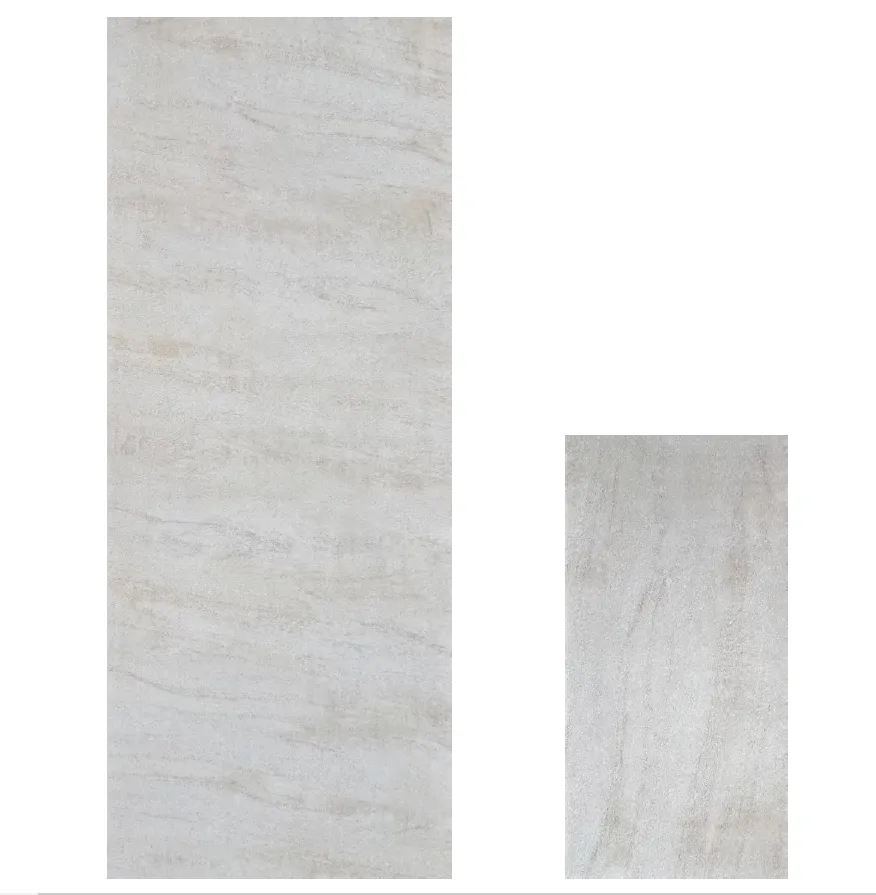
Choosing the right building material isn't just about aesthetics—it's about longevity, practicality, and how well it stands up to the test of time. Whether you're designing a home, a commercial space, or restoring a historic building, the durability of your chosen stone can make or break the project. Today, we're diving deep into two popular options: the elegant marble stream stone and the classic limestone (beige) . We'll explore their origins, composition, and how they hold up in real-world conditions—so you can make an informed choice that balances beauty and resilience.
Marble stream stone isn't just a material; it's a story written in stone. Formed from limestone that's been transformed by intense heat and pressure over millions of years, it gets its name from the swirling, river-like patterns that run through its surface—think of a frozen moment in a mountain stream, captured in stone. Its color palette ranges from soft whites and grays to deeper, earthy tones, with veins that add depth and character. Unlike some marbles that feel cold or sterile, marble stream stone has a warm, organic quality, making it a favorite for both modern and traditional spaces.
One of the reasons designers love it? Versatility. It works as a kitchen countertop, a bathroom backsplash, or even an exterior facade, adding a touch of luxury without feeling over-the-top. But how does this beauty hold up when life happens—spills, scratches, or harsh weather?
If marble stream stone is the sophisticated newcomer, limestone (beige) is the wise elder. Formed from the accumulation of marine organisms like coral and shells, it's a sedimentary rock with a soft, porous texture and a warm, sandy hue that feels like a hug from the earth. You've seen it in historic cathedrals, ancient temples, and cozy cottage fireplaces—it's the stone that whispers tales of the past.
Beige limestone, in particular, is prized for its neutrality. It pairs effortlessly with wood, metal, and even bold colors, making it a staple in both rustic and refined designs. But its porous nature and softer composition raise questions: Can it handle the hustle and bustle of a busy household? Or the relentless rain and sun of an outdoor patio?
To truly compare these two, we need to look at the metrics that matter most for durability. Let's break it down:
| Factor | Marble Stream Stone | Limestone (Beige) |
|---|---|---|
| Hardness (Mohs Scale) | 3-4 (softer than granite, harder than limestone) | 2-3 (one of the softest natural stones) |
| Porosity | Low to medium (tighter grain structure) | High (more pores, absorbs liquids easily) |
| Stain Resistance | Moderate (resists light spills; needs sealing for oils/wines) | Low (prone to staining from coffee, juice, or oil without sealing) |
| Weather Resistance | Good for covered exteriors; vulnerable to acid rain over time | Poor in harsh climates; erodes slowly in rain/snow |
| Heat Resistance | Excellent (can handle hot pans without damage) | Good (but avoid sudden temperature changes to prevent cracking) |
On the Mohs scale, which measures mineral hardness, marble stream stone sits at 3-4, while limestone (beige) is slightly softer at 2-3. What does that mean in real life? If you drag a metal chair across a limestone floor, you're more likely to leave a scratch than on marble stream stone. In high-traffic areas like entryways or hallways, limestone may show wear faster—think scuffs from shoes or dents from dropped objects. Marble stream stone, while not invincible, holds up better to daily abrasion.
Imagine spilling a glass of red wine on your countertop. With limestone (beige), that wine will start seeping into the pores within minutes, leaving a stubborn stain if not wiped up immediately. Marble stream stone, with its tighter grain, buys you more time—you might have 10-15 minutes to clean it before it sets in. Both stones need sealing, but limestone requires more frequent treatments (every 6-12 months) compared to marble stream stone (every 1-2 years).
Exposure to the elements is where the difference really shines. Limestone (beige) is beautiful in a covered patio or garden wall, but in a rainy or snowy climate, its high porosity makes it prone to water damage. Over time, freeze-thaw cycles can cause it to crack or crumble. Marble stream stone, with its lower porosity, fares better outdoors—think a sunny courtyard or a pool surround—though it still needs protection from harsh acids like bird droppings or industrial pollution.
Let's look at two case studies to see these stones in action.
The downtown public library, built in 1925, features limestone (beige) walls and pillars. Over the decades, the stone has developed a beautiful patina—those soft, weathered edges tell a story of time. But maintenance crews work tirelessly: every spring, they power-wash the exterior to remove grime, then apply a fresh sealant to protect against rain. Inside, the limestone floors have been refinished twice in the past 20 years to smooth out scratches from book carts and foot traffic. It's a labor of love, but the result is a space that feels timeless.
A family in Colorado renovated their kitchen five years ago, choosing marble stream stone countertops. "We loved the way the veins looked like a river running through the stone," says homeowner Maria. "At first, I was nervous about kids and spills, but we sealed it right after installation, and it's held up great. We've had coffee spills, pasta sauce splatters—even a dropped ceramic bowl—and there's barely a mark. The only issue was a scratch from a sharp knife, but a quick polish fixed it."
Neither stone is "set it and forget it," but their care routines differ:
Still torn? Here's a cheat sheet:
Choose marble stream stone if… You want a balance of beauty and durability, plan to use it indoors (or a covered outdoor space), and don't mind annual sealing. It's perfect for kitchens, bathrooms, or accent walls where you want to make a statement without constant upkeep.
Choose limestone (beige) if… You're drawn to its soft, historic charm, and are willing to invest in regular maintenance. It shines in low-traffic areas like formal dining rooms, fireplaces, or as a decorative facade where its patina will only get better with age.
And if you're looking for alternatives? For a warmer, more textured look, wood grain board pairs beautifully with both stones, adding a cozy contrast. For a sleek, industrial vibe, fair-faced concrete is a durable, low-maintenance option—though it lacks the organic warmth of natural stone.
At the end of the day, both marble stream stone and limestone (beige) are stunning in their own right. Limestone whispers of history and tradition, while marble stream stone sings of modern elegance. The key is to match the stone to your lifestyle: if you're a busy family with kids and pets, marble stream stone might be the smarter bet. If you're a history buff who loves the character of aged materials, limestone (beige) could be your perfect match.
Whichever you choose, remember: no stone is indestructible, but with a little care, both can turn your space into something timeless. After all, the best materials aren't just durable—they tell your story, one scratch, stain, and patina at a time.
Recommend Products












