
Choosing the right stone for your space is more than just aesthetics—it's about story, practicality, and soul. Let's dive in.
Picture this: You're standing in a sunlit stone yard, the air thick with the earthy scent of cut rock. To your left, a slab of natural Calacatta marble glows softly, its ivory surface swirled with veins of charcoal and gold—each line a fingerprint of millions of years of geological dance. You run a hand over it; it's cool, almost alive, like touching a fragment of the planet's memory. To your right, a slab labeled "Marble Stream Stone" catches your eye. At first glance, it's hard to tell the difference. The veining is just as intricate, the sheen just as warm. But as you lean in, you notice something: the pattern repeats more evenly, the edges feel slightly lighter, and there's a subtle resilience to its surface that makes you wonder—*what is this stuff, and how does it stack up to the real deal?*
For designers, homeowners, and architects, the choice between natural marble and Marble Stream Stone isn't just about picking a pretty surface. It's about balancing tradition and innovation, luxury and practicality, and the stories we want our spaces to tell. Let's unpack the nuances, so you can make a choice that feels right for *your* project.
Natural marble is the OG of luxury stone. Formed deep within the Earth's crust when limestone is subjected to intense heat and pressure over millions of years, it's a metamorphic rock that carries the planet's history in every inch. Quarried from iconic sites like Carrara in Italy (Michelangelo's go-to for statues) or Penteli in Greece (where the Parthenon's marble was sourced), each slab is one-of-a-kind—no two are exactly alike.
What makes natural marble so beloved? It's the *imperfection*. Those "flaws"—the uneven veining, the tiny pits, the way light plays differently across its surface—tell a story. A kitchen countertop in Crema Marfil marble might have a vein that loops like a river, reminding you of the ancient seas that once covered the limestone bedrock. A bathroom floor in Emperador Dark could have golden flecks that sparkle like buried treasure, turning a mundane morning routine into a moment of quiet luxury.
Then there's the sensory experience. Natural marble is cool to the touch, making it perfect for hot climates or summer days when you want a surface that doesn't retain heat. It ages gracefully, too—over time, it develops a "patina," a soft sheen that comes from years of use, like a well-loved book or a vintage leather chair. For many, this aging process is part of its charm; it becomes a living record of the life happening around it.
But let's get real: natural marble isn't all romance and history. It's a soft stone (rated 3-4 on the Mohs hardness scale, for context—your fingernail is a 2.5, so it's not *that* hard). That means it scratches easily. A rogue wine glass, a stray kitchen knife, or even a heavy vase can leave a mark. It's also porous—think of it like a sponge with tiny holes. Spill coffee, red wine, or citrus juice, and if you don't wipe it up immediately, it might stain. Even water can leave "etching" marks if left too long, thanks to its calcium carbonate composition reacting with acids.
Then there's the cost. High-quality natural marble isn't cheap. Rare varieties like Statuario or Calacatta can run $100-$200 per square foot, and that's before installation. Quarrying it is labor-intensive, too—heavy machinery, skilled workers, and the environmental impact of extracting stone from the earth. And because each slab is unique, you might end up with surprises: a slab that looks perfect in the yard could have a large crack when it arrives, or the veining might clash with adjacent pieces. It's part of the gamble, but it's a gamble not everyone wants to take.
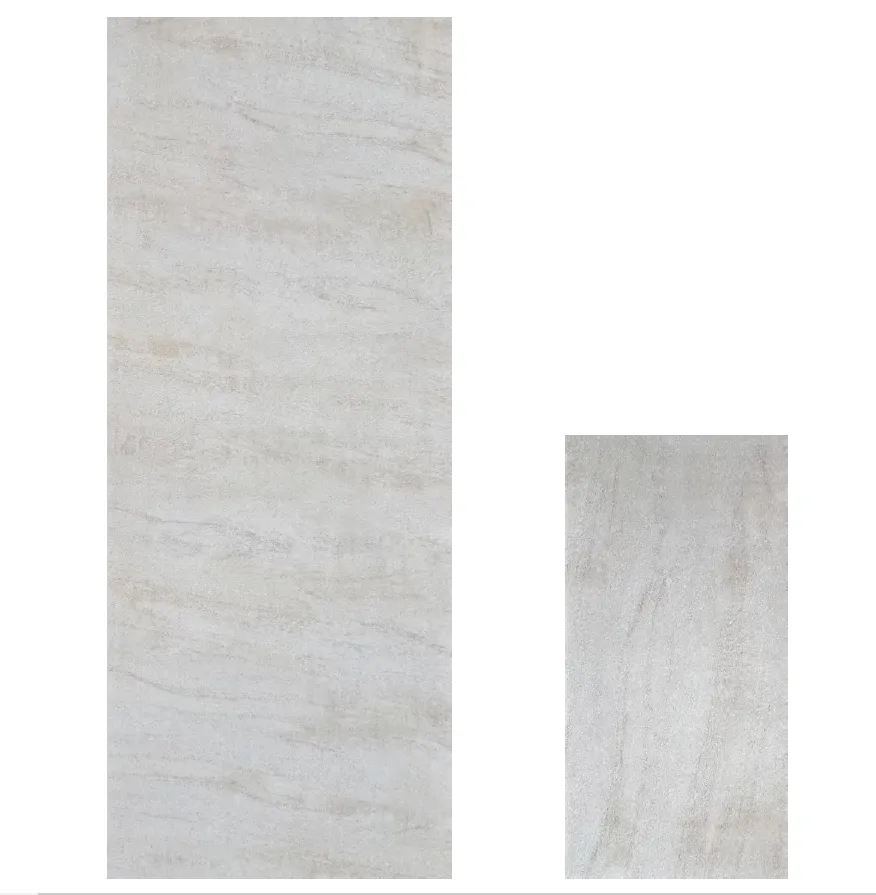
If natural marble is the wise elder with centuries of stories, Marble Stream Stone is the innovative upstart—born from a desire to capture marble's beauty without its headaches. So, what *is* it? Marble Stream Stone is an engineered stone, typically part of a broader category called Modified Composite Materials (MCM), which blend natural stone aggregates (like crushed marble) with polymers, resins, or other binders. Think of it as marble's tech-savvy cousin—designed in a lab, but inspired by nature.
The magic of Marble Stream Stone starts with the ingredients. Manufacturers take high-quality marble chips, dust, or powder—often recycled from natural marble quarries or fabrication scraps—and mix them with a polymer resin (like epoxy or polyester). This blend is then poured into molds, compressed under high pressure, and cured to form slabs. Some brands even use advanced techniques like 3D printing (hello, mcm 3d printing series ) to create ultra-realistic veining, mimicking the randomness of natural marble but with more control.
The result? A material that looks, feels, and even *sounds* like natural marble, but with a few key upgrades. The resin binder fills in those porous gaps, making it non-porous. The compression process makes it denser and harder. And because it's engineered, manufacturers can tweak the formula to enhance specific properties—like adding UV resistance for outdoor use or flexibility for curved surfaces (more on that later when we talk about mcm flexible stone ).
Marble Stream Stone's biggest draw? Consistency. If you're designing a large space—a hotel lobby, a retail store, or a sprawling kitchen—you don't want one slab of marble to look drastically different from the next. With Marble Stream Stone, you can order multiple slabs that match perfectly, ensuring a seamless, cohesive look. No more panicking that the "river" vein in your countertop will suddenly veer off course halfway through installation.
It's also built to last. Most Marble Stream Stone products are rated 5-6 on the Mohs scale, making them more scratch-resistant than natural marble. And since they're non-porous, spills wipe right off—no need for expensive sealants every few years. (Pro tip: You'll still want to clean up that red wine quickly, but it won't seep in and leave a permanent stain.) Plus, it's lighter than natural marble, which makes installation easier and cheaper—no need for reinforced cabinets or extra structural support.
To help you visualize the contrast, let's break down the key differences side by side. Think of this as your cheat sheet for choosing between the two:
| Feature | Natural Marble | Marble Stream Stone |
|---|---|---|
| Appearance | Unique, one-of-a-kind veining; natural pits and color variations; high translucency. | Replicates natural veining with high realism; more consistent color/pattern; minimal pits. |
| Durability | Soft (3-4 Mohs); prone to scratches, chips, and etching from acids. | Harder (5-6 Mohs); scratch, chip, and acid-resistant; non-porous. |
| Maintenance | Requires annual sealing; immediate spill cleanup; sensitive to harsh cleaners. | No sealing needed; easy to clean with soap and water; resistant to most household chemicals. |
| Cost | $75-$200+ per square foot (material + installation). | $40-$80 per square foot (material + installation); more budget-friendly. |
| Installation | Heavy (20-30 lbs/sq ft); requires professional installers; may need structural support. | Lighter (10-15 lbs/sq ft); easier to handle; suitable for DIY (with caution). |
| Sustainability | Quarrying can disrupt ecosystems; high waste during fabrication. | Often uses recycled stone; less waste in production; lower carbon footprint from lighter transport. |
Don't get us wrong—Marble Stream Stone isn't perfect. While it mimics natural marble's look, it can't replicate that *exact* "alive" feel. Some purists argue it lacks the depth and character of the real thing; the veining, while realistic, might feel slightly "too perfect" to those who love natural imperfection. It also has a different thermal conductivity—natural marble stays cooler longer, while Marble Stream Stone might warm up a bit more under sunlight. And while it's durable, it's not indestructible: extreme heat (like a hot pan straight from the oven) can damage the resin binder, so you'll still want to use trivets.
At the end of the day, the choice between natural marble and Marble Stream Stone comes down to your priorities. Here's a quick guide to help you decide:
If neither natural marble nor Marble Stream Stone feels like "the one," don't worry—there's a whole world of innovative materials out there. Let's touch on a couple that might spark your interest:
If you thought stone was only for flat surfaces, think again. MCM flexible stone is a game-changer for designers who love organic shapes. Made with the same composite technology as Marble Stream Stone but with a thinner, more pliable structure, it can bend around columns, wrap curved walls, or even cover furniture. Imagine a fireplace with a sweeping, curved surround that looks like carved marble but weighs a fraction of the real thing—flexible stone makes that possible. It's also great for renovation projects where adding heavy stone might not be feasible (hello, old homes with delicate structures).
If marble's elegance feels too formal, fair-faced concrete offers a raw, modern alternative. Also known as "architectural concrete," it's poured and finished to expose the natural texture of the material—no paint, no polish, just the beauty of its gray tones, subtle aggregates, and tiny air bubbles. It pairs beautifully with both natural marble (for contrast) and Marble Stream Stone (for a cohesive, contemporary look). Plus, it's durable, low-maintenance, and surprisingly warm when paired with wood or textiles.
For spaces that need a softer touch, wood grain board (another MCM product) mimics the look of natural wood but with the durability of engineered stone. It's water-resistant, scratch-proof, and perfect for kitchens, bathrooms, or outdoor decks where real wood might warp or rot. Pair it with Marble Stream Stone for a blend of warmth and sophistication—think wood grain cabinets with a marble-look countertop. It's the best of both worlds.
At the end of the day, there's no "right" or "wrong" choice between natural marble and Marble Stream Stone. Both have their place, and both can transform a space into something special. Natural marble is a love letter to tradition, to the earth's slow, patient artistry. Marble Stream Stone is a celebration of innovation, of human ingenuity finding ways to make beauty more accessible and practical.
So, go ahead—visit that stone yard again. Run your hand over the natural marble, feel its coolness, trace its veins. Then do the same with Marble Stream Stone. Notice how it feels under your fingertips, how the light plays on its surface. Which one makes your heart skip a beat? Which one aligns with how you live, work, and play in your space? That's the one to choose.
After all, the best materials aren't just about looks—they're about the stories we create with them. And whether your story is written in ancient stone or cutting-edge composite, it's sure to be beautiful.
Recommend Products












