
When we walk into a building—whether it's the office where we spend our weekdays, the apartment where we tuck our kids into bed at night, or the shopping mall where we meet friends for coffee—we rarely stop to think about the materials that clothe its walls. But those materials? They're silent guardians. They shield us from the elements, shape the space's character, and most critically, stand between us and danger when emergencies strike. Fire safety, in particular, is one of those "out of sight, out of mind" concerns—until it isn't. That's why choosing cladding and facade materials with robust fire resistance isn't just a box to tick for architects and builders; it's a promise to the people who will live, work, and thrive inside those walls.
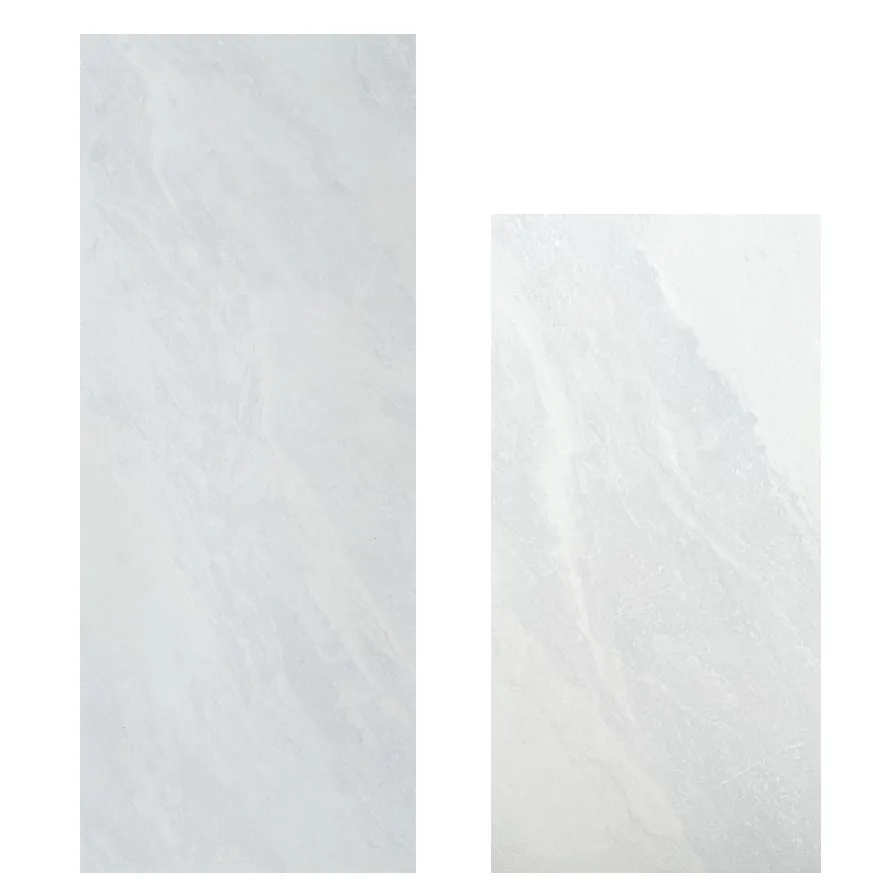
Today, we're diving into a material that's making waves in the world of safe, stylish building design: Marble Veil White . Part of the broader marble series, this material isn't just about beauty (though its soft, veined patterns could make any wall feel like a work of art). It's about redefining what we expect from cladding—proving that you don't have to sacrifice aesthetics for safety, or vice versa. And when paired with innovations like the MCM Big Slab Board Series , it's setting a new standard for modern construction. Let's unpack why Marble Veil White deserves a spot on your next project's material list—starting with the feature that matters most: fire resistance.
Before we get into the specifics of Marble Veil White, let's take a step back. Why does fire resistance even matter? Think about it: a building's facade is its first line of defense against external fires (like a neighboring structure catching alight) and a critical barrier against internal ones (electrical faults, kitchen accidents, etc.). Materials that are flammable or release toxic fumes when heated can turn a small incident into a catastrophe. They can spread flames rapidly, block escape routes with smoke, and weaken the building's structure, putting lives and property at risk.
Regulations around fire safety in construction are stricter than ever—and for good reason. From high-rise residential towers to commercial complexes, building codes now demand materials that meet rigorous fire resistance ratings, often requiring non-combustible or low-combustible cladding. But here's the catch: many traditional "safe" materials (looking at you, plain concrete) can feel cold, industrial, or one-note. They get the job done, but they don't exactly inspire joy or creativity in design. That's where Marble Veil White comes in—it's a material that checks the safety box and the beauty box, proving that "practical" and "stunning" can coexist.
So, what is Marble Veil White, exactly? At its core, it's a premium cladding material that draws inspiration from natural marble, mimicking its elegant veining and soft, luminous finish. But unlike natural marble, which can be porous and heavy, Marble Veil White is engineered for performance. It's part of a new generation of green building materials that prioritize sustainability without cutting corners on durability or safety. Let's break down its fire resistance credentials.
First and foremost, Marble Veil White is non-combustible . That means it won't catch fire, even when exposed to high temperatures. Unlike some synthetic claddings (think vinyl or certain wood composites) that can melt, drip, or ignite when heated, Marble Veil White maintains its integrity. Its composition—ground natural stone combined with mineral-based binders—resists ignition and doesn't contribute to flame spread. In fire safety terms, that's a game-changer. Imagine a scenario where a fire breaks out in an adjacent room: a non-combustible facade like Marble Veil White acts as a firewall, containing the blaze and giving occupants precious extra minutes to evacuate.
Another hidden danger in fires? Toxic smoke. Many materials release harmful gases (like carbon monoxide or hydrogen cyanide) when burned, which can incapacitate people long before flames reach them. Marble Veil White, however, is inert when heated. It doesn't off-gas or release toxic fumes, making it safer for both occupants and firefighters. This is especially crucial in enclosed spaces, like office buildings or hospitals, where smoke can quickly fill corridors and stairwells. With Marble Veil White, you're not just preventing fire spread—you're protecting the air people breathe during an emergency.
Fires don't just involve flames—they generate intense heat. Materials that crack, warp, or lose structural integrity under high temperatures can compromise a building's stability. Marble Veil White, though, is built to withstand heat. Its melting point is far higher than typical fire temperatures, and it retains its strength even when exposed to prolonged heat. This durability means it won't crumble or fall away, keeping the building's structure intact and reducing the risk of collapse.
Fun fact: In fire resistance tests, Marble Veil White has been shown to maintain its structural integrity at temperatures exceeding 1,000°C (1,832°F)—hotter than the average house fire, which typically peaks around 600-800°C. That's the kind of resilience that can make all the difference in a crisis.
To really understand Marble Veil White's fire safety credentials, it helps to see how it stacks up against other common cladding materials. Let's take a look at a few popular options—including some you might already be familiar with, like fair-faced concrete and flexible stone —and how they compare in key fire-related categories.
| Material | Fire Resistance Rating* | Combustibility | Toxic Emissions When Heated | Typical Applications |
|---|---|---|---|---|
| Marble Veil White | Class A1 (Non-combustible) | Non-combustible | None | Residential facades, commercial lobbies, high-rises |
| Fair-faced Concrete | Class A1 (Non-combustible) | Non-combustible | Minimal (traces of CO2) | Industrial buildings, brutalist architecture |
| Flexible Stone | Class A2 (Low-combustible) | Low-combustible | Minimal (depends on binder) | Curved surfaces, retrofits, accent walls |
| MCM Big Slab Board Series (with Marble Veil White) | Class A1 (Non-combustible) | Non-combustible | None | Large-scale commercial projects, modern facades |
| Vinyl Cladding | Class B (Combustible) | Combustible | High (releases chlorine gas, dioxins) | Budget residential projects (declining in use due to safety concerns) |
*Class A1 is the highest rating under EN 13501-1, indicating non-combustible materials with no contribution to fire.
The table tells a clear story: Marble Veil White holds its own against even the most fire-safe traditional materials like fair-faced concrete, but with a major upgrade in aesthetics. While fair-faced concrete is undeniably durable, it lacks the warmth and elegance of Marble Veil White's veined finish. Flexible stone , another popular option for its versatility, falls just slightly behind in fire resistance (Class A2 vs. A1), making Marble Veil White the safer choice for high-risk or high-occupancy buildings.
And then there's the MCM Big Slab Board Series —a line of large-format panels that often feature Marble Veil White as a finish. These slabs are engineered for seamless installation, reducing gaps where fire could sneak through, and their reinforced structure adds an extra layer of fire resistance. For projects where both safety and a sleek, modern look are priorities, this combination is hard to beat.
Fire resistance is a big selling point, but Marble Veil White isn't a one-trick pony. Let's talk about the other benefits that make it a standout choice for today's buildings—because great materials should do more than just keep you safe; they should make your space better to live and work in.
Let's start with the obvious: Marble Veil White is stunning. Its soft, white base is swirled with delicate gray veining, evoking the timeless beauty of natural marble without the high maintenance. Whether you're designing a luxury hotel lobby, a minimalist home, or a cutting-edge tech office, it adds a touch of sophistication that's hard to replicate with industrial materials like plain concrete. And because it's part of the marble series, it pairs seamlessly with other marble-inspired products (think marble stream stone or marble interstellar gray ) for a cohesive look.
Building materials that need frequent repairs or replacement aren't just a hassle—they're a drain on budgets. Marble Veil White, though, is built to last. It's resistant to scratches, stains, and weathering (rain, UV rays, pollution—you name it), so it'll look fresh for decades with minimal upkeep. No repainting, no sealing every few years, no worrying about fading. For busy property managers or homeowners who don't want to fuss over maintenance, that's a huge win.
As we mentioned earlier, Marble Veil White is part of the green building materials movement. It's often made with recycled stone content, reducing the need for quarrying new materials, and its production process is designed to minimize waste and energy use. Plus, because it's so durable, it doesn't end up in landfills every few years like some less sturdy cladding options. For builders and developers aiming for LEED certification or other sustainability credentials, this is a major plus.
Marble Veil White isn't picky about where it goes. It works indoors and outdoors, on flat walls and curved surfaces, in small boutique shops and sprawling commercial complexes. Pair it with wood grain board for a warm, organic vibe, or with foamed aluminium alloy board (vintage silver) for an industrial-chic contrast—the possibilities are endless. And because it's available in the MCM Big Slab Board Series, it's easy to cover large areas quickly, cutting down on installation time and labor costs.
Let's get concrete (pun intended) about where Marble Veil White is making a difference. Here are a few project types where its fire resistance, durability, and beauty come together to create exceptional spaces:
In densely populated cities, high-rise apartments are the norm—but they also come with unique fire safety challenges. With hundreds of residents, quick evacuation is critical, and materials that slow fire spread can save lives. Marble Veil White's Class A1 fire rating makes it a top choice for these buildings, while its elegant look helps attract tenants who want both safety and style. Imagine stepping out of your elevator into a lobby clad in Marble Veil White—it feels luxurious, but you can rest easy knowing it's working hard to keep you safe.
Hospitals are all about protecting vulnerable people, so fire safety is non-negotiable. Marble Veil White's non-toxic emissions and heat resistance make it ideal for patient rooms, corridors, and waiting areas. Plus, its smooth, non-porous surface is easy to clean and sanitize—critical in environments where infection control is a priority. It's a material that works as hard as the healthcare professionals inside.
Buildings that house irreplaceable art, books, or cultural artifacts need materials that protect both people and priceless items. Marble Veil White's fire resistance helps safeguard these treasures, while its timeless aesthetic complements the (dignified) atmosphere of these spaces. A museum wall clad in Marble Veil White doesn't just look beautiful—it's a silent protector of history.
At the end of the day, building materials are about trade-offs—or at least, they used to be. You could have safety, or you could have style. You could have durability, or you could have sustainability. Marble Veil White flips that script. It's a material that says, "Why not both?"
Whether you're an architect designing your next masterpiece, a developer looking to add value to a project, or a homeowner building your dream house, Marble Veil White checks all the boxes: it keeps people safe, it looks incredible, it lasts for decades, and it's kind to the planet. And when paired with innovations like the MCM Big Slab Board Series, it's easier than ever to integrate into your design.
Fire safety might not be the most glamorous topic in construction, but it's one of the most important. It's about more than following codes—it's about respecting the lives that will unfold inside the walls you build. With Marble Veil White, you're not just choosing a cladding material; you're choosing peace of mind. And in a world where so much feels uncertain, that's a choice worth making.
Marble Veil White is more than a trend—it's a sign of where construction is heading: toward materials that don't compromise. As we continue to build smarter, greener, and more human-centered spaces, fire resistance will only grow in importance. But so will beauty, sustainability, and quality of life. Marble Veil White proves that these goals aren't mutually exclusive.
So the next time you're standing in a building, take a moment to look at the walls. What do they say about the people who designed them? Do they prioritize safety? Beauty? Both? With Marble Veil White, the answer is clear: they prioritize you.
Recommend Products












