
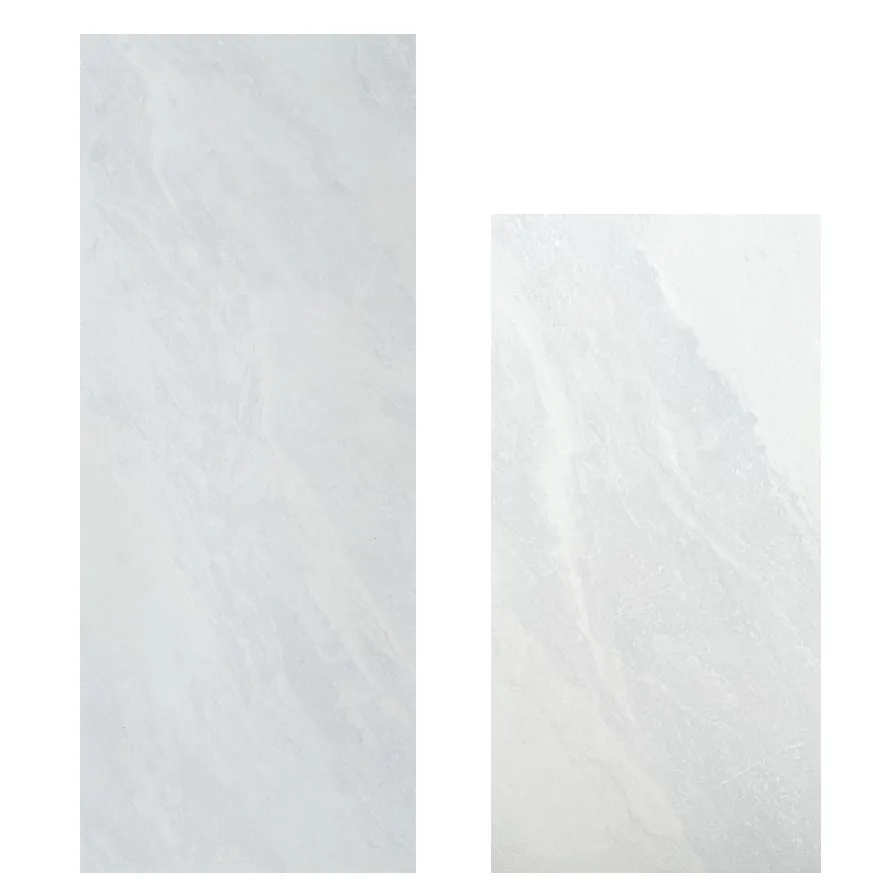
Building in Saudi Arabia is no small feat. The kingdom's climate—scorching summers with temperatures regularly exceeding 45°C (113°F), sudden humidity spikes along the coast, and relentless sandstorms—tests even the toughest construction materials. Architects, contractors, and homeowners here don't just look for materials that "look good"; they need solutions that perform , day in and day out, against nature's harshest extremes. That's where Marble Veil White comes into the picture. This elegant, versatile stone has been turning heads in the Saudi construction scene, not just for its timeless beauty, but for its surprising ability to stand up to the country's unique weather challenges. Let's dive into why Marble Veil White is becoming a go-to choice for projects from Riyadh's modern skyscrapers to Jeddah's coastal villas.
To appreciate why Marble Veil White works in Saudi Arabia, you first need to grasp the climate's demands. Inland cities like Riyadh experience a hot desert climate : blistering days where the sun beats down with unrelenting intensity, followed by cool nights. The humidity here is low, but the UV radiation is off the charts—enough to fade paint, warp wood, and crack brittle stones in just a few years. Then there's the coast: Jeddah, Dammam, and Yanbu sit on the Red Sea or Persian Gulf, where summer humidity can soar to 85% or higher. Combine that with high temperatures, and you've got a breeding ground for mold, mildew, and material degradation. And let's not forget sandstorms: fine, abrasive particles that scratch surfaces and seep into cracks, accelerating wear and tear.
Traditional building materials often struggle here. Ordinary concrete, for example, absorbs heat like a sponge, turning interiors into saunas. Some marbles and granites, while beautiful, are porous—meaning they soak up moisture in humid areas, leading to staining or weakening. Even wood, a favorite for warm aesthetics, warps and rots quickly under Saudi's sun and occasional rain. So, what's the alternative? Enter Marble Veil White, a material designed to balance beauty and resilience.
At first glance, Marble Veil White looks like something out of a luxury Italian villa: soft, creamy white base with delicate gray veining that mimics the natural flow of marble. But don't let its elegance fool you—this is a stone built for toughness. Unlike traditional marble, which is often porous and prone to etching, Marble Veil White undergoes a specialized treatment process that enhances its density and reduces porosity. Think of it as marble with a "superpower upgrade."
What makes it stand out? Let's break down its key characteristics: low water absorption (less than 0.5%, compared to some travertines that can absorb up to 3%), high compressive strength (over 120 MPa, making it resistant to cracking under pressure), and a surface that reflects rather than absorbs sunlight. These properties aren't just technical specs—they translate to real-world performance in Saudi Arabia's harsh conditions. But how does it hold up specifically against heat and humidity? Let's take a closer look.
In Riyadh, where summer temperatures can hit 50°C (122°F), the last thing you want is a building material that traps heat. Marble Veil White's secret weapon here is its high solar reflectance index (SRI) . SRI measures how well a material reflects sunlight and emits absorbed heat—higher values mean cooler surfaces. Marble Veil White boasts an SRI of around 75 (on a scale of 0-100), which is significantly higher than, say, dark granite (which might score 30-40) or even fair-faced concrete (around 50-60). What does that mean for your building? Cooler exterior walls, which translate to lower air conditioning costs and more comfortable interiors.
I spoke with Ahmed Al-Mansoori, a Riyadh-based architect who used Marble Veil White on a recent commercial project—a 10-story office building in the city center. "Before, we used dark gray concrete panels on a similar project, and the AC bills were through the roof," he told me. "With Marble Veil White, we noticed a 15-20% drop in cooling costs in the first summer. The employees even commented that the lobby felt cooler, even on the hottest days. It's not just about saving money; it's about creating spaces people actually want to be in."
Another bonus? Heat resistance means less expansion and contraction. In Saudi Arabia, daytime heat causes materials to expand, and nighttime cooling makes them contract—a cycle that can lead to cracks over time. Marble Veil White's low thermal expansion coefficient (around 7.5 x 10^-6 per °C) minimizes this movement, reducing the risk of cracks or loose tiles. That's a big deal for exterior cladding, where even small cracks can let in sand or moisture, leading to bigger problems down the line.
Coastal Saudi cities like Jeddah face a different challenge: humidity. When warm, moist air meets cool surfaces (like air-conditioned interior walls), condensation forms. Over time, this moisture can seep into building materials, causing mold, mildew, or even structural damage. Marble Veil White's low porosity is a game-changer here. With water absorption rates below 0.5%, it resists moisture penetration, meaning even in humid environments, it stays dry and mold-free.
Take the example of a beachfront villa in Yanbu, designed by architect Lina Hassan. "The client wanted a light, airy aesthetic, but we were worried about humidity damaging traditional marble," she explained. "Marble Veil White was the perfect compromise. We used it for the exterior cladding and interior floors. After two years, there's no sign of staining, no mold, and the veining still looks as crisp as the day it was installed. Even during the monsoon season, when humidity spikes, the stone stays looking fresh."
Compare that to travertine (beige), a popular choice for its warm, earthy look. Travertine is naturally porous, with tiny holes (called "vugs") that can trap moisture. In humid areas, those holes become breeding grounds for mold, and the stone can develop unsightly dark spots. While sealing travertine helps, it needs reapplication every 1-2 years—adding maintenance costs and hassle. Marble Veil White, with its low porosity, requires far less upkeep, making it ideal for busy homeowners or commercial projects.
Still not convinced? Let's put Marble Veil White head-to-head with two other common materials in Saudi construction: fair-faced concrete and travertine (beige). The table below breaks down their performance in key areas:
| Material | Heat Resistance (SRI Score) | Humidity Resistance (Water Absorption) | Durability (Compressive Strength) | Aesthetic Appeal | Maintenance Needs |
|---|---|---|---|---|---|
| Marble Veil White | 75 (High reflectivity, keeps surfaces cool) | 0.5% (Low absorption, mold-resistant) | 120 MPa (Resistant to cracking) | High (Elegant white with gray veining, timeless look) | Low (Seal once every 5-7 years, occasional cleaning) |
| Fair-Faced Concrete | 55 (Moderate reflectivity, absorbs heat) | 3-5% (Moderate absorption, prone to staining in humidity) | 30-40 MPa (Durable but prone to cracking in heat cycles) | Medium (Industrial, modern look; limited color options) | Medium (Seal every 2-3 years, prone to dust buildup) |
| Travertine (Beige) | 65 (Good reflectivity, but porous) | 2-4% (High absorption, risk of mold in humidity) | 80-100 MPa (Strong but prone to pitting from moisture) | High (Warm, natural look with unique textures) | High (Seal every 1-2 years, regular cleaning to prevent staining) |
As the table shows, Marble Veil White outperforms fair-faced concrete and travertine (beige) in heat resistance, humidity resistance, and durability—all while matching or exceeding them in aesthetic appeal. And with lower maintenance needs, it's not just a better performer; it's a smarter long-term investment.
Marble Veil White isn't just a theoretical solution—it's already making waves in real Saudi projects. Let's explore a few standout examples:
The KAFD is Riyadh's futuristic financial hub, home to skyscrapers, luxury hotels, and high-end retail. One of its flagship buildings, the 40-story "Crystal Tower," uses Marble Veil White for its exterior cladding. The stone's light color helps reflect the desert sun, reducing the building's cooling load, while its durability ensures it can withstand Riyadh's sandstorms. "We needed a material that would look sleek and modern but also hold up to the elements," says project engineer Omar Khalid. "Marble Veil White checked all the boxes. Three years in, it still looks brand new—no fading, no cracks, just that same crisp, elegant finish."
On Saudi's western coast, the Red Sea Resort is a luxury destination designed to blend with its natural surroundings. Here, Marble Veil White is used for pool decks, outdoor walkways, and villa exteriors. "Coastal humidity is a big concern here," explains resort architect Sarah Mahmoud. "We tested several materials, but Marble Veil White was the only one that didn't develop mold or stains after months of exposure. Guests love how it stays cool underfoot, even in the midday sun—no more burning feet when walking from the pool to the villa!"
For homeowners, Marble Veil White is a favorite for interiors too. Take the Al-Mansoori family's villa in Al Khobar, where they used it for kitchen countertops, bathroom walls, and even the living room floor. "We wanted something that felt luxurious but was family-friendly," says homeowner Fatima Al-Mansoori. "With kids and pets, we needed a surface that was scratch-resistant and easy to clean. Marble Veil White has been perfect—spills wipe right off, and it doesn't show water spots in the bathroom. Plus, it makes the rooms feel bright and spacious, which is a must in the Saudi heat."
Even the best material won't perform well if installed incorrectly—especially in Saudi Arabia. Here are some pro tips to ensure your Marble Veil White project thrives:
Pro Tip #1: Use a High-Quality, Heat-Resistant Adhesive – In Saudi's hot climate, regular adhesives can soften or fail. Opt for a polymer-modified thinset mortar designed for high temperatures (look for products rated for use up to 60°C/140°F).
Pro Tip #2: Seal It Properly (Once!) – While Marble Veil White is low-porosity, sealing it once after installation adds an extra layer of protection against stains and moisture. Choose a penetrating sealer (not a topical one, which can yellow in UV light) and reapply only every 5-7 years.
Pro Tip #3: Allow for Expansion Gaps – Even with low thermal expansion, all materials move slightly in Saudi's temperature swings. Leave 2-3mm gaps between tiles or panels, and fill them with a flexible, heat-resistant grout to prevent cracking.
Pro Tip #4: Clean with Mild Detergents – Avoid harsh chemicals like bleach or acidic cleaners (which can etch the surface). Stick to warm water and a pH-neutral soap for regular cleaning—simple, effective, and gentle on the stone.
At the end of the day, building in Saudi Arabia is about balancing beauty, performance, and cost. Marble Veil White delivers on all three. It's elegant enough for luxury projects, tough enough for the desert, and low-maintenance enough for busy homeowners and developers. Whether you're designing a skyscraper in Riyadh, a coastal villa in Jeddah, or a family home in Dammam, this stone offers something rare: a material that doesn't just survive Saudi's climate—it thrives in it.
So, the next time you're planning a project in the kingdom, ask yourself: Do I want a material that looks good today, or one that will look good and perform for decades? If it's the latter, Marble Veil White might just be the answer. After all, in a climate as unforgiving as Saudi Arabia's, you don't just need a building material—you need a partner in resilience. And Marble Veil White is ready to step up.
Recommend Products












