
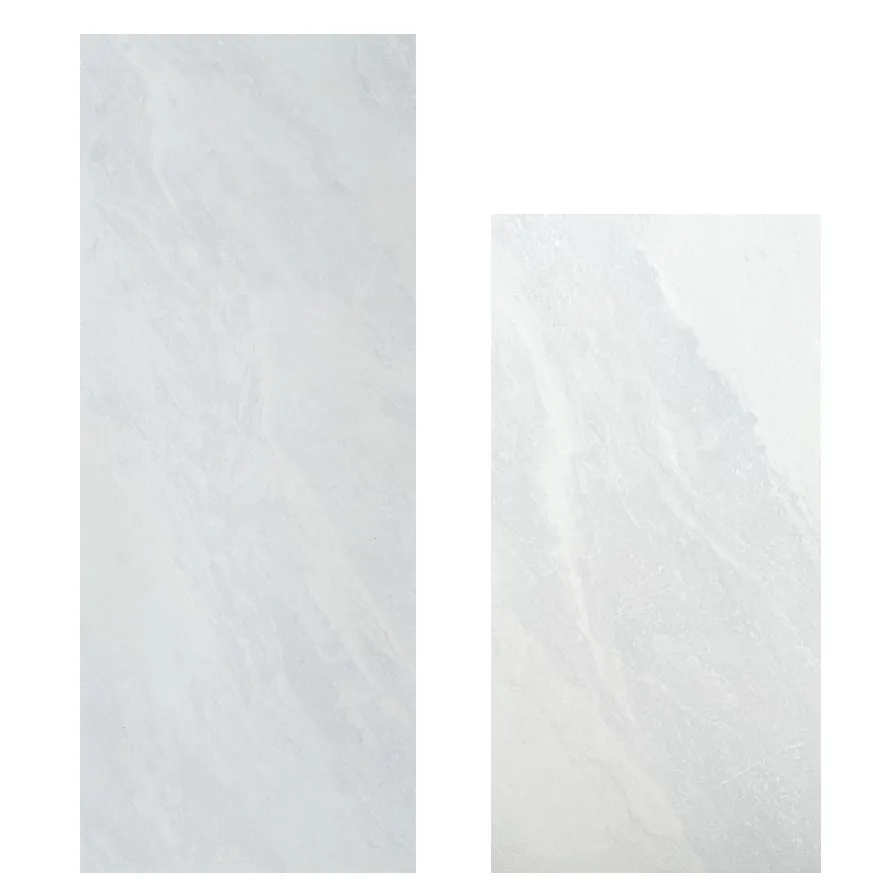
Step into a sunlit lobby of a boutique hotel in the heart of the city, and your eyes are immediately drawn to the feature wall. It shimmers softly, catching the light in a way that feels both organic and intentional—like marble, but with a modern twist. Run your hand along its surface, and you'll notice a subtle texture, a blend of smoothness and gentle ridges that invite touch. This isn't just any wall; it's crafted from Marble Veil White , part of the MCM 3D printing series —a material that's redefining how we think about architecture and design. In a world where spaces often feel generic, MCM's innovative approach to materials is breathing life into buildings, turning them from mere structures into stories.
For decades, architects and designers have grappled with a fundamental challenge: how to balance beauty with practicality. Traditional building materials—solid stone, dense concrete, rigid tiles—offered durability but came with steep trade-offs. They were heavy, limiting design flexibility; difficult to install, driving up labor costs; and often lacked the nuance to create truly unique spaces. A stone wall might exude timeless elegance, but it could also weigh down a structure or crack under stress. Concrete, while versatile, often felt cold and impersonal, lacking the warmth that makes a space feel like home.
Then came the shift toward lightweight, adaptable materials. Enter flexible stone and big slab board series —game-changers that promised the look and feel of natural stone without the bulk. But even these innovations had room to grow. Designers craved more: the ability to create complex, custom shapes; materials that could mimic rare stones or textures without depleting natural resources; and solutions that aligned with the growing demand for sustainable building practices. This is where MCM's 3D printing technology stepped in, bridging the gap between ambition and possibility.
At its core, the MCM 3D printing series is about reimagining materials from the ground up. Unlike traditional manufacturing, which often restricts designs to simple, uniform shapes, 3D printing allows for precision and complexity. Imagine a wall panel that curves gently, following the contour of a room, or a facade with intricate patterns that would be impossible to carve by hand. With MCM's 3D printing, these ideas become reality. The process layers materials with microscopic accuracy, creating textures and forms that feel both intentional and organic—like Marble Veil White , which mimics the veining of natural marble but with a consistency and durability that nature alone can't match.
But it's not just about aesthetics. Flexible stone , a key component of many MCM products, is a marvel of engineering. It's made by combining natural stone particles with a high-strength polymer binder, resulting in a material that's up to 80% lighter than traditional stone but just as tough. This means easier transportation, faster installation, and less stress on building structures. A big slab board, for example, can cover large areas in a single piece, reducing seams and creating a seamless, polished look. Installers no longer have to wrestle with heavy slabs or worry about matching patterns across dozens of small tiles—MCM's big slabs simplify the process, saving time and reducing waste.
Another standout feature is versatility. The MCM lineup isn't limited to one style or texture. Whether you're drawn to the raw, industrial beauty of fair-faced concrete , the otherworldly shimmer of lunar peak silvery , or the earthy warmth of travertine (beige) , there's a material to suit every vision. Want to evoke the rugged charm of a mountain range? Try lunar peak black for a bold, dramatic look. Dreaming of a space that feels like a sunlit Mediterranean villa? lime stone (beige) offers soft, warm tones that invite relaxation. MCM doesn't just provide materials; it provides options—empowering designers to craft spaces that reflect their clients' personalities and stories.
| Material Type | Weight (kg/m²) | Flexibility | Design Versatility | Sustainability |
|---|---|---|---|---|
| Traditional Natural Stone | 25-30 | Low (prone to cracking) | Limited (uniform shapes) | High environmental impact (quarrying, transportation) |
| Standard Concrete | 20-24 | Very low (rigid, no bending) | Basic (smooth or stamped patterns) | Moderate (high carbon footprint in production) |
| MCM 3D Printing Series (Marble Veil White) | 4-6 | High (bends up to 90° without breaking) | Unlimited (custom 3D-printed shapes, textures) | Low (recyclable materials, minimal waste in production) |
The true magic of MCM's materials lies in how they transform everyday spaces into memorable experiences. Let's take a closer look at how Marble Veil White , flexible stone , and other MCM products are being used across commercial and residential projects.
In the hospitality industry, first impressions are everything. A hotel's facade is its calling card, and MCM's big slab board series is helping brands stand out. Take, for example, a luxury resort in Bali that wanted to blend modern design with local culture. The architects chose Bali stone from MCM's lineup, paired with 3D-printed wave panels that mimic the rhythm of the ocean. The result? A facade that shimmers in the sunlight, with textures that change throughout the day, creating a dynamic, ever-evolving appearance. Guests arrive and immediately feel a connection to the island's natural beauty—all thanks to materials that tell a story.
Offices, too, are embracing MCM's innovations. A tech startup in San Francisco wanted its headquarters to reflect its forward-thinking ethos, so they opted for foamed aluminium alloy board (vintage silver) for the exterior. Lightweight yet durable, the panels were 3D-printed with geometric patterns that catch the light, giving the building a futuristic, almost otherworldly look. Inside, fair-faced concrete walls—raw, unpolished, and full of character—contrast with sleek wood grain board accents, creating a space that feels both industrial and inviting. Employees report feeling more creative and inspired in a workplace that doesn't just function but inspires.
At home, MCM's materials are helping homeowners express their individuality. Consider a family in Tokyo living in a compact apartment who wanted to create a sense of spaciousness. They installed Marble Veil White 3D-printed panels on one wall of their living room, using the material's light color and subtle veining to reflect natural light and make the space feel larger. The panels, being lightweight, were easy to install even in the tight quarters, and their flexibility allowed them to follow the room's slight curve, adding visual interest without overwhelming the space. "It feels like bringing a piece of a luxury hotel into our home," the homeowner shared. "Every time I walk in, I smile—it's not just a wall; it's a conversation starter."
Kitchens and bathrooms, often overlooked as purely functional spaces, are getting makeovers too. A couple in Barcelona chose travertine (starry blue) for their kitchen backsplash, drawn to its deep, rich color and the way the 3D-printed texture catches the light from under-cabinet fixtures. The material's resistance to heat and moisture makes it practical for a busy kitchen, while its unique look turns a utilitarian surface into a work of art. "Cooking used to feel like a chore," they said. "Now, I love standing at the counter, looking at that backsplash—it makes even washing dishes feel special."
In an era of climate change, sustainability isn't just a buzzword—it's a responsibility. MCM understands this, and their 3D printing process is designed with the planet in mind. Traditional stone quarrying can devastate ecosystems, while concrete production is a major source of carbon emissions. MCM's flexible stone , by contrast, uses recycled stone particles and low-impact binders, reducing reliance on virgin materials. The 3D printing process itself is highly efficient, with minimal waste—unlike traditional manufacturing, which often cuts large slabs into smaller pieces, leaving behind scraps. Even better, MCM's materials are recyclable at the end of their lifecycle, closing the loop and reducing landfill waste.
Energy efficiency is another key focus. The lightweight nature of MCM's products reduces the load on buildings, which can lead to smaller, more energy-efficient foundations and structural supports. Additionally, many MCM materials, like lunar peak silvery and foamed aluminium alloy board (gold) , have reflective properties that help regulate indoor temperatures, reducing the need for heating and cooling. For a restaurant in Copenhagen aiming for LEED certification, switching to MCM's big slab board series for their facade cut their energy bills by 20% in the first year—proof that sustainability and style can go hand in hand.
As technology advances, the possibilities for MCM's 3D printing series are endless. One exciting trend is customization: imagine being able to 3D-print a wall panel that features a family's favorite quote, or a facade that replicates the texture of a beloved childhood tree. MCM is already experimenting with personalized designs, allowing clients to upload their own patterns or textures and have them brought to life with precision. This level of customization means that no two buildings will ever feel the same—each will be a reflection of the people who inhabit them.
Another area of growth is the integration of smart technology. Researchers are exploring ways to embed sensors into MCM's 3D-printed panels, turning walls into "smart skins" that can monitor temperature, humidity, or even air quality. Imagine a home where your Marble Veil White wall alerts you if there's a water leak behind it, or an office building where foamed aluminium alloy board panels adjust their reflectivity based on the sun's position to optimize energy use. The future of architecture isn't just about looking good—it's about working smarter.
And let's not forget color. MCM's lineup already includes stunning hues like lunar peak golden , travertine (starry red) , and rona yellow , but the brand is constantly expanding its palette. Upcoming releases promise even more vibrant, nature-inspired shades, allowing designers to create spaces that evoke specific moods—calm blues for a spa, warm oranges for a café, deep greens for a wellness center. The goal? To make materials that don't just look beautiful but feel emotional.
At the end of the day, architecture is about people. It's about the way a space makes us feel—the warmth of a well-lit room, the comfort of a textured wall, the joy of seeing something truly unique. MCM's 3D printing series , with standout materials like Marble Veil White , flexible stone , and big slab board series , isn't just changing how buildings are made—it's changing how we experience them. By blending innovation with emotion, technology with texture, MCM is proving that materials can do more than build—they can inspire, connect, and tell stories.
So the next time you walk into a space that takes your breath away, take a moment to look closer. Chances are, it's not just the design or the lighting that's you—it's the materials. And if it feels like they have a little bit of heart? That's MCM, turning buildings into something more: moments, memories, and stories that last.
Recommend Products












