
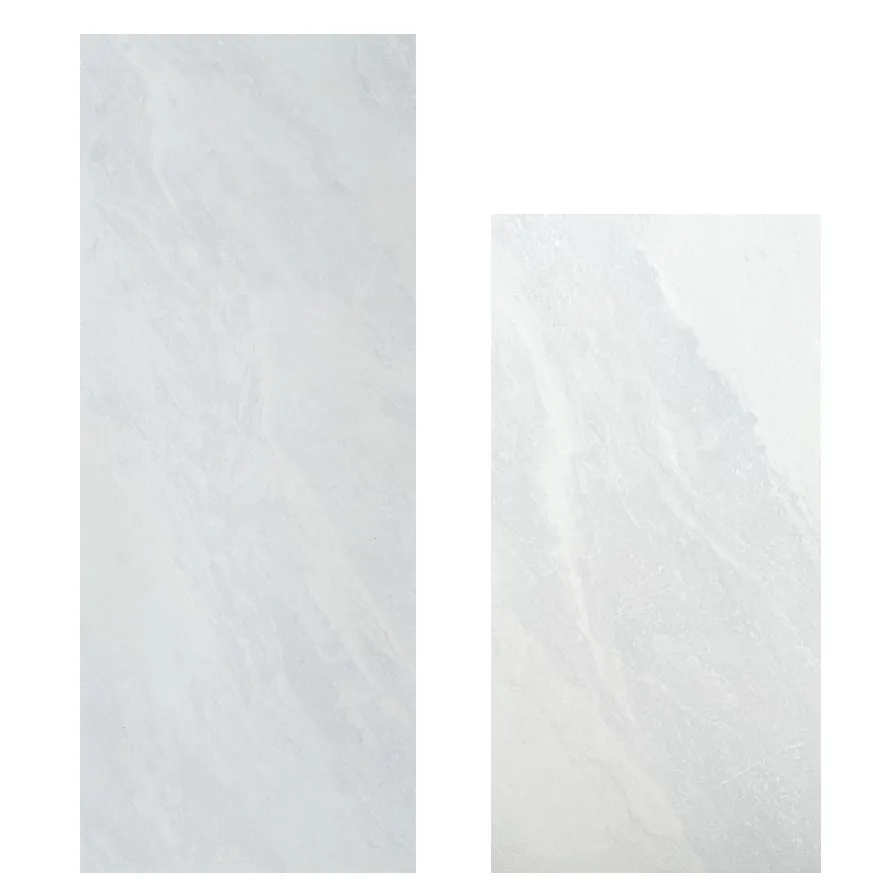
How innovative MCM flexible stone is reshaping sustainable building practices—one eco-friendly panel at a time
Every year, the construction industry contributes approximately 39% of global carbon emissions, a staggering statistic that weighs heavy on the minds of architects, builders, and environmentally conscious consumers alike. From concrete production to transportation of materials, traditional building methods have long been at odds with our collective goal of a greener planet. But what if there was a material that could marry the timeless beauty of natural stone with the eco-friendly benefits of modern technology? Enter Marble Veil White MCM —a star player in the MCM flexible stone family that's quietly revolutionizing how we build, one low-carbon panel at a time.
In this article, we'll dive into the world of Marble Veil White MCM, exploring how it reduces carbon footprints, why it's becoming a favorite among sustainable designers, and how it stacks up against traditional materials like fair-faced concrete. Whether you're an architect planning your next project, a homeowner dreaming of a sustainable renovation, or simply someone who cares about the planet, this is a story about hope—proof that innovation can turn the tide on construction's environmental impact.
Before we shine the spotlight on Marble Veil White, let's start with the basics: MCM flexible stone . MCM stands for Modified Composite Material, a cutting-edge category of building materials designed to mimic the look and feel of natural stone, wood, or concrete—without the environmental cost. Think of it as nature's beauty, reimagined through science.
Traditional natural stone, while stunning, is resource-intensive: quarries disrupt ecosystems, transportation emits CO2 due to heavy weight, and cutting/wasting stone generates massive landfill waste. MCM flexible stone changes the game by combining recycled minerals, polymers, and natural fibers into a lightweight, durable panel that's flexible enough to bend around curves yet strong enough to withstand harsh weather. It's like having the best of both worlds: the aesthetic appeal of marble, travertine, or granite, with the sustainability of a material engineered for minimal environmental impact.
Fun fact: MCM panels weigh up to 80% less than natural stone slabs. That means fewer trucks on the road during transportation, lower fuel consumption, and reduced emissions—all before the panels even reach the construction site.
Now, let's talk about the star of the show: Marble Veil White MCM . If you've ever stood in awe of a white marble lobby, with its soft veining and timeless elegance, you'll understand why this material is turning heads. But unlike natural white marble— which often requires intensive mining and chemical treatments—Marble Veil White MCM captures that same luxurious look using sustainable practices.
Picture this: a panel with a smooth, creamy white base, threaded with delicate gray veins that mimic the organic patterns of Carrara marble. It's warm, inviting, and versatile enough to elevate any space—whether it's a high-end restaurant's accent wall, a residential kitchen backsplash, or the exterior of a modern office building. But what truly sets it apart is what's not in it: no harmful chemicals, no excessive water usage, and no contribution to deforestation or habitat destruction.
Designers love it for its flexibility (literally). Unlike rigid natural stone, Marble Veil White MCM can be curved, cut, or shaped to fit unique architectural designs—think rounded columns, wavy facades, or custom-built fireplaces. This adaptability reduces waste during installation, as panels can be tailored to exact measurements, leaving little to no scraps behind.
Let's get down to the numbers—the ones that really matter for our planet. The carbon footprint of a building material is measured from "cradle to gate," meaning from raw material extraction to production and transportation. Here's how Marble Veil White MCM stacks up:
When you add it all up, choosing Marble Veil White MCM over natural marble or even fair-faced concrete can reduce a project's carbon footprint by 30-50%—a number that becomes even more impactful when scaled to commercial buildings or entire neighborhoods.
You might be wondering: How does Marble Veil White MCM compare to other popular sustainable materials, like fair-faced concrete? Let's break it down in a table that looks at carbon footprint, durability, and design flexibility—key factors for any eco-conscious builder.
| Feature | Marble Veil White MCM | Fair-Faced Concrete |
|---|---|---|
| Carbon Emissions (per m²) | 15-20 kg CO2 | 35-40 kg CO2 |
| Weight (per m²) | 5-8 kg | 20-25 kg |
| Installation Time | Fast (lightweight, easy to cut) | Slow (requires curing, heavy lifting) |
| Design Flexibility | High (can bend, curve, or be custom-shaped) | Low (rigid, limited to straight lines) |
| Maintenance | Low (resistant to stains, no sealing needed) | High (prone to cracking, requires sealing) |
| Lifespan | 30+ years | 20-25 years (with proper maintenance) |
The takeaway? While fair-faced concrete has long been a go-to for "industrial chic" designs, Marble Veil White MCM offers lower emissions, easier installation, and more design freedom—all without sacrificing durability. It's a win-win for both the planet and your project's aesthetic.
One of the most exciting things about Marble Veil White MCM is its versatility. It's not just for exteriors—though it shines there, resisting rain, wind, and UV rays. Here are a few ways designers are using it to create sustainable, stunning spaces:
Curious about what goes into making this eco-friendly wonder? Let's pull back the curtain on the production process, which is as impressive as the final product.
It starts with recycled materials: crushed stone dust from quarry waste, reclaimed plastic polymers, and natural fibers like jute or hemp. These ingredients are mixed in precise proportions, then pressed into thin sheets using heat and pressure—no harmful adhesives or chemicals needed. The panels are then embossed with the signature marble veining, using digital printing technology that ensures each panel looks unique, just like natural stone.
What's most inspiring? MCM manufacturers are committed to zero-waste goals. Scraps from production are recycled back into the mix, and water used in the process is filtered and reused. Some factories even run on 100% renewable energy, making the carbon footprint of Marble Veil White MCM even smaller.
Quote from a sustainable architect: "Marble Veil White MCM changed how I approach design. I no longer have to choose between beauty and sustainability—it's all there in one panel. My last project, a community center, used MCM for the exterior, and we cut the carbon footprint by 40% compared to using natural stone. The clients were thrilled with how it looked, and I was thrilled we did right by the planet." — Sarah Chen, Principal Architect, GreenSpace Studios
As the world wakes up to the urgency of climate change, green building materials are no longer a "nice-to-have"—they're a necessity. Governments are tightening emissions regulations, consumers are demanding sustainability, and investors are prioritizing eco-friendly projects. In this landscape, MCM flexible stone—especially standout products like Marble Veil White—is poised to become a cornerstone of sustainable construction.
But it's not just about meeting regulations. It's about reimagining what buildings can be: beautiful, functional, and in harmony with the planet. Marble Veil White MCM isn't just a material—it's a statement. It says, "We care about the future, and we refuse to compromise on design."
Looking ahead, we can expect even more innovation in the MCM space: new textures, colors inspired by nature (think starry night skies or desert landscapes), and panels engineered to store carbon over time. But for now, Marble Veil White is leading the charge—a beacon of what's possible when we combine creativity with conscience.
At the end of the day, every building material we choose is a vote for the kind of world we want to live in. A world where quarries are preserved, where transportation emissions are minimized, and where future generations can enjoy both beautiful buildings and a healthy planet. Marble Veil White MCM isn't just a product—it's a step toward that world.
So, whether you're building a skyscraper or a small home office, remember: the materials you pick matter. They matter for the air we breathe, the ecosystems we protect, and the legacy we leave behind. With Marble Veil White MCM, you don't have to choose between luxury and sustainability. You can have both—and that's a future worth building.
Let's build it together.
Recommend Products












