
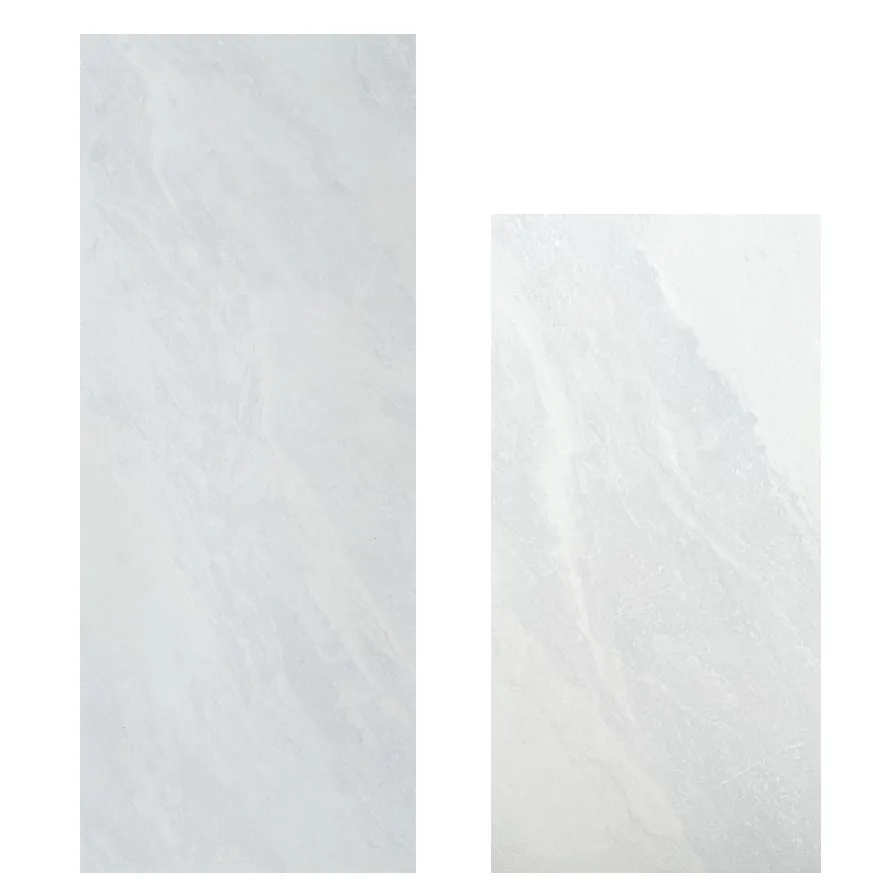
There's something almost magical about stepping into a space where the walls or countertops seem to glow from within—soft, luminous, and impossibly elegant. More often than not, that magic is courtesy of marble, and among its many iterations, marble veil white stands out as a true chameleon. It's not just a material; it's a storyteller, with veins that wind like rivers, hues that shift with the light, and textures that invite both the eye and the hand to linger. Whether you're designing a cozy home nook or a sleek commercial lobby, understanding its texture variations and finishes can turn a good space into an unforgettable one.
Marble veil white isn't a one-size-fits-all stone. What makes it so captivating is its natural variation—no two slabs are identical, each bearing the unique fingerprint of the earth's slow, patient craftsmanship. The "veil" in its name refers to the delicate, wispy patterns that spread across its surface, ranging from faint, almost ghostly lines to bold, dramatic strokes. Imagine a canvas where nature dipped a brush in soft gray, charcoal, or even the subtlest hint of gold, then let the color flow where it may. That's the beauty of these veins: they're organic, unpredictable, and full of character.
The base color, too, plays a role in its versatility. Some slabs lean toward a crisp, bright white, like freshly fallen snow; others have a warmer, creamier undertone, reminiscent of vanilla or parchment. In rooms with northern exposure, where light is cooler, a warmer base can add coziness; in sun-drenched spaces, a brighter white might amplify that airy, open feeling. It's this interplay of base and vein that makes marble veil white adaptable to almost any design style—from minimalist modern to rustic charm.
If the veins are the stone's personality, the finish is how it chooses to present itself to the world. A finish isn't just about shine; it affects texture, durability, and even how the stone interacts with light. Let's break down the most popular options, and how they might fit into your space:
Walk into a luxury hotel bathroom, and you'll likely find polished marble veil white countertops or walls. This finish is all about drama—after grinding and buffing, the surface becomes mirror-smooth, reflecting light like a still pond. The veins pop against the white base, creating a high-contrast, glamorous look that feels both modern and timeless. It's perfect for spaces where you want to make a statement: a kitchen island that's the heart of the home, a feature wall in a dining room, or a lobby floor that greets guests with sophistication.
But polished marble does have a caveat: it's a bit of a perfectionist. Those tiny pores in the stone are sealed during polishing, but it still needs regular sealing to prevent stains. And while it's durable, it can show scratches more easily than other finishes—so maybe skip it for a kids' playroom, but embrace it for a master suite where elegance is key.
If polished is the red carpet, honed is the cozy armchair by the fire. This finish skips the high shine, instead offering a smooth, matte surface that feels warm and inviting. The veins are softer here, blending gently into the base color, creating a more understated, organic vibe. Think of a sunlit living room with honed marble veil white floors—they'll reflect light softly, making the space feel bright without being harsh, and they're less likely to show water spots or fingerprints than their polished counterparts.
Honed marble is a favorite for spaces where comfort matters most. A bedroom with honed marble walls feels serene, like a retreat; a kitchen with honed countertops balances style with practicality, since the matte surface hides daily wear and tear better. Just note: because it's less sealed than polished, it does need a bit more TLC—wipe up spills quickly, and seal it annually to keep it looking fresh.
For those who prefer a texture with more "grip," brushed or sandblasted finishes add a tactile element that's hard to resist. Brushed marble is gently abraded to create a slightly rough surface, like the feel of weathered driftwood, while sandblasted marble has a coarser, more porous texture, reminiscent of natural stone walls in ancient villages. Both finishes mute the veins a bit, letting the stone's natural depth take center stage, and they're incredibly slip-resistant—ideal for floors in high-traffic areas or outdoor patios.
Imagine a countryside home with a sandblasted marble veil white accent wall, paired with wooden beams and soft textiles—it would feel grounded, connected to nature. Or a restaurant with brushed marble tabletops, where the texture adds warmth to a modern space. These finishes are all about character, proving that marble doesn't have to be "fancy" to be beautiful.
Marble veil white is stunning, but it's not the only player in the game. Let's see how it compares to other popular materials, so you can decide if it's the right fit for your project:
| Material | Texture & Look | Best For | Maintenance Level |
|---|---|---|---|
| Marble Veil White | Soft veining, smooth (polished/honed) or textured (brushed/sandblasted); luminous white base with gray/gold accents. | Luxury spaces, feature walls, countertops, high-end residential/commercial. | Moderate: Seal annually; avoid acidic cleaners; wipe spills quickly. |
| Polish Concrete | Industrial-chic, uniform matte or glossy finish; gray/neutral tones, minimal texture. | Modern lofts, commercial kitchens, high-traffic floors. | Low: Stain-resistant, easy to clean with soap and water. |
| Wood Grain Board | Warm, organic wood patterns; varies by "species" (oak, walnut, etc.); soft to the touch. | Cozy living rooms, bedrooms, accent walls (paired with marble for contrast). | Moderate: Avoid excess moisture; refinish every 5-10 years. |
| Fair-Faced Concrete | Raw, unpolished concrete with visible aggregates; rough, industrial texture; gray/earth tones. | Warehouse conversions, minimalist offices, outdoor spaces. | Low: Durable, resists wear; occasional sealing to prevent dusting. |
| MCM Flexible Stone | Lightweight, versatile; mimics natural stone textures (including marble); thin, flexible sheets. | Curved surfaces, accent walls, retrofits (hard to reach areas). | Low: Water-resistant, easy to install; minimal maintenance. |
What stands out about marble veil white here is its ability to bridge luxury and versatility. Unlike polish concrete (which leans industrial) or wood grain board (which is warm but less durable), marble veil white can shift from opulent to understated, depending on the finish. And while fair-faced concrete and mcm flexible stone are great for specific needs (durability, flexibility), they lack the natural depth and uniqueness of real marble's veining.
So, how do you pick the right finish for your project? It comes down to three things: the space, the light, and how you live (or work) in it. Let's break it down:
Marble veil white is a diva when it comes to light—but in the best way. A polished finish in a south-facing room with floor-to-ceiling windows will glow, turning the space into a bright, airy haven. But in a north-facing room with limited natural light? That same polished finish might feel cold or too stark. Instead, opt for a honed finish, which softens the light and adds warmth. Brushed or sandblasted finishes work well in both bright and dim spaces, since their texture adds visual interest without relying on shine.
If you're designing a hallway that sees kids, pets, and daily chaos, a polished marble floor might not be the best bet—it will show every scuff. Go for honed or sandblasted instead; they're tougher and hide wear better. On the flip side, a powder room that's rarely used can handle polished marble walls or countertops—they'll add a touch of luxury without the stress of heavy maintenance.
Your design style should guide your finish choice, too. Modern minimalist? Polished marble veil white is a match made in heaven, pairing beautifully with clean lines and metallic accents. Rustic or bohemian? Brushed or sandblasted finishes complement natural materials like wood and jute. Traditional? Honed marble adds elegance without feeling too flashy, blending seamlessly with classic furniture and warm lighting.
At the end of the day, marble veil white is more than a material—it's a celebration of nature's imperfection. Those veins that don't quite line up? The subtle color variations from slab to slab? They're what make your space feel alive, unique, and full of character. Whether you choose polished, honed, brushed, or sandblasted, remember: there's no "wrong" finish, only the one that feels right for you.
So go ahead—touch the samples, hold them up to the light, imagine them in your space. Let the marble veil white tell your story, one vein at a time. After all, the most beautiful spaces aren't just designed—they're felt.
Recommend Products












