

In today's rapidly evolving construction landscape, the demand for sustainable, high-performance building materials is more pronounced than ever. Architects, builders, and homeowners alike are constantly seeking innovative solutions that not only enhance aesthetic appeal but also contribute significantly to environmental stewardship and long-term cost savings. At the forefront of this revolution are MCM materials , or Modified Cementitious Materials. These advanced composite materials, spearheaded by innovators like COLORIA GROUP, are redefining what's possible in modern architecture, offering an unparalleled blend of durability, design flexibility, and, crucially, superior energy efficiency . This deep dive explores how MCM materials are becoming the cornerstone of energy-conscious design, providing exceptional insulating properties that rival, and often surpass, traditional masonry and stone applications.
For decades, masonry stone has been cherished for its timeless beauty and robustness. However, its inherent thermal properties often require extensive supplementary insulation to meet contemporary energy performance standards. The beauty of MCM materials lies in their ability to emulate the natural allure of stone, wood, brick, and other textures, while intrinsically integrating advanced thermal performance. This isn't just about mimicking surfaces; it's about engineering a material that fundamentally changes how buildings interact with their environment, leading to significant reductions in heating and cooling demands.
Before we delve into the specifics of their insulating properties, it's essential to grasp what MCM materials are. Modified Cementitious Material is a revolutionary class of composites manufactured from a blend of inorganic minerals, cementitious binders, and other proprietary additives. Unlike traditional ceramic tiles or natural stone, MCM products are incredibly lightweight, flexible, and eco-friendly. They are typically produced at low temperatures through a curing process, which dramatically reduces their carbon footprint compared to conventional firing methods used for ceramics. This low-energy manufacturing process is just the beginning of their journey toward sustainable construction .
COLORIA GROUP, as a leading provider of architectural solutions , has perfected the art and science of MCM production. Our core product series, including MCM Big Slab Board, MCM Project Board, MCM 3D Printing, and MCM Flexible Stone , exemplify the versatility and high performance of this material. These products are not merely decorative elements; they are engineered systems designed to improve the overall performance of a building envelope.
The secret to MCM materials' exceptional qualities lies in their precise composition and manufacturing process. They are essentially a hybrid material, combining the best attributes of various components. The inorganic minerals provide the bulk and mimic the texture and appearance of natural elements. The cementitious binders offer structural integrity and durability. Crucially, specific additives are incorporated to enhance flexibility, water resistance, UV stability, and, significantly, thermal performance.
Unlike solid, dense materials, MCM often features a micro-porous structure or can be engineered with specific densities to optimize its thermal resistance. This internal structure acts as a barrier to heat transfer, slowing down the movement of thermal energy through the material. When applied as cladding or facade elements, MCM materials essentially add an extra layer of thermal defense to a building.
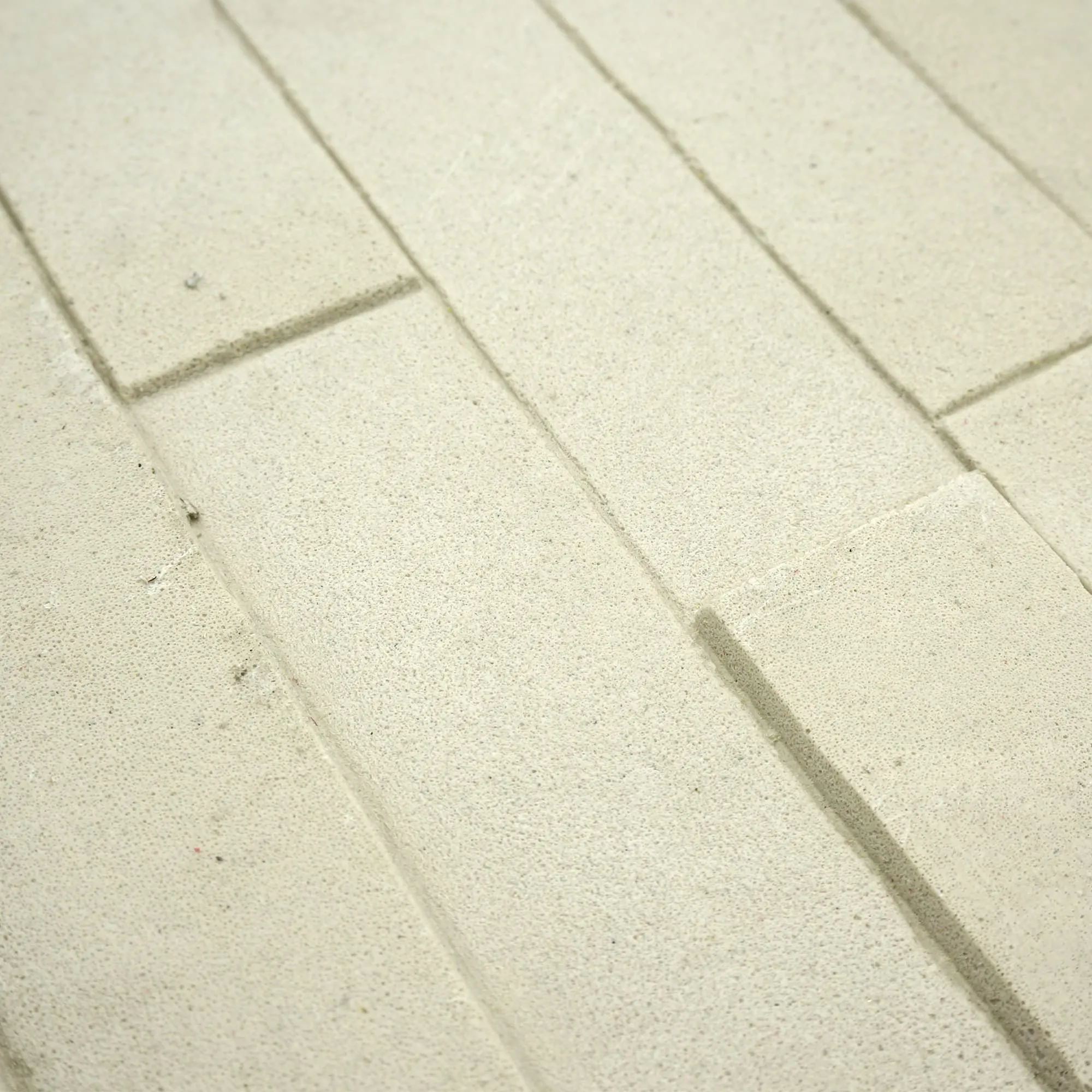
The ability of MCM materials to contribute to significant energy efficiency is one of their most compelling advantages. This isn't a passive benefit; it's an active performance feature that impacts a building's operational costs and environmental footprint throughout its lifespan. Let's break down the mechanisms through which MCM achieves this.
At the heart of any material's insulating capability is its thermal conductivity (Lambda value, or λ). This value measures how easily heat passes through a material. Materials with low thermal conductivity are good insulators. MCM materials are engineered to have significantly lower thermal conductivity compared to traditional masonry stone, concrete, or even many types of ceramic tiles. This means that less heat escapes from the interior of a building during colder months and less heat penetrates from the exterior during warmer months. The result is a more stable internal temperature and a reduced reliance on HVAC systems.
While MCM materials are often thinner and lighter than natural stone, they still possess a certain degree of thermal mass, especially when installed with appropriate substrates. Thermal mass refers to a material's ability to absorb and store heat energy. During the day, MCM cladding can absorb heat from the sun, preventing it from immediately entering the building. As temperatures drop in the evening, this stored heat can be slowly released back into the environment (or, if designed for it, back into the building), helping to moderate temperature fluctuations. This phenomenon, known as "phase lag," effectively delays and reduces the peak heat transfer into or out of a building, optimizing the performance of active cooling and heating systems.
Many MCM products, particularly the MCM Big Slab Board and MCM Project Board series, are ideal for use in ventilated rainscreen facade systems. In such systems, the MCM cladding is installed with an air gap between itself and the structural wall or primary insulation layer. This air gap plays a crucial role in thermal performance:
By incorporating MCM materials into the building envelope, the overall U-value (a measure of heat transfer through a composite structure) of walls and facades can be significantly improved. A lower U-value indicates better insulating performance. This leads directly to:
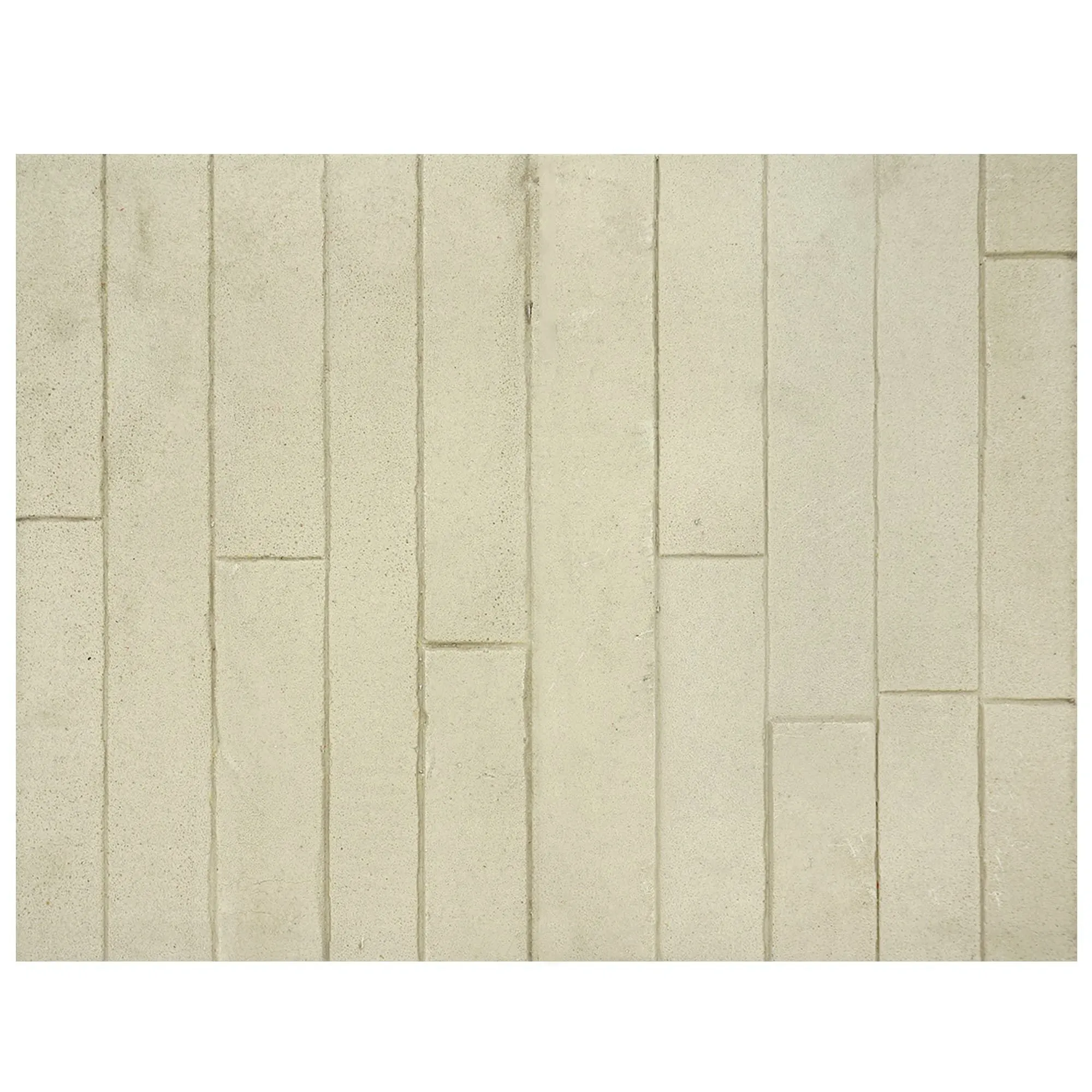
To truly appreciate the energy efficiency of MCM materials , it's helpful to compare them directly with traditional masonry stone, particularly in the context of their insulating properties. While natural stone is undeniably beautiful and durable, its density often works against thermal performance.
| Feature | Traditional Masonry Stone | MCM Materials (e.g., COLORIA GROUP Flexible Stone) |
|---|---|---|
| Thermal Conductivity (λ-value) | Masonry Stone"> Typically higher (e.g., 2.0-3.5 W/mK for granite/marble) | Significantly lower (e.g., 0.15-0.5 W/mK), depending on specific product |
| Insulating Properties | Masonry Stone"> Poor insulator; requires substantial additional insulation to meet modern codes. Acts primarily as thermal mass. | Good inherent insulator; contributes directly to the R-value of the wall assembly. Can be part of a high-performance facade system. |
| Weight per unit area | Masonry Stone"> Very heavy (e.g., 50-100+ kg/sqm for thick slabs) | Extremely lightweight (e.g., 3-8 kg/sqm), reducing structural loads and foundation requirements. |
| Installation Impact on Thermal Bridging | Masonry Stone"> Heavy fixings can create thermal bridges if not carefully detailed and insulated. | Lightweight and flexible, often installed with adhesive or minimal mechanical fixings, reducing thermal bridging potential. Compatible with exterior insulation systems. |
| Role in Rainscreen Facades | Masonry Stone"> Can be used, but weight and cost can be prohibitive for large-scale ventilated facades. | Ideal for ventilated rainscreen systems due to light weight, flexibility, and ease of installation, enhancing overall thermal performance. |
| Manufacturing Energy Input | Masonry Stone"> High (quarrying, cutting, polishing, transportation) | Low (low-temperature curing, minimal resource extraction, local production potential) |
This comparison highlights that while natural stone offers an undeniable aesthetic, MCM materials provide a compelling alternative for projects where energy efficiency , sustainability, and ease of installation are paramount. They allow designers to achieve the desired look of natural stone or other textures without compromising on thermal performance.
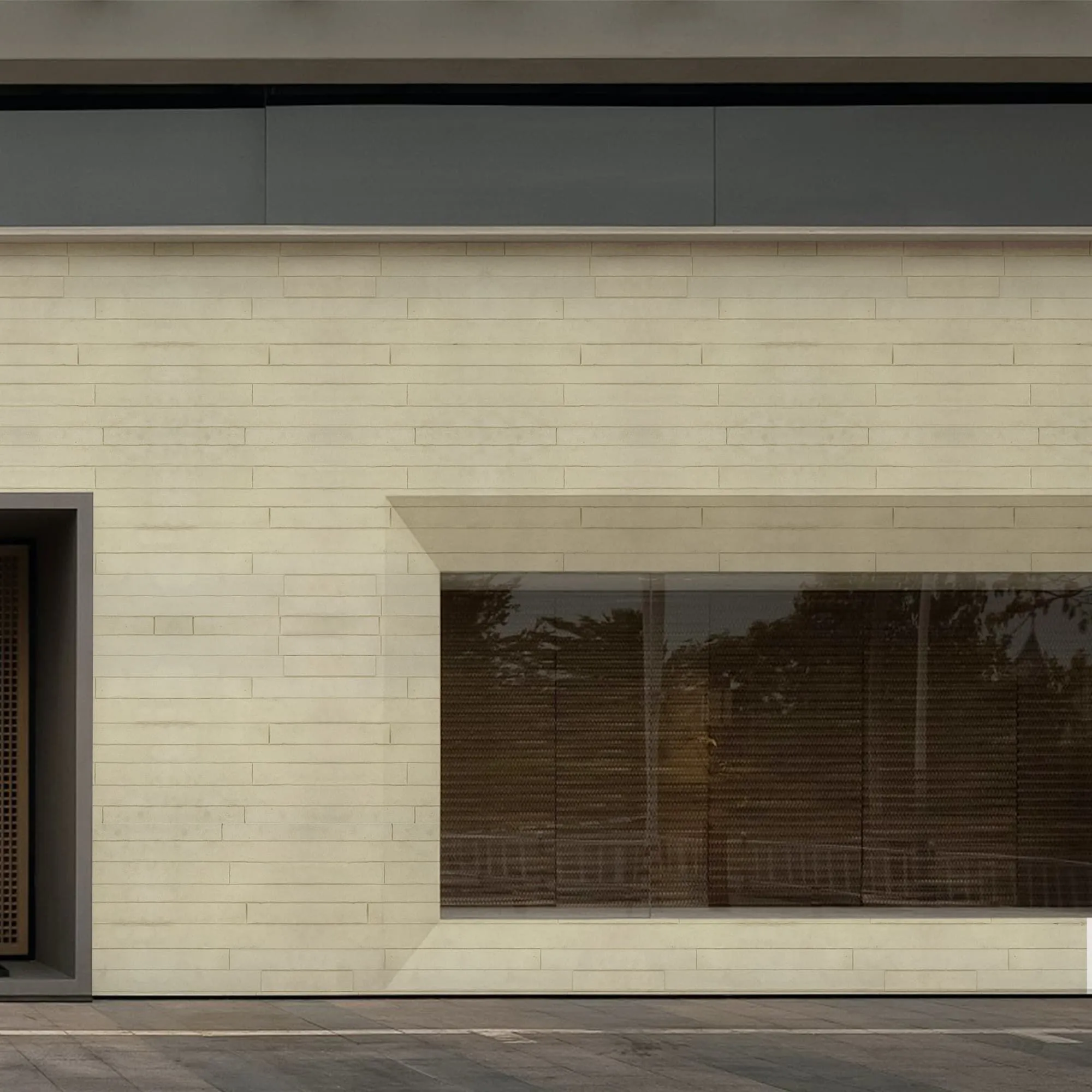
The insulating properties of MCM materials are just one facet of their contribution to sustainable construction . As a holistic architectural solution , COLORIA GROUP's MCM products offer a suite of benefits that align perfectly with modern green building principles.
One of the most exciting aspects of MCM materials is their incredible design versatility. This allows architects to achieve virtually any aesthetic vision without sacrificing performance.
The installation process for MCM materials is remarkably efficient, contributing to faster project completion times and reduced labor costs.
MCM materials are built to last, offering excellent resistance to the elements and requiring minimal upkeep.
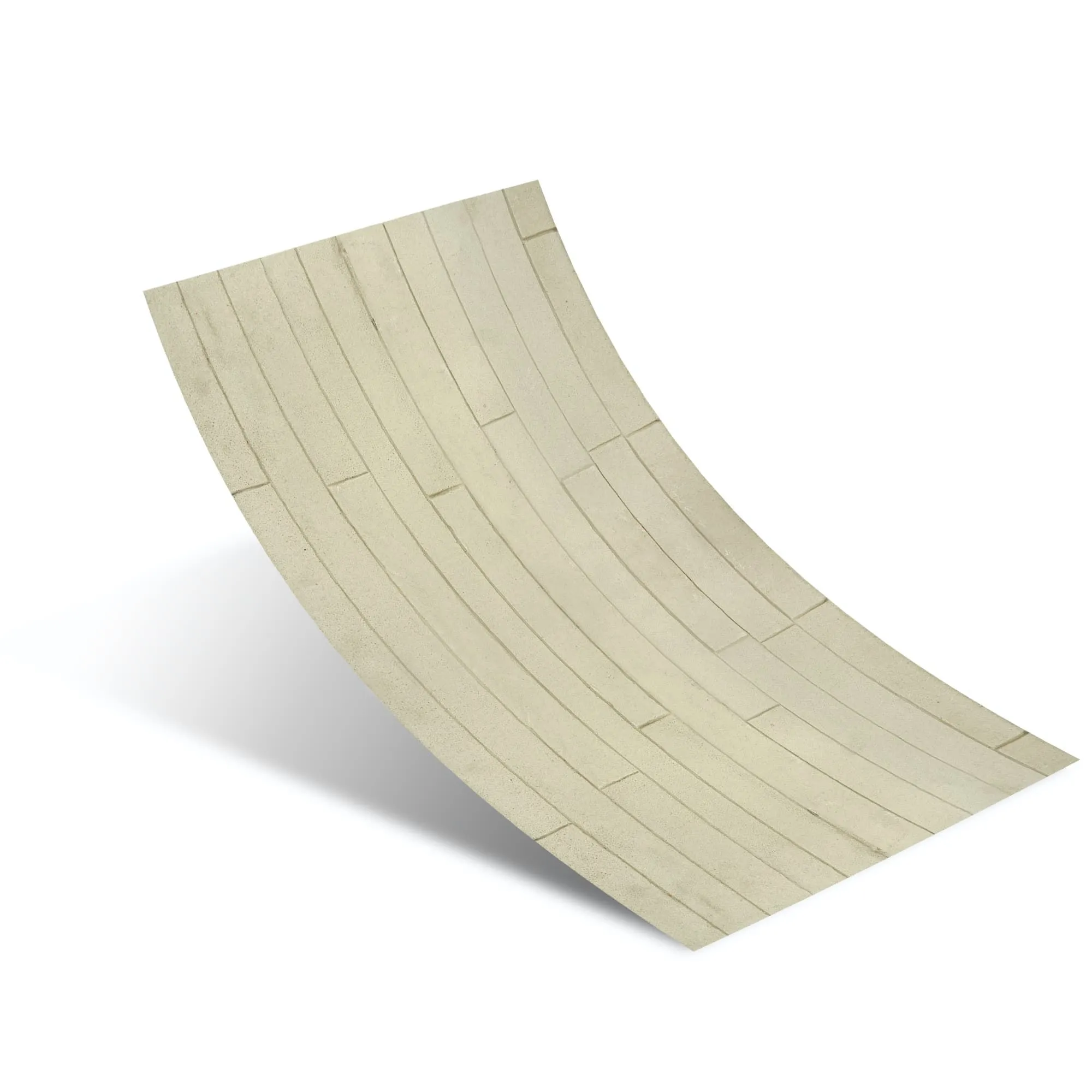
The versatility and performance benefits of MCM materials make them suitable for an expansive range of applications, from new construction to renovation projects, across both residential and commercial sectors. COLORIA GROUP's comprehensive product lines cater to diverse project needs, solidifying our position as a one-stop architectural solution provider.
This is arguably the most common and impactful application. Whether it's the sleek, modern aesthetic of the MCM Big Slab Board Series on a high-rise commercial building or the rustic charm of MCM Flexible Stone on a residential villa, MCM materials provide a durable, weather-resistant, and aesthetically pleasing outer skin. Their inherent insulating properties and compatibility with ventilated rainscreen systems are critical here, directly contributing to the building's energy efficiency and longevity. The ease of installation, especially for large formats, reduces scaffolding time and project duration.
Beyond exteriors, MCM materials are increasingly favored for interior design. Their lightweight nature, flexibility, and ability to replicate various textures without the weight or bulk of natural materials make them ideal for feature walls, lobbies, retail spaces, and even wet areas. The absence of VOCs ensures healthy indoor air quality, which is vital for residential and commercial interiors. The MCM 3D Printing Series, in particular, offers architects and interior designers a boundless canvas for creating intricate, textured surfaces that add depth and character to any space.
The lightweight property of MCM is a game-changer for ceilings and columns. Applying traditional stone or brick to these elements often requires significant structural reinforcement. MCM offers a way to achieve the same luxurious or industrial aesthetic without the associated structural challenges and costs. Its flexibility allows for seamless wrapping around curved columns or complex ceiling geometries.
As the construction industry moves towards more industrialized and off-site manufacturing processes, MCM materials are perfectly positioned to integrate. Their consistent quality, ease of handling, and quick application make them suitable for prefabricating facade panels or modular units that are then transported to the construction site. This significantly reduces on-site labor, improves quality control, and further accelerates project timelines, contributing to overall sustainable construction practices.
Existing buildings often struggle with outdated aesthetics and poor thermal performance. MCM materials offer an excellent solution for renovation projects. Their light weight means they can often be applied directly over existing facades without requiring extensive structural upgrades. This makes them a cost-effective and efficient way to revitalize old buildings, drastically improving their appearance and, more importantly, their energy efficiency and comfort levels. This ability to easily upgrade older structures is a powerful tool in achieving broader sustainable construction goals by extending the life of existing assets.
At COLORIA GROUP, we don't just supply MCM materials ; we provide comprehensive architectural solutions . With decades of industry experience and a global presence, including a robust agency in Saudi Arabia, we understand the unique challenges and opportunities within the construction sector worldwide. Our commitment to innovation, quality, and sustainability drives everything we do.
"We believe that the future of building lies in materials that are not only beautiful and durable but also intelligent and environmentally responsible. Our MCM materials embody this philosophy, offering a powerful combination of aesthetic excellence, practical functionality, and unparalleled energy performance."
Our role as a one-stop solution provider means that we engage with clients from the initial concept phase through to project completion. We offer guidance on material selection, customization options, installation best practices, and ensuring that our products integrate seamlessly into your overall design and performance goals. We recognize that every project is unique, and our tailored approach ensures that you receive the most effective and efficient solutions for your specific needs.
The construction industry is at an inflection point, with increasing pressure to deliver buildings that are not only visually appealing but also fiscally and environmentally responsible. MCM materials , particularly those developed and refined by COLORIA GROUP, represent a significant leap forward in meeting these demands. Their inherent energy efficiency , combined with their aesthetic versatility and sustainable attributes, positions them as a leading choice for the next generation of building facades and interior finishes.
By choosing MCM solutions, architects and developers can design and build structures that are cooler in the summer, warmer in the winter, and significantly more affordable to operate year-round. This translates directly into lower utility bills for occupants, reduced carbon emissions for the planet, and a healthier bottom line for investors. Furthermore, the ability of products like MCM Flexible Stone to emulate high-end natural materials at a fraction of the weight, cost, and environmental impact makes them an irresistible proposition.
In conclusion, the discourse around masonry stone and its role in building aesthetics and performance has been greatly enhanced by the advent of MCM materials . While traditional stone continues to hold its place for specific applications, the modern imperative for energy efficiency and sustainable construction pushes us towards more innovative architectural solutions . COLORIA GROUP's range of MCM products, from the expansive Big Slab Board Series to the artistic 3D Printing Series and the highly versatile MCM Flexible Stone , offers a powerful answer to this call.
These materials are not merely substitutes; they are enhancements. They provide the aesthetic richness and durability desired in architectural design while intrinsically delivering superior thermal performance, reducing energy consumption, and minimizing environmental impact. As global leaders in providing a one-stop solution for high-quality interior and exterior finishing materials, COLORIA GROUP is dedicated to empowering architects, designers, and builders to create structures that are not only visually stunning but also champions of energy conservation and environmental responsibility.
The choice of building materials is a critical decision that impacts a project's cost, timeline, aesthetic outcome, and long-term performance. By opting for COLORIA GROUP's MCM materials , you are investing in a future where beauty, durability, and outstanding energy efficiency coalesce to create spaces that are truly exceptional and sustainably built for generations to come. Join us in shaping a greener, more efficient architectural landscape, one innovative MCM facade at a time.
Recommend Products











