

Step into any bustling commercial kitchen. What do you sense? There's the sizzle of food hitting a hot pan, the clatter of plates, the sharp calls of the head chef. It's a symphony of controlled chaos, an environment where passion and pressure cook side-by-side. But beneath this culinary ballet lies a constant and very real threat: fire. Commercial kitchens are, by their very nature, hotspots for fire risk. With open flames, super-heated cooking oils, and powerful electrical equipment all running for hours on end, the potential for a blaze is uniquely high.
When we think of kitchen fire safety, our minds usually jump to the obvious: fire extinguishers, sprinkler systems, and exhaust hood suppression. These are called "active" fire protection systems, and they are absolutely vital. They are the first responders when things go wrong. But what if we could build a kitchen that intrinsically resists fire in the first place? What if the very walls that surround the chefs could act as a silent, ever-vigilant guardian against flames?
This is the world of "passive" fire protection, and it's arguably the most important, yet often overlooked, aspect of kitchen design. It's about using building materials that don't just fail to burn, but actively work to contain a fire, limit its spread, and protect lives and property. In this arena, masonry and stone have long been the champions. But today, the game has changed. Modern material science has given us solutions that offer the legendary fire resistance of stone but with unparalleled advantages in design, installation, and performance. Let's explore how the right choice of material, particularly advanced masonry-style solutions, can be the most critical safety feature in any commercial kitchen.
To properly fireproof a space, you first need to understand the enemy. Fires in a commercial kitchen aren't just random accidents; they are a predictable result of the "fire triangle"—heat, fuel, and oxygen—being present in abundance. The heat comes from ranges, ovens, and fryers. The oxygen is, of course, all around us. The fuel? That's the most dangerous and varied element in a kitchen.
Grease is the number one culprit. Over time, aerosolized grease from cooking coats surfaces: walls, ceilings, and equipment. This layer of grease is highly flammable. A small flare-up on a cooktop can ignite this residue, allowing flames to travel with terrifying speed across a kitchen. This is why material choice for walls and backsplashes is so critical. A porous or textured surface can trap grease, becoming a hidden fire hazard. A non-porous, easy-to-clean surface, however, mitigates this risk significantly.
As mentioned, fire safety is a two-pronged approach. Let's clarify the difference:
Imagine a fire breaks out in a deep fryer. An active system might extinguish it. But if that system fails or is overwhelmed, what happens next? In a kitchen built with flammable or low-rated materials, the fire can quickly spread to the walls and ceiling, engulfing the room and moving into adjacent spaces. In a kitchen built with high-performance, fire-resistant passive materials, the fire is held in check. The walls themselves become a barrier, a shield that refuses to contribute to the fire's growth. This is why building codes and safety regulations place such a heavy emphasis on material performance.
When selecting materials, you'll encounter fire rating classifications. In the United States, a common standard is ASTM E84, which measures two key things:
Materials are then grouped into classes. Class A (or Class 1) is the highest rating, with a Flame Spread Index of 0-25. For a high-risk environment like a commercial kitchen, specifying Class A rated materials for all surface finishes isn't just a good idea—it's an absolute necessity.
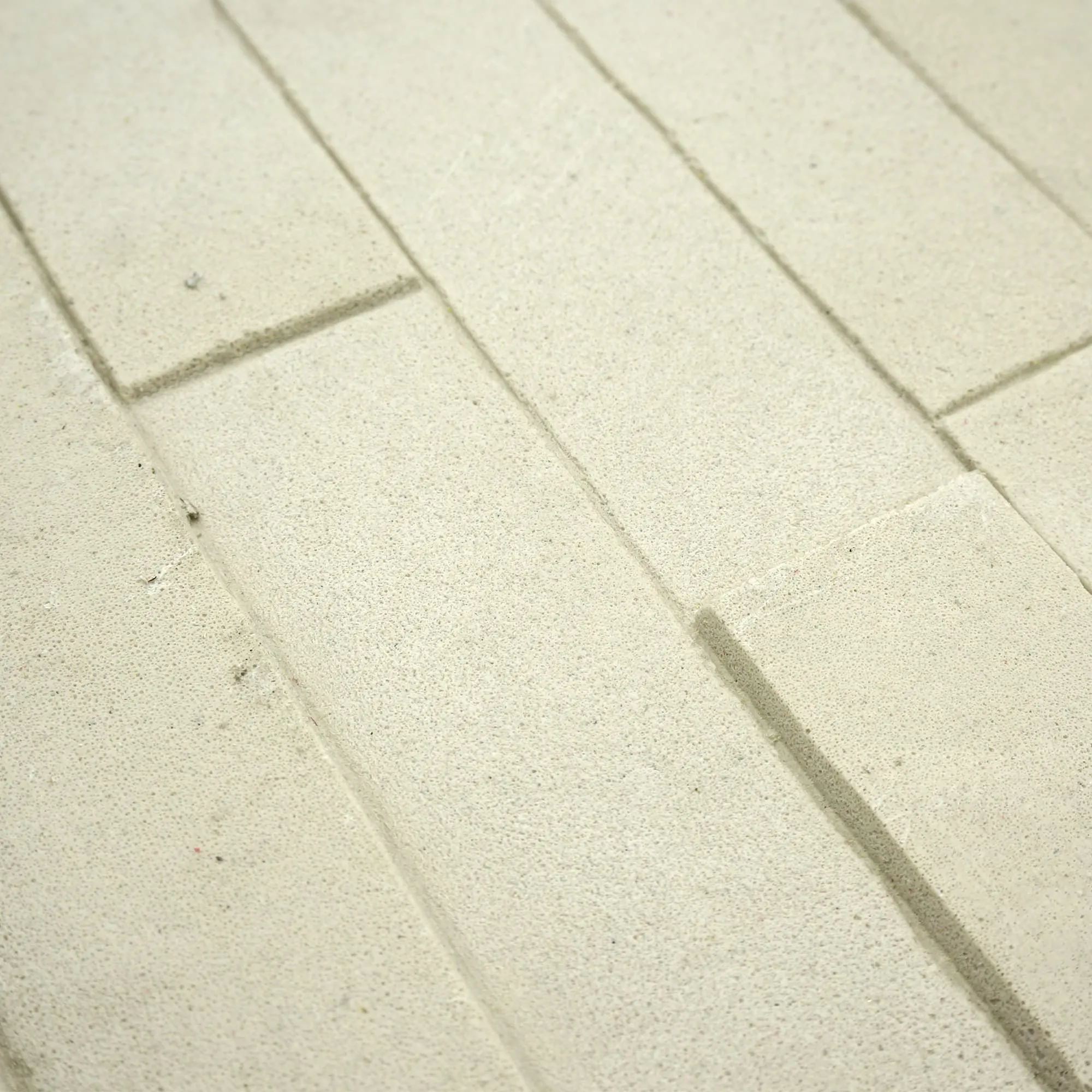
For centuries, when humans wanted to build something to withstand fire, they turned to the earth. They used stone, brick, and concrete. The logic is simple: these materials are mineral-based and non-combustible. You can't set a rock on fire. This inherent fire resistance made traditional masonry the undisputed king of fireproof construction.
Beyond being non-combustible, these materials also have excellent thermal properties. They possess high thermal mass, meaning they can absorb a lot of heat without their temperature rising dramatically. This slows the transfer of heat from one side of a wall to the other, effectively insulating the areas outside the fire zone. A thick stone or brick wall can hold back a blaze for hours, maintaining its structural integrity long after other materials would have failed.
However, as restaurant and commercial designs evolved, the limitations of traditional masonry became increasingly apparent, paving the way for innovation.
The downsides are significant, especially in the context of a modern, fast-paced construction project:
The industry needed a new solution—a material that could offer the rock-solid fire safety of traditional masonry without its heavyweight drawbacks. This need is precisely where pioneering material science companies, like COLORIA GROUP, have focused their efforts, revolutionizing what's possible in architectural design and safety.
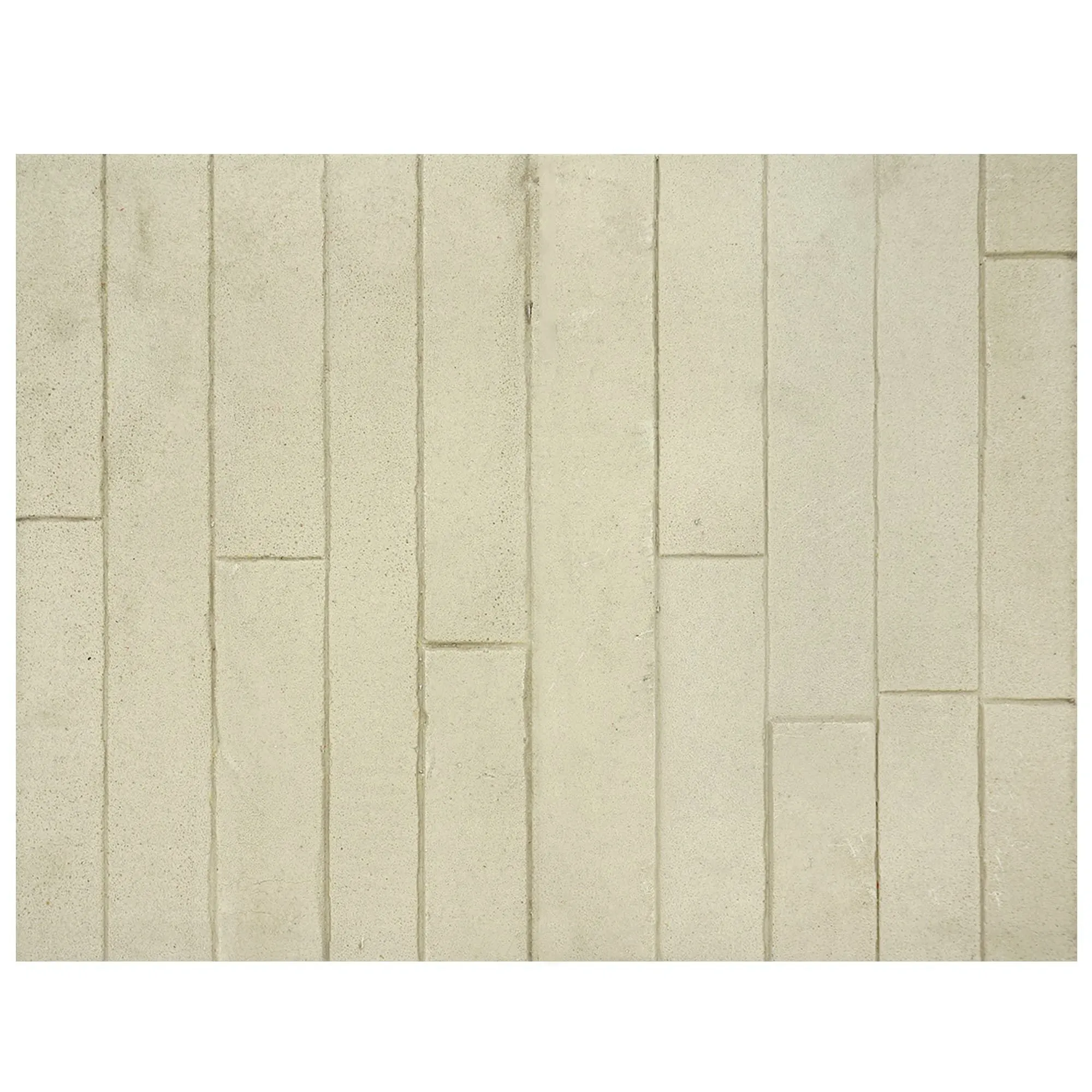
The future of safe building materials isn't about compromise. It's about synergy. It's about taking the best qualities of natural materials and re-engineering them at a molecular level to create something even better. This is the philosophy behind Modified Cementitious Material, or MCM, a class of products that is setting a new standard for commercial interiors, especially in demanding environments like kitchens.
As a one-stop solution provider with decades of global experience in architectural materials, COLORIA GROUP has been at the forefront of championing these advanced solutions. The goal has always been to provide architects, designers, and business owners with materials that don't force them to choose between safety, aesthetics, and budget. MCM is the embodiment of that goal.
So, what exactly is MCM? Think of it as a high-tech evolution of stone and clay. It's a composite material primarily made from natural mineral powders, stone dust, and cement, which are modified, blended, and then formed under controlled conditions. The result is a material that retains the inherent non-combustibility of its mineral origins while gaining incredible new properties.
MCM delivers the peace of mind of traditional masonry with the design freedom of modern composites. It's the best of both worlds, engineered for today's challenges.
The advantages of using an advanced material like MCM in a commercial kitchen are numerous and compelling:
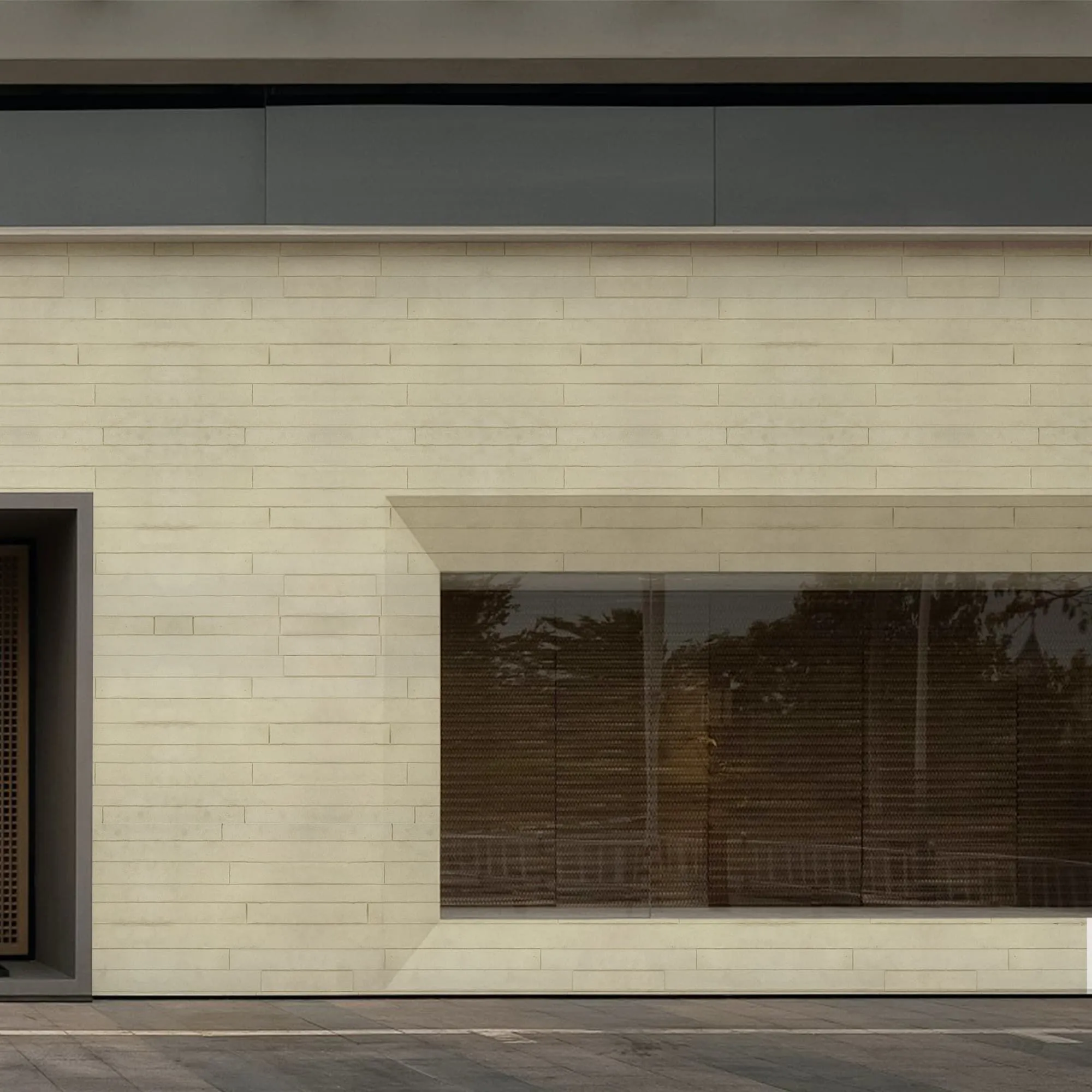
Understanding the general benefits of MCM is one thing; seeing how specific products can transform a kitchen space is another. COLORIA GROUP offers a comprehensive suite of MCM products, each tailored to different applications but all sharing the core DNA of safety, durability, and design flexibility.
Imagine a full-height kitchen backsplash with no grout lines. That's the power of the MCM Big Slab Board Series . These are large-format panels that create a monolithic, continuous surface. In a commercial kitchen, this is revolutionary. The absence of grout lines means there are zero places for grease, food particles, and bacteria to accumulate. Cleaning is as simple as wiping down a single, smooth surface, drastically improving hygiene and reducing the fire load from grease buildup.
From a safety perspective, these large boards provide an unbroken shield of Class A fire protection. If a flare-up occurs on the cookline, the fire meets a non-combustible wall that won't warp, melt, or spread the flames. Aesthetically, the MCM Big Slab Board Series can mimic luxurious materials like book-matched marble or polished concrete, bringing a high-end restaurant feel to the most hardworking part of the building, without the weight or cost of the real thing.
Not every wall in a commercial kitchen needs to be a showpiece, but every wall needs to be safe and durable. This is where the MCM Project Board Series excels. These are versatile, robust panels designed for high-traffic, high-abuse areas, making them perfect for back-of-house walls, prep areas, and corridors. They offer the same top-tier fire rating and easy maintenance as the big slab boards but are often specified for large-scale projects where both performance and value are key drivers.
The MCM Project Board Series is the workhorse of the MCM family. It ensures that the entire kitchen envelope, not just the visible parts, is protected. By using a consistent, high-performance material throughout the space, you create a truly comprehensive passive fire protection system. It's a practical, intelligent solution that prioritizes safety without inflating the budget, a core principle for any successful commercial undertaking.
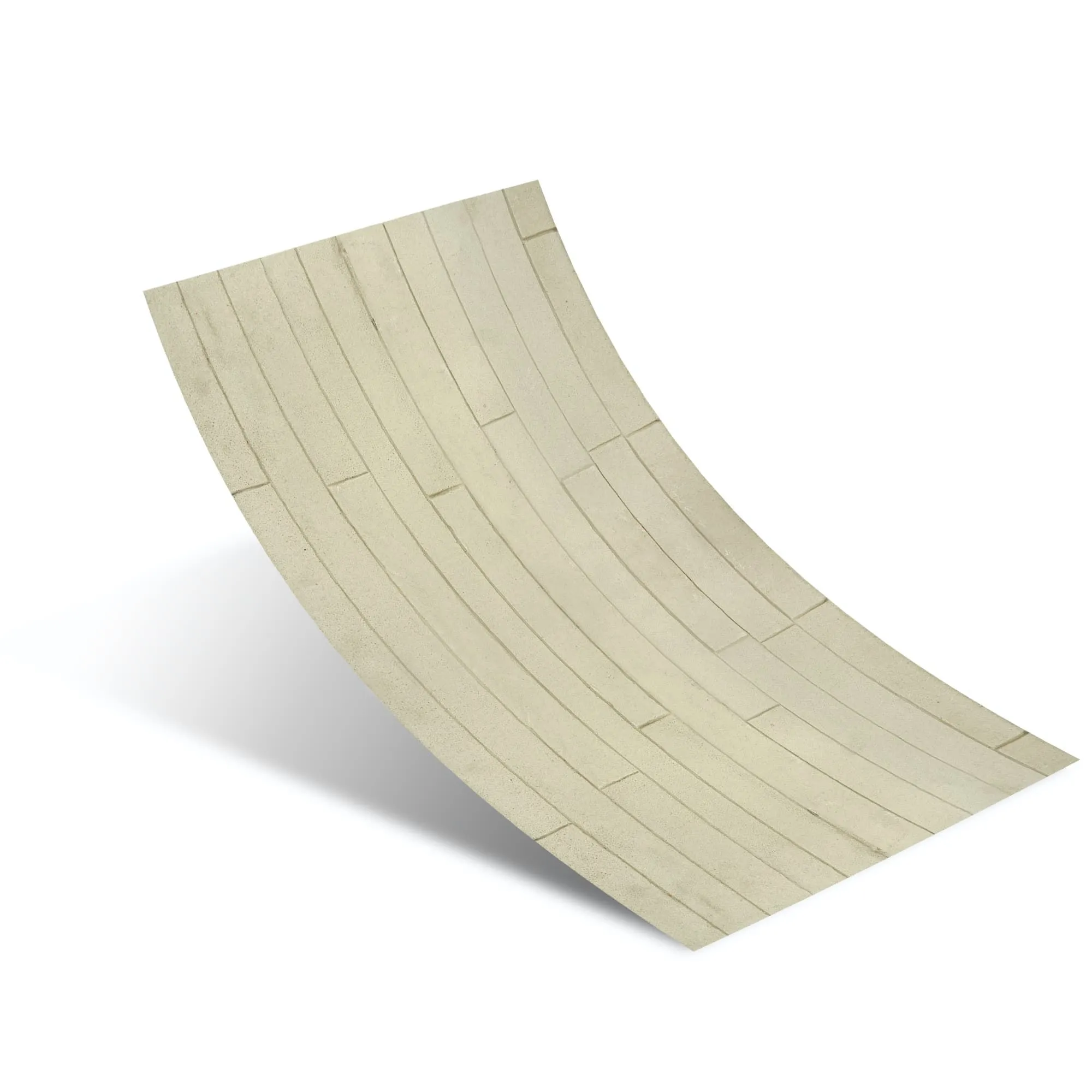
What if you could wrap a stone finish around a curved counter front, a circular column, or a complex architectural feature? With traditional stone, it would be impossible. With MCM Flexible Stone , it's simple. This is perhaps the most innovative product in the lineup. It's a genuine mineral-based material that is incredibly thin—just a few millimeters—and flexible enough to be bent and shaped on site.
In a kitchen or dining area, MCM Flexible Stone opens up a new world of design. Imagine cladding a statement exhaust hood in a seamless slate texture or creating a wavy, textured feature wall that would be impossible with any other masonry product. All this is achieved while maintaining the same Class A fire resistance and durability. It proves that safety doesn't have to be flat or boring. It allows designers to integrate robust fire protection into their most creative ideas, ensuring that even the most avant-garde designs are fundamentally safe.
To put it all into perspective, let's compare MCM panels against other common materials used in commercial kitchens. This side-by-side look makes the advantages crystal clear.
| Feature | MCM Panels (e.g., COLORIA GROUP) | Ceramic Tile | Stainless Steel | Natural Stone Slab |
|---|---|---|---|---|
| Fire Rating | Excellent (Class A). Non-combustible, low smoke. Acts as a fire barrier. | Good (Tile is non-combustible). Grout can be a weak point. | Excellent (Non-combustible). However, it conducts heat rapidly. | Excellent (Non-combustible). The gold standard for fire resistance. |
| Hygiene & Maintenance | Excellent. Non-porous, seamless options available (no grout). Very easy to clean. | Fair. Grout lines are porous, trap grease and bacteria, and are hard to clean. | Good. Non-porous but can show scratches and water spots easily. | Poor to Fair. Porous surface can absorb grease and stain. Requires sealing. |
| Weight & Installation | Excellent. Very lightweight, easy to handle, fast installation with adhesive. | Good. Lighter than stone but installation is piece-by-piece and time-consuming. | Good. Lightweight, but installation can require special fasteners and skills. | Poor. Extremely heavy, requires structural support and specialized lifting equipment. Slow installation. |
| Design Flexibility | Excellent. Limitless textures, colors. Available in large slabs and flexible formats. | Fair. Limited by tile size and grout patterns. | Poor. One look (industrial). Can feel cold and clinical. | Fair. Beautiful but limited by what is quarried. Very difficult to use on curved surfaces. |
| Durability | Excellent. High impact resistance, flexible, and does not chip or crack easily. | Fair. Can crack or chip under impact. Grout can degrade over time. | Good. Very durable but can dent and scratch. | Good. Very hard but can be brittle and chip, and repairs are difficult. |
In the high-pressure, high-risk world of the commercial kitchen, safety cannot be an afterthought. While active fire suppression systems are a mandatory and vital component, the foundation of a truly safe kitchen is built into its very structure. Passive fire protection, achieved through the intelligent selection of building materials, is the silent guardian that works 24/7 to contain threats and protect lives.
Traditional masonry gave us the blueprint for fire resistance, but its physical limitations made it a difficult choice for modern construction. Today, advanced materials like the MCM series from providers like COLORIA GROUP have shattered those limitations. They offer the same uncompromising Class A fire performance of stone in a lightweight, durable, and incredibly versatile package.
Whether it's the seamless, hygienic surfaces of the MCM Big Slab Board Series, the versatile durability of the MCM Project Board Series, or the creative freedom of MCM Flexible Stone, these solutions empower architects and owners to build kitchens that are not only beautiful and efficient but are, above all, fundamentally safer. Choosing the right material is the first, and most important, step in turning a potential hotspot into a resilient, protected, and successful culinary space.
Recommend Products











