

Religious buildings stand as enduring testaments to faith, culture, and human ingenuity. From ancient temples to modern mosques, majestic cathedrals, and serene synagogues, these structures are more than just edifices; they are sacred spaces designed to inspire awe, foster community, and connect individuals with something greater than themselves. The materials chosen for their construction play a pivotal role in conveying this profound spiritual essence. For centuries, natural stone has been the gold standard, admired for its durability, timeless beauty, and a certain inherent gravitas. However, the modern world presents new challenges – environmental concerns, logistical complexities, escalating costs, and the desire for greater design flexibility. This is where COLORIA GROUP steps in, offering a revolutionary approach to architectural materials with our MCM (Modified Cementitious Material) products, perfectly poised to redefine masonry stone applications in religious architecture.
At COLORIA GROUP, we understand that constructing or renovating a sacred space is a deeply meaningful endeavor. It requires materials that not only meet stringent aesthetic and structural demands but also align with values of sustainability and longevity. Our decades of industry experience, coupled with a global presence – including a strong agency in Saudi Arabia – position us as a trusted one-stop solution provider for both residential and commercial projects, with a special focus on the nuanced needs of religious buildings.
Think about the grandeur of Gothic cathedrals, the intricate carvings on Hindu temples, or the serene simplicity of a Zen garden's stone arrangements. Stone communicates permanence, strength, and a connection to the earth itself. Its diverse textures, colors, and patterns allow for an incredible range of expressions, from rugged and imposing to smooth and contemplative. For religious buildings, this natural authenticity is paramount. It evokes a sense of history, heritage, and continuity, grounding the spiritual experience in a tangible, ancient medium.
However, working with traditional natural stone comes with its own set of challenges. Quarrying is resource-intensive and can have significant environmental impacts. Transportation of heavy stone blocks is costly and energy-consuming. Installation requires specialized skills and often lengthy construction timelines. Furthermore, the sheer weight of natural stone can necessitate more robust and expensive foundational structures, adding to the overall project burden. Maintenance, too, can be a concern, with certain stones being susceptible to weathering, erosion, and staining over time.
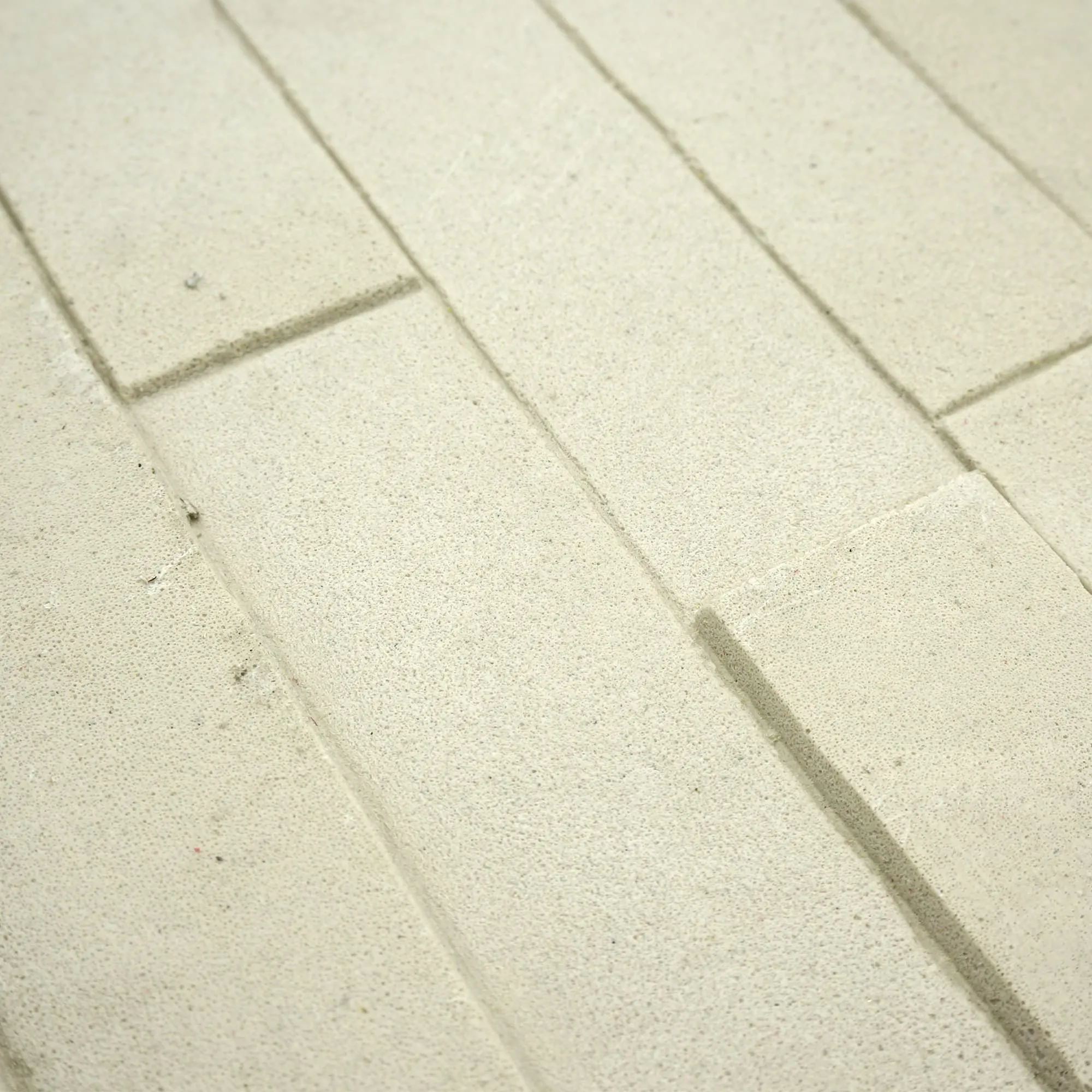
COLORIA GROUP's MCM (Modified Cementitious Material) products represent a paradigm shift in architectural materials. They offer the aesthetic richness and tactile feel of natural stone, brick, wood, and other traditional finishes, but with vastly superior performance characteristics and environmental benefits. What exactly is MCM? It's an innovative composite material crafted primarily from modified inorganic mineral powders, carefully selected aggregates, and polymers. Through a specialized low-temperature calcination and molding process, we create thin, flexible, and exceptionally durable sheets that mimic the appearance and texture of their natural counterparts with astonishing fidelity.
Our commitment to innovation and sustainability is at the core of our MCM offerings. We believe that modern architectural materials should not compromise on either beauty or ecological responsibility. This philosophy is particularly relevant for religious institutions, which often lead the way in promoting stewardship of the planet and community well-being.
When considering materials for a place of worship, the benefits of MCM are compelling:
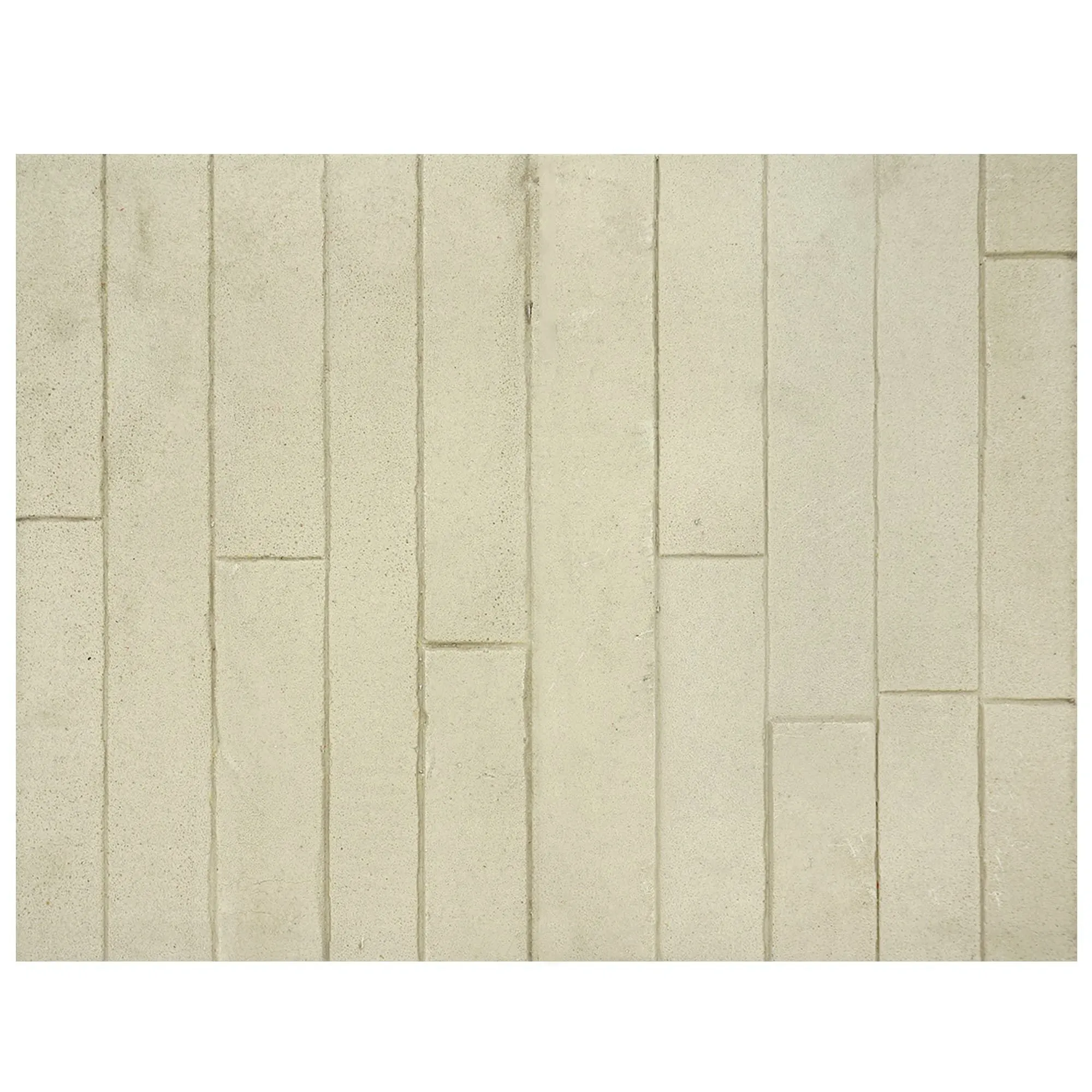
Our main product lines are specifically designed to address diverse architectural needs, from expansive facades to intricate interior details. Each series brings unique capabilities to the table, making them ideal for religious construction:
For large, impressive facades, grand entranceways, or sweeping interior walls, our MCM Big Slab Board Series is an ideal choice. These large-format panels minimize joints, creating a seamless and monumental appearance that is often desired in religious architecture. Imagine vast expanses of "marble" or "granite" that are lighter, easier to install, and more sustainable than their natural counterparts. These big slabs allow for a powerful visual statement, conveying strength and permanence with modern efficiency.
The MCM Project Board Series is our workhorse for various architectural applications, offering versatility and robust performance. This series provides a wide array of textures and finishes suitable for both exterior and interior use. It's often chosen for projects where consistency, durability, and cost-effectiveness are key. For religious buildings, this means achieving a high-quality finish across various functional areas, from congregational halls to administrative offices, maintaining a unified aesthetic throughout the complex.
This is where innovation truly meets artistry. Our MCM 3D Printing Series opens up incredible possibilities for bespoke and intricate architectural elements. Religious buildings often feature complex patterns, symbolic motifs, and highly detailed sculptures that convey deep meaning. Traditional methods for creating such details are labor-intensive, time-consuming, and expensive. With MCM 3D Printing, we can create custom-designed decorative elements, reliefs, friezes, and even small statues with precision and efficiency. This allows architects and designers to incorporate unique spiritual iconography and cultural narratives into the very fabric of the building without prohibitive costs.
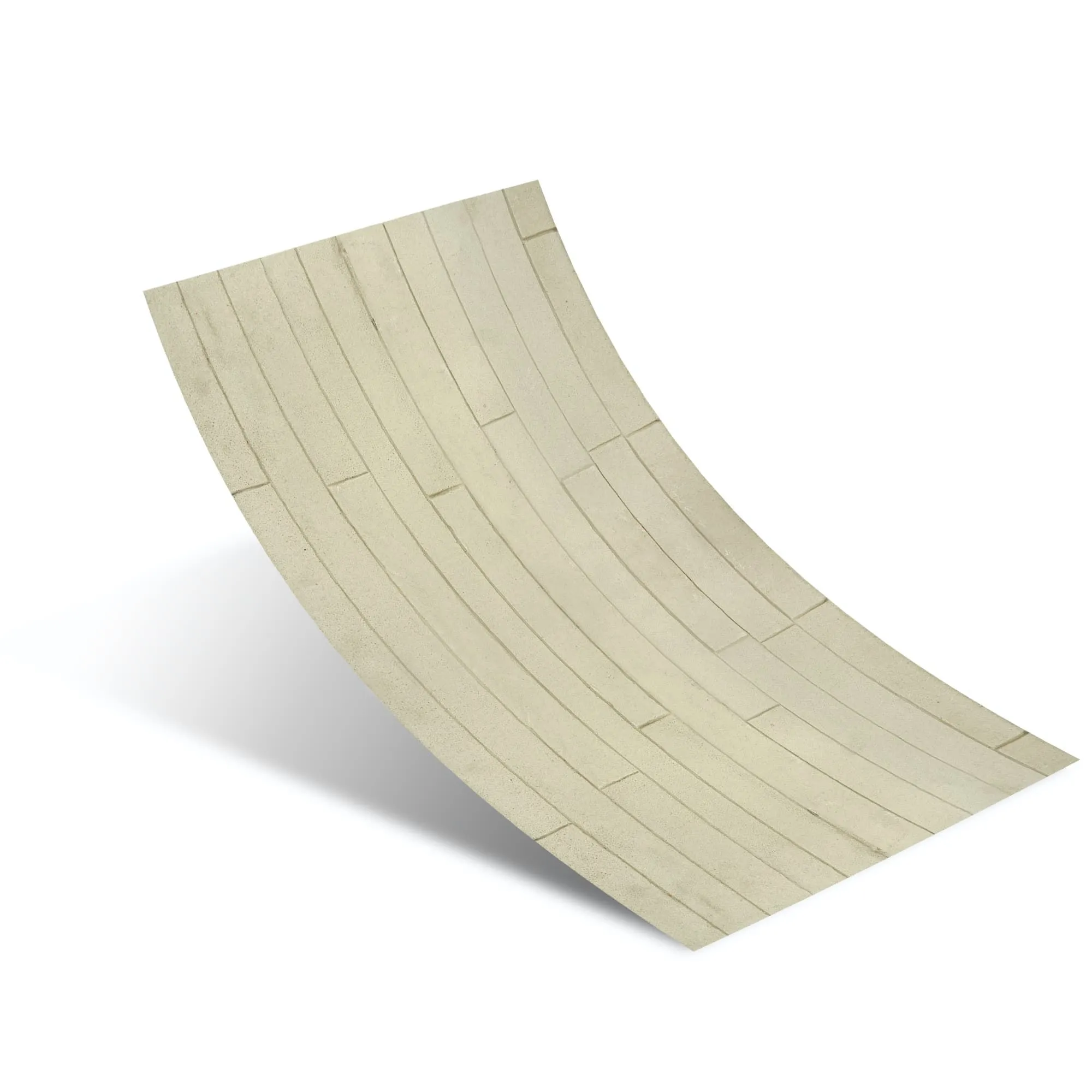
The MCM Flexible Stone is a truly game-changing product, especially for renovations or projects with challenging geometries. Imagine applying a real stone look to curved walls, columns, or even ceilings with ease. This series provides the authentic aesthetic of natural stone – be it the ruggedness of slate, the elegance of marble, or the warmth of sandstone – in a remarkably thin and flexible sheet format. Its pliability makes it incredibly versatile, allowing for seamless integration into complex designs that would be impossible or prohibitively expensive with rigid stone slabs. This flexibility also contributes to its ease of handling and reduced breakage during transportation and installation.
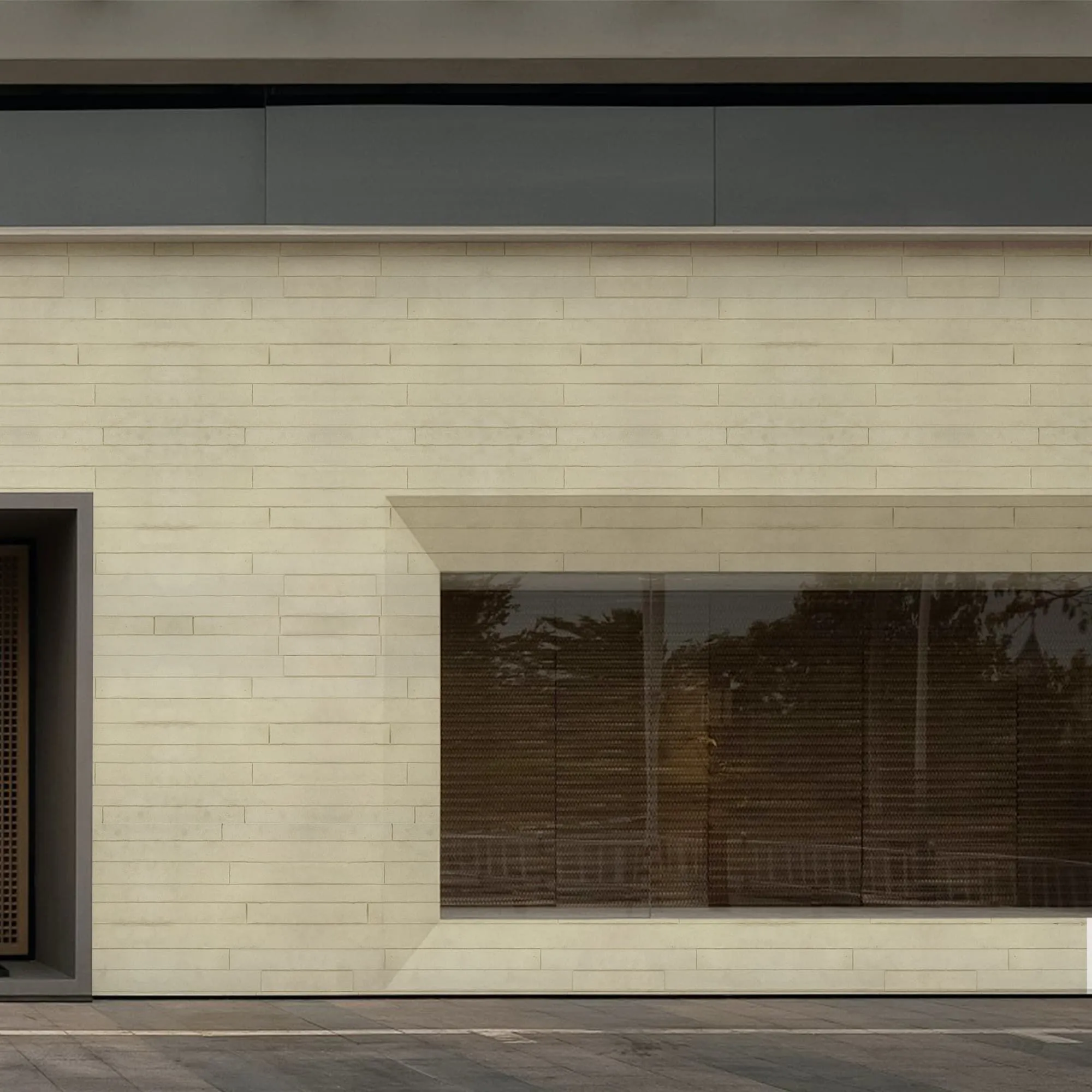
The beauty of MCM lies in its ability to emulate the spiritual gravitas of traditional masonry while offering modern advantages. Let's explore how MCM can help achieve truly sacred aesthetics:
The exterior of a religious building is its public face, an invitation, and a declaration of its purpose. With MCM, designers can create facades that evoke centuries of tradition or embrace contemporary minimalism, all while benefiting from superior performance. Imagine a majestic cathedral clad in MCM Big Slab Board Series resembling weathered sandstone, giving it an ancient, hallowed look, yet benefiting from modern durability and a lighter structural load. Or consider a mosque featuring intricate patterns and reliefs created using our MCM 3D Printing Series, showcasing cultural artistry with cutting-edge technology. The ability to customize textures and colors means the facade can perfectly harmonize with local traditions and natural surroundings, fostering a sense of belonging and reverence.
Inside, religious spaces demand an atmosphere of peace, contemplation, and inspiration. MCM can contribute significantly to this. The MCM Flexible Stone can be used to create serene, flowing interior walls that mimic natural rock formations, or to adorn columns with the elegance of polished marble. For altars, pulpits, or prayer niches, bespoke designs from the MCM 3D Printing Series can add unique symbolic elements that enrich the spiritual experience. The tactile quality of MCM, mimicking genuine stone, adds to the sensory richness of the space, inviting touch and deeper engagement.
Many religious buildings are historical treasures that require sensitive renovation. MCM is an excellent choice for such projects. Its lightweight nature reduces stress on existing structures, and its ability to replicate existing stone or brickwork ensures historical authenticity is maintained. This allows for restoration without compromising the structural integrity of the original building or incurring exorbitant costs associated with sourcing matching natural materials. Our Project Board Series, for instance, can flawlessly match existing masonry, ensuring a seamless repair or extension that respects the building's legacy.
For religious institutions committed to environmental stewardship, COLORIA GROUP's MCM (Modified Cementitious Material) products are a clear choice. Their lower environmental impact from production to installation aligns with principles of responsible resource management. By choosing MCM, a religious community can demonstrate its commitment to sustainability, setting an example for its congregation and the wider community. This commitment extends beyond the initial construction; the durability and low maintenance requirements of MCM ensure a long lifespan, further reducing the building's ecological footprint over decades.
As a one-stop solution provider , COLORIA GROUP doesn't just offer products; we offer expertise and partnership. From initial design consultation to material selection and technical support, our team works closely with architects, contractors, and religious committees to bring their vision to life. We understand the specific demands of building sacred spaces – the need for timeless beauty, robust durability, and respect for cultural and spiritual sensitivities.
Our extensive experience across various markets, including the demanding conditions of Saudi Arabia, means we are equipped to handle diverse climatic and architectural challenges. We pride ourselves on offering customized solutions that go beyond standard offerings, ensuring that each project receives the attention and tailored approach it deserves.
"The spiritual power of a building is deeply intertwined with its physical presence. With MCM, we can craft spaces that resonate with sacred aesthetics, offer exceptional performance, and respect our planet. It's about building legacies that truly last, both structurally and spiritually."
— A representative from COLORIA GROUP.
To truly appreciate the value of MCM, it's helpful to understand the Modified Cementitious Material itself. It's not just a surface coating; it's an engineered material designed for performance. The modification process involves carefully controlling particle sizes, binder compositions, and curing methods to achieve specific properties. This meticulous engineering results in a material that is not only flexible and lightweight but also highly stable against environmental degradation.
The manufacturing process is low-energy compared to traditional ceramic or stone production. Instead of high-temperature firing, MCM typically undergoes a combination of pressing and low-temperature curing. This significantly reduces energy consumption and the associated carbon emissions. Furthermore, the primary raw materials are often readily available mineral powders and aggregates, which can include recycled content, reinforcing its green credentials.
Let's take a closer look at how MCM stacks up against conventional materials often used in religious architecture:
| Feature | COLORIA GROUP MCM | Natural Stone/Traditional Masonry | Ceramic Tiles |
|---|---|---|---|
| Weight | Extremely Lightweight (approx. 3-6 kg/m²) | Very Heavy (approx. 30-100+ kg/m²) | Moderate to Heavy (approx. 15-25 kg/m²) |
| Flexibility | High (especially Flexible Stone series), adapts to curved surfaces. | Rigid, prone to cracking under stress. | Rigid, very prone to cracking. |
| Installation Complexity | Relatively simple, fast, reduced labor due to weight and flexibility. | Complex, slow, requires heavy machinery and specialized skills. | Moderate, requires precision and skilled labor for setting. |
| Aesthetic Versatility | Replicates diverse natural materials, custom textures/colors, 3D printing for intricate designs. | Authentic natural patterns, limited by available quarry cuts and types. | Wide range of printed patterns, but often lacks natural depth and texture. |
| Environmental Impact | Low (reduced resource consumption, lower carbon footprint, green building material). | High (quarrying, heavy transport, energy-intensive processing). | Moderate (high-temperature firing, resource extraction). |
| Durability & Maintenance | Excellent weather, fire, impact resistance, low maintenance. | Very durable but can weather, stain; requires specific sealing/cleaning. | Durable, brittle, grout lines can be difficult to maintain. |
| Cost-Effectiveness | Generally more cost-effective due to lower material, transport, and installation costs. | High initial material cost, high transport and installation costs. | Moderate material and installation costs. |
| Customization | High degree of customization in size, shape, texture, color, and 3D forms. | Limited by natural block size and carving complexity. | Limited to standard sizes and patterns, difficult to customize shapes. |
The versatility of MCM extends to various architectural expressions seen in religious buildings worldwide. Whether the design leans towards the historic, the traditional, or the cutting-edge contemporary, MCM can adapt:
For churches and cathedrals aiming to capture the grandeur of historic European styles, MCM can perfectly emulate the rough-hewn stone or finely carved details of Gothic and Romanesque architecture. The MCM Big Slab Board Series can provide the stately solidness of large stone blocks, while the 3D Printing Series can recreate intricate rosettes, gargoyles, and other sculptural elements without the immense cost and weight of traditional stonemasonry. This allows new constructions to respectfully draw from historical precedents or enable sensitive renovations of existing heritage sites.
Mosques are renowned for their exquisite geometric patterns, calligraphy, and often, stunning use of natural stone and tilework. MCM offers a powerful tool for these designs. The 3D Printing Series is ideally suited for crafting complex Mashrabiya screens, mihrab designs, or calligraphic panels that would otherwise be extremely challenging to produce. Our Project Board Series, with its ability to mimic intricate tile mosaics or marble finishes, can adorn prayer halls and courtyards, creating spaces of profound beauty and tranquility, all while benefiting from the lightweight and durable properties of Modified Cementitious Material .
The elaborate carvings, statues, and distinctive tiered roofs of temples from these traditions require materials that can be highly detailed and yet robust enough to endure. MCM, particularly the 3D Printing Series, can be utilized to reproduce mythical figures, deities, and narrative reliefs with incredible accuracy and significantly reduced production times compared to traditional carving. The Flexible Stone series can wrap around traditional stupas or prayer wheels, giving the authentic look of stone with enhanced durability and ease of application.
For religious communities opting for modern and minimalist designs, MCM provides clean lines, diverse textures, and the ability to create bespoke panels that harmonize with contemporary aesthetics. Its flexibility allows for innovative architectural forms and surfaces, enabling architects to push the boundaries of design for new places of worship that feel both ancient and entirely new. The light weight also facilitates cantilevered designs or structures with less foundational mass, fitting the often streamlined forms of modern religious architecture.
One of the often-overlooked aspects of architectural materials is the installation process. For religious buildings, construction timelines can be critical, often tied to religious calendars or community expectations. The efficiency of MCM installation is a major benefit:
This efficiency translates into faster project completion, allowing communities to utilize their new or renovated sacred spaces sooner, and often within budget, which is a crucial consideration for non-profit religious organizations.
As the world continues to evolve, so too do the demands on our built environment. Religious buildings, enduring symbols of human spirit, must also adapt. They need to be sustainable, resilient, cost-effective, and inspiring. COLORIA GROUP's MCM products offer a visionary path forward, seamlessly blending the ancient appeal of masonry with the innovations of modern architectural materials .
We are not just selling a product; we are offering a partnership in creating spaces that uplift, inspire, and endure. Our commitment to high-quality Modified Cementitious Material , coupled with our global expertise as a one-stop solution provider , ensures that every religious building project we undertake is not just structurally sound and aesthetically pleasing, but also deeply respectful of its sacred purpose and environmental footprint.
Are you envisioning a new sacred space or planning a renovation that demands both timeless beauty and modern performance?
Explore the possibilities with COLORIA GROUP's MCM products. Let us help you achieve a sacred aesthetic that is enduring, sustainable, and truly inspiring.
Recommend Products











