

Tracing the evolution of building materials and embracing modern innovation with COLORIA GROUP
From the earliest human settlements, the desire to build structures that offer shelter, security, and permanence has driven innovation in materials and techniques. Among these, masonry stone stands as a testament to human ingenuity and our innate connection to the natural world. Imagine standing before the awe-inspiring pyramids of Egypt, marveling at the intricate carvings of ancient Greek temples, or pondering the engineering feats of Roman aqueducts. These wonders, built millennia ago, continue to captivate us, whispering tales of civilizations long past. They are not merely old buildings; they are enduring symbols of humanity's ambition, crafted from the very earth beneath our feet. The journey of masonry stone is a grand narrative, a story of evolution from rough-hewn blocks to sophisticated modern solutions that shape our urban landscapes today.
The essence of masonry lies in its simplicity and strength: stacking individual units – be it natural stone, brick, or concrete blocks – and bonding them together with mortar to create a cohesive, robust structure. This fundamental principle has remained constant, yet the materials and methods have undergone revolutionary transformations. What began as a necessity for basic construction evolved into an art form, a science, and eventually, a cornerstone of architecture. As we journey through history, we'll see how stone has defined eras, how its challenges spurred new innovations, and how companies like COLORIA GROUP are now redefining its future with advanced materials, offering a holistic approach as a one-stop solution provider for modern building needs.
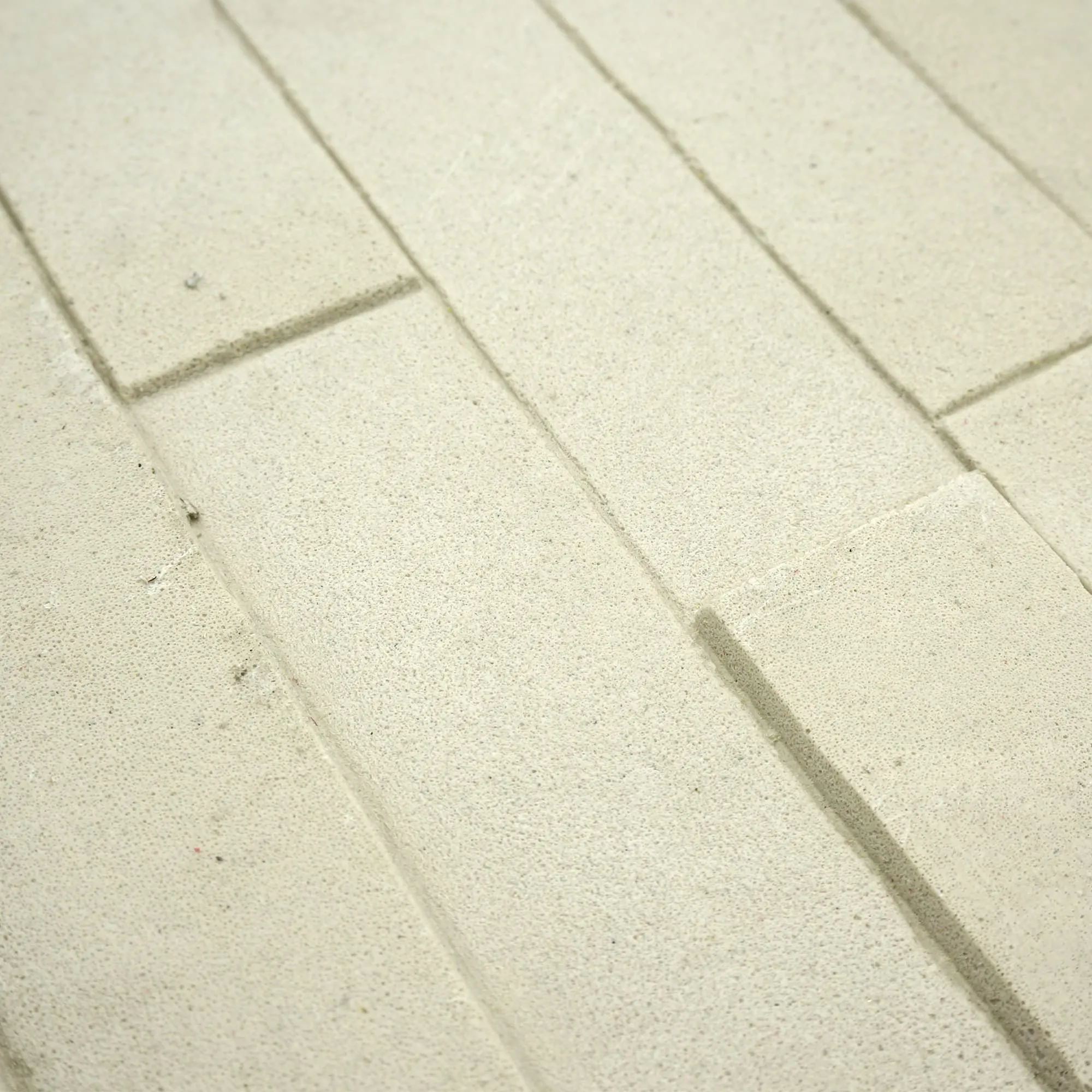
The story of masonry stone begins in prehistory, where early humans learned to stack rocks for shelter and defense. But it truly takes flight with the emergence of organized societies and the need for monumental architecture.
No discussion of ancient masonry is complete without the Egyptians. Their pyramids, built with millions of precisely cut and placed limestone and granite blocks, are engineering marvels that defy the passage of time. The sheer scale of these projects, carried out without modern machinery, required immense organizational skills and a deep understanding of material properties. The Egyptians understood the unparalleled durability of stone, selecting materials that could withstand millennia of erosion and preserve their pharaohs' legacies. The meticulous craftsmanship, the precise joints, and the sheer weight of these structures represent an early pinnacle of masonry, driven by a profound belief in eternal life and monumental expression.
The Greeks, while perhaps not building on the same colossal scale as the Egyptians, elevated stone masonry to an art form characterized by unparalleled precision, proportion, and aesthetic refinement. Temples like the Parthenon, constructed primarily from marble, showcase fluted columns, intricate friezes, and perfectly aligned blocks. Their mastery of stereotomy – the art of cutting stones into complex shapes to fit together perfectly – allowed for structures that were not only strong but also visually harmonious and inspiring. The Greek approach emphasized beauty in form and detail, influencing architectural styles for centuries to come.
The Romans took the baton of masonry innovation and ran with it, revolutionizing construction with their development of concrete (opus caementicium). While not strictly masonry in the traditional sense of stacked stone, Roman concrete allowed for unprecedented structural flexibility and speed of construction, paving the way for vast infrastructure projects like aqueducts, bridges, and the iconic Colosseum. However, they also remained masters of traditional stone masonry, using local tuffs, travertine, and marble for grand facades and structural elements where durability and prestige were paramount. Their ability to combine different materials and techniques demonstrates a pragmatic and highly effective approach to building on an imperial scale, laying the groundwork for many of the principles still used in modern construction.
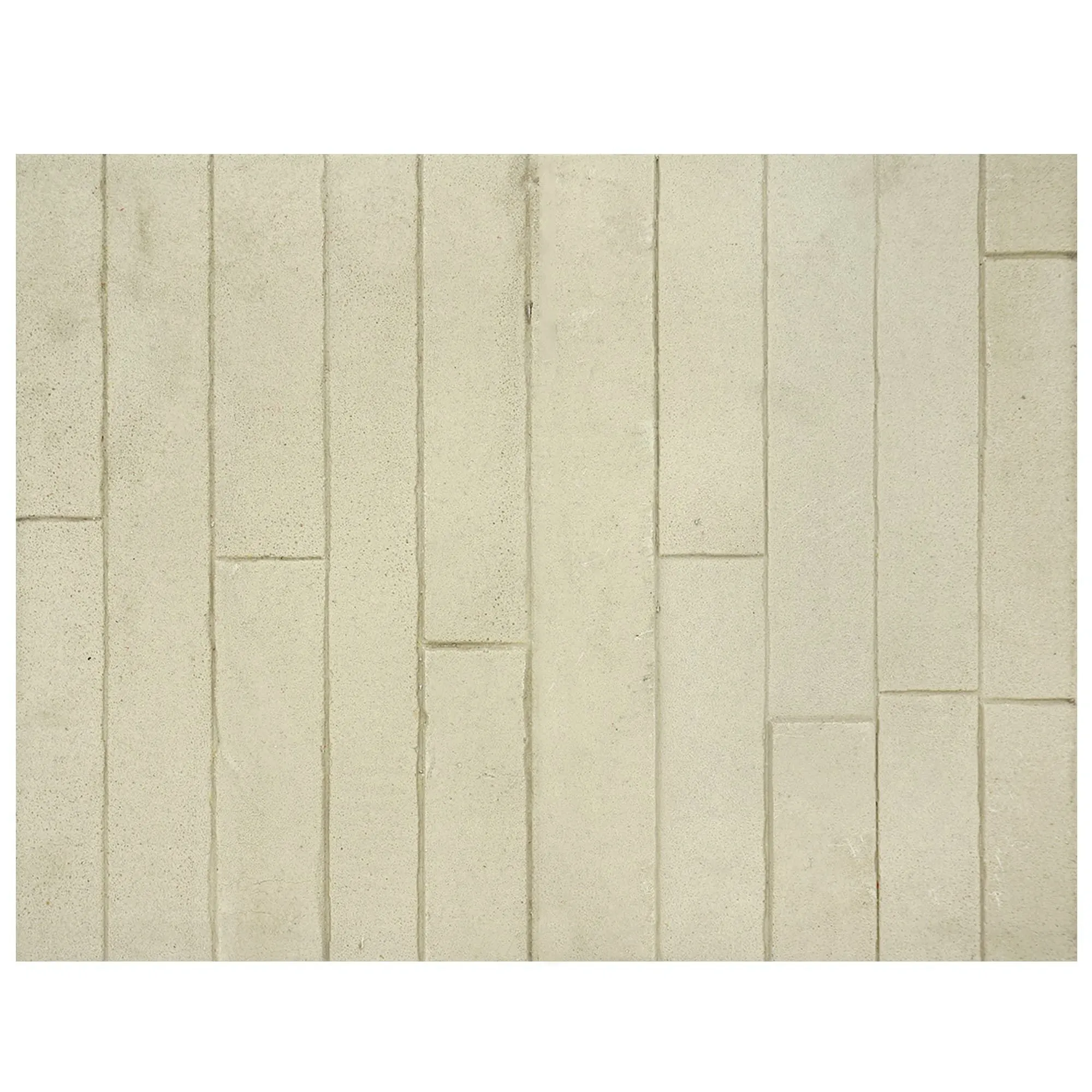
As empires rose and fell, the art of masonry continued to evolve, adapting to new spiritual aspirations and technological advancements.
The Medieval period witnessed the construction of some of the most intricate and daring stone structures in history: the Gothic cathedrals of Europe. These architectural marvels pushed the boundaries of what was thought possible with stone. Flying buttresses, ribbed vaults, and vast stained-glass windows were all made possible by an advanced understanding of stone mechanics and an unyielding commitment to craftsmanship. Each stone block, from the load-bearing piers to the delicate tracery, was meticulously carved and placed to create towering edifices that evoked awe and spiritual reverence. This era highlighted stone's versatility not just as a structural material, but as a medium for artistic expression on a grand scale.
With the Renaissance, there was a conscious return to classical ideals of proportion and order, albeit with new levels of sophistication. Architects like Brunelleschi, Alberti, and Michelangelo reinterpreted ancient Roman and Greek forms, using meticulously cut stone to create palaces, churches, and civic buildings that blended grandeur with intellectual rigor. The emphasis shifted towards refined details, harmonious compositions, and the celebration of stone's inherent beauty. New techniques for quarrying and dressing stone, along with a deeper understanding of geometry, allowed for unprecedented control over the material, leading to structures that were both elegant and monumental.
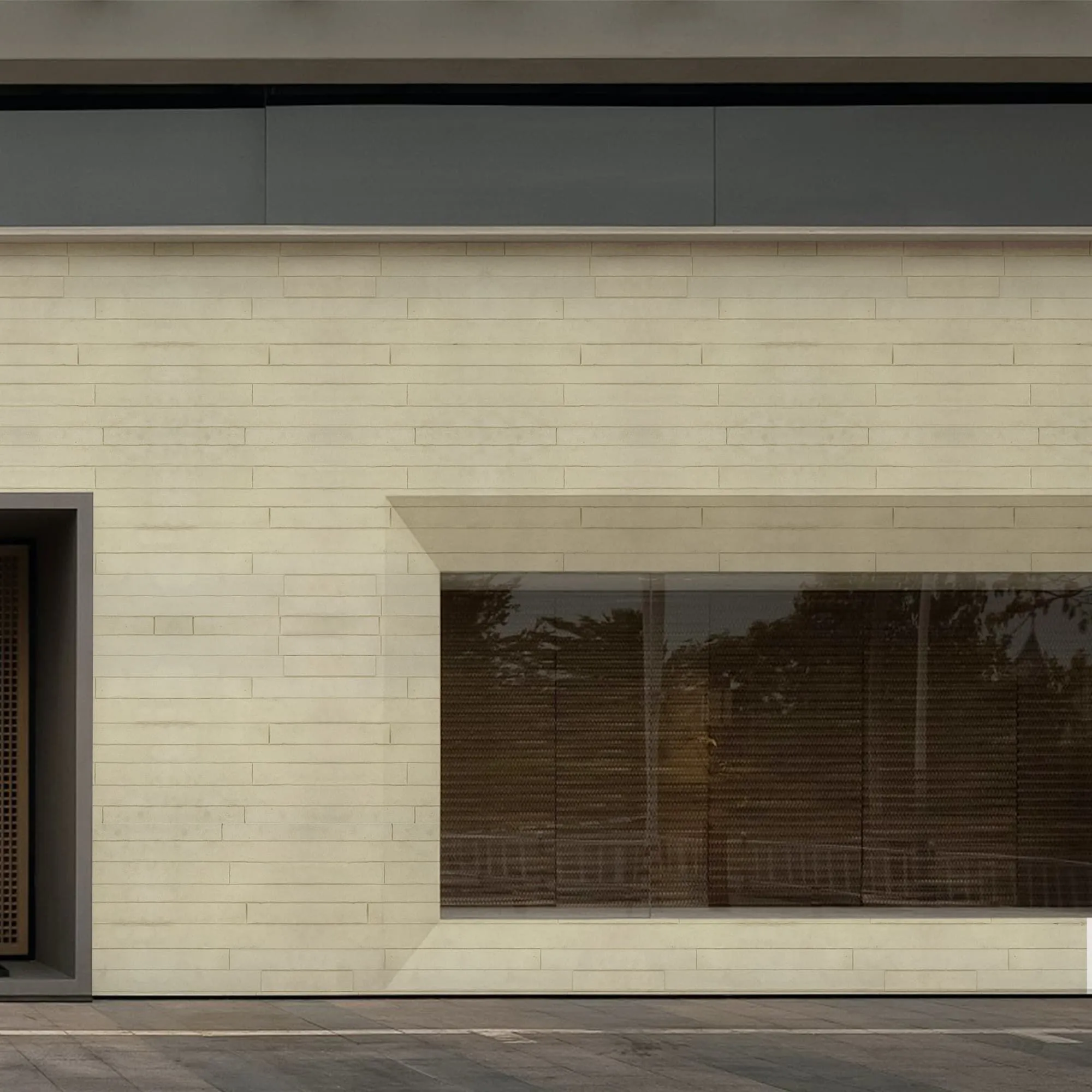
The Industrial Revolution brought forth new materials like steel and reinforced concrete, challenging stone's traditional dominance. While these materials offered new possibilities for height and span, stone continued to be valued for its aesthetic appeal, durability, and prestige. However, its traditional use began to face significant challenges.
Despite its timeless appeal, traditional natural stone comes with inherent drawbacks. Quarrying is resource-intensive and often environmentally impactful, leading to landscape degradation and high energy consumption. The sheer weight of natural stone means high transportation costs and complex, costly installation processes requiring specialized labor and heavy machinery. Its natural variations, while charming, can also lead to inconsistencies in quality and availability. Furthermore, the inherent rigidity and weight of natural stone can limit architectural design freedom, making truly innovative and flexible applications challenging.
The modern world demands more: sustainability, cost-effectiveness, design flexibility, and ease of application. This evolving landscape called for a new approach, a material that could honor the aesthetic legacy of stone while addressing the practical and environmental concerns of contemporary construction.
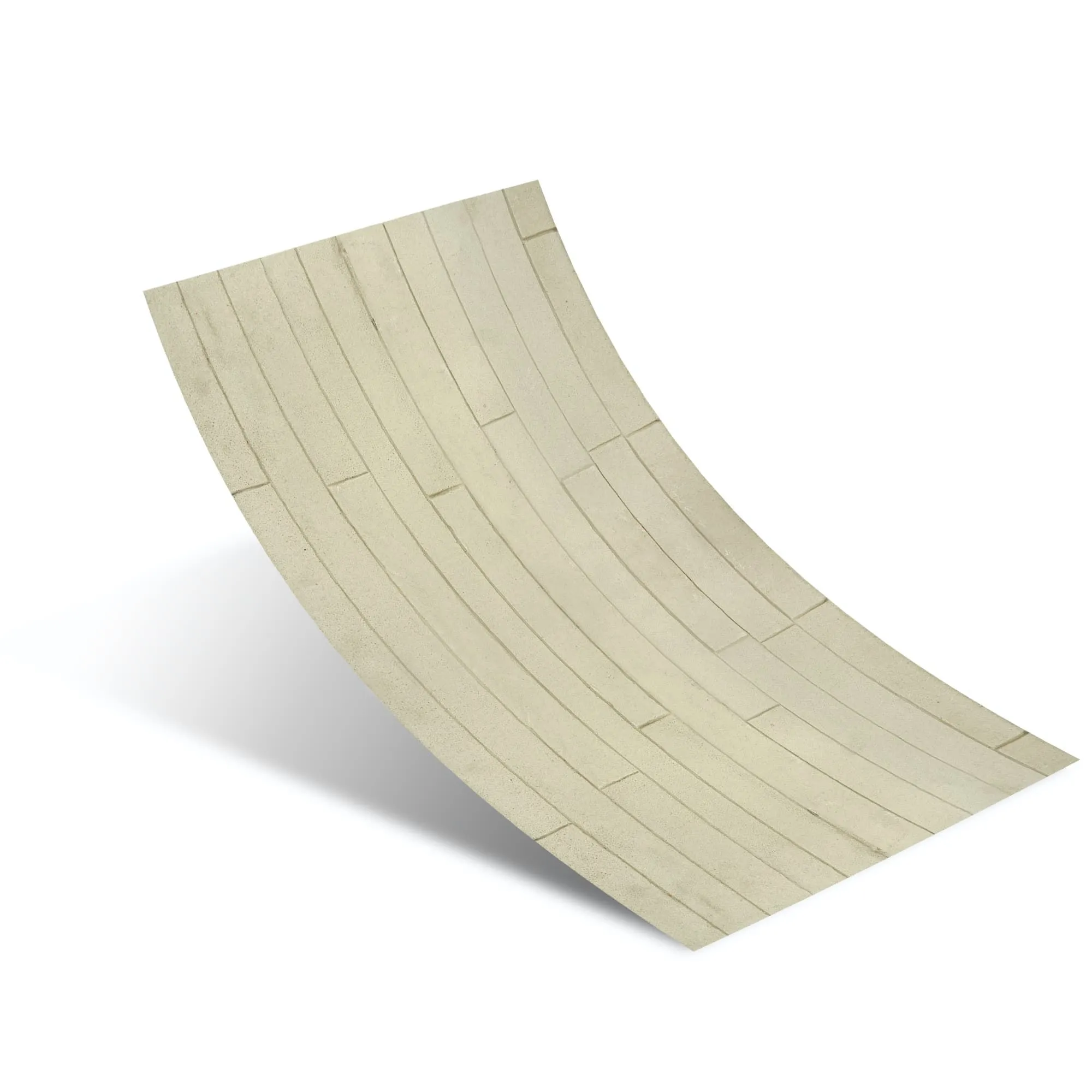
This is where COLORIA GROUP steps in, bridging the gap between ancient craftsmanship and future-forward innovation. Recognizing the need for sustainable, versatile, and high-performance building materials, we have pioneered the development of Modified Cementitious Material (MCM) . This revolutionary product category represents the next evolution in building surfaces, offering the aesthetic appeal and durability of natural stone without its traditional drawbacks. It's about more than just a material; it's about providing a complete architectural solution.
MCM, at its core, is an advanced composite material crafted from natural minerals, inorganic raw materials, and specific polymer modifiers. Through a unique cross-linking and low-temperature molding process, these ingredients are transformed into flexible, lightweight, yet incredibly durable sheets that can mimic the look and feel of various natural stones, wood, leather, and more. This innovative approach allows us to overcome the limitations of traditional materials while enhancing their best qualities.
Our commitment to innovation is reflected in our diverse range of MCM products, designed to meet the exacting demands of both residential and commercial projects worldwide. We understand that every project has unique requirements, and our MCM series is engineered for maximum adaptability and performance.
| Product Series | Key Features & Benefits | Typical Applications |
|---|---|---|
| **MCM Big Slab Board Series** |
|
|
| **MCM Project Board Series** |
|
|
| **MCM 3D Printing Series** |
|
|
| **MCM Flexible Stone** |
|
|
These product lines demonstrate our commitment to providing high-quality interior and exterior decoration materials that are not only aesthetically pleasing but also functionally superior.
The shift from traditional masonry to advanced Modified Cementitious Material isn't just about a change in composition; it's about a paradigm shift in how we approach building design, construction, and sustainability. COLORIA GROUP's MCM products offer a compelling suite of advantages that cater to the evolving demands of the global construction industry.
One of the most exciting aspects of MCM is its incredible versatility. Unlike natural stone, which is limited by quarry yields and geological formations, MCM can be engineered to replicate virtually any texture, color, and pattern. Whether you're seeking the rugged charm of natural slate, the polished elegance of marble, the warmth of wood grain, or even unique abstract designs, MCM can deliver. This opens up a world of possibilities for architects and designers, allowing for unprecedented customization . Want a specific shade of sandstone that's difficult to source naturally? We can create it. Need a panel that wraps around a challenging curve? Our flexible solutions make it possible. This bespoke capability ensures that every project can achieve its unique vision without compromise.
Traditional stone is notoriously heavy, leading to increased structural requirements, higher transportation costs, and labor-intensive installation. MCM, in contrast, is significantly lighter – often a fraction of the weight of natural stone or even ceramic tiles. This characteristic translates directly into cost savings and efficiency gains. Less weight means:
Despite its lighter weight and flexibility, MCM does not compromise on durability. Our materials are engineered for longevity and performance in diverse environments. They exhibit excellent resistance to:
In an era where environmental consciousness is paramount, COLORIA GROUP is proud to offer solutions that champion green environmental protection . Our MCM products are designed with sustainability in mind:
Choosing MCM isn't just a design decision; it's a responsible choice for the planet, aligning with global efforts towards sustainable development and green building certifications.
While the initial unit cost of a specialized MCM product might seem comparable to some traditional materials, the true economic benefit becomes clear when considering the entire project lifecycle.
When these factors are considered, MCM often presents a far more economical solution without compromising on quality or aesthetics.
COLORIA GROUP's MCM products are not just theoretical innovations; they are actively shaping the built environment across diverse geographies and project types. Our solutions are found in everything from high-rise commercial towers to cozy residential homes, adapting seamlessly to various architectural styles and functional demands.
In the bustling metropolises of today, where skyscrapers pierce the clouds and commercial complexes serve as centers of commerce and innovation, the choice of facade material is critical. MCM Big Slab Boards provide architects with the ability to create breathtaking, seamless exteriors that command attention, while also contributing to the building's energy efficiency and longevity. Their lightweight nature is a game-changer for tall buildings, reducing stress on the structure and simplifying installation at great heights. Imagine an office tower clad in a material that looks exactly like exquisite natural granite but is a fraction of its weight and installed in half the time – that's the power of COLORIA GROUP's MCM.
Beyond grand commercial projects, our MCM solutions bring luxury, durability, and sustainability to residential settings. MCM Flexible Stone is particularly popular for interior feature walls, fireplace surrounds, and even as a creative accent on furniture. Its ease of application makes it a favorite for homeowners and designers looking to achieve a high-end look without the complexities and costs associated with natural stone. From exterior cladding that provides superior insulation to interior surfaces that are both beautiful and easy to maintain, MCM offers homeowners a way to build smarter, live more comfortably, and enhance the value of their properties.
The robust and low-maintenance characteristics of MCM also make it an excellent choice for public buildings, transportation hubs, and other infrastructure projects. Its resistance to graffiti, impact, and weathering ensures that public spaces remain aesthetically pleasing and functional for years, even under heavy foot traffic and exposure to the elements. The ability to customize textures and colors also allows for creative, context-sensitive designs that integrate seamlessly with the surrounding urban fabric.
"The beauty of MCM lies not just in its aesthetic versatility, but in its ability to solve real-world construction challenges. It respects the legacy of natural materials while embracing the demands of modern engineering and environmental responsibility."
COLORIA GROUP operates on a global scale, bringing our innovative MCM solutions to markets around the world. A significant part of our strategy involves establishing strong local presence and understanding the unique needs of different regions. This is particularly evident in our operations within Saudi Arabia, where we have established a robust agency presence. The rapidly developing urban landscape of Saudi Arabia, characterized by ambitious mega-projects and a drive towards sustainable development, presents a perfect synergy with our MCM product lines.
Our decades of industry experience, combined with local insights from our Saudi Arabian agency, allow us to offer tailored solutions that meet specific climatic challenges, cultural aesthetic preferences, and regulatory requirements. We are not just supplying materials; we are building partnerships and contributing to the vision of a modern, sustainable built environment in the region. This localized approach ensures that every client receives not just a product, but a comprehensive service that addresses their specific project demands, reinforcing our role as a true one-stop solution provider .
Looking back at the history of masonry, it's clear that human beings have always sought to build with strength, beauty, and permanence. From the massive blocks of the pyramids to the intricate carvings of cathedrals, stone has been the quintessential material embodying these ideals. However, the world has changed, and our materials must evolve with it. The modern age calls for solutions that are not only aesthetically pleasing and durable but also sustainable, efficient, and adaptable.
COLORIA GROUP's Modified Cementitious Material represents this evolution. It is a material that carries the DNA of traditional masonry – its strength, its natural appeal, its ability to shape our environments – but infused with the intelligence of modern science and technology. By offering unparalleled customization , exceptional performance, and a strong commitment to green environmental protection , MCM is more than just a building material; it's a statement about the future of construction.
As a leading one-stop solution provider , COLORIA GROUP is dedicated to empowering architects, developers, and builders with the tools they need to create structures that are not only magnificent but also responsible. We envision a future where every building, whether a towering skyscraper or a humble home, benefits from high-quality interior and exterior decoration materials that blend form and function seamlessly, stand the test of time, and respect our planet.
The journey of masonry stone has been long and illustrious, marked by ingenuity and transformation. With COLORIA GROUP's MCM, we are not just continuing this journey; we are accelerating it, building a legacy that is as innovative as it is enduring, shaping the skylines and interiors of tomorrow with materials that are truly fit for the 21st century and beyond.
Recommend Products











