

In today's rapidly evolving construction landscape, the concept of sustainability has moved from a niche concern to a central pillar of responsible development. Architects, designers, developers, and homeowners are increasingly recognizing the profound impact building materials have on both the environment and the long-term viability of their projects. When it comes to masonry and stone, traditional choices often come with a heavy environmental footprint, from quarrying and transportation to manufacturing and installation. However, a new generation of materials and a rigorous framework of certifications are emerging, guiding us towards genuinely green projects. This comprehensive guide will delve into what to look for in masonry stone sustainability certifications, focusing on innovative solutions that meet the demands of modern, eco-conscious construction.
The global shift towards sustainable building practices isn't just a trend; it's a necessity. With resource depletion, climate change, and growing awareness of indoor air quality, the choices we make in building materials have far-reaching consequences. For those involved in residential or commercial projects, understanding the nuances of sustainability in masonry means more than just picking a "natural" material. It involves evaluating the entire lifecycle of a product, from raw material extraction to end-of-life disposal, and seeking out providers who are committed to this holistic vision. This is where the importance of recognized certifications comes into play, offering a verifiable stamp of approval for materials that genuinely contribute to a greener built environment.
At the heart of this transformation are companies dedicated to pioneering materials that challenge conventional wisdom. COLORIA GROUP, for instance, stands out as a leading one-stop solution provider in the architectural materials sector. With a deep commitment to high-quality interior and exterior decoration materials, COLORIA GROUP has cultivated decades of industry experience. Their global reach, particularly evidenced by their strong presence and agency in Saudi Arabia, underscores their dedication to serving diverse markets with cutting-edge solutions. This focus on innovation and global service is precisely what's needed to propel the industry forward in sustainable construction.
Why is sustainable masonry so crucial right now? The answer lies in the sheer volume of materials consumed by the construction industry and the lasting impact buildings have on energy consumption and human health. Masonry, in its various forms, is a fundamental component of countless structures worldwide. Its durability and aesthetic appeal are undeniable, but these qualities must now be paired with environmental responsibility.
Traditional stone and brick production can be energy-intensive, involving high-temperature kilns or extensive quarrying operations that disrupt ecosystems. Transportation of heavy materials over long distances adds significantly to a project's carbon footprint. Furthermore, some conventional masonry materials might contain volatile organic compounds (VOCs) or other harmful substances that degrade indoor air quality, impacting occupant health. Sustainable masonry aims to address these concerns head-on, offering alternatives that are not only aesthetically pleasing and structurally sound but also environmentally benign throughout their lifecycle.
Embracing sustainable masonry isn't just about compliance with regulations or achieving green building certifications; it's about creating healthier spaces, reducing operational costs through better insulation and durability, and contributing to a more resilient planet. For discerning clients and visionary project managers, selecting materials that embody these principles is no longer an option but a core requirement.
Navigating the labyrinth of sustainability certifications can be daunting. Each certification body has its own set of criteria, focus areas, and methodologies. However, they all share a common goal: to provide a credible, third-party verified assurance that a product or building meets specific environmental and social performance standards. For masonry materials, these certifications often scrutinize aspects such as:
While it's important to recognize specific product certifications, it's equally crucial to understand how they contribute to broader building certifications like LEED (Leadership in Energy and Environmental Design), BREEAM (Building Research Establishment Environmental Assessment Method), or Living Building Challenge. When a masonry product carries a recognized sustainability certification, it often earns credits towards these larger building certifications, making the path to a green building designation much smoother. This synergistic relationship is key for project developers aiming for top-tier sustainable achievements.
Let's explore some of the most influential certifications and their relevance to masonry and stone materials:
| Certification | Focus for Masonry | Key Benefit for Green Projects |
|---|---|---|
| declare Label | Transparency in material composition, revealing all ingredients and end-of-life options. It answers "Where does it come from? What is it made of? Where does it go at the end of its life?" | Ensures materials are free from harmful chemicals and supports healthy building goals. Simplifies material selection for projects aiming for Living Building Challenge or LEED v4/v4.1. |
| Environmental Product Declarations (EPDs) | Provide comprehensive, third-party verified information about the environmental impact of a product throughout its lifecycle (LCA). Includes raw material acquisition, manufacturing, transportation, use, and end-of-life. | Offers transparent, quantifiable environmental data, enabling informed decision-making and contributing to LEED and other green building certifications. |
| Health Product Declarations (HPDs) | Disclosure of product ingredients and associated health hazards, following a standardized format. Focuses on chemicals of concern. | Promotes healthier indoor environments by identifying and avoiding harmful substances. Crucial for projects prioritizing occupant well-being. |
| Cradle to Cradle Certified® | Evaluates products across five categories: Material Health, Material Reutilization, Renewable Energy & Carbon Management, Water Stewardship, and Social Fairness. | A rigorous, holistic standard that encourages circular economy principles, ensuring materials are safe and can be reused or recycled responsibly. Highly valued for deep sustainability goals. |
| Forest Stewardship Council (FSC) (for wood-based composites/elements) | Ensures wood and wood-derived products (e.g., for paneling, composite boards if integrated) come from responsibly managed forests. | Guarantees responsible forestry practices, preventing deforestation and supporting biodiversity, while reducing the carbon footprint of wood components. |
| Global GreenTag™ | An Australian-based product certification system covering health, eco-toxicity, GHG emissions, LCA, and other social and environmental impacts. | Provides robust, scientifically-based certification for a wide range of products, including masonry, offering clear performance ratings. |
When specifying materials for your green project, always ask for these certifications. They are not merely labels; they are powerful tools that enable transparency, accountability, and ultimately, genuine sustainability. A supplier who can readily provide these documents demonstrates a serious commitment to environmental stewardship and product integrity.
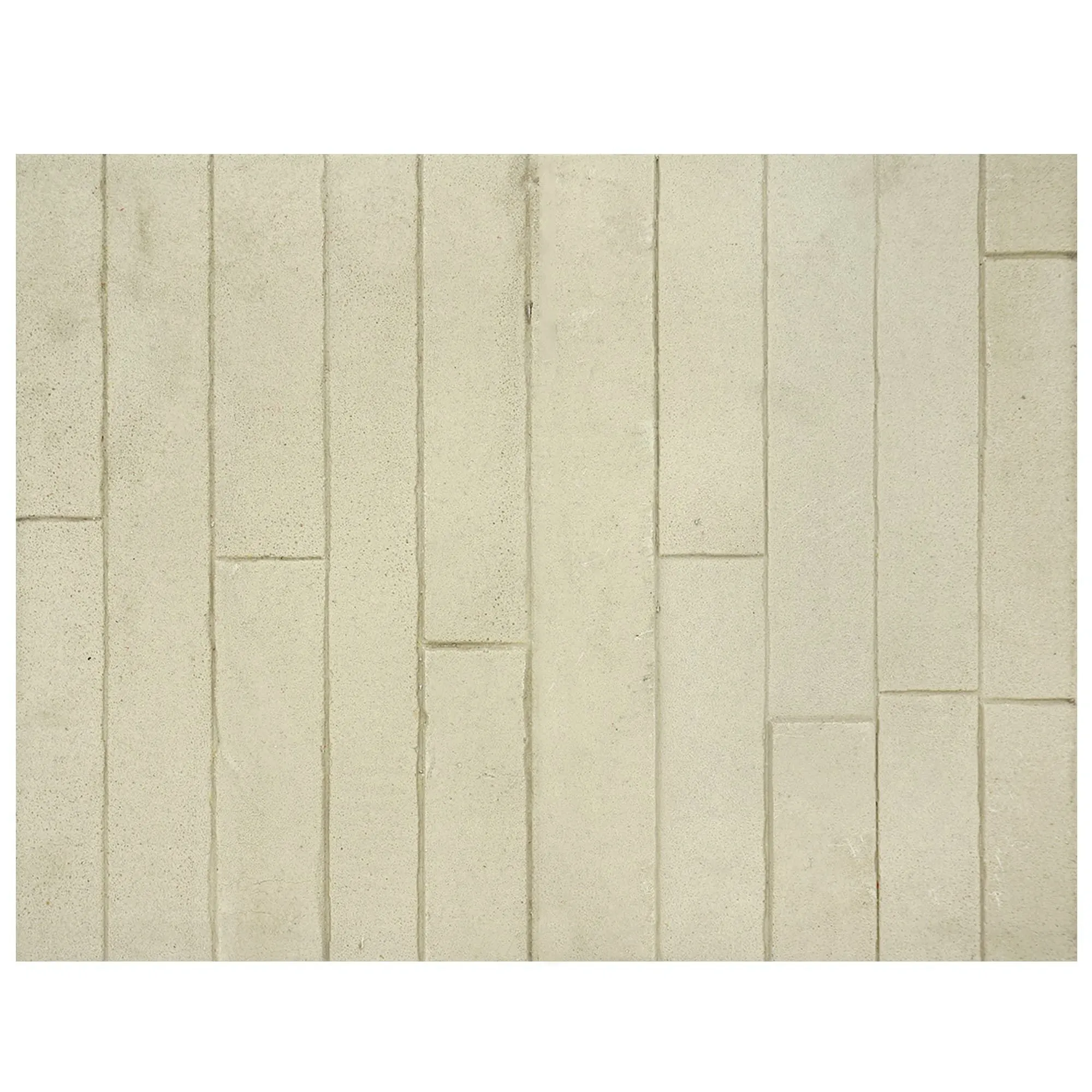
In the pursuit of truly sustainable and versatile building materials, COLORIA GROUP has championed a revolutionary product line: MCM (Modified Cementitious Material). This innovative material isn't just an alternative to traditional masonry; it's a leap forward in terms of environmental performance, design flexibility, and ease of application. MCM represents a significant advancement, offering qualities that align perfectly with the highest aspirations of green building projects.
What makes MCM so special? At its core, MCM is an engineered material that redefines what's possible in architectural finishes. Unlike heavy natural stone or traditional ceramic tiles, MCM is incredibly lightweight, flexible, and yet remarkably durable. Its production process is notably less energy-intensive compared to conventional materials, significantly reducing its embodied energy and carbon footprint. This inherent green and environmentally friendly nature is a cornerstone of its appeal for sustainable construction.
The versatility of MCM extends far beyond its environmental credentials. COLORIA GROUP offers several distinct series, each tailored to specific architectural needs, embodying the spirit of customization that modern projects demand.
COLORIA GROUP's commitment to innovation is evident in its diverse range of MCM products, designed to meet the aesthetic and functional requirements of both interior and exterior wall decoration.
Each of these MCM series from COLORIA GROUP embodies the principles of sustainability and modern design, making them ideal choices for projects aiming for high-level green building certifications. They offer an intelligent blend of performance, aesthetics, and environmental consciousness, setting a new standard for architectural materials.
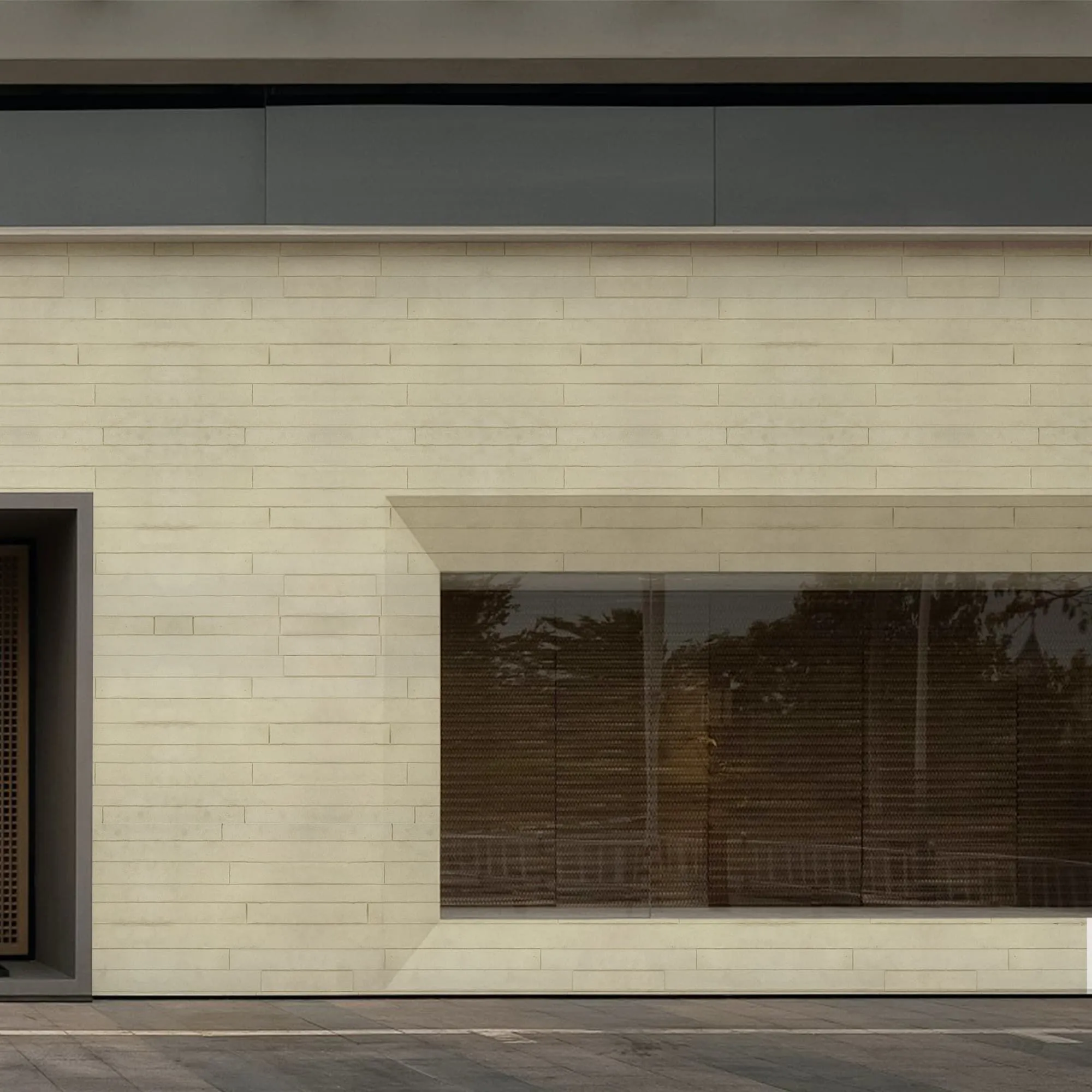
For projects targeting certifications like LEED, BREEAM, or the Living Building Challenge, selecting materials with verifiable sustainable attributes is paramount. COLORIA GROUP's MCM (Modified Cementitious Material) products are designed to directly contribute to achieving credits in various categories within these frameworks.
The ability of MCM to deliver high performance while minimizing environmental impact makes it an ideal choice for forward-thinking architects and developers. Its adaptability and diverse application make it suitable for a vast array of project types, from high-rise commercial buildings to bespoke residential estates.
While certifications provide a rigorous framework, the benefits of choosing sustainable masonry extend far beyond ticking boxes for LEED or BREEAM. These materials contribute to a more holistic vision of sustainable development.
This holistic perspective is what truly defines a green project. It's about making choices that benefit not only the immediate project but also the broader community and future generations. It's about building smarter, healthier, and more responsibly.
Choosing the right materials is just one piece of the puzzle. Partnering with a reliable and experienced supplier is equally crucial. COLORIA GROUP positions itself as a comprehensive one-stop solution provider for architectural materials, offering not just products but also expertise, support, and a deep understanding of project requirements. Their decades of industry experience, combined with a strong focus on innovation, make them an invaluable partner for any green project.
Their extensive product portfolio, particularly the MCM (Modified Cementitious Material) series, provides a robust foundation for sustainable design. Whether you're designing a high-performance facade, a stunning interior feature wall, or a large-scale commercial development, COLORIA GROUP offers materials that meet the highest standards of aesthetics, durability, and environmental responsibility. Their dedication to the global market , with a significant presence in regions like Saudi Arabia, demonstrates their capacity to deliver these high-quality, sustainable solutions wherever they are needed.
When you engage with COLORIA GROUP, you're not just buying materials; you're gaining a partner committed to helping you achieve your sustainable building goals. Their team can provide technical specifications, product data sheets, and insights into how their MCM products contribute to various green building certifications. This level of support is essential for complex projects where every material choice must be meticulously documented and justified.
The journey towards fully sustainable construction is ongoing, with continuous innovation driving new possibilities. Future trends in masonry and material science will likely focus on:
COLORIA GROUP, with its existing MCM 3D Printing Series, is already at the forefront of some of these emerging trends, demonstrating a forward-thinking approach that will continue to shape the future of architectural materials. Their continued investment in research and development ensures that their offerings will remain relevant and pioneering in the ever-evolving landscape of green building.
The decision to choose sustainable masonry materials is a powerful one, reflecting a commitment to environmental stewardship, occupant health, and long-term value. By understanding what to look for in sustainability certifications – from EPDs and HPDs to specific product labels – architects, designers, and developers can make informed choices that positively impact their projects and the planet.
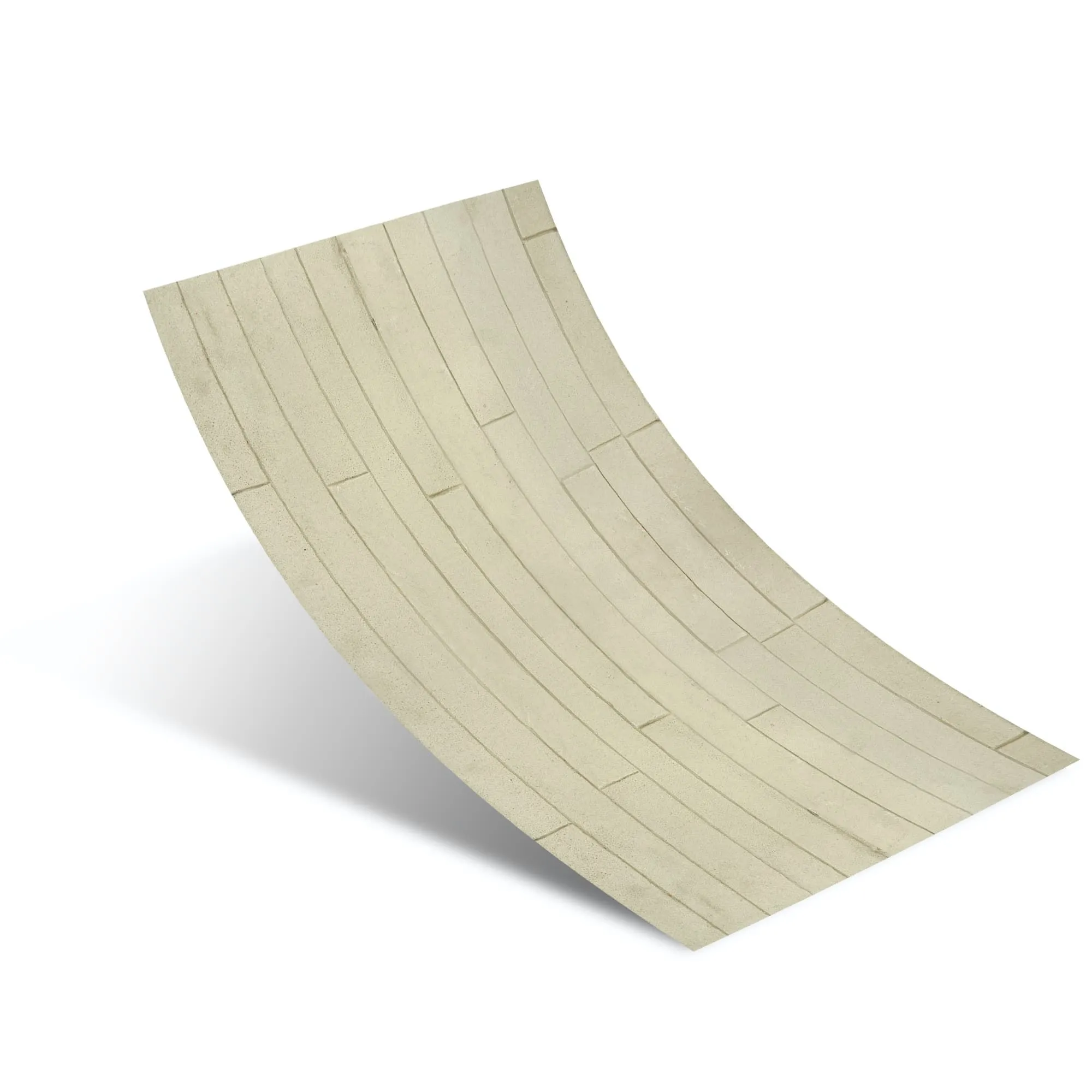
Materials like COLORIA GROUP's MCM (Modified Cementitious Material) are not just products; they are testaments to what's possible when innovation meets responsibility. With their lightweight, flexible, green and environmentally friendly attributes, coupled with unparalleled customization options across their Big Slab, Project, 3D Printing, and Flexible Stone series, MCM offers a compelling solution for any project striving for excellence in sustainable design.
As a dedicated one-stop solution provider with a strong presence in the global market and decades of experience, COLORIA GROUP is well-equipped to support your green building aspirations. Their commitment to high-quality interior and exterior decoration materials, combined with a forward-looking vision for sustainability, makes them an ideal partner for navigating the complexities of modern construction. Let's build a future where every wall, every facade, and every architectural detail contributes to a healthier, more sustainable world. The tools and the expertise are available; it's up to us to utilize them wisely.
Recommend Products











