



In the vast and ever-evolving world of construction, the choice of materials forms the very foundation of a project's success. Two giants have long dominated the landscape, each with its unique character and capabilities: traditional masonry stone and modern concrete. For centuries, builders, architects, and homeowners have weighed their options, considering not just structural integrity but also the visual impact these materials impart. But what if the choice wasn't just between these two conventional titans? What if there was a smarter, more versatile, and truly sustainable path forward?
As a one-stop solution provider in the architectural materials sphere, we at COLORIA GROUP understand that building isn't just about erecting structures; it's about crafting environments that stand the test of time, weather, and ever-changing design trends. We're here to delve deep into the age-old debate of masonry stone versus concrete, exploring their inherent strengths, common challenges, and ultimately, introducing innovative alternatives that are redefining what's possible in modern construction, particularly through our advanced Modified Cementitious Material (MCM) solutions.
Masonry Stone: The Timeless Allure and Enduring Legacy
There's an undeniable romance associated with masonry stone. From ancient pyramids to grand cathedrals, stone has been humanity's oldest and most revered building material. Its appeal is deeply rooted in its natural beauty, tactile texture, and the sense of permanence it conveys.
The Unmatched Strengths of Masonry Stone:
- Aesthetic Grandeur: No two pieces of natural stone are exactly alike. This inherent variability offers a rich, organic aesthetic that is incredibly difficult to replicate. The deep veining of marble, the speckled patterns of granite, the rustic charm of sandstone, or the rugged appeal of limestone – each brings a unique character. This natural beauty ages gracefully, developing a patina that often enhances its appeal over time. For exterior wall decoration , stone offers unparalleled elegance and a connection to nature.
- Exceptional Durability: Stone structures are known for their incredible longevity. They resist weathering, erosion, and decay better than most materials. Once installed, masonry stone requires minimal maintenance and can withstand harsh climatic conditions, making it a robust choice for lasting infrastructure.
- Thermal Mass: Stone possesses high thermal mass, meaning it can absorb and store heat energy. In colder climates, this can help regulate indoor temperatures by releasing stored heat slowly. Conversely, in hot climates, it can delay heat transfer into a building, contributing to more stable indoor environments and potentially reducing energy consumption.
- Perceived Value and Prestige: Buildings constructed with or clad in natural stone often command higher perceived value and market prestige. This isn't just about luxury; it's about quality, durability, and a classic aesthetic that signifies careful craftsmanship and investment.
- Fire Resistance: Natural stone is inherently non-combustible, offering excellent fire resistance, which is a critical safety consideration for any structure.
The Inherent Challenges of Masonry Stone:
- Cost Prohibitive: The acquisition of natural stone can be significantly more expensive than other building materials due to quarrying, cutting, and transportation. Furthermore, the specialized skills and labor required for proper masonry installation add substantially to the overall project budget.
- Weight and Structural Requirements: Stone is incredibly heavy. This weight necessitates robust foundational and structural support, which can increase engineering costs and construction complexity. It also limits its application in certain types of renovations or additions where existing structures may not bear the additional load.
- Installation Complexity and Time: Working with natural stone is labor-intensive and time-consuming. Each piece often needs to be cut, shaped, and laid individually, requiring skilled artisans. This extends project timelines and can lead to higher labor costs.
- Limited Customization: While natural stone offers variety, achieving highly specific or intricate designs can be challenging and costly. Custom shapes, precise patterns, or complex curves are difficult to achieve without significant wastage and specialized tooling.
- Environmental Impact: The quarrying of natural stone can have significant environmental consequences, including habitat destruction, soil erosion, and substantial energy consumption for extraction and transportation.
Concrete: The Versatile Workhorse of Modern Construction
Concrete, a mixture of cement, aggregates, water, and admixtures, is arguably the most widely used building material in the world. Its widespread adoption stems from its incredible versatility, strength, and relative cost-effectiveness.
The Formidable Strengths of Concrete:
- Unrivaled Versatility: Concrete can be cast into virtually any shape or form, offering architects and builders immense design freedom. From intricate architectural elements to massive structural components, its adaptability is unmatched. This makes it a go-to for complex modern designs.
- Exceptional Strength and Durability: When properly mixed, poured, and cured, concrete achieves high compressive strength, making it ideal for foundations, columns, beams, and slabs that bear heavy loads. It is also resistant to rot, pests, and fire.
- Cost-Effectiveness: The raw materials for concrete are generally abundant and inexpensive compared to natural stone. Its ability to be produced on-site or precast off-site can also contribute to more efficient construction processes and reduced labor costs for structural elements.
- Speed of Construction: For many applications, especially large-scale projects, concrete construction can be faster than traditional masonry. Precast concrete elements can be manufactured off-site and rapidly assembled, accelerating project timelines.
- Fire Resistance: Like stone, concrete is non-combustible and provides good fire resistance, helping to compartmentalize fires and protect structural integrity during an event.
The Common Challenges of Concrete:
- Aesthetic Limitations: While versatile in form, raw concrete can often appear stark, industrial, and lacking in warmth. Achieving desired aesthetics often requires additional finishes, coatings, or decorative treatments, which add to cost and complexity.
- Potential for Cracking: Concrete is prone to cracking due to shrinkage, thermal expansion/contraction, and structural movement if not properly designed and reinforced. While often not structural, these cracks can be aesthetically unappealing and may require maintenance.
- Thermal Bridging: Concrete, while dense, is not an excellent insulator on its own. It can act as a thermal bridge, transferring heat or cold, potentially impacting energy efficiency unless insulated properly.
- Environmental Concerns: The production of cement, a key component of concrete, is a significant contributor to global carbon dioxide emissions. While efforts are being made to develop greener cements, the overall environmental footprint remains a concern.
- Repair and Remediation: Repairing damaged concrete can be challenging, often requiring specialized techniques to ensure the repair matches the original in strength and appearance.
The Evolving Landscape: A New Paradigm with Advanced Materials
As the world grapples with the dual demands of rapid urbanization and environmental stewardship, the construction industry is continually seeking materials that offer the best of both worlds: the strength and versatility of concrete with the aesthetic appeal and sustainability credentials that challenge traditional stone. This is where innovation steps in, offering a compelling alternative that redefines architectural possibilities.
At COLORIA GROUP, we've dedicated decades of expertise to precisely this challenge. We understand that modern projects, whether residential or commercial, demand solutions that are not only robust and beautiful but also efficient to install and kind to our planet. Our answer lies in the revolutionary Modified Cementitious Material (MCM) series.
COLORIA GROUP's MCM: Bridging the Gap, Redefining Standards
Our MCM products represent a paradigm shift in architectural finishes. By harnessing advanced polymer chemistry and mineral composites, we've engineered a material that outperforms traditional options in numerous aspects, offering a truly customizable architectural solution that meets the rigorous demands of contemporary design and construction.
Discover the COLORIA GROUP MCM Series:
Our core product lines are designed to cater to a diverse range of project needs, offering unparalleled flexibility and performance:
- MCM Big Slab Board Series: Imagine large format panels that mimic the grandeur of natural stone, wood, or even intricate textiles, but with a fraction of the weight and cost. These big slabs allow for seamless aesthetic continuity, reducing grout lines and accelerating installation. They're perfect for grand lobbies, expansive facades, and striking feature walls.
- MCM Project Board Series: Tailored for large-scale engineering and commercial projects, this series provides durable, high-performance panels that combine robust structural integrity with diverse aesthetic finishes. It's the ideal choice when both reliability and visual impact are paramount for exterior wall decoration and interior finishes.
- MCM 3D Printing Series: Pushing the boundaries of design, our 3D printing series allows for the creation of intricate, customized textures and patterns directly onto the MCM surface. This opens up entirely new possibilities for bespoke architectural features, giving designers unprecedented freedom to bring their most imaginative concepts to life.
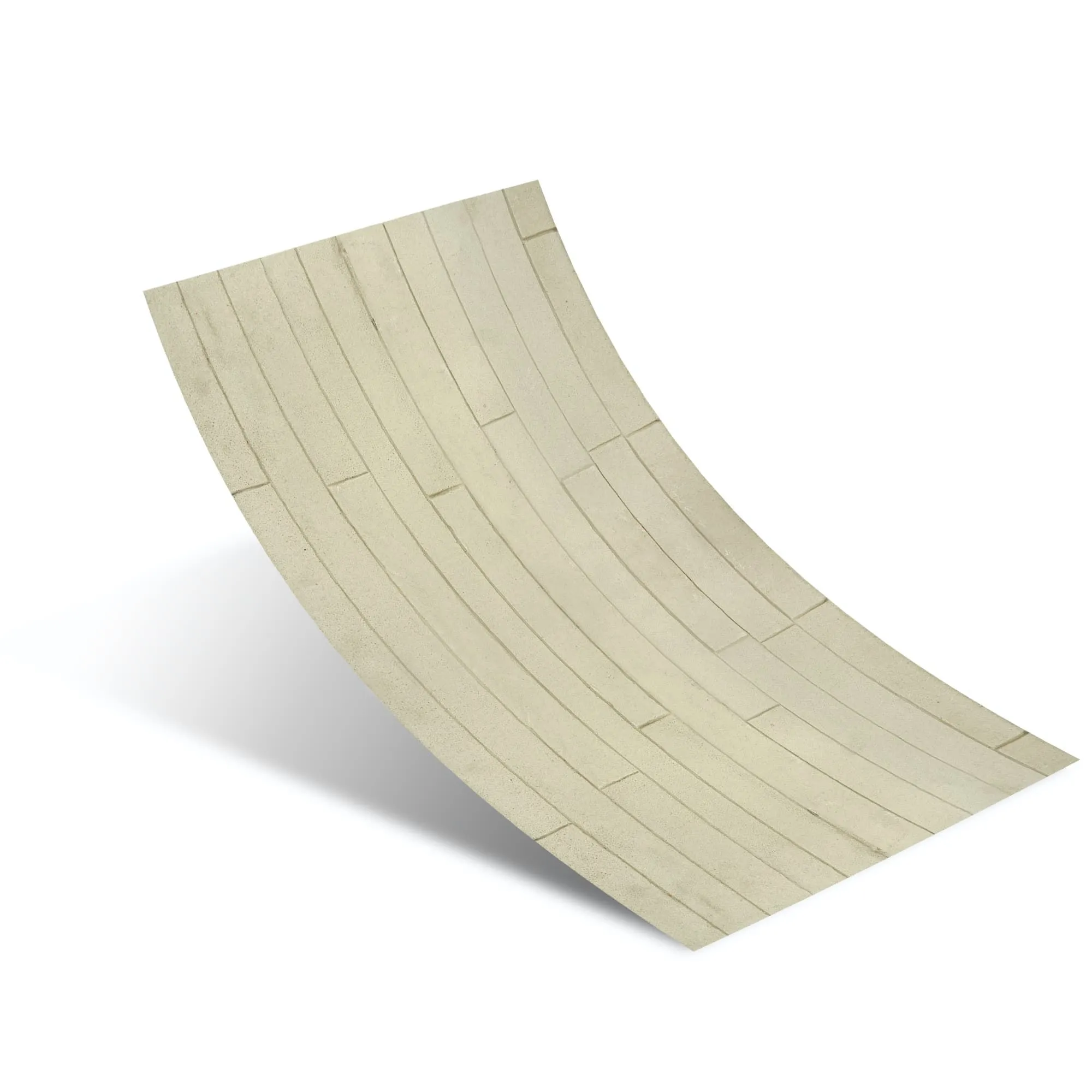
- MCM Flexible Stone: This is where the magic truly happens. Our Flexible Stone redefines what a "stone" material can be. It's incredibly thin, lightweight, and pliable, yet replicates the look and feel of natural stone with astonishing fidelity. This product dramatically reduces transportation costs, simplifies installation, and is ideal for cladding complex curves or lightweight structures where traditional stone would be impractical or impossible.
Why COLORIA GROUP's MCM is the Smart Choice for Your Next Project
1. Unrivaled Aesthetics with Customization at its Core:
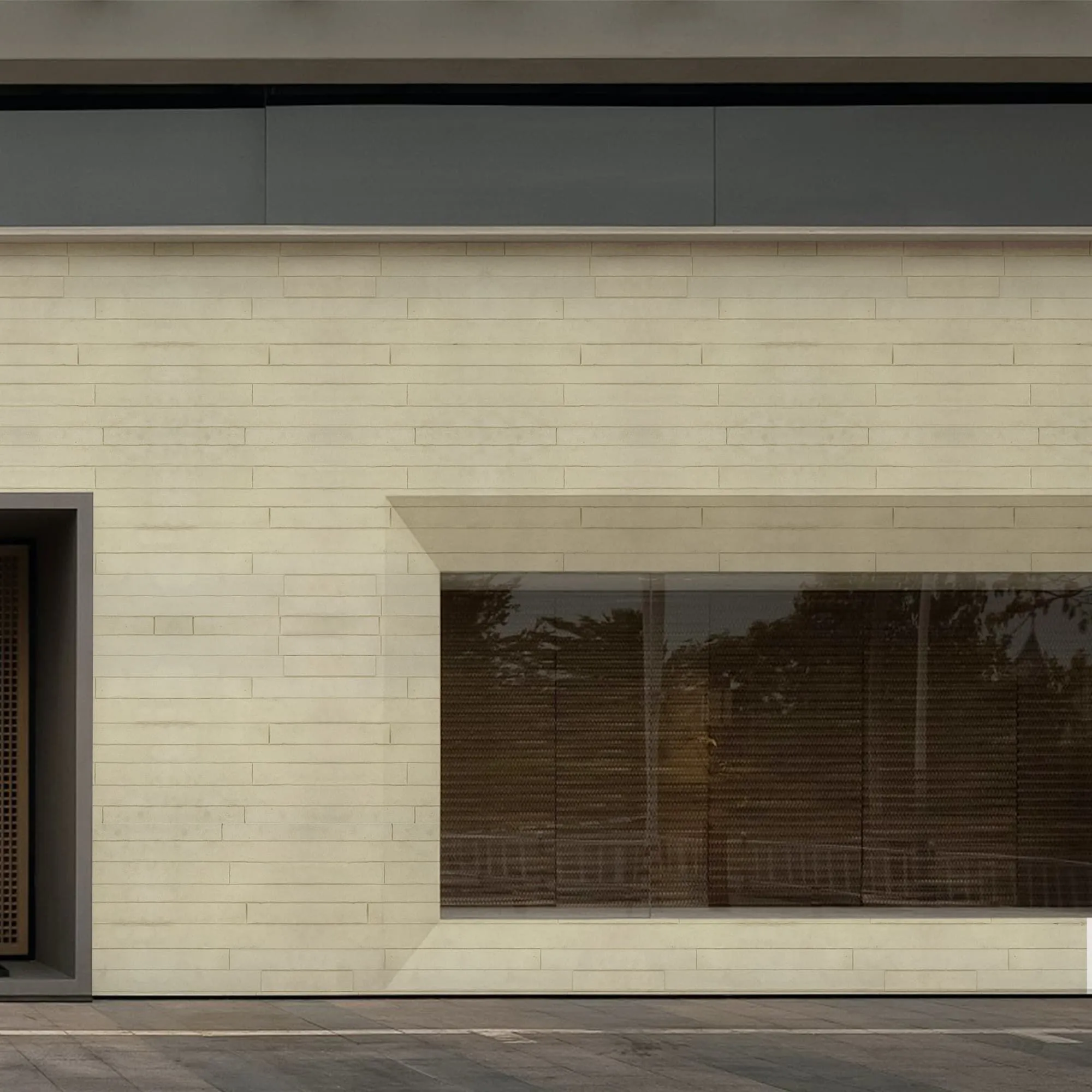
With MCM, you're not limited to the offerings of a quarry. Our products can mimic almost any natural texture – from the ruggedness of slate to the smoothness of polished marble, the warmth of wood, or the industrial appeal of concrete – all with incredible realism. The ability to customize colors, textures, and even create unique 3D patterns means that architects and designers have a truly customizable architectural solution at their fingertips. This allows for truly unique building skins, ensuring that every project can have its distinct identity. Whether you want to achieve a minimalist modern look or a rustic, earthy feel, MCM delivers.
2. Superior Performance and Durability:
COLORIA GROUP's MCM materials are engineered for longevity. They offer excellent resistance to UV radiation, weathering, fire, and impact, ensuring that your building's facade or interior maintains its pristine appearance for decades. Unlike traditional concrete, MCM is inherently flexible, reducing the likelihood of cracking and making it more resilient to structural movement. Its lightweight nature also significantly reduces the load on the building's foundation, potentially saving costs on structural engineering. For applications like exterior wall decoration , this means less maintenance and a longer lifespan, even in challenging climates like those found in Saudi Arabia, where we have a strong presence.
3. Environmental Responsibility: The Heart of Our Innovation:
One of the most compelling advantages of our MCM series is its significant environmental benefits. Crafted from mineral powders and eco-friendly polymers, the production process consumes considerably less energy and raw materials compared to traditional stone quarrying or cement production. Furthermore, the lightweight nature of MCM dramatically reduces fuel consumption during transportation. This commitment to sustainability ensures that our products are truly eco-friendly building materials , helping projects achieve green building certifications and contributing to a healthier planet. Choosing MCM means choosing a future where construction and nature coexist harmoniously.
4. Efficiency and Cost-Effectiveness:
The lightweight and flexible nature of MCM translates directly into faster and more efficient installation. Large panels can be installed more quickly with less labor, reducing overall project timelines and costs. The simplified installation process also means less specialized equipment is needed, further contributing to cost savings. When you factor in the reduced structural requirements due to its low weight, MCM often presents a more economical solution over the entire lifecycle of a building, without compromising on quality or aesthetics.
5. A True One-Stop Solution:
As a one-stop solution provider , COLORIA GROUP doesn't just offer materials; we offer comprehensive support from concept to completion. With decades of industry experience and a global footprint, including dedicated agencies in regions like Saudi Arabia, we provide expert guidance, technical support, and logistical efficiency. Our goal is to simplify the complex process of material selection and procurement, ensuring that our clients receive not just products, but complete, tailored solutions that exceed their expectations. We work closely with architects, developers, and contractors to ensure seamless integration of our materials into their projects, guaranteeing satisfaction and success.
Comparative Overview: Masonry Stone vs. Concrete vs. COLORIA GROUP MCM
| Feature | Masonry Stone | Concrete (Traditional) | COLORIA GROUP MCM |
|---|---|---|---|
| Aesthetics | Natural, unique, rich texture, high prestige. Limited pattern variation per stone type. | Versatile in form, but raw appearance can be stark; requires finishes for appeal. | Highly customizable, replicates natural stone, wood, textile; 3D textures possible. Consistent quality. |
| Weight | Very heavy; requires significant structural support. | Heavy; contributes substantial load to structure. | Extremely lightweight (e.g., Flexible Stone is mere millimeters thick); minimal structural impact. |
| Durability | Excellent, very long lifespan, weather-resistant. | Very strong and durable if properly mixed/cured; prone to cracking over time. | Excellent weather, UV, fire, and impact resistance. Flexible, reducing crack risk. |
| Installation | Complex, labor-intensive, time-consuming; requires skilled masons. | Can be quick for large pours; precast speeds up assembly. Finishes add complexity. | Fast, efficient, less labor-intensive due to lightweight and large formats; suitable for diverse surfaces. |
| Cost (Material & Labor) | High due to quarrying, processing, transport, and skilled labor. | Raw materials are economical, but formwork, rebar, and finishing add up. | Highly competitive, especially considering reduced transport, labor, and structural costs. Excellent value. |
| Customization | Limited to natural variations; bespoke shapes are costly and wasteful. | High form versatility, but surface aesthetics require secondary treatments. | Unmatched customization in texture, color, pattern, and 3D effects. True design freedom. |
| Environmental Impact | High (quarrying, transport, energy-intensive). | Significant (cement production's CO2 emissions). | Low (reduced energy for production, lightweight for transport, fewer raw materials, often recyclable). Truly eco-friendly building materials . |
| Applications | Structural, facades, heritage, high-end interiors. | Structural, foundations, slabs, industrial, basic facades. | Exterior wall decoration , interior cladding, feature walls, ceilings, renovations, intricate designs. |
The Future is Flexible, Sustainable, and Beautiful
The choice between masonry stone and concrete is no longer a binary one. The advancements in material science have opened doors to solutions that embody the best characteristics of both, while simultaneously addressing their inherent limitations. COLORIA GROUP's MCM series stands at the forefront of this evolution, offering not just a product, but a promise: the promise of unparalleled beauty, enduring strength, and uncompromising sustainability.
From the bustling streets of global metropolises to serene residential enclaves, our eco-friendly building materials are transforming architectural visions into tangible realities. By choosing COLORIA GROUP, you are not just selecting a material; you are partnering with a one-stop solution provider dedicated to delivering excellence, innovation, and value, backed by decades of global industry experience. We empower architects, developers, and builders to create structures that are not only aesthetically stunning and structurally sound but also responsible and future-proof.
In the ongoing dialogue between tradition and innovation, the next chapter in construction is being written with materials like MCM. It's a chapter where strength meets subtlety, where design knows no bounds, and where every project contributes to a greener, more beautiful world. We invite you to explore the possibilities and elevate your next construction endeavor with COLORIA GROUP's cutting-edge solutions. Let's build a better, more sustainable future, together.









