

There's something inherently captivating about the look and feel of stone. It brings a sense of permanence, grandeur, and natural beauty to any space, whether it's a rustic cabin or a sleek modern high-rise. For centuries, natural stone masonry has been the gold standard for adding this timeless aesthetic to buildings. But let's be honest, traditional full-bed masonry comes with its own set of challenges: the immense weight, the complex installation, the sky-high costs, and the need for specialized structural support.
In today's fast-paced construction world, where efficiency, sustainability, and innovative design are paramount, designers and builders are constantly seeking alternatives that offer the same visual appeal without the traditional drawbacks. This has led to a boom in thin-cut stone options, from natural stone veneers to advanced engineered materials. If you're pondering how to get that coveted stone look for your residential or commercial project without breaking the bank or the building's foundation, you've come to the right place. We're going to dive deep into the world of thin-cut wall decor, comparing traditional veneers with groundbreaking new materials, and explore how a one-stop solution provider like COLORIA GROUP is revolutionizing the industry.
Before we dissect the modern solutions, let's appreciate why stone has endured as a favored building material. It's more than just aesthetics; it's about a combination of factors:
Historically, achieving this look meant using full-bed masonry, where large, heavy stones are laid with mortar, requiring substantial footings and skilled masons. While undeniably authentic, it's a labor-intensive and costly process that's often impractical for modern construction, especially for interior walls or renovations where structural capacity might be limited. This is where thin-cut alternatives step in, bridging the gap between desire and practicality.
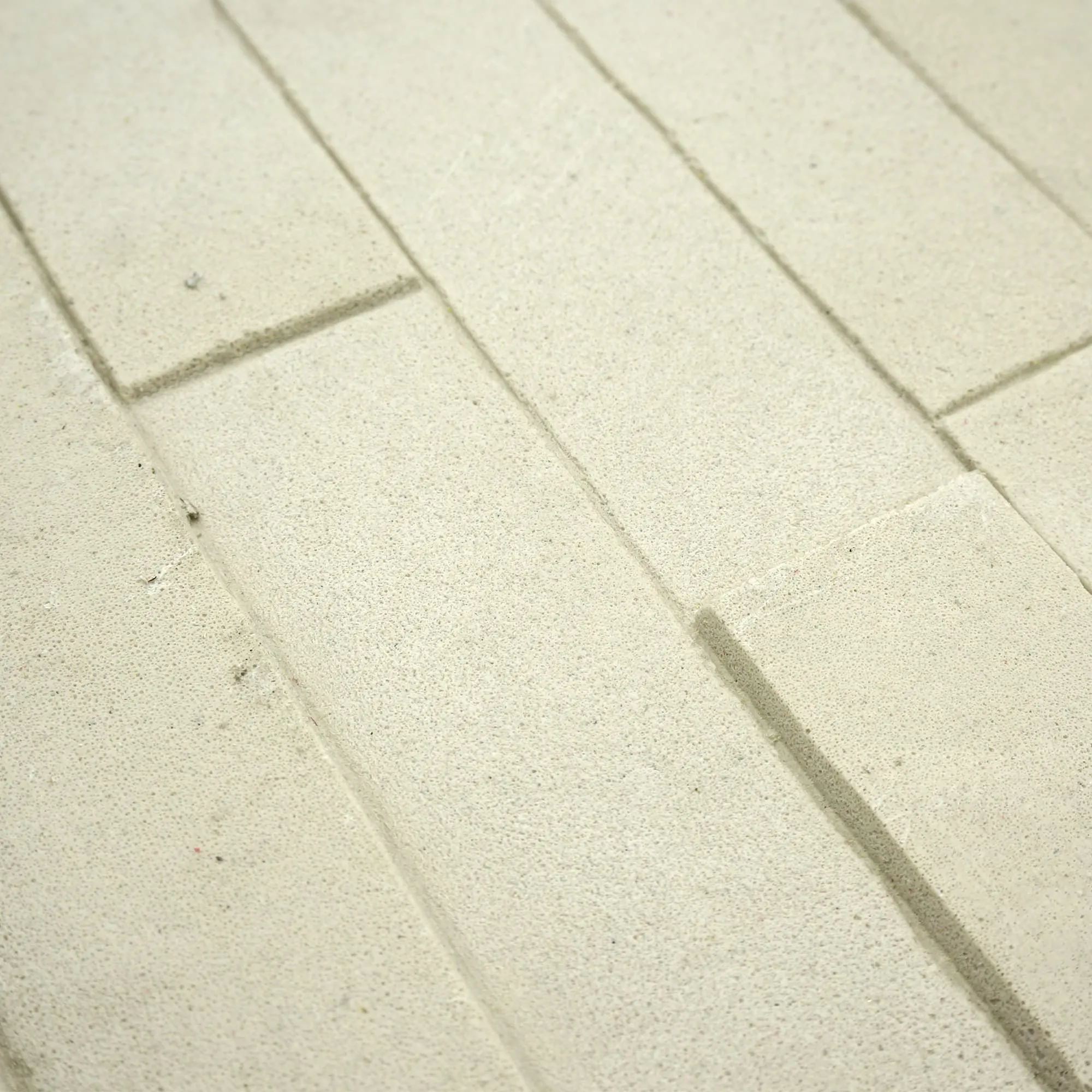
Stone veneer emerged as a popular alternative to full-bed masonry, offering the aesthetic appeal of natural stone without the weight and bulk. It's essentially a thin layer of material applied to a building's exterior or interior wall, giving the appearance of solid stone. There are two main types of traditional stone veneer:
Natural stone veneer is exactly what it sounds like: actual stone that has been cut into thinner pieces, typically ranging from 1 to 2 inches thick. These pieces are then mortared onto a suitable substrate. This method maintains the authenticity of real stone because it is real stone, just in a more manageable form.
Pros:
Cons:
Manufactured stone veneer, also known as cultured stone, is an engineered product made from a blend of cement, aggregates, and pigments. It's cast in molds taken from real stones, allowing it to closely mimic the texture, shape, and color of natural rock. Once cured, it's significantly lighter than natural stone.
Pros:
Cons:
Both natural and manufactured stone veneers represent a significant improvement over full-bed masonry in terms of weight, cost, and installation complexity. However, the quest for even lighter, more versatile, and truly sustainable options continued, leading to remarkable innovations in building materials .
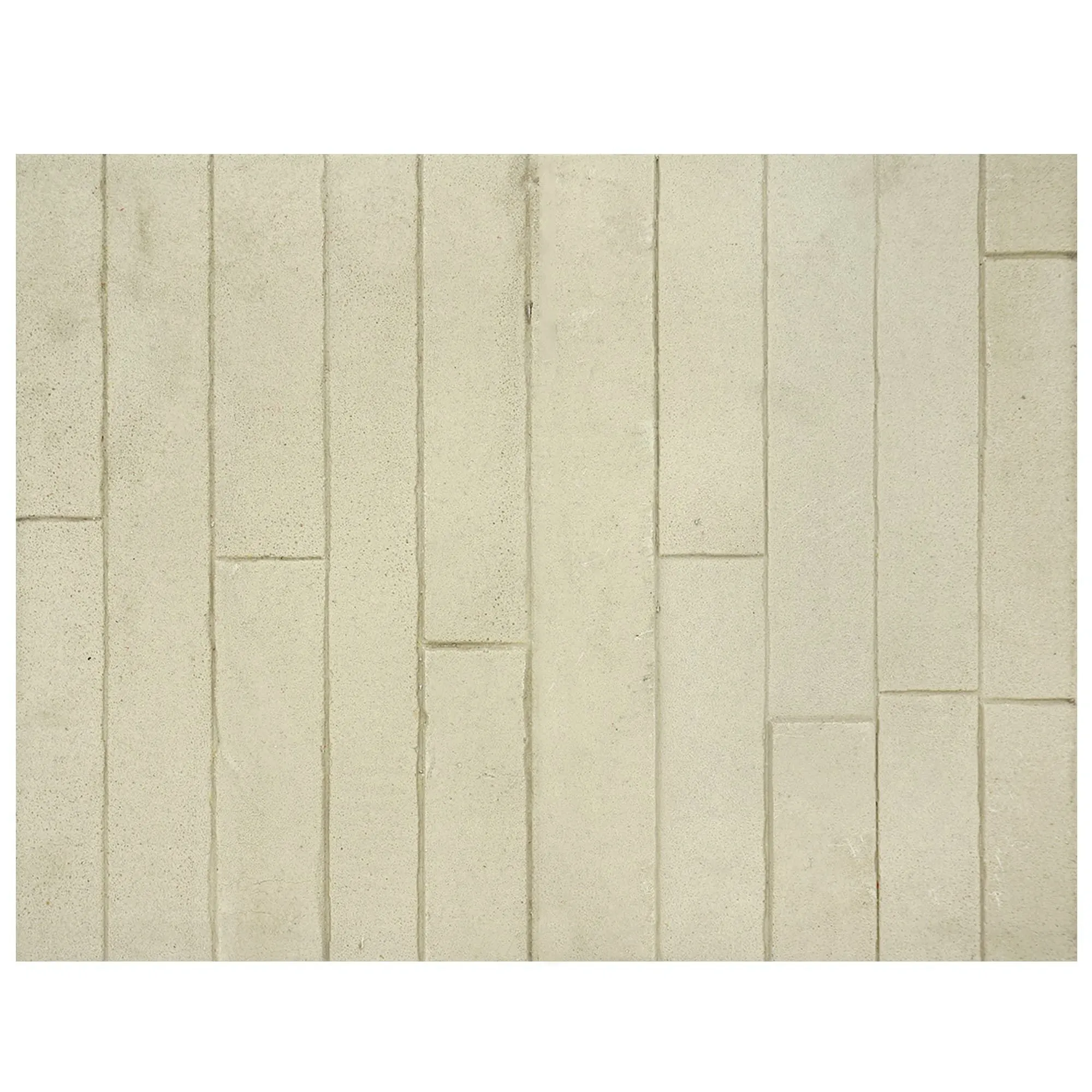
This is where the conversation truly shifts towards the future. While traditional veneers brought many advantages, they often still involve cement-heavy production, significant energy consumption, and sometimes a lack of true customization. Enter MCM (Modified Cementitious Material) , a revolutionary category of materials pioneered and perfected by companies like COLORIA GROUP .
MCM is not just another veneer; it's a sophisticated composite material crafted from natural minerals, such as soil, sand, and stone powder, combined with a small percentage of water-based polymers. This unique formulation allows it to be molded into incredibly thin, lightweight, and flexible sheets that perfectly replicate the look, texture, and even feel of a vast array of natural materials – from various types of stone and wood to leather and fabric. But it goes beyond mere replication; it offers unmatched performance and sustainability.
COLORIA GROUP, leveraging decades of industry experience and a commitment to innovation, has developed a comprehensive MCM product series that addresses many of the limitations of traditional options:
As a leading one-stop solution provider in building materials, COLORIA GROUP doesn't just offer one type of MCM . Their comprehensive range is designed to meet diverse architectural and design needs for both residential and commercial projects :
Imagine large, seamless expanses of stone or wood grain without the heavy lifting. The MCM Big Slab Board Series offers exactly that. These large-format panels are perfect for creating grand, uninterrupted surfaces on both interior and exterior walls. Their expansive size minimizes grout lines, resulting in a cleaner, more contemporary aesthetic, ideal for feature walls, lobbies, or building facades that demand a striking visual impact.
Designed with the practicalities of large-scale construction in mind, the MCM Project Board Series provides robust, cost-effective, and easy-to-install solutions for various architectural design applications. These boards are formulated for optimal performance in demanding environments, making them a go-to choice for developers and contractors looking for reliable and aesthetically pleasing finishes across multiple units or large commercial complexes.
Pushing the boundaries of design, the MCM 3D Printing Series allows for the creation of intricate, three-dimensional textures and patterns that are virtually impossible with traditional materials. This series opens up a world of possibilities for unique, bespoke interior and exterior decoration , allowing designers to add depth, sculptural elements, and highly customized visual interest to their projects. Think geometrically patterned facades or richly textured interior walls that engage the senses.
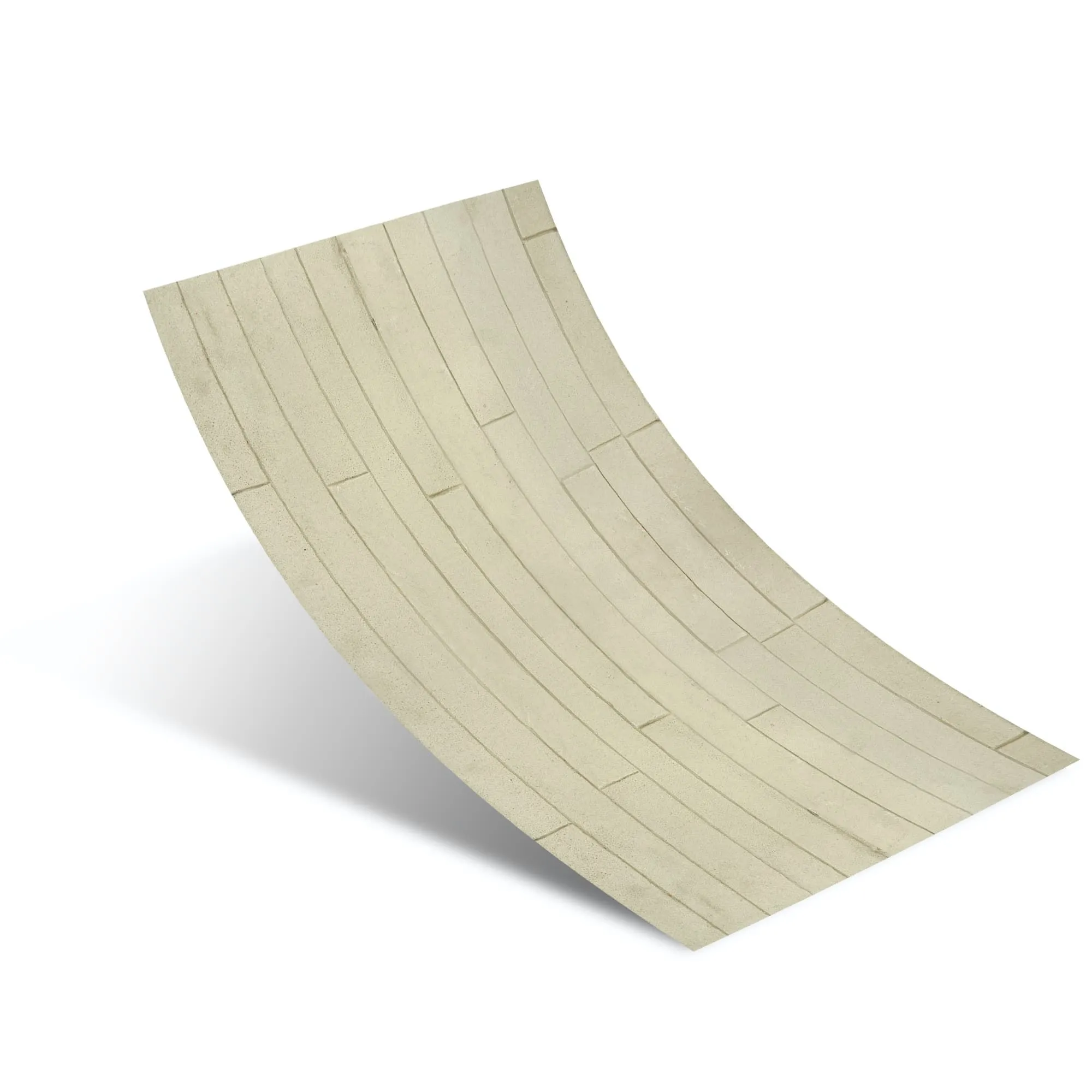
Perhaps one of the most revolutionary offerings, the MCM Flexible Stone series truly embodies the innovation of MCM . This product delivers the authentic look and feel of natural stone, but with an incredible degree of flexibility. It can bend and conform to curved surfaces, pillars, and even intricate architectural details where traditional rigid stone would simply fail. This not only expands design possibilities but also simplifies installation significantly. For applications demanding the beauty of stone but requiring adaptability, MCM Flexible Stone is the unparalleled choice, offering lightweight elegance and ease of handling.
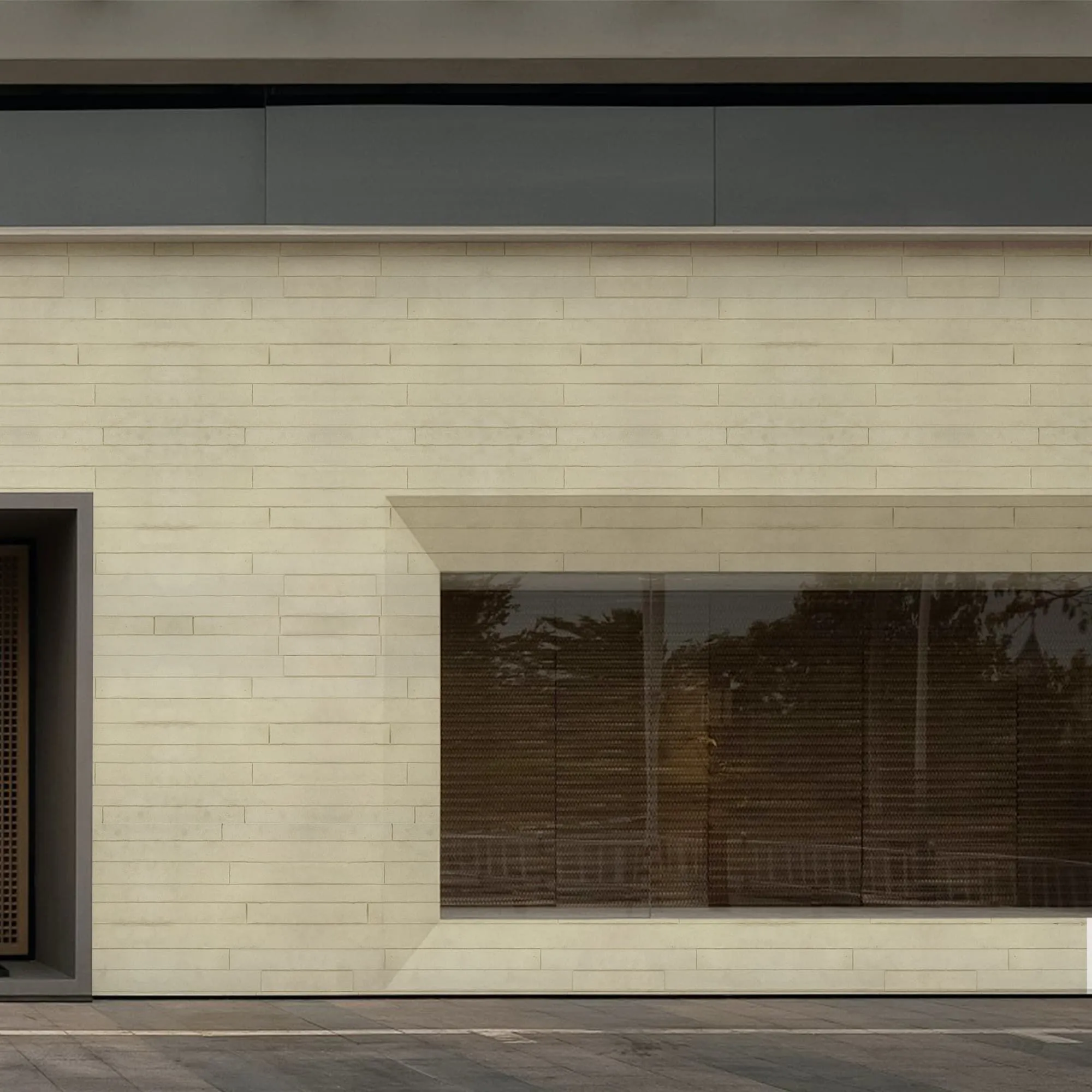
To help you make an informed decision, let's put these options side-by-side. Remember, the "best" choice always depends on your specific project requirements, budget, and design vision.
| Feature | Traditional Full-Bed Masonry | Natural Stone Veneer | Manufactured Stone Veneer | MCM (Modified Cementitious Material) (e.g., COLORIA GROUP's Flexible Stone ) |
|---|---|---|---|---|
| Authenticity | 100% genuine, solid stone. Unmatched authenticity. | Genuine stone, just thinner. Highly authentic look and feel. | Replicates natural stone effectively; very good visual authenticity. | Highly realistic replication of stone, wood, etc., in look and texture. Excellent visual and tactile authenticity. |
| Weight | Very heavy. Requires substantial structural support and footings. | Heavy, but less than full-bed. May still require some structural considerations. | Lightweight. Significantly reduces structural load. | Ultra-lightweight. Negligible structural impact. Ideal for facades and renovations. |
| Cost (Material) | Highest due to raw material and transportation. | High, but less than full-bed. | Moderate. More affordable than natural options. | Competitive. Often more cost-effective due to production efficiency and reduced transportation. |
| Cost (Installation) | Very high. Requires specialized, skilled masons and extensive labor. | High. Still requires skilled masonry. | Moderate. Easier for general contractors or skilled DIYers. | Low. Easy, fast adhesive-based installation. Reduces labor costs significantly. |
| Flexibility | None. Rigid. | None. Rigid. | None. Rigid. | Exceptional. Can bend and conform to curved surfaces (e.g., MCM Flexible Stone ). |
| Sustainability / Green and Environmental Protection | High resource extraction, heavy transport. | High resource extraction, cutting waste. | Cement-based production, but less resource-intensive than solid stone. | Excellent. Uses natural minerals, low energy/water consumption, recyclable, low VOCs. Focus on green and environmental protection . |
| Customization | Limited to natural stone types available. | Limited to natural stone types cut. | Good range of manufactured patterns and colors. | Outstanding. Highly customizable in color, texture, pattern, and form (e.g., MCM 3D Printing Series ). |
| Applications | New construction, foundational elements. | Exteriors, large interior feature walls. | Exteriors, interiors, fireplaces. | Versatile for all interior and exterior decoration , renovations, curved surfaces, high-rise facades, residential and commercial projects . |
| Durability | Exceptional, lasts centuries. | Very good, retains stone properties. | Good to very good, depending on quality. | Excellent. Resistant to UV, water, fire, impact. Engineered for long-term performance. |
When considering wall decor options, especially those mimicking the beauty of stone, the advantages of MCM , particularly from a forward-thinking one-stop solution provider like COLORIA GROUP , become incredibly clear. Their focus isn't just on selling materials; it's on providing comprehensive, high-quality solutions that meet the complex demands of modern residential and commercial projects globally.
Modern architectural design faces unique challenges:
Beyond the impressive features of MCM , choosing COLORIA GROUP means partnering with a company that understands the intricacies of the global building materials market. With a significant presence in Saudi Arabia and a global reach, they are equipped to support diverse project needs. Their commitment as a one-stop solution provider extends to:
They aren't just selling a product; they are providing expertise, innovation, and a commitment to helping you achieve outstanding results for your residential and commercial projects . From the large-format elegance of the MCM Big Slab Board Series to the intricate details possible with the MCM 3D Printing Series , and the revolutionary adaptability of MCM Flexible Stone , COLORIA GROUP offers cutting-edge solutions for every design challenge.
The choice between traditional masonry stone and modern thin-cut options for wall decor is no longer just about aesthetics versus cost. It's about embracing innovation, sustainability, and efficiency without compromising on beauty. While traditional stone masonry will always have its place, the advancements in materials like MCM offer compelling advantages for the vast majority of today's residential and commercial projects .
For those seeking the timeless elegance of stone with the benefits of lightweight application, flexibility, speed of installation, and a strong commitment to green and environmental protection , MCM (Modified Cementitious Material) stands out. Companies like COLORIA GROUP are at the forefront of this revolution, providing an impressive array of MCM products – from the robust Project Board Series to the incredibly versatile Flexible Stone – all designed to serve as a comprehensive one-stop solution provider for your every decorative material need. By choosing these advanced materials, you're not just selecting a finish; you're investing in a smarter, more sustainable, and infinitely more customizable future for your architectural designs and interior and exterior decoration.
Recommend Products











