In the intricate world of architecture and construction, the battle against moisture is as old as civilization itself. From ancient temples to modern skyscrapers, protecting structures from the relentless assault of water remains a paramount challenge. Masonry, with its timeless appeal and structural integrity, often falls prey to one of its most insidious adversaries: water absorption. This seemingly benign natural phenomenon can pave the way for a host of problems, ranging from structural degradation to the proliferation of unsightly and unhealthy mold and mildew. But what if there was a way to embrace the aesthetic versatility of masonry while simultaneously fortifying it against moisture-related issues? This is precisely where
COLORIA GROUP
, a pioneering one-stop solution provider in architectural materials, steps in with its revolutionary MCM materials.
At
COLORIA GROUP
, we understand that true innovation lies not just in creating beautiful finishes, but in providing comprehensive, long-lasting solutions that address core challenges in building science. Our focus extends beyond mere aesthetics, delving deep into the functional performance of building materials. With decades of industry experience and a global presence, including a strong foothold in Saudi Arabia, we've dedicated ourselves to offering high-quality interior and exterior decoration materials that genuinely enhance both residential and commercial projects. This article will delve into the science of water absorption in traditional masonry, explore its detrimental effects, and most importantly, reveal how our cutting-edge MCM (Modified Cementitious Material) products offer a superior, sustainable defense against mold and mildew, ensuring healthier, more durable, and visually appealing spaces.
Masonry stones, whether natural or artificial, are inherently porous. This porosity, while contributing to their unique texture and breathability, also makes them susceptible to water absorption. Imagine a sponge; it readily soaks up liquid. Similarly, masonry surfaces, particularly those exposed to the elements, can absorb rainwater, condensation, and even humidity from the atmosphere. This absorption isn't just a superficial wetting; it's a deep penetration into the material's capillaries and pores.
Several mechanisms contribute to water uptake in masonry:
-
Capillary Action:
This is the primary culprit. Masonry materials are filled with tiny interconnected pores. Water molecules, driven by surface tension, are drawn into these fine capillaries, even against gravity, pulling moisture upwards or inwards.
-
Hydrostatic Pressure:
In situations like foundation walls or areas subject to standing water, direct water pressure can force moisture into the material.
-
Vapor Diffusion:
Water vapor, present in the air, can also migrate through porous materials, condensing within cooler sections of the wall structure.
-
Cracks and Imperfections:
Over time, masonry can develop hairline cracks or joint failures, providing direct pathways for water ingress.
The consequences of unchecked water absorption are far-reaching and can compromise a building's integrity, appearance, and the health of its occupants.
-
Structural Degradation:
Repeated wetting and drying cycles, especially coupled with freeze-thaw events in colder climates, can cause significant damage. Water expands when it freezes, creating immense pressure within the pores, leading to spalling, cracking, and eventual disintegration of the masonry.
-
Efflorescence:
This is the unsightly white, powdery deposit often seen on masonry surfaces. It occurs when soluble salts within the masonry or mortar are dissolved by absorbed water. As the water evaporates, it draws these salts to the surface, where they crystallize, leaving behind a persistent stain that is difficult to remove and indicates ongoing moisture problems.
-
Reduced Insulation Value:
Wet building materials conduct heat much more efficiently than dry ones. A damp wall loses its insulating properties, leading to increased energy consumption for heating and cooling, and making indoor environments less comfortable.
-
Aesthetic Deterioration:
Beyond efflorescence, water absorption can lead to persistent damp patches, discoloration, algae growth, and general degradation of the surface, marring the visual appeal of a building.
-
The Perfect Breeding Ground for Mold and Mildew:
This is arguably one of the most critical issues. Damp, dark, and often stagnant environments created by water-laden masonry are ideal for the growth of fungi, specifically mold and mildew.
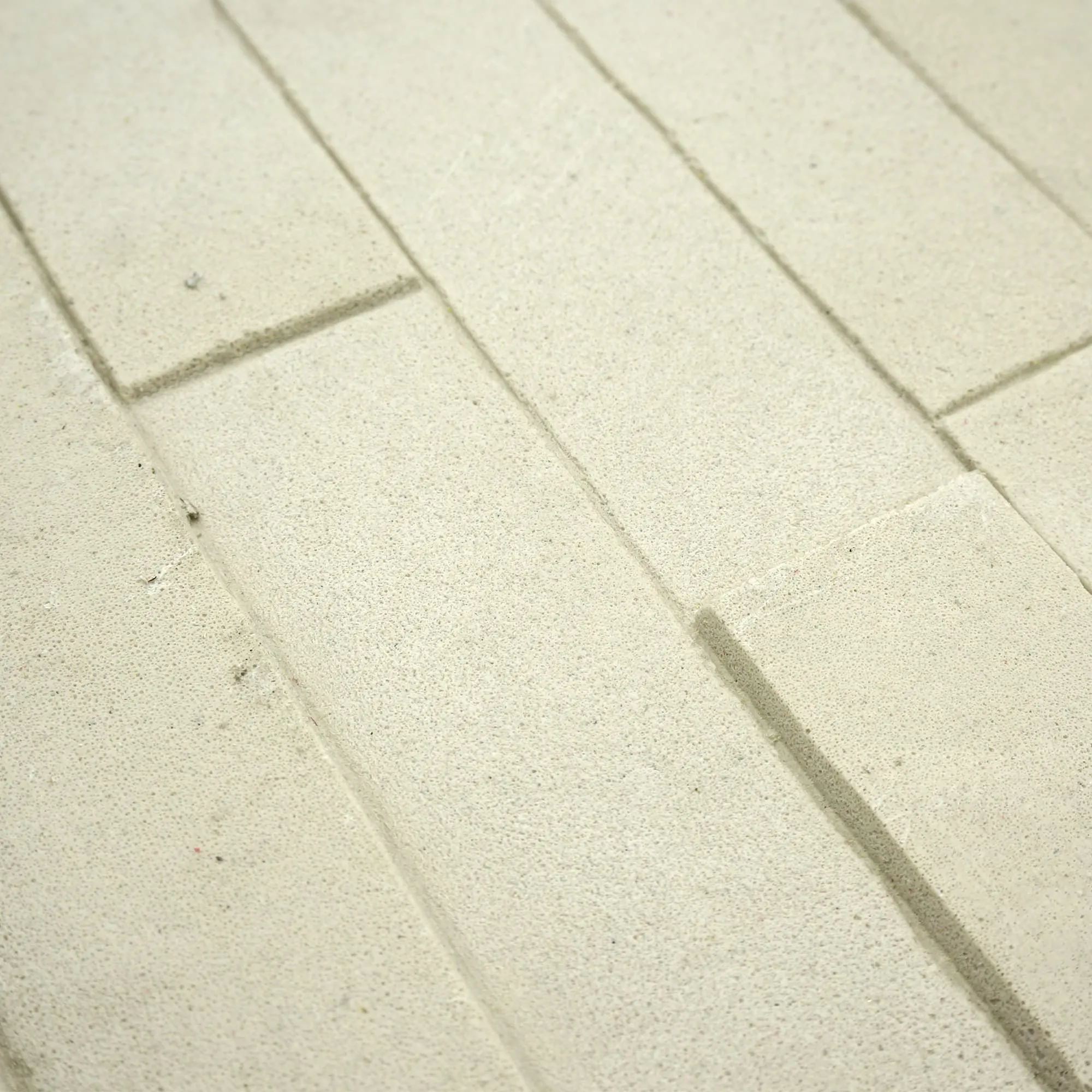
Mold and mildew are types of fungi that thrive in moist conditions. They reproduce by releasing microscopic spores into the air. While often visible as fuzzy patches of black, green, brown, or white, their impact goes far beyond cosmetic issues.
Exposure to mold and mildew can trigger a range of health problems, particularly for sensitive individuals, children, and those with pre-existing respiratory conditions.
-
Allergies:
Common symptoms include sneezing, runny nose, red eyes, skin rash, and asthma attacks.
-
Respiratory Issues:
Prolonged exposure can lead to chronic cough, wheezing, shortness of breath, and exacerbation of asthma.
-
Irritation:
Mold can irritate the eyes, nose, throat, and lungs, even in individuals without allergies.
-
Toxic Effects:
Some molds produce mycotoxins, which can have more severe health impacts, though this is less common in typical building scenarios.
Indoor air quality significantly deteriorates in buildings affected by mold and mildew. The musty odor is a clear indicator of their presence, often preceding visible growth. For architects, builders, and property owners, preventing mold and mildew is not just about preserving the structure but safeguarding human health.
Once mold or mildew takes hold within a porous masonry material, remediation can be challenging, costly, and disruptive. It often requires specialized cleaning, drying, and sometimes even removal and replacement of affected materials. The best approach, unequivocally, is prevention.
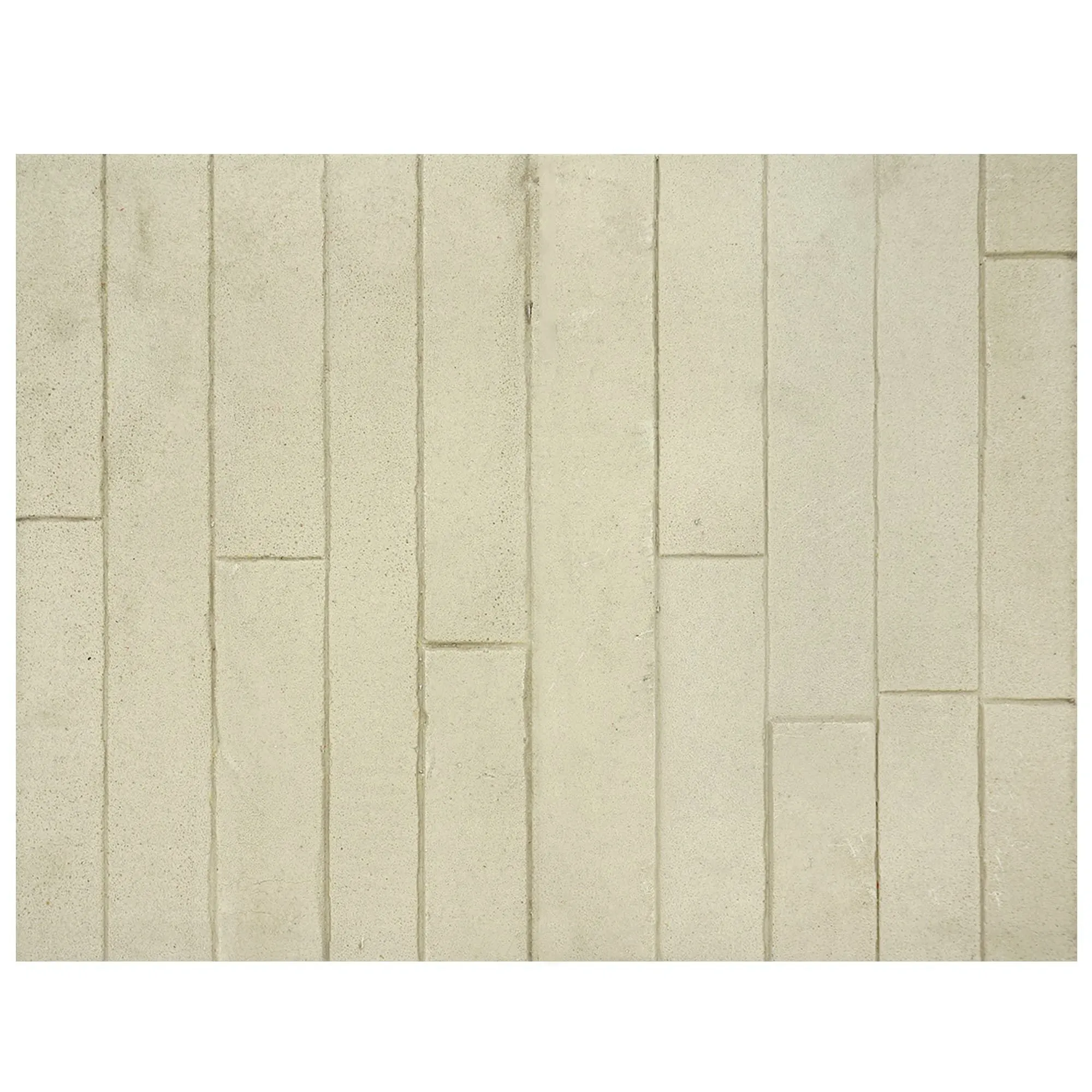
Throughout history, various methods have been employed to combat moisture in masonry. While some offer temporary relief, many fall short of providing a truly comprehensive and long-lasting solution, especially when dealing with the inherent porosity of traditional materials.
One common approach involves applying surface sealants or waterproof coatings. These products aim to create a barrier on the exterior of the masonry, preventing water penetration.
-
Pros:
Can offer immediate, albeit temporary, protection from direct rainfall; relatively easy to apply.
-
Cons:
-
Breathability Issues:
Many traditional sealants are non-breathable, meaning they can trap moisture *within* the wall if it enters from another source (e.g., condensation, rising damp). This trapped moisture can still lead to mold and mildew growth internally, unseen until it causes significant damage.
-
Durability:
Subject to weathering, UV degradation, and wear and tear, these coatings often require frequent reapplication, increasing maintenance costs and effort.
-
Aesthetic Changes:
Some sealants can alter the appearance of the masonry, creating an unnatural sheen or discoloration.
-
Limited Penetration:
They only protect the surface, leaving the core of the masonry vulnerable if the coating is compromised.
For new constructions, cavity walls (where an air gap separates the outer and inner layers of masonry) and sophisticated drainage systems are employed.
-
Pros:
Highly effective in managing bulk water and preventing it from reaching the interior structure.
-
Cons:
-
Complexity and Cost:
These systems add significant complexity and cost to the construction process, particularly for renovations or existing structures.
-
Maintenance:
Drainage systems can become clogged, requiring regular inspection and maintenance.
-
Not for All Applications:
They are primarily structural solutions and do not directly address the inherent water absorption properties of the masonry material itself if it's the finish surface.
These treatments aim to make the masonry surface water-repellent without necessarily forming a thick film. They penetrate slightly into the pores, changing the surface tension.
-
Pros:
Can maintain the natural appearance of the stone; allows some vapor permeability.
-
Cons:
-
Limited Depth of Protection:
Typically, the effect is superficial and can wear off over time.
-
Effectiveness Varies:
The degree of water repellency depends heavily on the specific masonry type and the application quality.
-
Not a Complete Barrier:
While reducing absorption, they don't necessarily eliminate it entirely, especially under prolonged exposure or hydrostatic pressure.
While these traditional methods have their place, they often represent a reactive or partial solution. They highlight the need for a material that fundamentally resists water absorption from its core, offering inherent protection rather than a superficial barrier. This is the paradigm shift that
COLORIA GROUP
's MCM materials bring to the table.
At
COLORIA GROUP
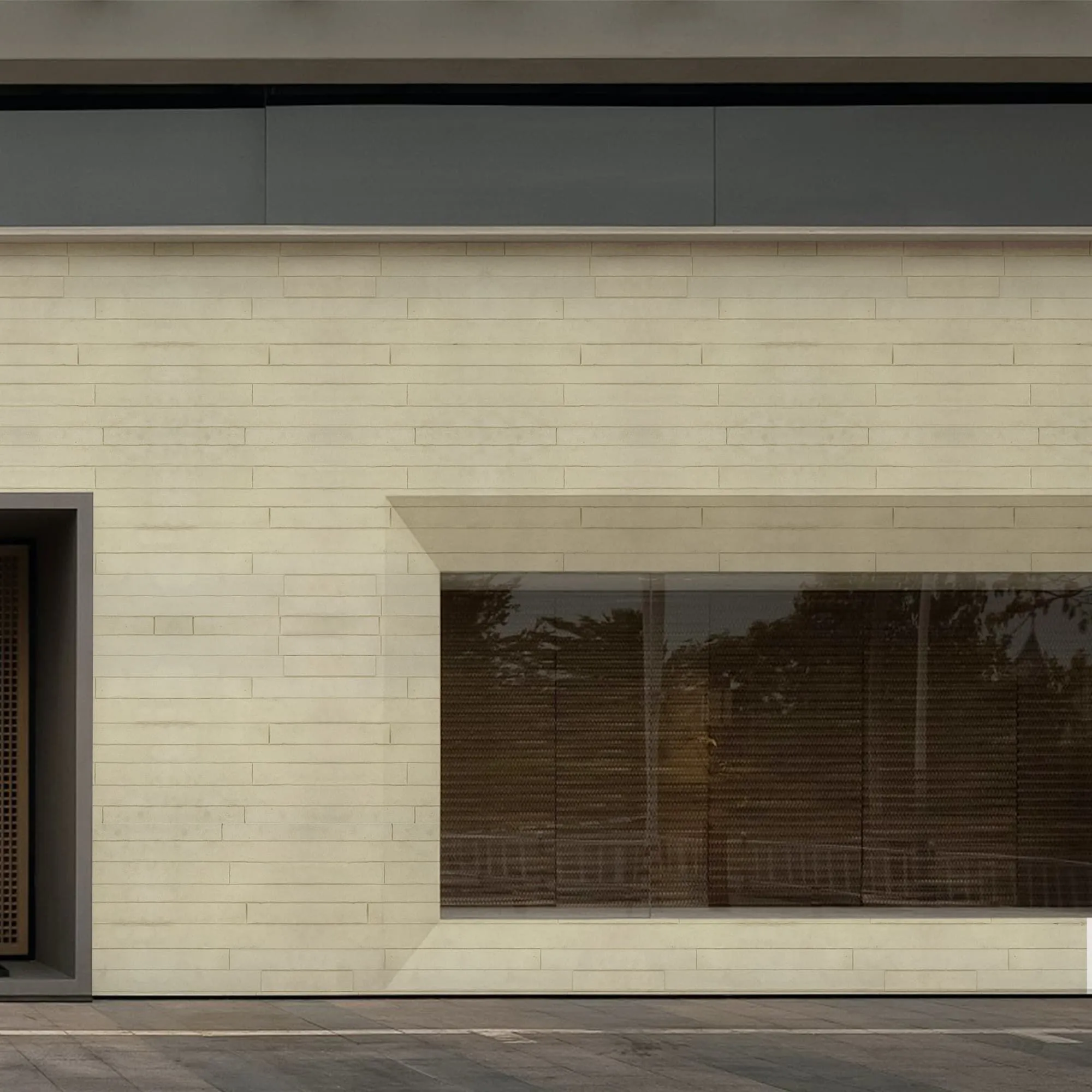
, our dedication to innovation led us to develop and champion Modified Cementitious Material (MCM) products. These aren't just another type of building material; they represent a significant leap forward in addressing the challenges of durability, aesthetics, and sustainability in construction. Our MCM solutions are designed to be a comprehensive answer to the problems posed by traditional masonry, particularly concerning water absorption and its direct consequences like mold and mildew.
MCM, or Modified Cementitious Material, is a revolutionary class of architectural materials that redefines flexibility, durability, and environmental performance. Unlike conventional ceramics, stone, or concrete, MCM products are manufactured using a unique process that transforms natural minerals and cementitious binders into incredibly lightweight, thin, and versatile sheets or shapes. The "modified" aspect refers to the advanced polymer modification and specialized processing techniques that imbue these materials with extraordinary properties not found in their traditional counterparts.
The fundamental advantage of
COLORIA GROUP
's MCM materials in preventing mold and mildew lies in their inherently low water absorption characteristics and their unique composition.
-
Ultra-Low Porosity:
Through meticulous engineering of the raw material blend and the curing process, our MCM products exhibit an exceptionally dense and homogeneous microstructure. This significantly reduces the size and interconnectedness of pores, drastically minimizing capillary action and overall water uptake compared to natural stone or conventional concrete.
-
Hydrophobic Additives:
Beyond structural density, specific additives are integrated during the manufacturing process. These impart hydrophobic (water-repelling) properties at a molecular level throughout the material matrix, not just on the surface. This means water beads up and runs off rather than being absorbed, similar to how water behaves on a lotus leaf.
-
Breathability with Water Resistance:
Crucially, while being highly water-resistant, MCM materials are engineered to be breathable. This allows any incidental moisture vapor (e.g., from interior humidity) to escape from the wall structure, preventing moisture accumulation within the wall cavity – a key factor in mold prevention. It's a critical balance: keeping bulk water out while allowing internal moisture to dissipate.
-
Inert Composition:
The primary components of MCM are inorganic and inert, meaning they do not provide a food source for mold, mildew, or other microbial growth. Mold requires organic nutrients to flourish, and the mineral-based nature of MCM starves these organisms.
-
Seamless Installation and Joint Integrity:
Our MCM products, particularly the MCM Big Slab Board Series and MCM Project Board Series, are designed for precision installation. When properly installed with recommended sealants and techniques, they create a highly impervious barrier. The flexibility of some MCM applications, like MCM Flexible Stone, also helps accommodate minor building movements, reducing the likelihood of cracks that could serve as water entry points.
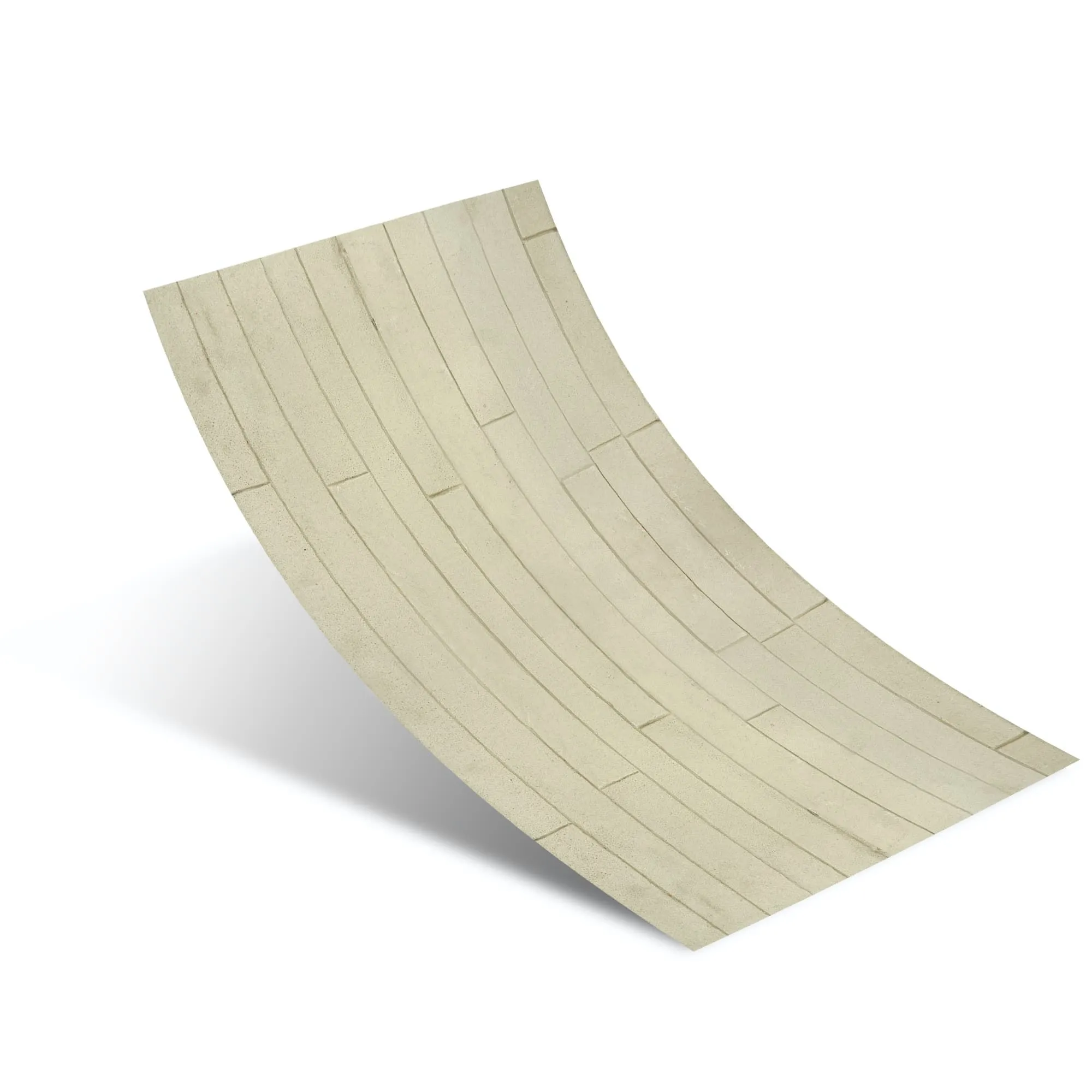
COLORIA GROUP
offers a diverse range of MCM products, each tailored for specific architectural needs but united by their superior performance in moisture management and environmental responsibility. Our commitment to green environmental protection is integral to every product we develop.
These large-format panels are designed for expansive surfaces, both interior and exterior. Their sheer size minimizes the number of joints, which are often weak points for water ingress.
-
Reduced Grout Lines:
Fewer joints mean fewer opportunities for moisture to penetrate and less area for mold to grow in grout.
-
Uniform Water Resistance:
The consistent, engineered composition across the large surface area ensures predictable and reliable water repellency.
-
Seamless Aesthetic, Superior Protection:
Architects can achieve a grand, uninterrupted visual with the added benefit of robust moisture defense, ideal for prominent facades or large internal feature walls.
Specifically engineered for large-scale commercial and public projects, these boards prioritize both performance and ease of installation.
-
Robustness for Demanding Environments:
Built to withstand harsh conditions, including fluctuating temperatures and high humidity, they maintain their integrity and water-resistant properties over time.
-
Consistent Quality:
Mass production with strict quality control ensures that each board delivers the same high level of water and mold resistance. This consistency is vital for large developments where performance variability can lead to costly issues.
-
Speedy Installation:
Their design facilitates quicker installation, reducing exposure time for underlying structures during construction and helping seal the building envelope faster.
This innovative series allows for unparalleled customization and intricate designs, bringing unique textures and patterns to life.
-
Precision in Form and Function:
Even with complex geometries, the inherent water-resistant properties of MCM are maintained. The precise manufacturing ensures that there are no hidden voids or structural weaknesses that could become moisture traps.
-
Design Freedom Without Compromise:
Clients can achieve highly personalized aesthetic effects, like intricate carvings or complex patterns, without sacrificing the material's protective qualities against moisture, mold, and mildew. This is a game-changer for bespoke architectural solutions.
-
Integrated Protection:
The water-repellent characteristics are infused into every layer of the 3D-printed material, ensuring comprehensive protection throughout its entire form, not just on the surface.
Perhaps one of the most compelling products for directly addressing the "
masonry stone" aspect of our discussion.
MCM Flexible Stone offers the look and feel of natural stone, but with vastly superior performance characteristics regarding moisture.
-
Authentic Aesthetics, Enhanced Performance:
It replicates the natural beauty of stone, complete with varied textures and colors, yet overcomes the porosity and weight issues associated with traditional stone.
-
Unrivaled Flexibility:
Its flexibility allows it to be applied to curved surfaces and helps prevent cracking due to minor substrate movements, which are often precursors to water ingress.
-
Extremely Low Water Absorption:
Unlike natural stone, which can be highly porous, MCM Flexible Stone is engineered for minimal water absorption. This directly translates to an environment unsuitable for mold and mildew growth, even in damp conditions. It effectively offers the visual appeal of stone without the inherent vulnerabilities.
-
Lightweight Advantage:
Being significantly lighter than natural stone, it reduces structural load and simplifies installation, further contributing to a secure and water-tight application.
When evaluating building materials, particularly for exterior applications and moisture-prone interior spaces, the benefits of
COLORIA GROUP
's MCM materials extend far beyond basic aesthetics. They offer a holistic solution that impacts durability, maintenance, health, and environmental responsibility.
This is the cornerstone of our discussion. By effectively blocking water absorption at its source and providing an inert, breathable barrier, MCM materials deny mold and mildew the two essential elements they need to thrive: moisture and organic food sources. This means:
-
Healthier Indoor Environments:
Reduced risk of respiratory issues, allergies, and sick building syndrome.
-
Elimination of Musty Odors:
Buildings remain fresh and clean-smelling.
-
Preservation of Aesthetics:
No more unsightly stains or fuzzy growths marring your beautiful surfaces.
-
Reduced Cleaning and Maintenance:
Surfaces stay cleaner for longer, requiring less harsh chemical cleaning.
MCM materials are built to last. Their resistance to water absorption also means they are less susceptible to:
-
Freeze-Thaw Damage:
The lack of absorbed water means no internal expansion and contraction due to freezing, preserving the material's integrity in cold climates.
-
Efflorescence:
With minimal water migration, soluble salts are not drawn to the surface, eliminating those frustrating white deposits.
-
UV Degradation:
Engineered for outdoor use, MCM maintains its color and structural integrity under prolonged sun exposure.
-
Chemical Resistance:
Generally resistant to many common pollutants and cleaning agents, ensuring a lasting finish.
This translates to significantly lower long-term maintenance costs and a longer lifespan for the building envelope.
Our dedication to green environmental protection is evident in every aspect of MCM production and application.
-
Reduced Raw Material Consumption:
MCM uses significantly less natural stone or cement compared to traditional materials, conserving finite resources.
-
Lower Embodied Energy:
The manufacturing process consumes less energy than traditional ceramics or quarried stone.
-
Lightweight for Reduced Transport Emissions:
Being lightweight, MCM reduces fuel consumption during transportation, lowering the carbon footprint of construction projects.
-
Recyclability:
Many MCM products are designed to be recyclable, fitting into a circular economy model.
-
Breathability:
Promotes healthy indoor air quality by preventing moisture accumulation, reducing the need for intensive mechanical ventilation.
-
Non-Toxic:
Free from harmful VOCs (Volatile Organic Compounds) and other toxic substances, ensuring a healthy environment for installers and occupants.
Choosing MCM materials is a conscious step towards more responsible and sustainable building practices.
COLORIA GROUP
prides itself on being a one-stop solution provider that empowers architects and designers. Our MCM range offers:
-
Vast Aesthetic Options:
Available in an incredible array of colors, textures, and patterns that mimic natural stone, wood, brick, leather, and even woven textiles. This allows for immense creative freedom without the performance drawbacks of natural materials.
-
Customization Capabilities:
With our MCM 3D Printing Series, the possibilities for unique, bespoke architectural elements are limitless, allowing projects to truly stand out.
-
Lightweight and Flexible:
Facilitates application on complex geometries, high-rise buildings, and existing structures without significant structural reinforcement.
-
Ease of Installation:
Reduces labor time and costs, making high-quality finishes more accessible.
The inherent properties of
COLORIA GROUP
's MCM materials make them ideal for a wide range of applications where moisture control is paramount.
The most obvious application. MCM provides a durable, weather-resistant skin for buildings, protecting them from rain, snow, and humidity. Its low water absorption ensures facades remain dry, clean, and free from algae, mold, and efflorescence, maintaining their aesthetic appeal for decades. From high-rise commercial buildings to residential homes, MCM offers a lightweight and robust cladding solution.
Bathrooms, kitchens, spas, and swimming pool areas are inherently moisture-rich environments. Traditional finishes in these areas are constantly battling water penetration and the subsequent risk of mold. MCM, with its superior water resistance and mold-inhibiting properties, is an excellent choice for walls and even flooring in these spaces, providing a hygienic and durable surface that is easy to clean.
These areas are highly susceptible to moisture ingress and often plagued by dampness and mold. Applying MCM panels to basement walls can provide an effective barrier against moisture penetration from the interior, contributing to a drier, healthier, and more usable space. Its breathable nature allows any residual moisture vapor from the foundation to escape safely.
Regions with high humidity and frequent rainfall pose significant challenges for building materials. MCM materials are particularly well-suited for these environments, offering robust protection against the constant presence of moisture, salt spray, and accelerated biological growth. Our presence and experience in markets like Saudi Arabia, which experiences high temperatures and can have periods of significant humidity, underscore our materials' performance in demanding conditions.
In environments where health and hygiene are critical, the ability of MCM to prevent mold and mildew growth is a major advantage. It contributes to cleaner air quality and easier maintenance, which are essential for hospitals, clinics, schools, and universities.
"At
COLORIA GROUP
, we don't just sell building materials; we provide peace of mind. Our MCM solutions are the culmination of extensive research and development, designed to meet the evolving demands of modern construction. We offer an architectural solution that is not only beautiful and versatile but fundamentally superior in its ability to protect structures and enhance human well-being by actively preventing moisture-related problems."
To truly appreciate the effectiveness of
COLORIA GROUP
's MCM materials, it's helpful to look at their technical performance metrics, especially concerning water absorption and resistance. While exact figures can vary slightly depending on the specific product series and finish, the general characteristics are consistently superior to traditional options.
|
Performance Metric
|
COLORIA GROUP MCM Materials
|
Traditional Masonry/Stone (Typical)
|
Benefit for Mold/Mildew Prevention
|
|
Water Absorption Rate (e.g., % by weight)
|
< 3% (often < 1%)
|
5% - 20% (or more, depending on porosity)
|
Significantly reduces internal moisture, removing a primary condition for mold growth. Drier walls mean no breeding ground.
|
|
Water Vapor Permeability (Breathability)
|
Permeable (allows vapor escape)
|
Varies; some sealants block it completely
|
Prevents moisture accumulation within wall cavities, which can lead to concealed mold. Ensures the wall can "dry out."
|
|
Resistance to Freeze-Thaw Cycles
|
Excellent (no cracking/spalling)
|
Poor to moderate (prone to damage)
|
Maintains structural integrity, preventing cracks and openings where water and mold can enter.
|
|
pH Level
|
Alkaline (typically pH 9-11)
|
Varies, can become neutral over time
|
Alkaline environments inhibit the growth of most common molds.
|
|
Organic Nutrient Content
|
Virtually none (inorganic composition)
|
Minimal, but can accumulate surface dirt/dust (organic)
|
Mold requires an organic food source; MCM inherently starves mold.
|
|
Flexibility/Crack Resistance
|
High (especially Flexible Stone)
|
Low/Brittle
|
Resists crack formation, which are direct pathways for water penetration and hidden mold growth.
|
These technical advantages are not mere theoretical points; they translate directly into real-world performance that protects your investment, your building, and your health. The minimal water absorption rate is perhaps the most critical factor, as it fundamentally alters the environment within the wall structure, making it inhospitable for fungal growth.
While
COLORIA GROUP
's MCM materials offer inherent superior performance, proper installation is crucial to maximize their water-resistant and mold-preventing capabilities. As a one-stop solution provider, we emphasize not just the product but the entire system.
The foundation of any successful cladding project is a sound, clean, and dry substrate.
-
Cleanliness:
Ensure the substrate is free from dust, dirt, grease, and any loose particles.
-
Flatness:
A level and even substrate is essential for uniform adhesion and to prevent stress points that could lead to cracking.
-
Curing:
Any new concrete or mortar substrates must be fully cured and dry before MCM installation to prevent trapped moisture.
-
Priming:
Depending on the substrate type, a compatible primer may be necessary to enhance adhesion and consolidate the surface.
The choice and application of adhesive are vital for creating a strong, water-tight bond.
-
High-Quality Adhesives:
Use only adhesives specifically recommended by
COLORIA GROUP
that are compatible with MCM materials and the substrate. These are often polymer-modified, flexible adhesives designed for exterior use.
-
Full Coverage:
Apply the adhesive evenly across the entire back of the MCM panel (back-buttering) and/or to the substrate using a notched trowel. Full coverage ensures maximum adhesion and prevents voids where moisture could accumulate.
-
Proper Cure Time:
Allow adequate time for the adhesive to cure completely before exposing the panels to severe weather or applying further treatments.
Joints between panels are potential weak points. Proper detailing here is non-negotiable.
-
Appropriate Joint Width:
Follow manufacturer guidelines for joint width to allow for thermal expansion and contraction.
-
High-Performance Sealants:
Utilize flexible, UV-stable, and weather-resistant sealants in all expansion and control joints. These sealants must create a watertight seal while maintaining elasticity.
-
Backer Rods:
Employ backer rods in deeper joints to ensure the sealant cures properly and forms the correct hourglass shape for optimal performance.
-
Seamless Transitions:
Pay meticulous attention to transitions around windows, doors, corners, and other penetrations to ensure continuous water protection.
Even with highly water-resistant materials, a comprehensive building envelope strategy includes managing bulk water.
-
Integrated Flashing:
Install flashing at all horizontal interruptions (e.g., window sills, ledges, roof-wall intersections) to direct water outwards.
-
Weep Holes:
Ensure proper weep holes are integrated into the design where necessary to allow any incidental moisture that penetrates the outer layer to escape.
By adhering to these best practices, architects and contractors can ensure that
COLORIA GROUP
's MCM materials deliver their full potential, providing a long-lasting, mold-free, and healthy building environment. Our role as a one-stop solution provider means we not only supply the materials but also offer guidance and support on optimal installation techniques.
The pervasive problem of water absorption in traditional masonry has long haunted the construction industry, leading to structural damage, aesthetic degradation, and, most critically, the proliferation of mold and mildew that compromises indoor air quality and occupant health. For too long, the solutions have been either reactive, temporary, or aesthetically restrictive.
COLORIA GROUP
is changing this narrative with our advanced MCM materials. We offer more than just visually stunning interior and exterior decoration materials; we provide engineered solutions that fundamentally address the challenges of moisture at a molecular level. Our MCM materials, from the robust
MCM Big Slab Board Series and
MCM Project Board Series to the innovative
MCM 3D Printing Series and the highly versatile
MCM Flexible Stone, are all designed with ultra-low water absorption, breathability, and an inert composition that actively prevents mold and mildew.
Choosing
COLORIA GROUP
means opting for a future where your residential and commercial projects are not only aesthetically captivating but also inherently healthier, more durable, and environmentally responsible. Our commitment to green environmental protection is woven into the fabric of our products, ensuring that beauty does not come at the cost of the planet. With decades of industry experience and a global network, including our strong presence in Saudi Arabia, we stand ready as your dedicated one-stop solution provider for architectural materials that truly perform.
Say goodbye to the worries of damp walls, unsightly efflorescence, and unhealthy mold. Embrace the innovation, versatility, and peace of mind that
COLORIA GROUP
's MCM materials bring to every project. We invite you to explore how these revolutionary materials can transform your next building endeavor into a testament to modern, sustainable, and health-conscious architecture. Your vision deserves a material that performs as beautifully as it looks, and with MCM, that vision becomes a resilient reality.













