
Choosing the right material for a space is more than just a practical decision—it's an act of storytelling. Every texture, color, and finish whispers something about the people who will inhabit it, the moments that will unfold there, and the legacy it might leave behind. For architects, designers, and homeowners alike, few materials carry the weight of this storytelling as profoundly as natural stone. And among the many stones that grace our buildings, rock cut dolomitic stone stands out as a canvas of earth's history, shaped by time and human hands into surfaces that bridge the ancient and the modern. Today, we dive into a question that often arises when working with this remarkable material: matte or polished? It's a choice that can transform a room from ruggedly warm to sleekly elegant, from understated to unforgettable. Let's explore the nuances, the trade-offs, and the heart behind this decision.
Before we compare finishes, let's take a moment to appreciate the stone itself. Rock cut dolomitic stone is a type of sedimentary rock formed over millions of years, primarily composed of dolomite—a mineral that gives it a unique density and resilience. What sets "rock cut" apart is the way it's extracted and finished: instead of being sawn into uniform slabs, it's split or chiseled along natural fracture lines, preserving the stone's organic, irregular edges and surface patterns. This process isn't just about aesthetics; it's a nod to the stone's origins, allowing its natural character—veins, pits, and subtle color variations—to shine through.
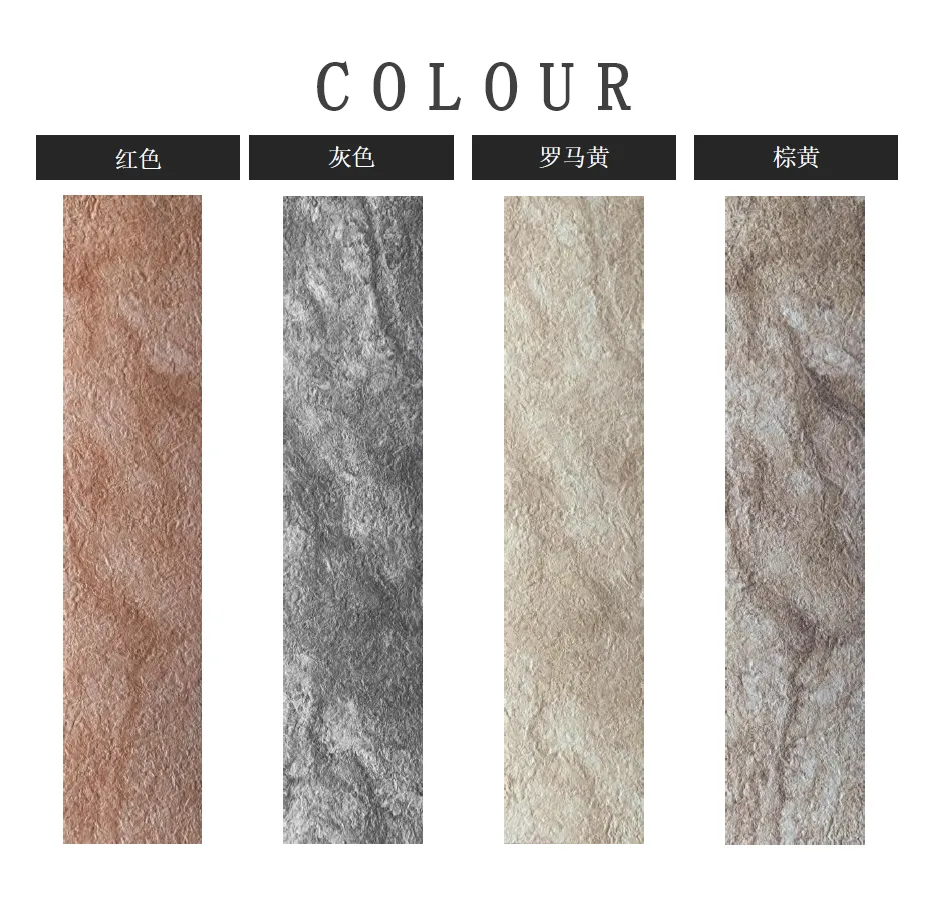
Dolomitic stone comes in a spectrum of hues, from the soft warmth of dolomitic travertine (claybank) —with its earthy, terracotta undertones—to the moody depth of dolomitic travertine (dark grey) , which evokes storm clouds or ancient mountain sides. These variations aren't flaws; they're the stone's fingerprint, telling the story of the minerals, pressure, and time that created it. And when paired with the right finish, this fingerprint becomes the star of the show.
Matte rock cut dolomitic stone is for those who crave authenticity—the kind that doesn't need to be perfect to be breathtaking. Run your hand over a matte slab, and you'll feel the stone's natural texture: tiny ridges, subtle pits, and the faint impression of the tools that shaped it. It's a finish that invites touch, that feels like a connection to the earth itself. Unlike polished stone, which reflects light, matte stone absorbs it, creating a soft, diffused glow that makes spaces feel warm and grounded.
Aesthetically, matte finish leans into the stone's organic roots. It highlights the natural color variations and veining without the distraction of shine, making it ideal for spaces that aim for a rustic, industrial, or bohemian vibe. Imagine a kitchen backsplash in dolomitic travertine (claybank) with a matte finish: the warm, earthy tones would complement wooden cabinets and brass fixtures, creating a space that feels lived-in and welcoming, like a country villa in Tuscany. Or a bathroom floor in dark grey dolomitic travertine, matte and slip-resistant, where the stone's texture adds visual interest without feeling cold or sterile.
Functionally, matte finish is a workhorse. Its textured surface hides fingerprints, water spots, and minor scratches—blessings for high-traffic areas like hallways, entryways, or family rooms. It's also more slip-resistant than polished stone, making it a safer choice for wet environments like bathrooms or outdoor patios. Maintenance-wise, matte stone is relatively low-fuss: regular sweeping and mopping with a pH-neutral cleaner is usually enough to keep it looking its best. Even if it does show a little wear over time, that wear adds character, turning the stone into a record of the life that happens around it.
But matte isn't just about practicality—it's about emotion. A matte finish on rock cut dolomitic stone feels honest. It doesn't pretend to be something it's not; it celebrates the stone's imperfections as part of its beauty. In a world that often values shine and newness above all, matte stone is a rebellion—a reminder that there's strength in simplicity, and beauty in the unpolished.
If matte is the stone's raw, unfiltered self, polished is its red-carpet moment. Polished rock cut dolomitic stone undergoes an additional step: after being cut, it's ground and buffed with progressively finer abrasives until its surface is smooth and reflective, like a still lake on a windless day. The result? A finish that turns the stone into a mirror for light, amplifying its color and veining in ways that take your breath away.
A polished finish transforms dolomitic stone into a statement piece. The high shine brings out the stone's depth, making veins pop and color variations more vivid. Dolomitic travertine (dark grey) with a polished finish, for example, becomes almost liquid in appearance, with its grey tones swirling like smoke or storm clouds. Dolomitic travertine (claybank) polished feels like honey captured in stone, warm and luminous. It's a finish that screams luxury, making it perfect for spaces where elegance and drama are the goals: hotel lobbies, formal dining rooms, or master bathroom countertops that double as works of art.
Beyond aesthetics, polished stone has a unique way of interacting with light. In a room with large windows, polished dolomitic stone will reflect sunlight, brightening the space and making it feel more open. In evening settings, it catches the glow of lamps or chandeliers, creating a soft, ambient shimmer that turns ordinary moments into something special. It's no wonder polished stone is a favorite for spaces designed to impress—its reflective quality makes even small rooms feel grand.
But with great beauty comes great responsibility. Polished rock cut dolomitic stone requires more maintenance than its matte counterpart. The smooth, shiny surface shows fingerprints, water spots, and scratches more easily, so it's not the best choice for homes with young kids or high-traffic areas prone to spills. Regular sealing is a must to prevent stains, and you'll need to wipe up spills immediately to avoid etch marks. Even then, over time, the finish may dull slightly, requiring periodic re-polishing to keep it looking its best. It's a commitment, but for many, the payoff—spaces that feel opulent and timeless—is worth it.
Emotionally, polished stone evokes a sense of occasion. It's the finish for moments that matter: a wedding reception, a milestone birthday, or a quiet evening at home where you want to feel a little luxurious. It's a reminder that beauty can be intentional, that taking the time to care for something can deepen your appreciation for it. Polished stone doesn't just decorate a space—it elevates it.
To help you weigh the pros and cons, here's a detailed comparison of matte and polished rock cut dolomitic stone:
| Feature | Matte Finish | Polished Finish |
|---|---|---|
| Appearance | Soft, diffused color; highlights natural texture and veining without shine. Colors appear more muted and earthy. | Vibrant, reflective color; veining and patterns are amplified by light reflection. Colors appear deeper and more saturated. |
| Texture | Rough to the touch; natural pits, ridges, and tool marks are preserved. | Smooth and glass-like; surface is uniformly flat with no visible texture. |
| Light Reflection | Absorbs light, creating a warm, cozy glow. | Reflects light, brightening spaces and adding a sense of openness. |
| Scratch Resistance | High; texture hides minor scratches and scuffs. | Low; scratches are visible and can dull the finish. |
| Slip Resistance | High; textured surface provides traction, even when wet. | Low; smooth surface can be slippery when wet (requires anti-slip treatments for wet areas). |
| Maintenance | Low; occasional sweeping/mopping with pH-neutral cleaner. Sealing every 2–3 years. | High; regular wiping to remove fingerprints/spots. Sealing every 1–2 years, plus periodic re-polishing. |
| Best For | High-traffic areas (entryways, kitchens, hallways), outdoor spaces, rustic/industrial/bohemian interiors. | Formal spaces (dining rooms, lobbies, master bathrooms), statement walls, modern/luxury interiors. |
| Cost | More affordable; requires less processing than polished. | More expensive; additional grinding and buffing steps increase labor costs. |
| Emotional Vibe | Warm, grounded, authentic, lived-in. | Elegant, dramatic, luxurious, refined. |
Nestled in a small mountain town, "The Hearth Café" wanted to create a space that felt like a home away from home—cozy, welcoming, and full of character. The owner, Maria, fell in love with dolomitic travertine (claybank) for the floor, drawn to its warm, earthy color. When choosing a finish, she hesitated between matte and polished: polished would add shine, but matte felt more true to the café's rustic vibe.
She went with matte, and it was a decision that paid off. Today, the café's floors bear the marks of years of laughter, spilled coffee, and children's sticky fingers—and Maria wouldn't have it any other way. "The matte finish hides the little imperfections, but it also shows the life of the place," she says. "A regular customer once told me the floor feels like walking on a sun-warmed mountain trail. That's exactly what we wanted—something that feels alive."
The "Azure Grand Hotel" in downtown Chicago aimed to make a statement from the moment guests walked through the door. The design team chose dolomitic travertine (dark grey) for the lobby's feature wall, a 20-foot-tall slab that would greet visitors. For this showstopper, polished finish was non-negotiable.
"We wanted the wall to feel like a piece of art," explains lead designer James. "The polished finish makes the dark grey stone look almost liquid, especially when the lobby's chandeliers hit it. Guests stop and stare—some even take photos. It sets the tone for the entire hotel: elegant, sophisticated, and unforgettable." The hotel invests in monthly maintenance to keep the wall gleaming, but James says it's worth every penny. "The polished stone isn't just a material—it's part of our brand."
While rock cut dolomitic stone is a star on its own, it rarely shines in isolation. Many projects pair it with other materials to create contrast, texture, or balance. One such material is MCM flexible stone —a lightweight, versatile alternative that shares some of dolomitic stone's earthy charm but with added flexibility and durability.
MCM (Modified Composite Material) flexible stone is made by combining natural stone particles with a polymer backing, creating thin, bendable sheets that can be applied to curved surfaces, walls, or furniture. It's a favorite for designers looking to add stone-like texture without the weight or cost of traditional stone. For example, a kitchen might feature matte dolomitic travertine (dark grey) countertops paired with MCM flexible stone backsplash in a complementary color, creating a cohesive look that's both practical and stylish.
Another material that pairs beautifully with rock cut dolomitic stone is architectural big slab solutions . These large-format slabs (often 6 feet or more in length) minimize seams, creating a seamless, modern look that's perfect for open-concept spaces. Imagine a living room with a matte dolomitic travertine (claybank) floor laid in big slabs—no grout lines to break up the flow, just a continuous expanse of warm, textured stone that makes the room feel larger and more connected.
The key to successful material pairing is balance. If you choose a bold, polished dolomitic stone for a feature wall, soften it with matte MCM flexible stone on adjacent surfaces. If you opt for matte stone floors in a high-traffic area, add a polished stone accent piece (like a fireplace surround) to introduce a touch of elegance. The goal is to create a space that feels intentional, where each material plays a role in telling the overall story.
At the end of the day, the choice between matte and polished rock cut dolomitic stone isn't just about practicality—it's about the story you want your space to tell. To help you decide, ask yourself these questions:
Remember, there's no "right" answer—only the answer that feels right for you. Some people even mix finishes: matte floors with a polished backsplash, or a polished feature wall with matte accent pieces. The beauty of rock cut dolomitic stone is its versatility; it adapts to your vision, not the other way around.
Rock cut dolomitic stone is more than a building material—it's a piece of the earth's history, shaped by time and human hands into something that can transform a space. Whether you choose matte or polished, you're not just selecting a finish; you're choosing how you want to interact with that history, how you want to feel in your space, and what kind of story you want to tell.
Matte finish celebrates the stone's raw, unpolished beauty—the kind that feels like a hug from the earth. It's for those who value authenticity, warmth, and the beauty of imperfection. Polished finish, on the other hand, is the stone's love letter to light and elegance—it's for those who crave drama, luxury, and the kind of beauty that takes your breath away.
Whichever you choose, know this: your space will bear the mark of intention. It will be a reflection of your values, your tastes, and the life you live. And when you walk into it years from now, you'll feel that story—the warmth of matte, the shine of polished, and the quiet pride of knowing you chose something that feels like home.
So go ahead—touch the stone, feel its texture, imagine the light. Let your heart guide you. After all, the best spaces aren't just built with materials—they're built with meaning.
Recommend Products












