
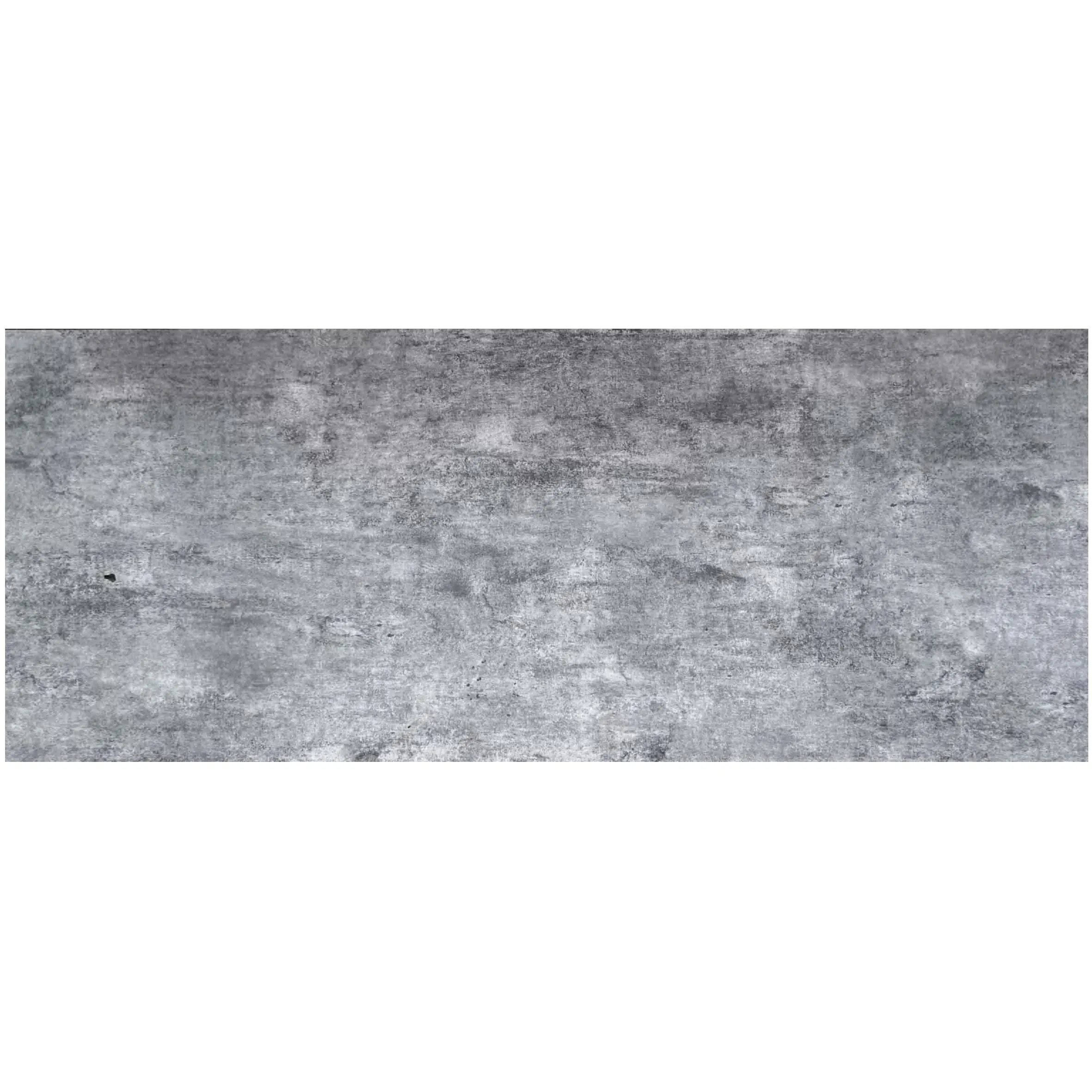
Let's talk about floors. For the longest time, our choices were pretty standard: wood, carpet, or tile. They get the job done, but do they truly inspire? In today's world of design, where personalization is king, we're all looking for something more. We want our spaces, whether it's our home or our business, to tell a story, to reflect a unique identity. This is where the floor, one of the largest surfaces in any room, transforms from a functional necessity into a grand canvas.
Enter the era of polish concrete floors . Sleek, minimalist, and incredibly durable, they've become the go-to choice for modern architects and designers. They offer a clean, industrial-chic aesthetic that feels both sophisticated and raw. But what if you could take that beautiful, durable canvas and turn it into a masterpiece? What if you could imprint it with any pattern, any texture, any piece of art you can imagine, making it truly one-of-a-kind?
This isn't a far-off dream; it's a reality made possible by a groundbreaking technology from COLORIA GROUP. We're talking about MCM 3D Printing , a revolutionary process that is completely redefining what's possible with flooring design. It's time to move beyond simple stains and basic scoring and step into a world where your floor becomes the most talked-about feature of your space.
Before we dive into the magic of 3D printing, let's appreciate the foundation itself. Why have polished concrete floors captured the imagination of so many? The reasons are numerous and compelling. For commercial spaces like art galleries, high-end retail stores, and bustling corporate offices, the appeal is obvious. These floors can withstand immense foot traffic without showing the wear and tear that would quickly degrade other materials. They are astonishingly easy to clean and maintain, which is a huge operational advantage.
The aesthetic is another major draw. The seamless, expansive look of polished concrete can make a space feel larger and more open. Its neutral gray tones provide a perfect backdrop that allows products, furniture, and architectural features to stand out. It's a look that says "modern," "clean," and "confident."
This trend has gracefully flowed into residential design as well. In modern homes, lofts, and apartments, polished concrete offers a sophisticated continuity, flowing from the kitchen to the living room to the hallway. It pairs beautifully with a wide range of materials, from warm woods and soft textiles to stainless steel and glass, creating a rich, layered interior.
However, there's a common critique leveled against concrete: it can sometimes feel cold, sterile, or impersonal. A vast expanse of gray, while chic, might lack the warmth and character we crave in our living and working environments. For decades, the solutions to this were limited. Designers could use acid stains or water-based dyes to add color, creating mottled, earthy tones. They could also use saws to score shallow lines, mimicking the look of large-format tiles.
While these methods have their place, they are fundamentally limited. Stains can be unpredictable, and the final look is often left to chance. Scoring is a simple geometric exercise. Neither method allows for intricate detail, custom graphics, or the rich textures that create true visual depth. How do you embed a company logo with perfect precision? How do you create a floor that looks like a Persian rug, a flowing riverbed, or a detailed world map? The answer lies in evolving the material itself.
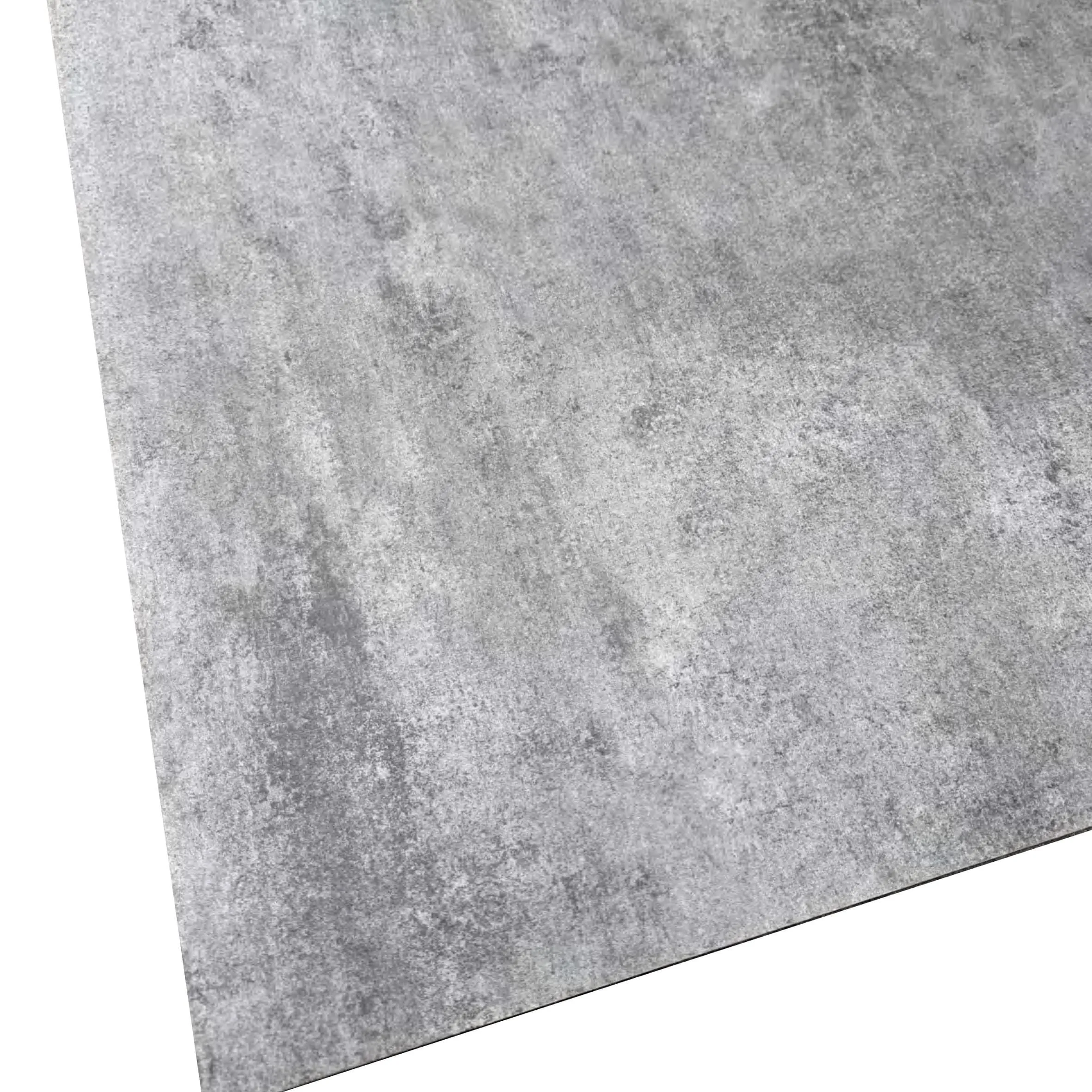
To understand the revolution, you first need to understand the material behind it. The acronym MCM stands for Modified Cementitious Material . This isn't your standard bag of cement. It's a high-tech, innovative composite material developed through years of research and refinement. Think of it as the next generation of clay and cement-based products, engineered for performance, beauty, and sustainability.
At its core, MCM is created from a blend of natural ingredients. We start with common materials from the natural world—things like clay, sand, stone powder, and other mineral components. The real innovation happens during the "modification" process. Through a specialized, low-temperature curing and forming technique, the molecular structure of these materials is transformed. They are recombined to create a new material that possesses an extraordinary combination of properties.
What makes MCM so special? It boils down to a unique set of features that traditional building materials simply can't match:
This versatile base material is the platform for an entire family of innovative products. For example, COLORIA GROUP has perfected it to create MCM Flexible Stone , which offers the stunning beauty of natural travertine, slate, or granite but in a thin, lightweight, and flexible sheet. This same foundational technology is what powers the incredible precision of our 3D printing applications.
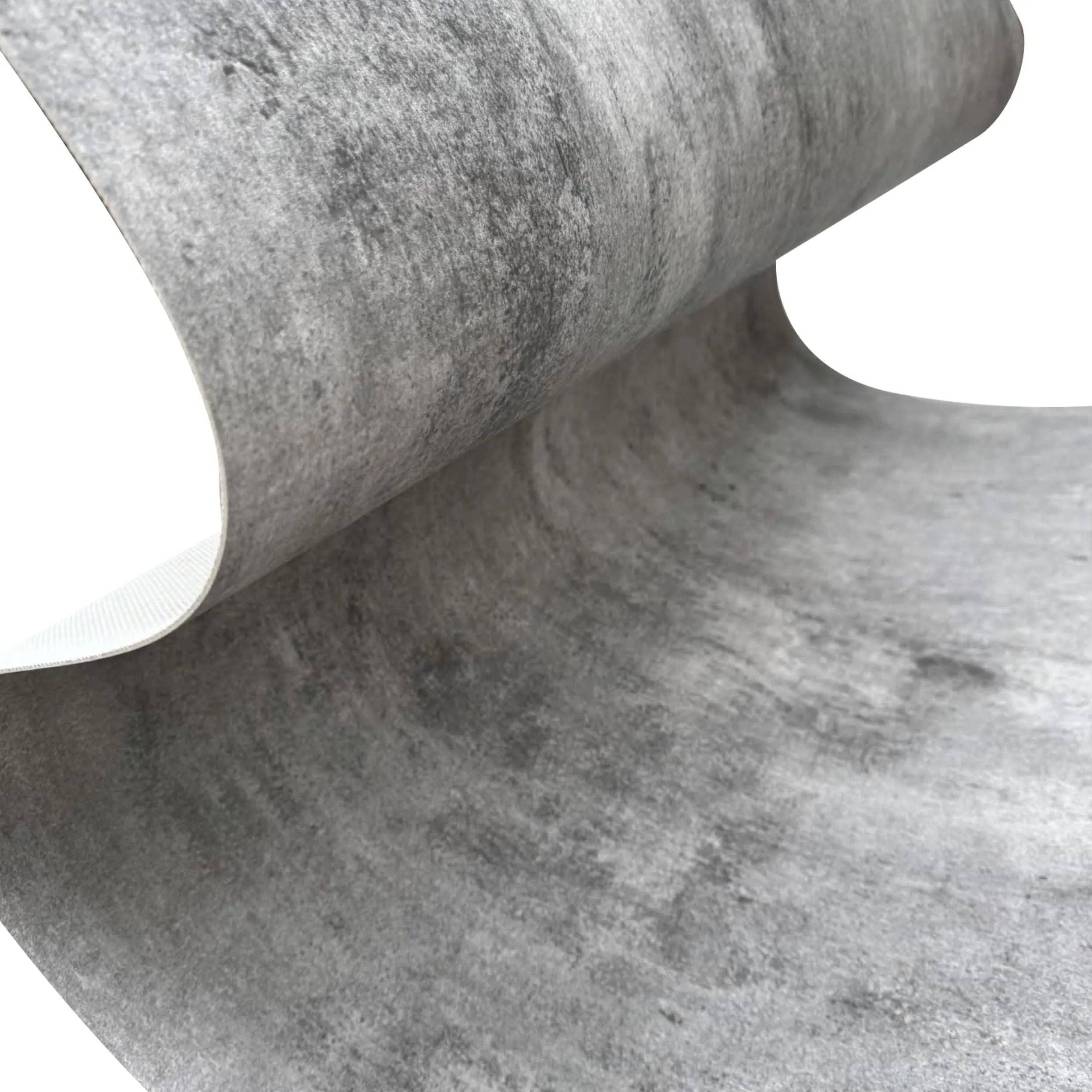
Now, let's bring it all together. How do we get from a versatile material to a stunning, custom-printed floor? The MCM 3D Printing process is where engineering meets artistry. It's a sophisticated system that allows us to translate any digital design into a physical, textured, and permanent pattern on an MCM-based product.
The journey starts not in a factory, but at a design terminal. This is where the magic of complete customization comes to life.
To truly grasp how transformative this is, let's compare it to traditional methods.
| Feature | MCM 3D Printing | Concrete Staining/Dyeing | Stenciling & Painting | Epoxy Art Floors |
|---|---|---|---|---|
| Customization | Virtually unlimited. Photorealistic images, intricate logos, any pattern. Full color spectrum. | Limited to mottled, translucent effects. Color control is low and results can be unpredictable. | Limited by stencil complexity. Prone to bleeding edges. Best for simple shapes and logos. | Allows for free-form abstract designs (swirls, metallics), but precise, repeatable patterns or logos are extremely difficult. |
| Texture & Depth | Creates tangible, controlled 3D texture. Can mimic wood, stone, leather, etc. The pattern has physical depth. | No texture. It's a purely color-based, flat treatment that soaks into the concrete. | No texture. It is a flat layer of paint on the surface. | Smooth, glossy surface. Depth is purely visual, created by layers of colored epoxy. No tactile texture. |
| Durability & Longevity | The pattern is part of the material itself. Extremely high wear and UV resistance. Will not fade, peel, or scratch off. | Good durability as it penetrates the concrete, but can fade over time with UV exposure and heavy traffic. | Low durability. The paint is a surface layer that is highly susceptible to chipping, scratching, and wear from foot traffic. | Good durability, but can be prone to scratching and may yellow over time with UV exposure. Repairs can be difficult to blend. |
| Consistency | Perfectly repeatable. Every tile or panel is identical to the digital design. Essential for large-scale projects. | Very low consistency. Each application is unique and depends on the porosity of the concrete. | Moderate consistency, but depends heavily on applicator skill. Prone to human error. | Each floor is a unique, one-off art piece. It is impossible to replicate an epoxy floor exactly. |
| Eco-Friendliness | Made from natural minerals with a low-energy production process. No VOCs. Contributes to a healthy indoor environment. | Acid stains involve a chemical reaction with potential environmental and health concerns during application. | Depends on the paint used. Many floor paints contain VOCs and other harmful chemicals. | Epoxy resins often release high levels of VOCs during the curing process, requiring significant ventilation. |
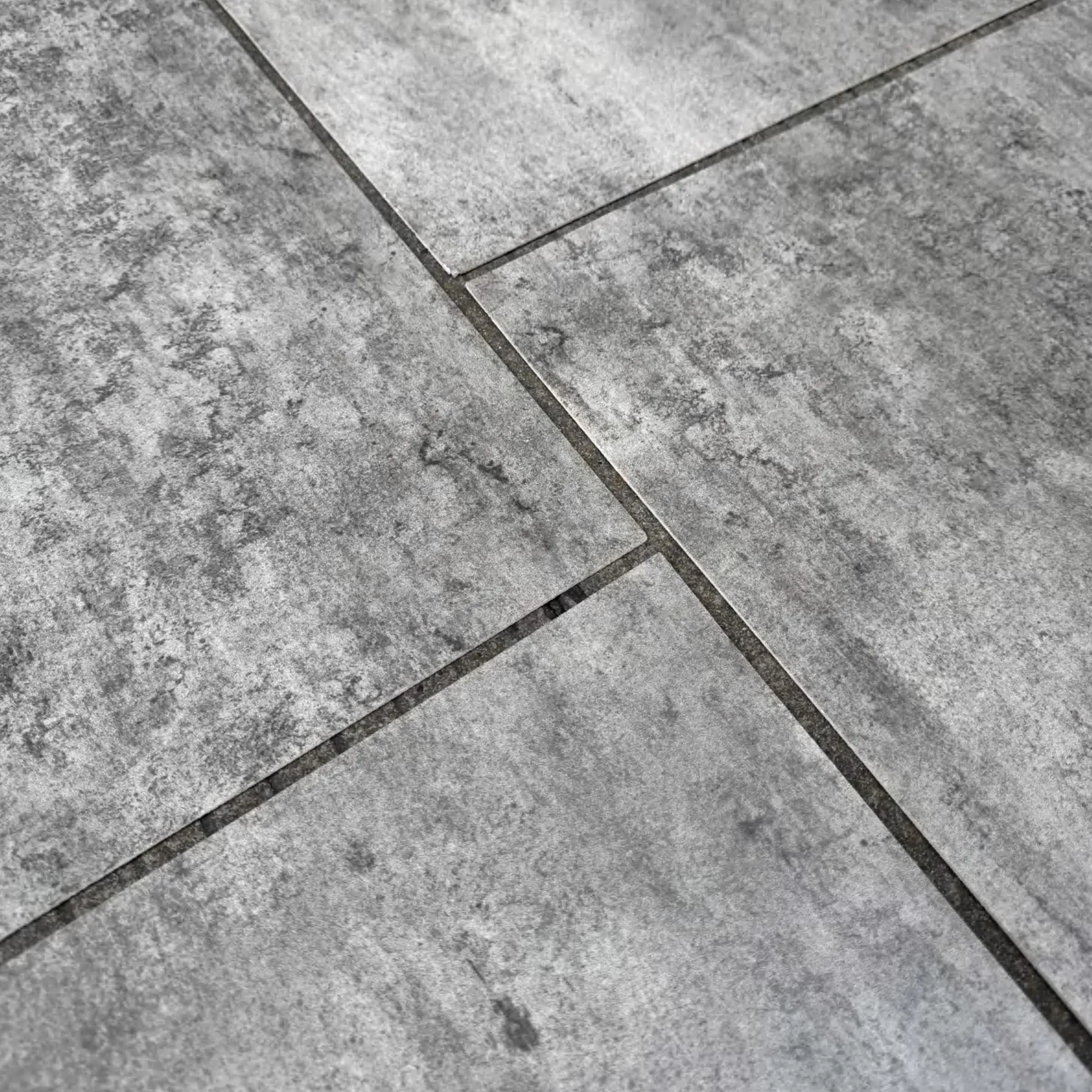
The true excitement of MCM 3D Printing lies in its application. It's a tool that empowers designers to think without the usual material constraints. Suddenly, the floor is not an afterthought but a central element of the design narrative.
Imagine walking into a corporate headquarters. Instead of a simple mat, the company's intricate logo is beautifully rendered on the polished concrete floor of the lobby, with a subtle texture that catches the light. A mission statement or a timeline of the company's history could be elegantly printed along a main hallway, guiding visitors on a journey. This is branding elevated to an art form.
In a high-end retail boutique, the floor could feature a pattern that complements the season's collection—a floral motif for a spring line, or a geometric Art Deco design for a luxury brand. Wayfinding can be integrated directly into the floor, with artistic arrows or pathways subtly guiding shoppers to different departments, creating an intuitive and immersive shopping experience.
Consider the hospitality industry. A hotel lobby could feature a floor that mimics a massive, single slab of impossibly rare marble, with veins and colors customized to match the hotel's brand identity. In a restaurant, the floor could be printed with patterns that evoke the cuisine's region of origin, enhancing the thematic dining experience. Since the surface is non-porous and seamless, it's also incredibly hygienic and easy to clean, a major bonus for food service environments.
In public spaces like museums or airports, the possibilities are endless. A museum exhibit could have a floor printed with a map of the ancient world it's showcasing. An airport terminal could use color-coded, printed pathways on the floor to direct travelers to their gates far more effectively than traditional signage.
This technology isn't just for grand commercial projects. It brings an unprecedented level of personalization to the home. Tired of worrying about spilling wine on an expensive rug? Imagine a living room where the "rug" is actually a pattern printed onto your durable, easy-to-clean floor. You can have the intricate beauty of a traditional Aubusson carpet or a modern abstract design, permanently part of your floor, with zero maintenance worries.
In the kitchen, you can have the look of exotic, encaustic cement tiles without the porousness, staining, and grout lines that are a nightmare to keep clean. Create a stunning, seamless backsplash that continues right down to the floor. In a child's bedroom or playroom, the floor could be a world map, a racetrack, a hopscotch grid, or a scene from their favorite storybook. It's a fun, interactive surface that's also tough enough to handle any amount of play.
Even the most private spaces can be transformed. A master bathroom can feature a floor that looks like calming, weathered wood planks or a serene pebble beach, all while being completely waterproof and warm underfoot compared to traditional tile.
A groundbreaking technology is only as good as the team and the system that supports it. At COLORIA GROUP, we are more than just a manufacturer; we position ourselves as a one-stop solution provider for architects, designers, and builders. Our mission is to provide not only the most advanced building materials but also the expertise and support needed to bring ambitious visions to life.
With decades of experience in the global construction materials industry, we understand the challenges and intricacies of projects large and small. Our extensive business network, including a dedicated agency in Saudi Arabia, gives us the logistical strength and market understanding to serve a global clientele. We are not just selling a product; we are entering a partnership.
Our commitment extends beyond just the floor. We see design holistically. The same MCM technology that creates stunning floors is also used in our MCM Big Slab Board Series for walls. This allows for a cohesive design language throughout a space. Imagine a feature wall with a custom 3D printed mural that flows down and integrates with a complementary pattern on the floor. This level of design integration was previously impossible or prohibitively expensive. With COLORIA GROUP's ecosystem of products, it's now an accessible reality.
We guide our clients through the entire process, from initial design consultation and digital proofing to manufacturing and providing detailed installation guidelines. Our focus on quality control is relentless, ensuring that the final product delivered is a perfect representation of the initial design, every single time.
The floor is no longer the forgotten surface. It is the foundation of design, a canvas for storytelling, and a statement of identity. The era of compromising between beauty and performance is over. The era of choosing between customization and durability is over.
With COLORIA GROUP's MCM 3D Printing technology, you can finally have it all. You can design a floor that is as unique as your fingerprint, as durable as stone, and as beautiful as a work of art. It's a solution that elevates the aesthetic of any space while championing sustainability and long-term performance.
The next time you look at a floor, don't just see a surface to walk on. See an opportunity. See a canvas. The future of architecture and interior design is being written, and it is being built from the ground up. Join us in stepping onto a surface that is truly limitless.
Recommend Products












