For centuries, architects have danced with the constraints of their materials. Stone, wood, and metal offered strength and beauty, but they also imposed limitations—in form, in weight, in cost. Every great design was a compromise between a grand vision and what was physically, and financially, possible. But what if those limitations started to fade away? What if you could translate the most complex digital designs into tangible, beautiful, and durable building components?
Welcome to the new frontier of architecture. We're not just talking about incremental improvements; we're talking about a paradigm shift. At COLORIA GROUP, we're at the forefront of this revolution with a technology that's reshaping our very concept of what a building can be:
MCM 3D Printing
. This isn't science fiction. It's the tool that empowers architects and designers to build the unbuildable and create true
architectural masterpieces
with unprecedented freedom.
Imagine a façade that flows like fabric, a wall with intricate, nature-inspired patterns, or custom-shaped masonry that perfectly echoes a brand's identity. This is the reality that MCM 3D Printing delivers.
Breaking Down the Foundation: What is MCM?
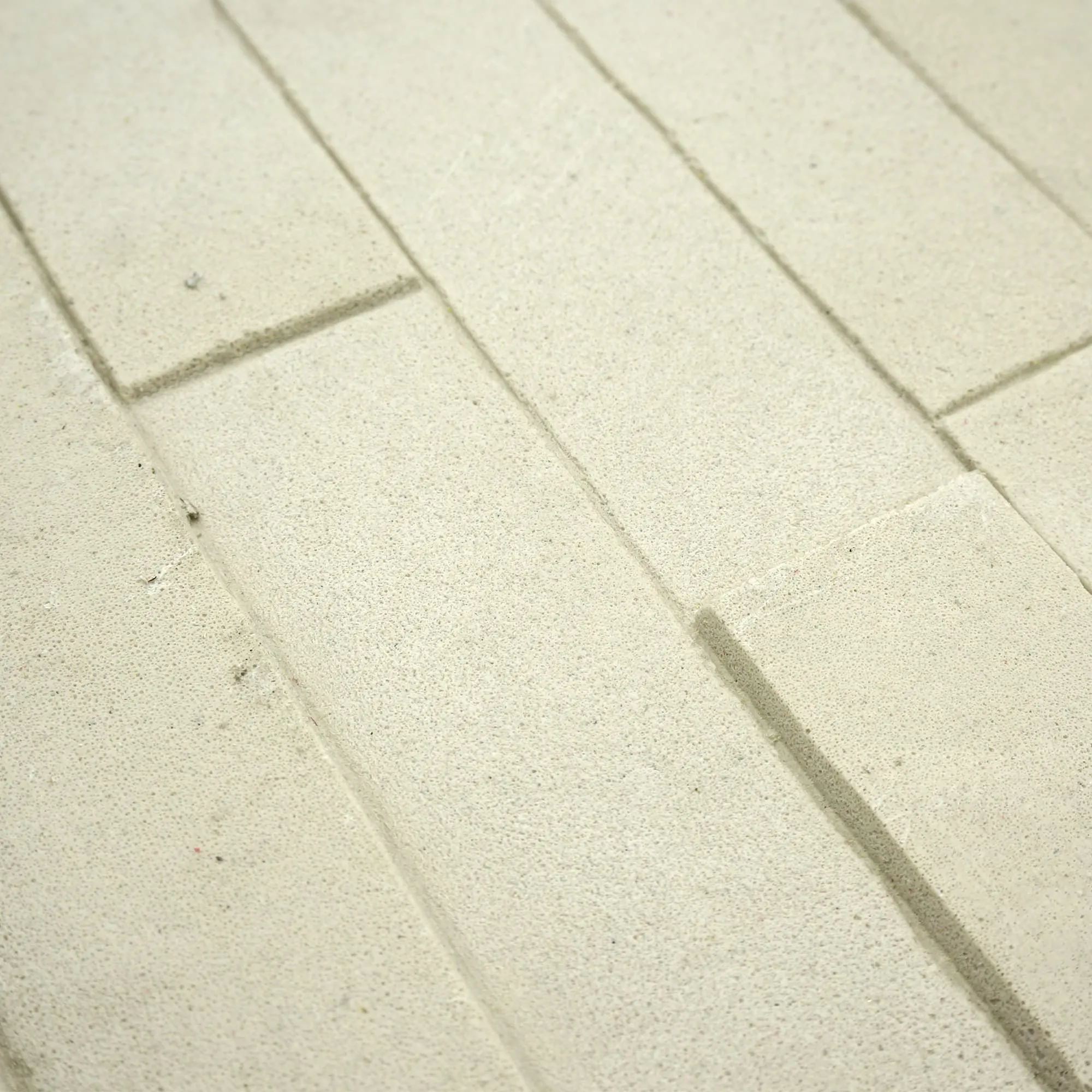
Before we dive into the magic of 3D printing, it's crucial to understand the incredible material at its heart. MCM stands for Modified Cementitious Material. Forget what you think you know about traditional cement or concrete. MCM is in a league of its own. It's an innovative composite material developed through years of research, born from a desire to create something better, more versatile, and more sustainable.
At its core, MCM is made from natural ingredients like common soil, cement powder, sand, and other mineral components, which are modified at a molecular level. Through a specialized low-carbon molding process, these raw materials are transformed into a material that boasts a remarkable set of properties. It's the very foundation of our entire product family, from our versatile
MCM Flexible Stone
to our large-format boards.
The Core DNA of MCM:
-
Lightweight:
MCM is incredibly light, often a fraction of the weight of traditional stone or concrete panels. This dramatically reduces the structural load on a building, which can lead to significant savings in foundation and support structure costs.
-
Flexible:
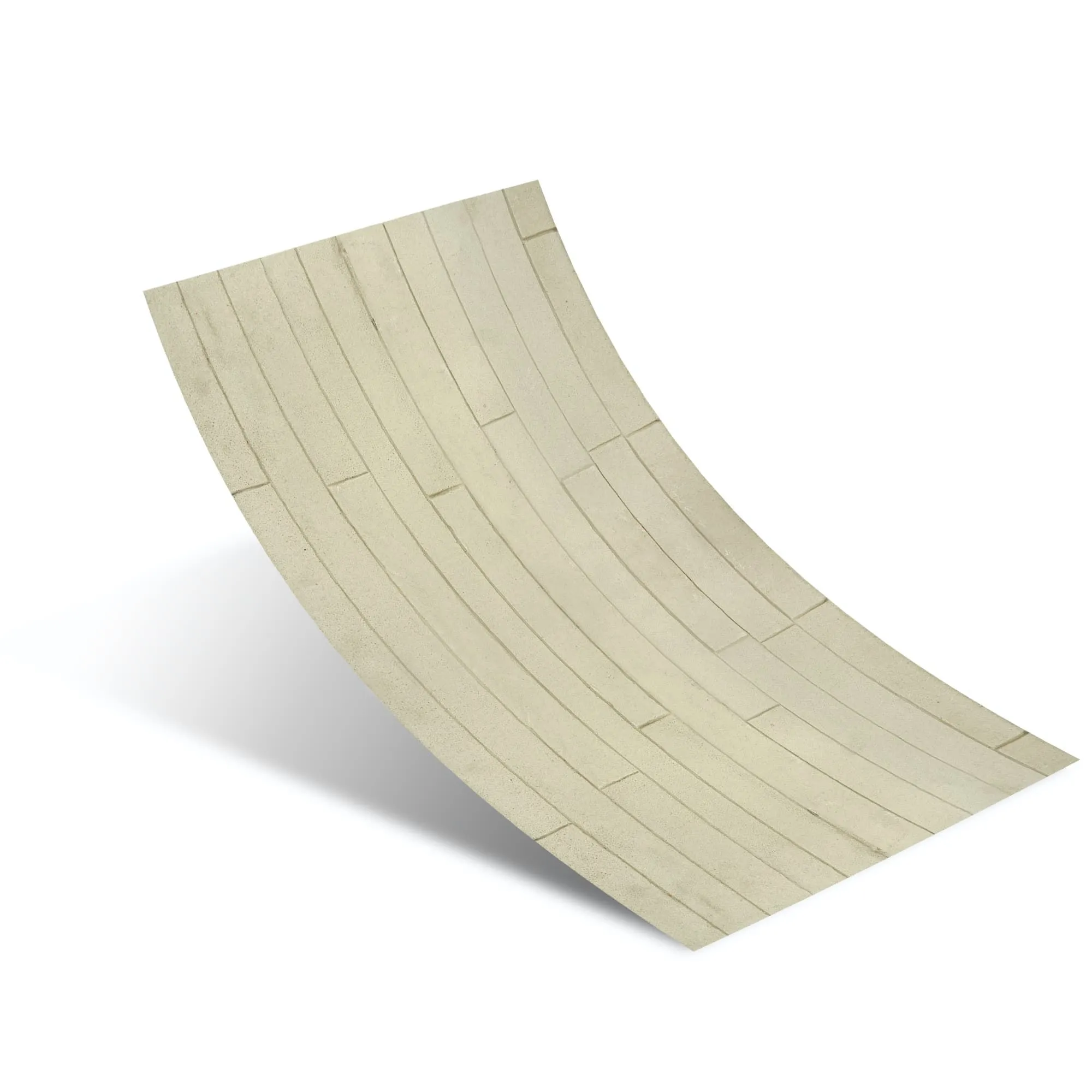
Unlike rigid stone or brittle ceramics, many forms of MCM have a degree of flexibility. This allows them to be applied to curved surfaces and makes them more resilient to impact and building movement.
-
Durable & Weather-Resistant:
MCM is built to last. It's resistant to water, fire (Class A fire rating), freezing and thawing cycles, and UV degradation. It won't delaminate or fade, ensuring the building's façade looks pristine for decades.
-
Eco-Friendly:
Sustainability is no longer an option; it's a necessity. The MCM production process has a low carbon footprint. It uses minimal energy and water and produces virtually zero waste. The material itself is often made from recycled and natural components, making it a truly green building solution.
-
Breathable:
The material allows water vapor to pass through, preventing moisture buildup within wall structures, which can lead to mold and structural damage.
Understanding these fundamental properties is key to grasping why MCM is the perfect medium for 3D printing. It combines the aesthetic potential of natural materials with the performance of advanced composites.
The Leap Forward: How MCM 3D Printing Works
So, how do we go from this amazing material to creating custom architectural shapes? That's where the "3D Printing" comes in. At COLORIA GROUP, we've pioneered a process that uses our proprietary MCM slurry as the "ink" for a large-scale additive manufacturing system.
The process is a beautiful marriage of digital design and physical creation:
-
1. Digital Design:
It all starts with a 3D model. An architect or designer creates their desired shape, pattern, or texture using standard CAD or 3D modeling software. This can be anything from a simple geometric block to a complex, parametric, organic form.
-
2. Slicing & Programming:
The 3D model is then "sliced" into hundreds or thousands of thin horizontal layers by specialized software. This data is translated into a path for the 3D printer's nozzle to follow.
-
3. Additive Manufacturing:
The printer extrudes the specially formulated MCM slurry, layer by layer, meticulously building the object from the ground up. The process is precise, controlled, and can run continuously, creating forms that would be impossible or prohibitively expensive to produce with traditional methods.
-
4. Curing & Finishing:
Once printed, the object is cured under controlled conditions to achieve its final strength and durability. Depending on the desired aesthetic, it can be left with its natural printed texture or undergo further finishing processes to achieve different colors, sheens, or surface qualities.
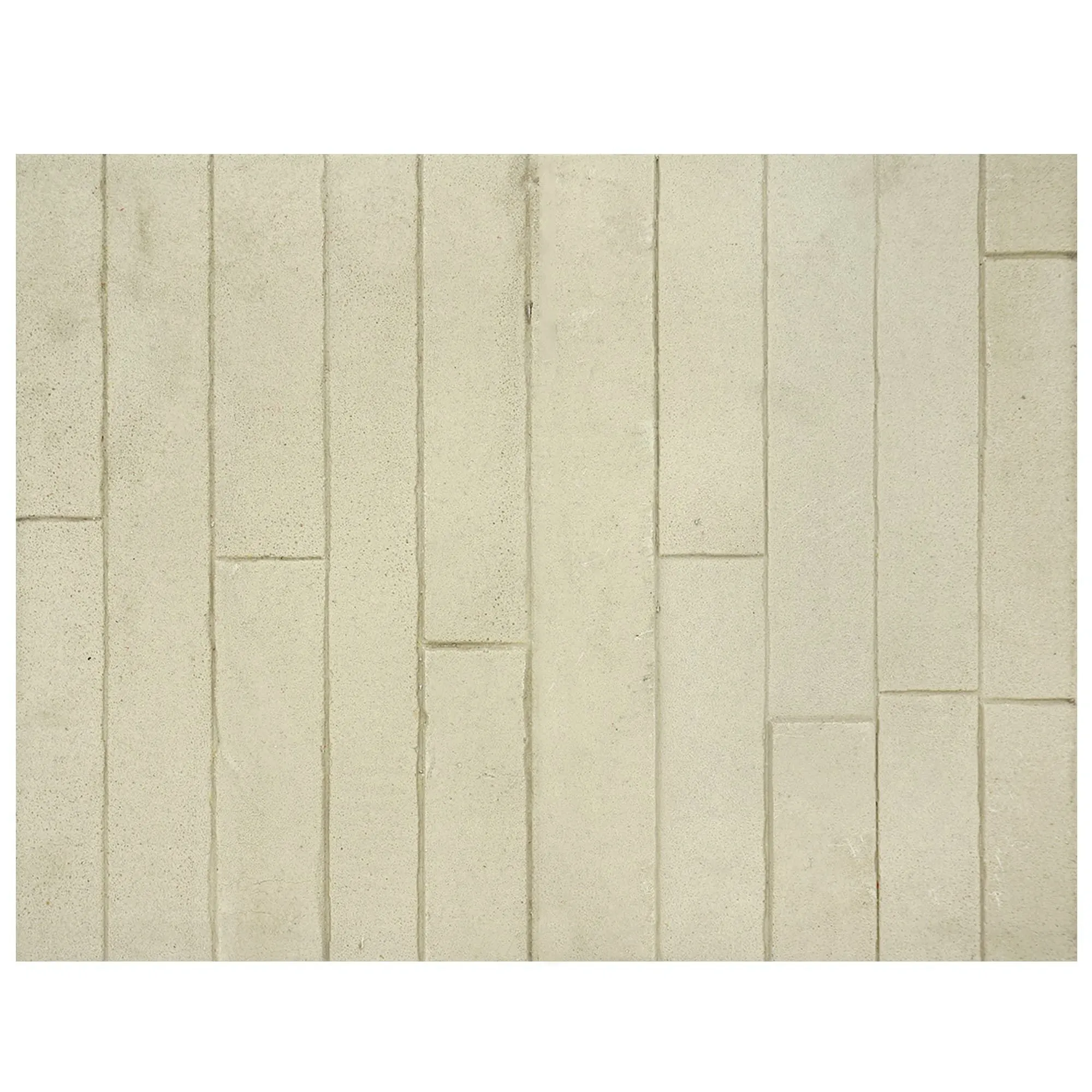
The result is a monolithic, solid, custom masonry component that perfectly matches the digital blueprint. It's direct-to-fabrication, eliminating the need for molds, carving, or subtractive manufacturing, which in turn radically reduces waste and lead times.
The Advantages that Redefine Possibility
Adopting
MCM 3D Printing
isn't just about a novel aesthetic; it's a strategic decision that brings a host of tangible benefits to any project, from commercial high-rises to bespoke residential homes.
1. Absolute Design Freedom
This is the single biggest advantage. The constraints of molds and subtractive manufacturing are gone. If you can design it in 3D, we can most likely print it. This opens the door to:
-
Complex Geometries:
Create non-Euclidean shapes, double-curved surfaces, and intricate lattice-work that would be a nightmare for traditional masons or mold-makers.
-
Bespoke Textures:
Move beyond standard brick or stone textures. Design a unique surface pattern for a feature wall or an entire façade, incorporating logos, artistic motifs, or data-driven patterns (parametric design).
-
Mass Customization:
Produce a series of related but non-identical components. Imagine a façade where every panel is slightly different, creating a dynamic, shimmering effect, all without the exponential cost increase associated with unique molds.
2. Enhanced Project Efficiency
Let's be honest, time is money in construction. The traditional process for custom masonry is slow. It involves creating shop drawings, building molds, casting, curing, and often, a lot of back-and-forth.
MCM 3D Printing
streamlines this entire workflow.
-
Rapid Prototyping:
Quickly print scale models or full-size mock-ups for client approval or performance testing, drastically shortening the design iteration cycle.
-
Reduced Lead Times:
By eliminating the need for mold creation, we can move directly from a finalized digital file to production, significantly cutting down the time from order to delivery.
-
Simplified Installation:
Because the components are lightweight and precisely manufactured, installation is faster and requires less heavy machinery and labor compared to precast concrete or natural stone blocks.
3. A Commitment to Sustainability
Building for the future means building responsibly. COLORIA GROUP is deeply committed to this principle, and our
MCM 3D Printing
technology is a testament to that.
-
Near-Zero Waste:
As an additive process, we only use the material that's needed to create the part. This stands in stark contrast to subtractive methods like stone carving, which can generate enormous amounts of waste.
-
Low-Energy Production:
The entire process, from material preparation to curing, is optimized for low energy consumption, far below that of firing ceramics or quarrying and transporting heavy stone.
-
Lighter Logistics:
The lightweight nature of the final product means less fuel is consumed during transportation from our factory to your job site, further reducing the project's overall carbon footprint.
Comparative Analysis: MCM 3D Printing vs. Traditional Materials
To truly appreciate the leap that
MCM 3D Printing
represents, it's helpful to see it side-by-side with the conventional alternatives. Think about the last time you specified a custom stone feature or a complex GFRC (Glass Fiber Reinforced Concrete) panel. Now consider this:
|
Design Freedom
|
-
Virtually unlimited geometric complexity.
-
Enables parametric and generative design.
-
Mass customization is cost-effective.
|
-
Limited by subtractive methods (cutting, carving).
-
Complex shapes are extremely expensive and labor-intensive.
-
Wasteful process.
|
-
High complexity requires intricate, expensive molds.
-
Repetition is favored; unique parts are costly.
-
Limited undercuts and fine details.
|
|
Weight
|
-
Extremely lightweight.
-
Reduces structural load and reinforcement needs.
|
-
Very heavy.
-
Requires significant structural support and heavy lifting equipment.
|
-
Heavy, though lighter than solid precast.
-
Still requires substantial structural consideration.
|
|
Sustainability
|
-
Low-energy, low-carbon production.
-
Additive process means near-zero material waste.
-
Uses natural and recycled components.
|
-
High-energy quarrying and transportation.
-
Subtractive process creates significant waste.
-
Finite resource.
|
-
High energy consumption (cement production).
-
Mold-making can be wasteful.
-
Heavy transportation footprint.
|
|
Speed & Efficiency
|
-
Rapid prototyping and production (no molds).
-
Faster installation due to lightweight nature.
-
Digital-to-fabrication workflow.
|
-
Very slow for custom work.
-
Long lead times for quarrying, cutting, and finishing.
-
Slow, labor-intensive installation.
|
-
Lead times are dominated by mold creation and curing.
-
Slower than 3D printing for custom, one-off parts.
|
The COLORIA GROUP Ecosystem: A Holistic Solution
One of the most powerful aspects of working with COLORIA GROUP is that our
MCM 3D Printing
service doesn't exist in a vacuum. It's a key part of a comprehensive, one-stop solution for architectural materials. This allows for seamless integration and a cohesive aesthetic across an entire project.
Think about how these products can work in concert. You might use our
MCM Big Slab Board Series
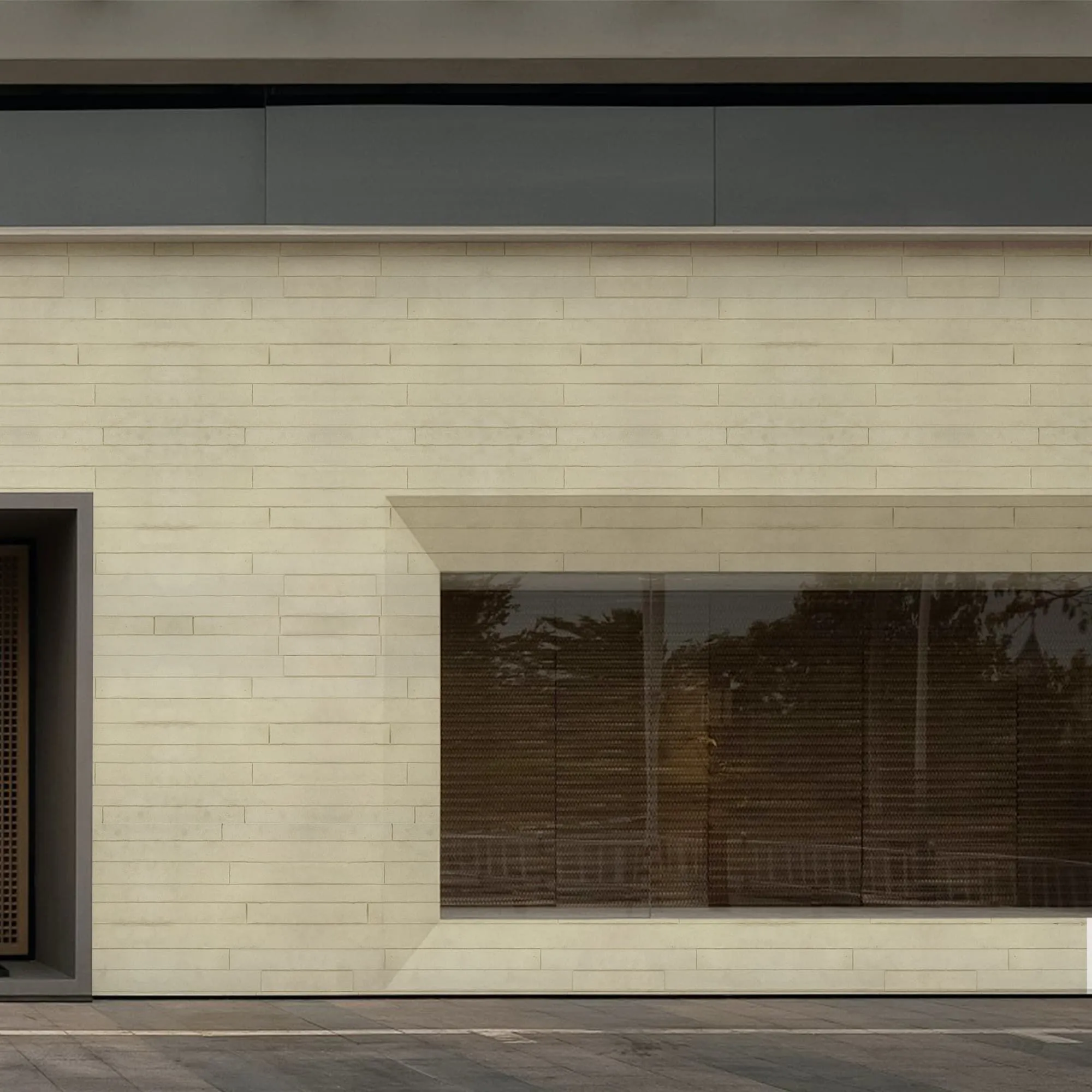
for the vast, clean expanses of a building's main façade, providing a sleek and modern canvas. Then, you can introduce intricate, custom-designed accent pieces around entryways, windows, or as a feature wall, all created with MCM 3D Printing. Because they are born from the same base material, the color, texture, and performance characteristics are perfectly harmonized. You get the efficiency of large-format panels combined with the bespoke beauty of 3D-printed elements, all from a single, reliable partner. This synergy simplifies sourcing, ensures material compatibility, and guarantees a unified design language.
The Future is Custom: Applications & Inspiration
The potential applications for MCM 3D Printing are limited only by the imagination. We are already seeing this technology transform various sectors:
-
Iconic Commercial Façades:
Create a brand's identity literally on its headquarters. Print flowing, dynamic surfaces that make a building a landmark.
-
Luxury Residential Detailing:
Design custom window surrounds, ornate cornices, or unique interior feature walls that turn a house into a bespoke home.
-
Restoration & Heritage:
Recreate complex, damaged historical masonry with perfect accuracy, but with a lightweight, durable, and more easily installed material.
-
Landscape & Public Art:
Build sculptural benches, planters, and public art installations that are both beautiful and resilient enough for the urban environment.
-
Interior Design Statements:
From sculptural reception desks to breathtaking lobby walls and unique retail displays, bring a new level of artistry indoors.
This isn't just another building material. It's a new creative language for the built environment. It's the brush that allows architects to paint in three dimensions, to build their boldest visions, and to craft the next generation of architectural masterpieces.
As a global one-stop solution provider with decades of experience and a strong presence in markets from Asia to the Middle East, including our agency in Saudi Arabia, COLORIA GROUP understands the demands of modern construction. We deliver not just innovative products, but a partnership built on expertise, quality, and a shared passion for pushing boundaries.
The era of compromise is over. The age of unbridled architectural creativity is here. Explore the potential of MCM 3D Printing and let's build something extraordinary together.













