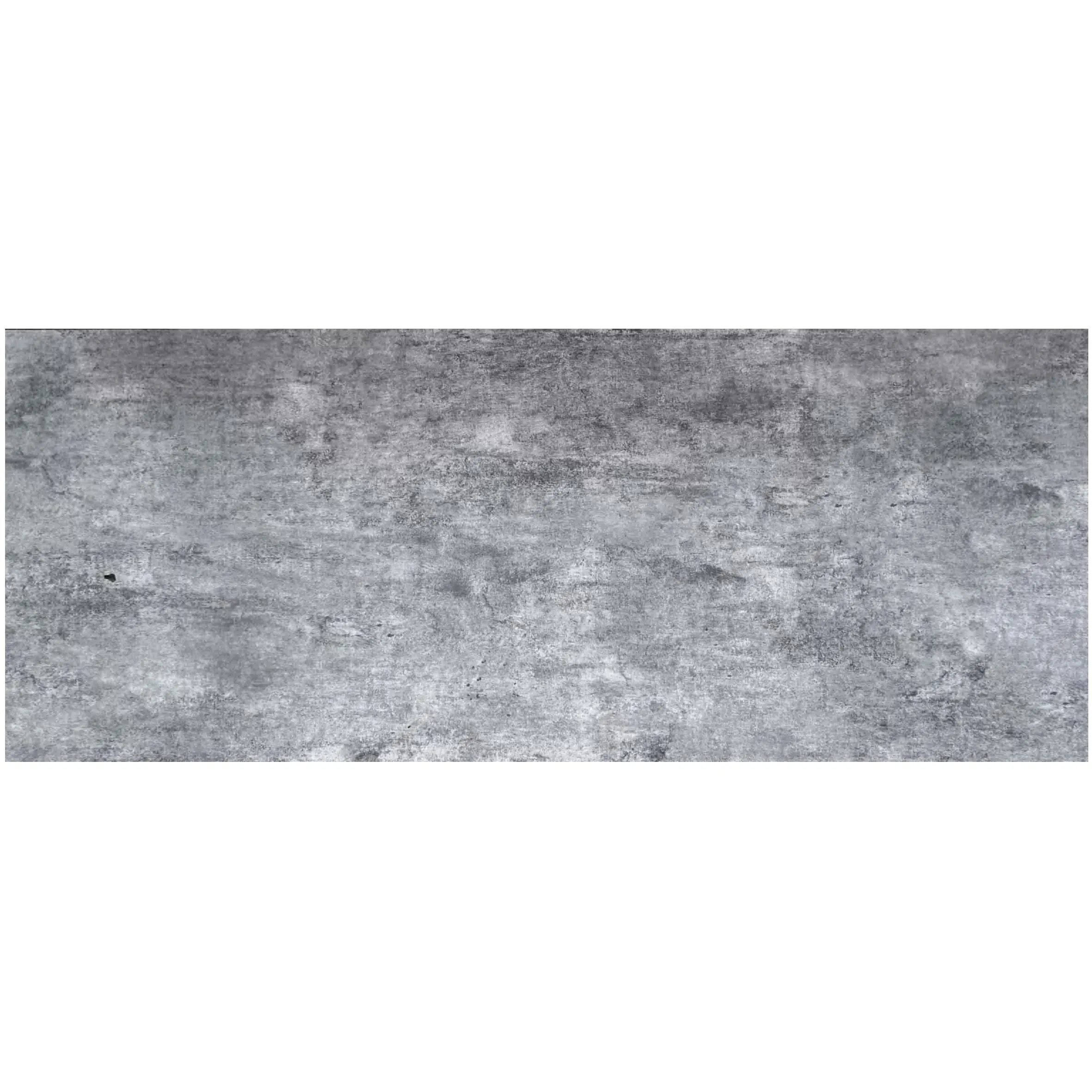
MCM 3D Printing: Redefining
Polish Concrete Architectural Details
Picture this: You're standing in the lobby of a new cultural center, sunlight streaming through floor-to-ceiling windows. Your eyes are drawn to the walls—not because they're painted a bold color, but because they
move
. A gentle, wave-like texture ripples across the
polish concrete surface, catching the light in a way that makes the wall feel alive. Up close, you notice tiny, star-like indentations that sparkle when you shift your angle, as if someone scattered stardust into the concrete itself. This isn't a museum exhibit or a digital projection; it's the actual wall, made of
polish concrete, but unlike any
polish concrete you've ever seen. This is the future of architecture, and it's being built with the
MCM 3D printing series.
For too long,
polish concrete was the unsung hero of the building world. We relied on it for its durability, its industrial charm, and its ability to stand up to heavy foot traffic and the test of time. But let's be honest—we also took it for granted. It was the "default" option, the material you chose when you wanted something functional but didn't have the budget or bandwidth for "fancy" finishes. Architects would sketch bold, curving walls or intricate textures, only to be told by contractors, "Sorry, we can't do that with concrete." Molds were expensive, custom forms were rigid, and the result was always… well,
concrete
. Flat, plain, and predictable.
But that's all changing. Thanks to innovations like MCM 3D printing,
polish concrete is shedding its "boring" label and stepping into the spotlight as a material of endless possibility. It's no longer just a surface to walk on or lean against; it's a medium for storytelling, a way to turn buildings into experiences. And at the heart of this transformation is a simple idea: What if we stopped forcing concrete into molds and let it
grow
into the shapes we imagine?
Breaking Free: How MCM 3D Printing Works
Let's demystify the technology. MCM 3D printing isn't about printing entire buildings (though that day might come). It's about printing the details—the textures, the curves, the custom elements that make a space feel unique—using a modified composite material that's as strong as traditional concrete but infinitely more adaptable. Here's how it works: Instead of mixing concrete and pouring it into a pre-made mold, the printer uses a nozzle to extrude layers of a specialized MCM blend (think of it as concrete's hipper, more flexible cousin) one on top of the other. This blend often includes
flexible stone
, a lightweight aggregate that gives the material its adaptability, allowing it to bend slightly without cracking.
Imagine building a sandcastle with a squeeze bottle instead of a bucket. With the bottle, you can draw loops, create towers, and add intricate details—all things that would be impossible with a bucket. MCM 3D printing does the same for
polish concrete. The printer's nozzle can move in three dimensions, following a digital design file to create everything from subtle textures to bold, three-dimensional patterns. And because it's additive (building up instead of pouring into a mold), there's no waste—unlike traditional methods, where excess concrete is often scrapped after a pour.
One of the most exciting applications of this technology is the
MCM big slab board series
. These large-format panels (some as wide as 10 feet) are 3D printed in one piece, eliminating the need for seams and joints that can weaken traditional concrete slabs. But it's not just about size—it's about
design
. A single MCM big slab can feature a gradient texture, shifting from smooth
polish concrete on one end to a rough, stone-like finish on the other. Or it can incorporate embedded patterns, like the delicate lines of a bamboo mat or the rugged texture of a mountain peak. The possibilities are limited only by the designer's creativity.
So, what does this mean for
polish concrete? Simply put, it's no longer a one-note material. Let's start with texture. Traditional
polish concrete can be smooth, but that's about it. MCM 3D printing changes that. Want a wall that looks like it was carved by wind and water, with deep grooves and undulating surfaces? The printer can do that. Crave the look of hand-laid stone but with the uniformity of concrete? It can mimic the irregular edges of
masonry stone
or the rough-hewn texture of
rock cut stone
with uncanny accuracy. Even better, these textures aren't just skin-deep—they're part of the material itself, so they won't wear off or fade over time.
Then there's color and finish.
Polish concrete used to come in a narrow range of grays and beiges, but MCM 3D printing opens up a world of hues. Thanks to pigments and additives, designers can now choose from finishes like
lunar peak silvery
(a cool, metallic sheen that shimmers like moonlight),
travertine (starry blue)
(deep blue with flecks of silver that mimic a night sky), or even custom gradients that shift from warm gold to rich terracotta. These aren't just paint jobs; the color is mixed into the MCM material before printing, ensuring it runs all the way through the panel. Scratch the surface, and the color remains—no touch-ups needed.
But perhaps the most revolutionary aspect is
form
. MCM 3D printing lets
polish concrete
bend
. Literally. Traditional concrete is brittle; if you try to curve it too much, it cracks. But with flexible stone in the mix, MCM-printed concrete can handle gentle arcs and organic shapes that would have been impossible just a few years ago. Imagine a retail store with a
polish concrete counter that flows like a river through the space, or a hotel lobby with a ceiling that curves overhead like a wave, all made from the same material you'd find in a garage floor. It's a paradigm shift:
polish concrete is now a material of movement, not just stillness.
Why It Matters: The Benefits Beyond Beauty
Sure, MCM 3D printed
polish concrete looks amazing—but it's not just about aesthetics. This technology solves real problems that have plagued architects and builders for decades. Let's start with cost. Traditional custom concrete details require expensive molds, which are often used once and then thrown away. MCM 3D printing eliminates the need for molds entirely; the printer uses a digital file, so changing the design is as simple as updating a CAD drawing. No more paying for new molds for every project—just hit "print" and go. This makes custom textures and shapes accessible to smaller projects, not just luxury builds.
Then there's weight. Traditional concrete is heavy, which means structural support systems (beams, foundations) have to be beefed up to handle the load. MCM 3D printed panels, thanks to their hollow internal structures (printed right into the design) and flexible stone composition, are up to 50% lighter than traditional concrete slabs. That reduces the strain on a building's frame, cuts down on shipping costs (lighter panels mean fewer trucks), and even makes it possible to install
polish concrete details on upper floors or in older buildings where weight is a concern.
Sustainability is another win. The additive manufacturing process produces far less waste than traditional concrete pouring, where excess material is often discarded. Many MCM blends also use recycled aggregates, and the lightweight nature of the panels reduces the carbon footprint of transportation. Plus,
polish concrete is already a long-lasting material—with MCM 3D printing, it's even more durable, meaning buildings will need fewer repairs and replacements over time. It's a win for the planet and for building owners' wallets.
From Blueprint to Building: A Case Study
Let's take a look at a real-world example of MCM 3D printing in action: the Riverfront Community Center in Portland, Oregon. Designed by local firm Studio Terra, the center was meant to celebrate the city's relationship with the Willamette River—and the architects wanted the building itself to feel like a "river of concrete." Traditional methods would have required custom curved molds for the walls, which would have been prohibitively expensive for a public project. Enter MCM 3D printing.
The design team used the
MCM 3D printing series to create 20-foot-tall, wave-shaped wall panels for the main lobby. Each panel features a rippled texture that mimics the river's surface, with embedded "starry" indentations (inspired by
travertine (starry blue)
) that catch the light, evoking sunlight on water. The panels were printed off-site and transported to the construction site, where they were installed in days (instead of weeks, as traditional concrete would have taken). The result? A lobby that feels like stepping into a river canyon, with
polish concrete walls that tell the story of the water that shaped the city.
But the innovation didn't stop there. The center's outdoor patio features
MCM big slab board series
panels printed with a wood-grain texture, blurring the line between indoor and outdoor spaces. Even the reception desk was 3D printed as a single, seamless piece, curving gently to welcome visitors. "We never thought we could afford this level of customization on a community center budget," said lead architect Maria Gonzalez. "MCM 3D printing didn't just make the design possible—it made it practical."
Traditional vs. MCM 3D Printing: A Side-by-Side Look
|
Feature
|
Traditional Polish Concrete
|
MCM 3D Printed Polish Concrete
|
|
Design Flexibility
|
Limited to flat surfaces or simple curves; custom textures require expensive molds.
|
Unlimited: 3D printing allows for complex textures, organic shapes, and custom patterns—no molds needed.
|
|
Weight
|
Heavy (80-100 lbs per sq ft for slabs).
|
Lightweight (40-60 lbs per sq ft) due to hollow internal structures and flexible stone.
|
|
Installation Time
|
Slow; requires curing time for poured concrete (days to weeks).
|
Fast; panels printed off-site and installed in hours/days, with minimal curing time.
|
|
Cost for Custom Details
|
High; custom molds and forms add significant expense.
|
Affordable; digital designs eliminate mold costs, making custom details accessible.
|
|
Sustainability
|
High waste (excess concrete, single-use molds).
|
Low waste (additive manufacturing, recycled materials, and lightweight panels reduce carbon footprint).
|
The Riverfront Community Center is just the beginning. As MCM 3D printing technology improves, we're going to see
polish concrete show up in places we never imagined. Imagine hospitals with walls printed in calming, wave-like patterns to reduce patient anxiety; schools with interactive
polish concrete floors that feature educational games (printed right into the surface); or homes where the kitchen counter is a single, seamless 3D printed slab that curves into the backsplash. The possibilities are endless.
One area of growth is the integration of smart technology. Researchers are experimenting with embedding sensors into MCM 3D printed
polish concrete panels to monitor temperature, humidity, or even structural stress—turning walls into "smart" surfaces that can alert building managers to issues before they become problems. Another trend is the use of
foamed aluminium alloy board (vintage silver)
accents alongside MCM-printed concrete, creating a striking contrast between warm metal and cool stone. The result is a material palette that feels both industrial and luxurious.
But perhaps the most exciting future development is accessibility. Right now, MCM 3D printing is still relatively new, but as more contractors adopt the technology and prices come down, it will become available to smaller projects—think coffee shops, home renovations, or community gardens. Imagine being able to 3D print a custom
polish concrete fire pit for your backyard, or a unique backsplash for your kitchen, all designed by you and printed locally.
Polish concrete will no longer be a material for "professionals only"; it will be a material for
everyone
.
Final Thoughts: Concrete as Art
At the end of the day, MCM 3D printing isn't just about technology—it's about redefining how we think about building materials. For too long, we've seen
polish concrete as a "means to an end," a material that serves a purpose but doesn't inspire. But when you can print a wall that shimmers like the night sky, or a floor that flows like a river, or a counter that curves like a wave—suddenly, concrete becomes art. It becomes a way to tell stories, to evoke emotions, to make spaces feel alive.
The next time you walk into a modern building, take a closer look at the walls and floors. Chances are, you'll spot the work of MCM 3D printing: the unique texture, the unexpected curve, the subtle shimmer of flexible stone or
lunar peak silvery accents. And when you do, remember this: That wasn't just built—it was
printed
. And in that print, lies the future of architecture: one where
polish concrete isn't just a material, but a masterpiece.