
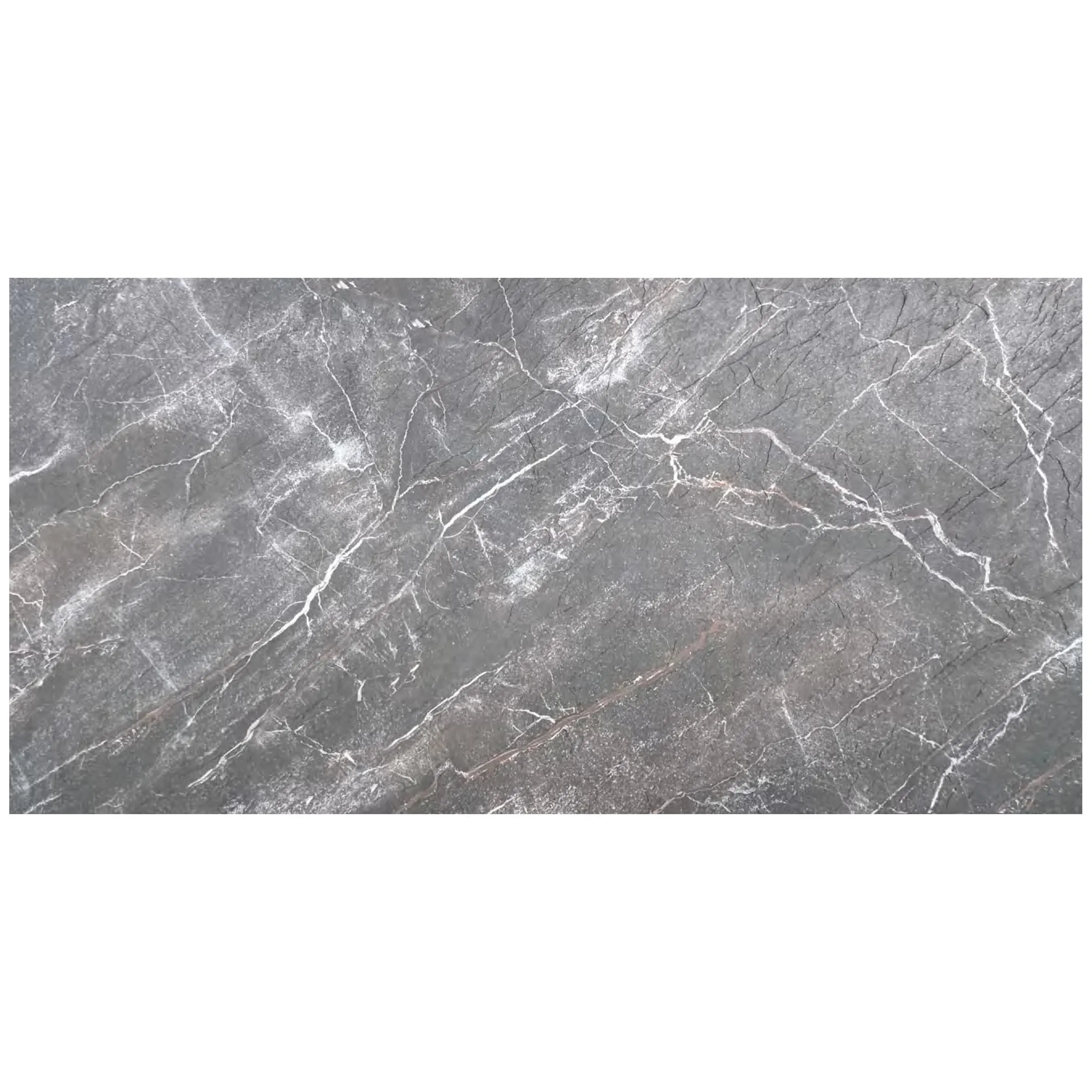
Architecture is more than steel beams and concrete—it's the language of spaces that breathe, tell stories, and make us feel. For decades, designers and builders have chased a balance between nature's raw beauty and human ingenuity, often constrained by the limits of traditional materials. Then came MCM, not just as a manufacturer, but as a collaborator in redefining what's possible. Today, we're diving into the MCM 3D Printing Series —a technology that doesn't just print materials, but prints possibilities—and its star application: crafting custom Slate Portoro patterns that blur the line between art and architecture.
Think of the last time you walked through an old cathedral. The stone walls, chiseled by hand, carry the weight of centuries—each groove a mark of human effort. Now imagine that same level of detail, but with the precision of a laser and the flexibility of a digital canvas. That's the promise of MCM's 3D Printing Series. Unlike traditional stone cutting, which carves away at blocks, 3D printing builds material layer by layer, using advanced composites that mimic natural stone's depth while eliminating its flaws: no more unpredictable veins, no more waste from cracked slabs, no more limits on shape.
At the heart of this technology is a marriage of material science and design software. Engineers at MCM spent years perfecting a proprietary blend that captures the essence of natural stone—its texture, its heft, its ability to age gracefully—while infusing it with modern durability. The result? A base material that's 60% lighter than natural slate, water-resistant, and flexible enough to wrap around curved surfaces. When paired with 3D printing's additive process, suddenly, the impossible becomes routine: a facade that curves like a wave, a feature wall with veins that spell a company's logo, or a fireplace surround that mimics the flow of a mountain stream.
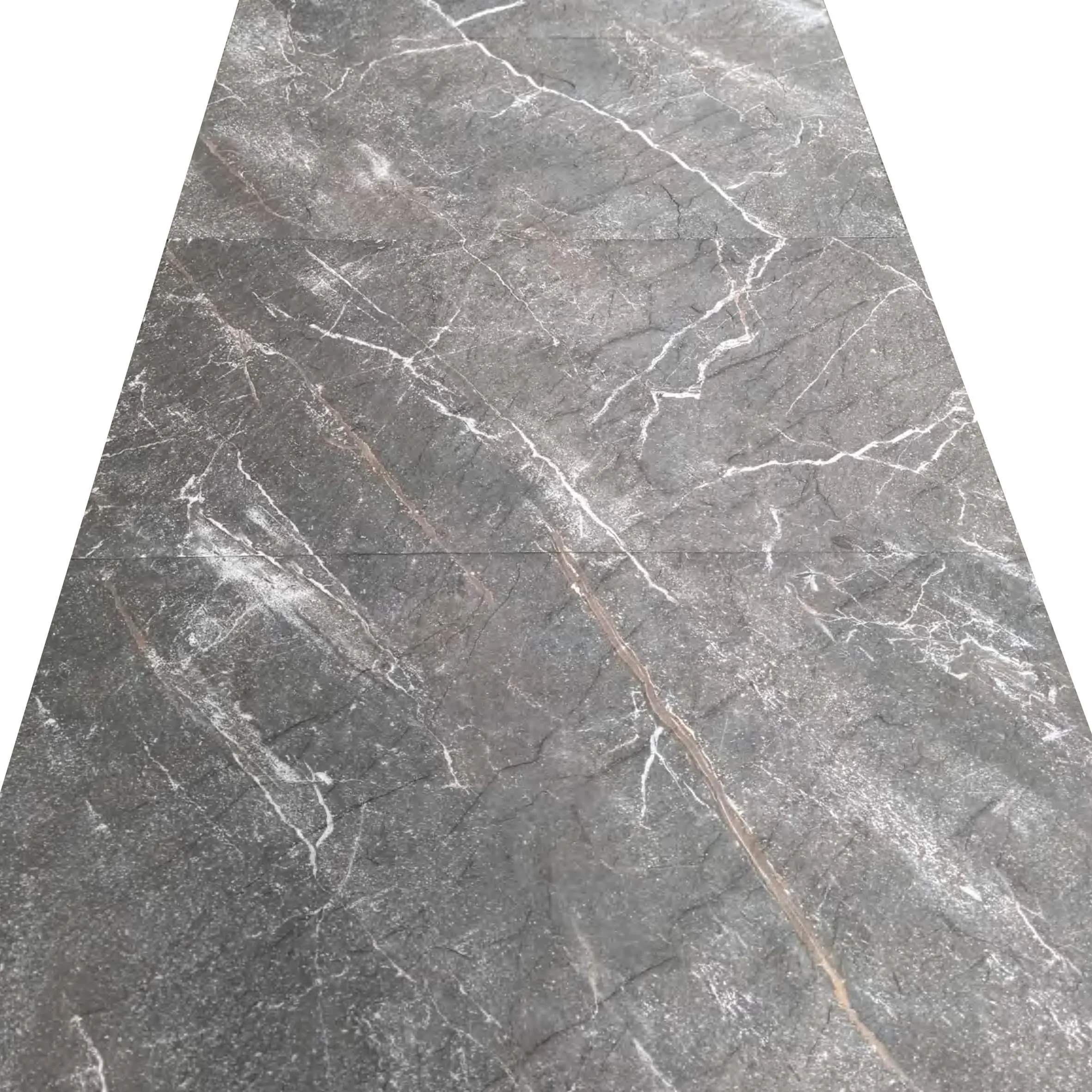
If stone had a red carpet moment, Slate Portoro would be the A-lister. Known for its dramatic contrast—deep, velvety black base slashed with bold gold veins—it's long been a symbol of luxury, gracing the lobbies of five-star hotels and the interiors of high-end residences. But here's the catch: natural Slate Portoro is as temperamental as it is beautiful. Veins vary wildly between slabs, making consistency a nightmare for large projects. Cracks during transportation are common, and cutting intricate patterns often leads to costly waste.
Enter MCM's 3D Printing Series. By digitizing Slate Portoro's iconic pattern, designers can now control every detail: vein thickness, spacing, even the subtle "imperfections" that make natural stone feel alive. Want veins that flow vertically to draw the eye upward? Done. Prefer a random pattern that mimics a quarry-fresh slab? The software can generate thousands of variations. And because it's printed layer by layer, there's zero waste—every ounce of material goes into the final product. Recently, a boutique hotel in Barcelona used this technology to clad their entire facade in Slate Portoro with custom gold veins that spell "GRACIA" (the neighborhood's name) when viewed from the street. The result? A building that's not just a structure, but a landmark.
| Aspect | Natural Slate Portoro | MCM 3D Printed Slate Portoro |
|---|---|---|
| Consistency | Highly variable veins and color | Digitally controlled, uniform patterns |
| Weight | Heavy (25-30 kg/m²) | Lightweight (9-12 kg/m²) |
| Customization | Limited to basic cuts | Unlimited: curves, logos, unique vein designs |
| Waste | Up to 30% waste from cutting/cracking | Near-zero waste (additive manufacturing) |
| Installation | Requires heavy machinery and structural support | Can be installed with basic tools; flexible for curves |
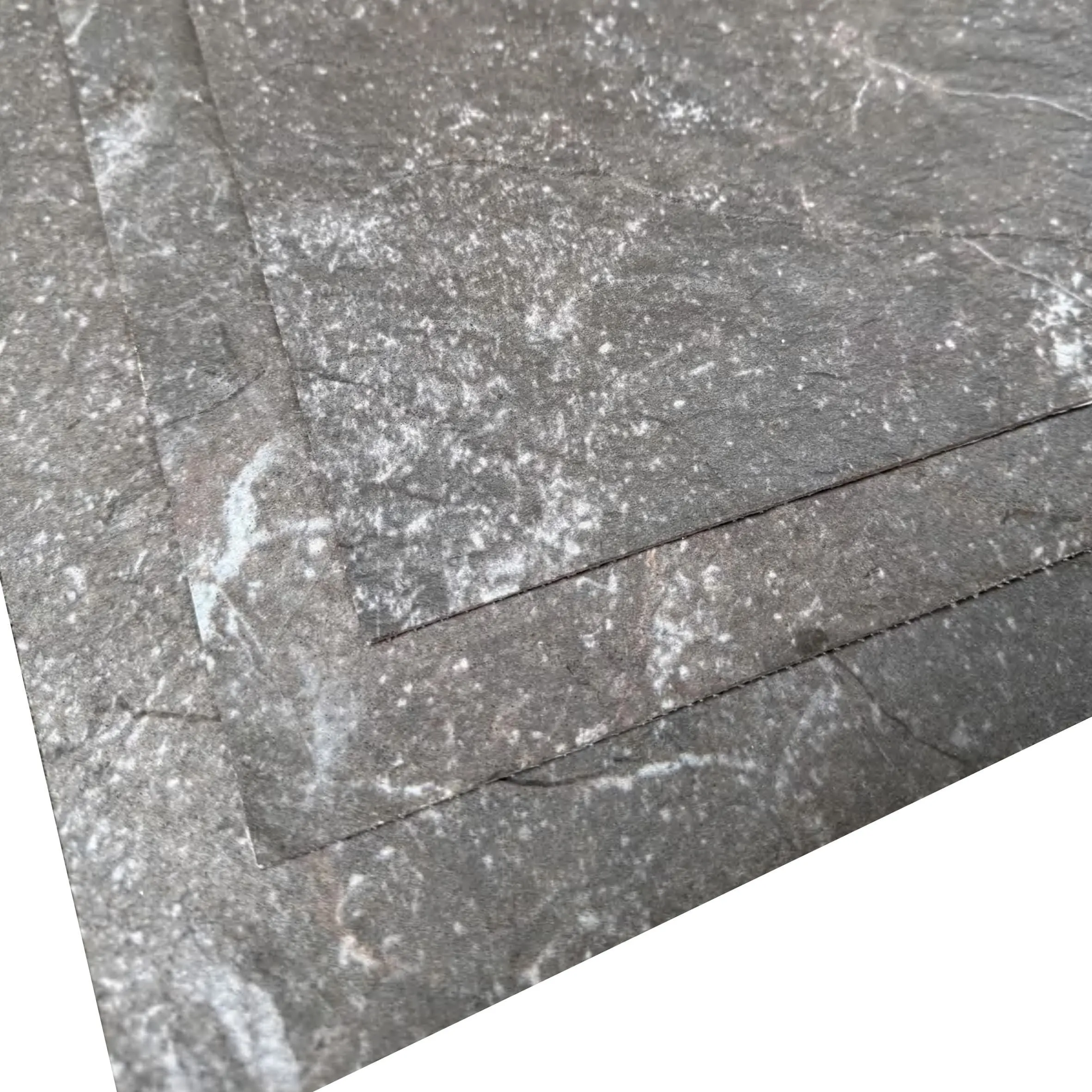
Great design is about balance, and even the most stunning Slate Portoro feature needs a supporting cast. That's where MCM flexible stone steps in. Imagine a restaurant with a 3D printed Slate Portoro bar top—sleek, bold, attention-grabbing. Now picture the walls: not plain drywall, but MCM flexible stone in a soft, textured beige, its surface mimicking weathered sandstone. The contrast is striking, yet harmonious. Flexible stone's secret? It's thin (just 3-5mm thick), lightweight, and can be applied like wallpaper, making it perfect for adding warmth to spaces dominated by 3D printed elements.
One project that nails this balance is a co-working space in Tokyo. The main meeting room features a 3D printed Slate Portoro conference table with gold veins that match the company's branding. The walls? Clad in MCM flexible stone in "Lunar Peak Silvery"—a cool, metallic finish that reflects light, making the room feel larger. The result is a space that's both professional and inviting, where the 3D printed stone commands attention, and the flexible stone wraps the room in comfort. It's a reminder that materials don't just fill space—they shape how we feel in it.
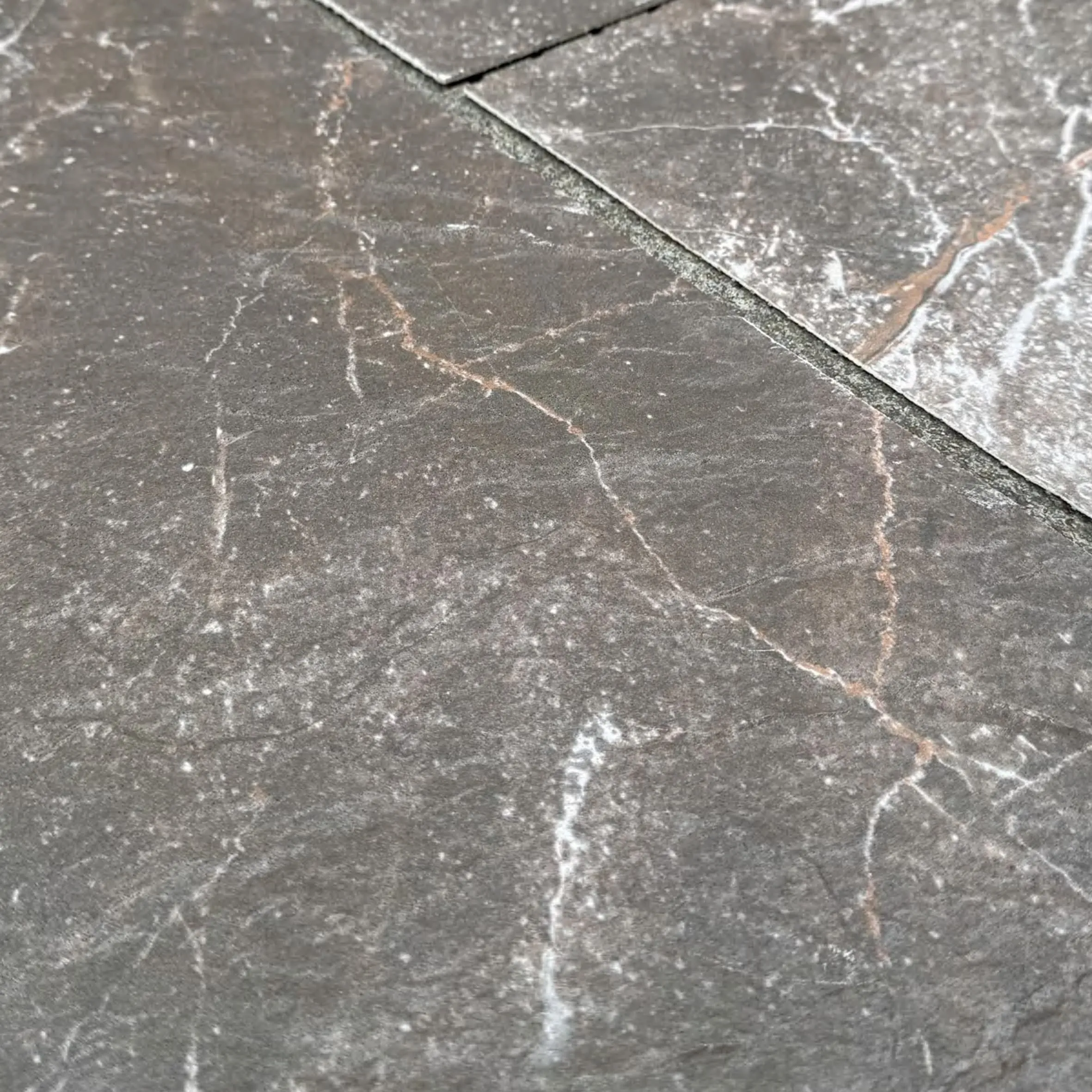
Architecture is a dialogue between past and present, and MCM gets that. That's why the 3D Printing Series plays so well with materials like Historical Pathfinders Stone —a line inspired by ancient cobblestones, weathered castle walls, and the patina of time. Imagine restoring a 19th-century townhouse: the original brick exterior needs repair, but you want to add a modern extension. Instead of clashing styles, MCM's 3D printed Slate Portoro panels can be printed with a "distressed" finish, their edges intentionally rough to mimic the townhouse's aged bricks. Pair that with Historical Pathfinders Stone on the extension's base, and suddenly, the new feels like it's always belonged.
A recent renovation in Prague did just that. The homeowners wanted to preserve the building's historic facade but add a glass-walled sunroom. MCM printed Slate Portoro panels with veins that echo the original stone's color palette, then installed Historical Pathfinders Stone at the sunroom's foundation—its texture so authentic, neighbors thought it was reclaimed from the original construction. "It's not about erasing history," says the project's architect. "It's about letting the past guide the future. MCM's 3D printing lets us do that without compromise."
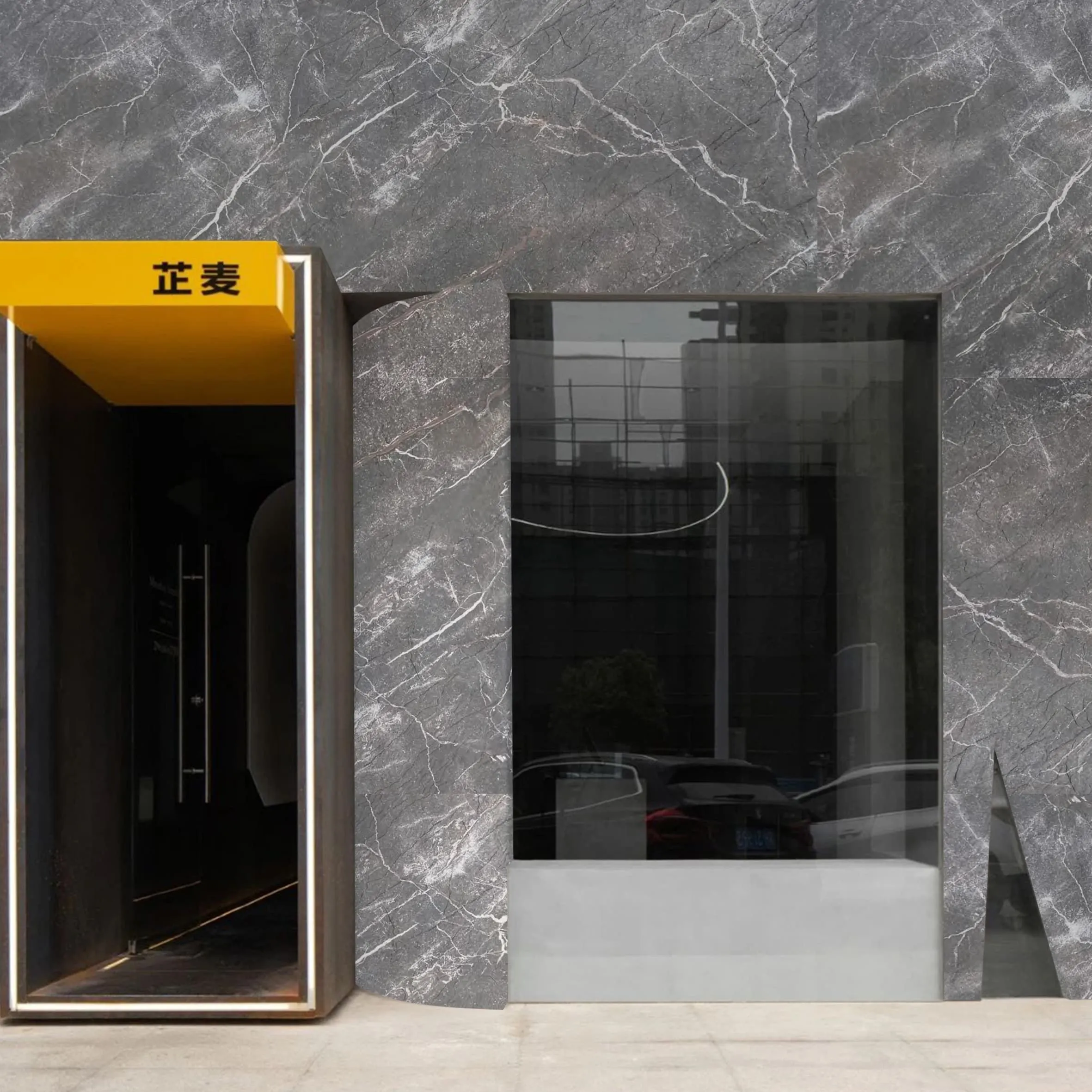
Minimalism isn't just a trend—it's a philosophy. And few materials embody that philosophy like fair-faced concrete —raw, unpolished, and unapologetically industrial. When paired with 3D printed Slate Portoro, the contrast is electrifying: the concrete's cool gray provides a neutral canvas, while the Slate Portoro's gold veins add a jolt of luxury. It's a combo that works everywhere from boutique cafes to tech company offices, proving that modern design doesn't have to be cold.
Take the headquarters of a tech startup in Berlin. Their lobby features a 20-foot wall of fair-faced concrete, its rough texture a nod to the building's industrial past. Cutting through it, like a river of gold, is a 3D printed Slate Portoro accent wall—veins that twist and turn, mimicking the flow of data. Employees often stop to trace the patterns with their fingers, saying it feels "alive." That's the magic of MCM's approach: it doesn't just create surfaces; it creates experiences.
At the end of the day, the MCM 3D Printing Series is about more than technology. It's about giving designers the freedom to be personal. A homeowner in Sydney used it to print Slate Portoro tiles for their kitchen backsplash, each vein matching the constellation of their child's birth. A museum in Paris printed a Slate Portoro exhibit wall with veins that replicate the brushstrokes of a famous painting. These aren't just materials—they're stories, frozen in stone (or rather, in MCM's advanced composite).
So, what's next? Engineers at MCM are already experimenting with integrating lighting into 3D printed panels—imagine Slate Portoro veins that glow softly at night—or embedding sensors that change color with temperature. The possibilities are as limitless as the imagination. Because in the end, architecture isn't about buildings. It's about people. And people deserve spaces that are as unique, as thoughtful, and as full of life as they are.
Whether you're designing a skyscraper or a home office, the MCM 3D Printing Series and custom Slate Portoro patterns remind us: the future of stone isn't just written in code. It's written in the stories we want to tell—and the spaces we want to call our own.
Recommend Products












