
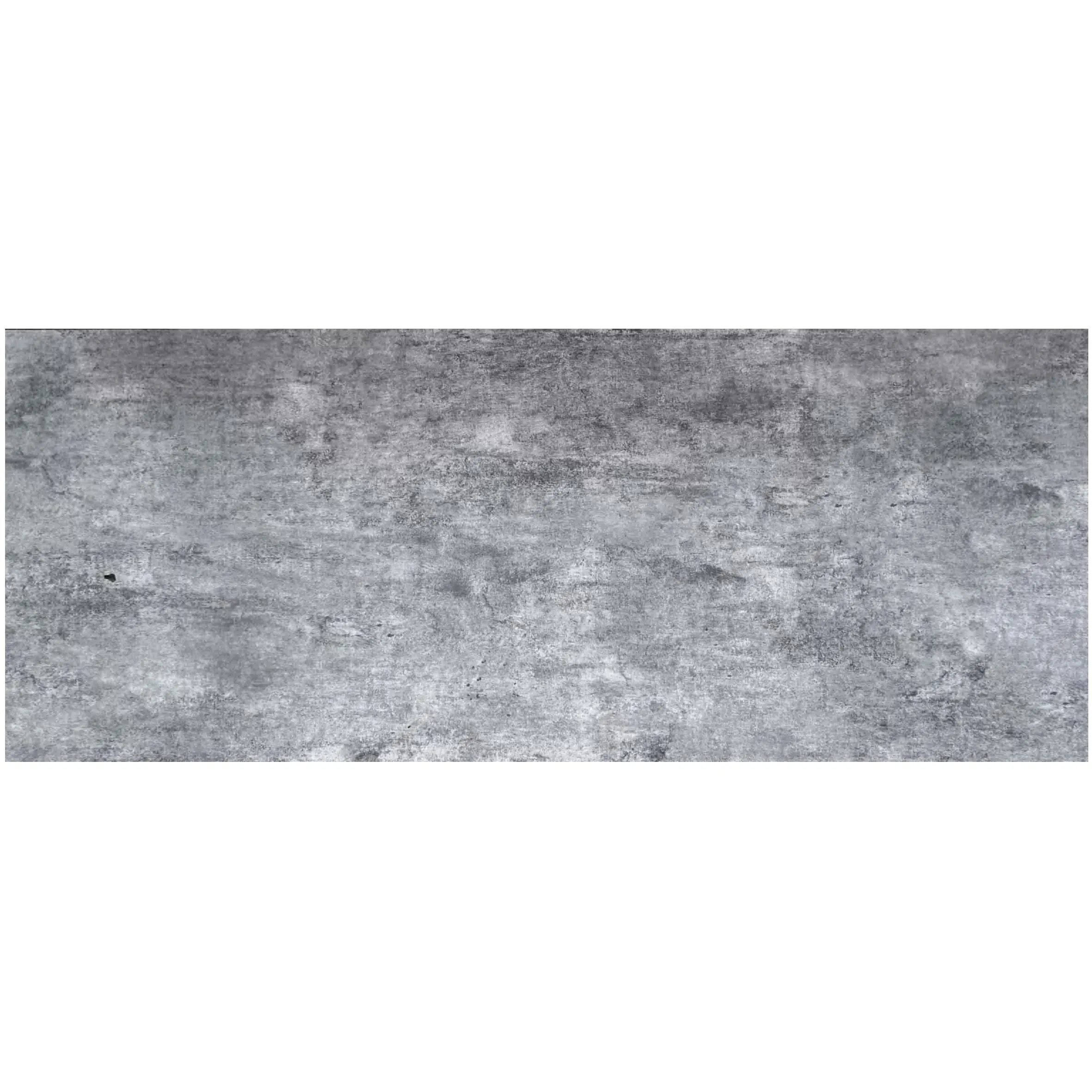
Architecture is more than just walls and roofs—it's the language of space, the silent storyteller of human experience. For centuries, designers have danced with materials, pushing the boundaries of what stone, concrete, and metal can do. Yet, for too long, the script has been limited: heavy materials constrained curves, rigid slabs stifled organic forms, and customization meant exorbitant costs. Enter the MCM 3D Printing Series —a revolution that marries cutting-edge technology with artistic vision, turning once-impossible designs into tangible, breathtaking reality. At the heart of this innovation lies a promise: to set creativity free, one custom shape at a time.
Imagine a world where a concrete wall isn't just a barrier, but a canvas. Where a stone facade doesn't just cover a building, but moves —flowing, curving, breathing with the space it defines. This isn't a distant dream. It's the reality architects and designers are stepping into today, thanks to MCM's pioneering 3D printing technology and its diverse family of materials, from the industrial elegance of polish concrete to the supple versatility of flexible stone and the seamless grandeur of mcm big slab board series . Let's dive into how this series is redefining architectural possibility.
Every designer has a story of compromise. Maybe it was the curved wall that had to become straight because traditional stone was too heavy to bend. Or the custom concrete pattern that got simplified because casting molds were too expensive. For Mia, a residential architect in Chicago, it was a client who dreamed of a kitchen backsplash that mimicked the texture of a riverbed—smooth, undulating, with pockets of light that shifted as the sun moved. "We tried everything," she recalls. "Hand-carved stone was too costly, standard tiles felt flat. Then we discovered MCM's 3D printed polish concrete. Overnight, that riverbed came to life. The client cried when she saw it—not just because it looked beautiful, but because it felt true to her vision."
That's the magic of MCM 3D Printing Series: it turns "what if" into "what is." By leveraging advanced 3D printing techniques and modified composite materials, MCM has unlocked three game-changing advantages:
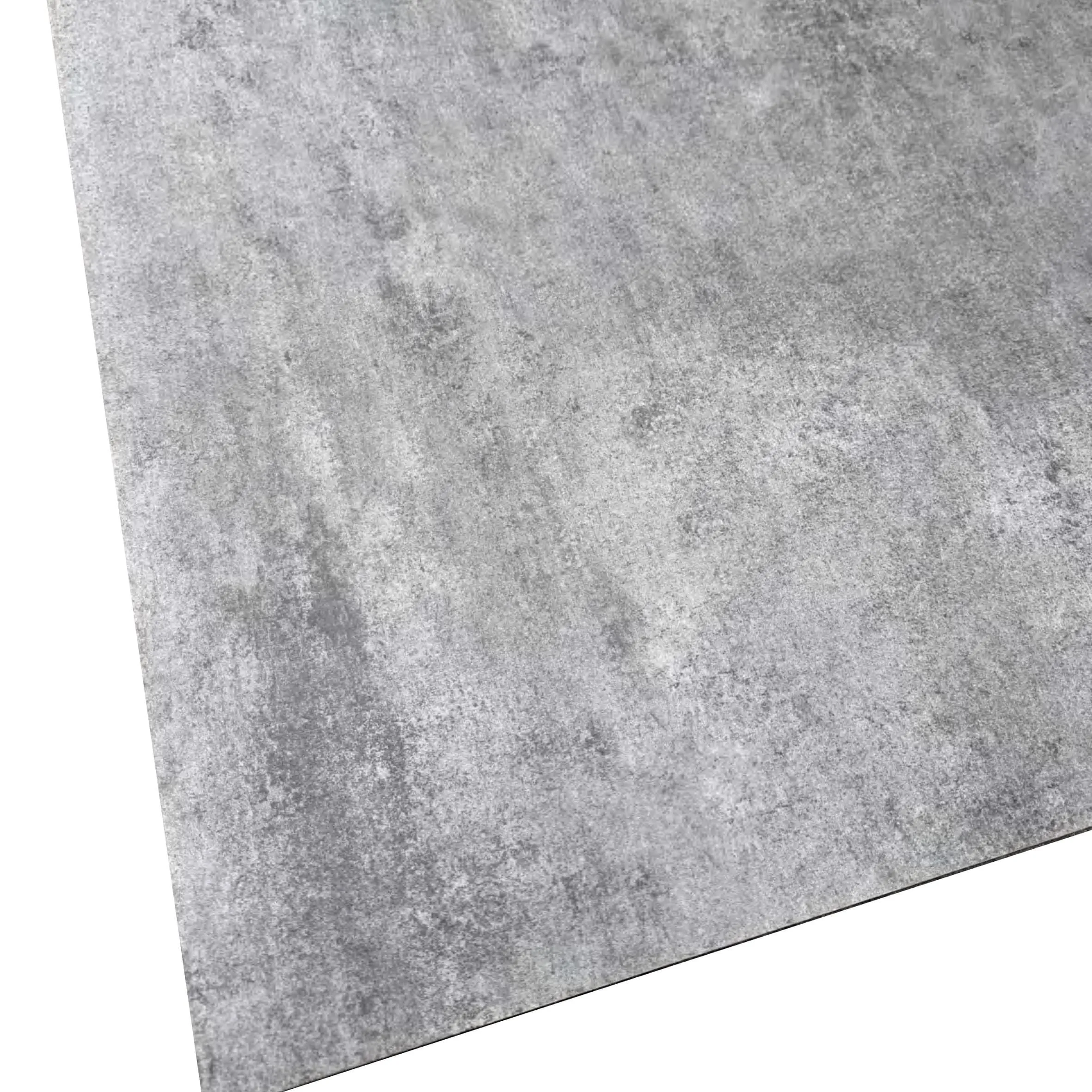
The MCM 3D Printing Series isn't a single product—it's a family of materials, each with its own personality and superpower. Let's shine a light on the standouts that are making waves in the industry.
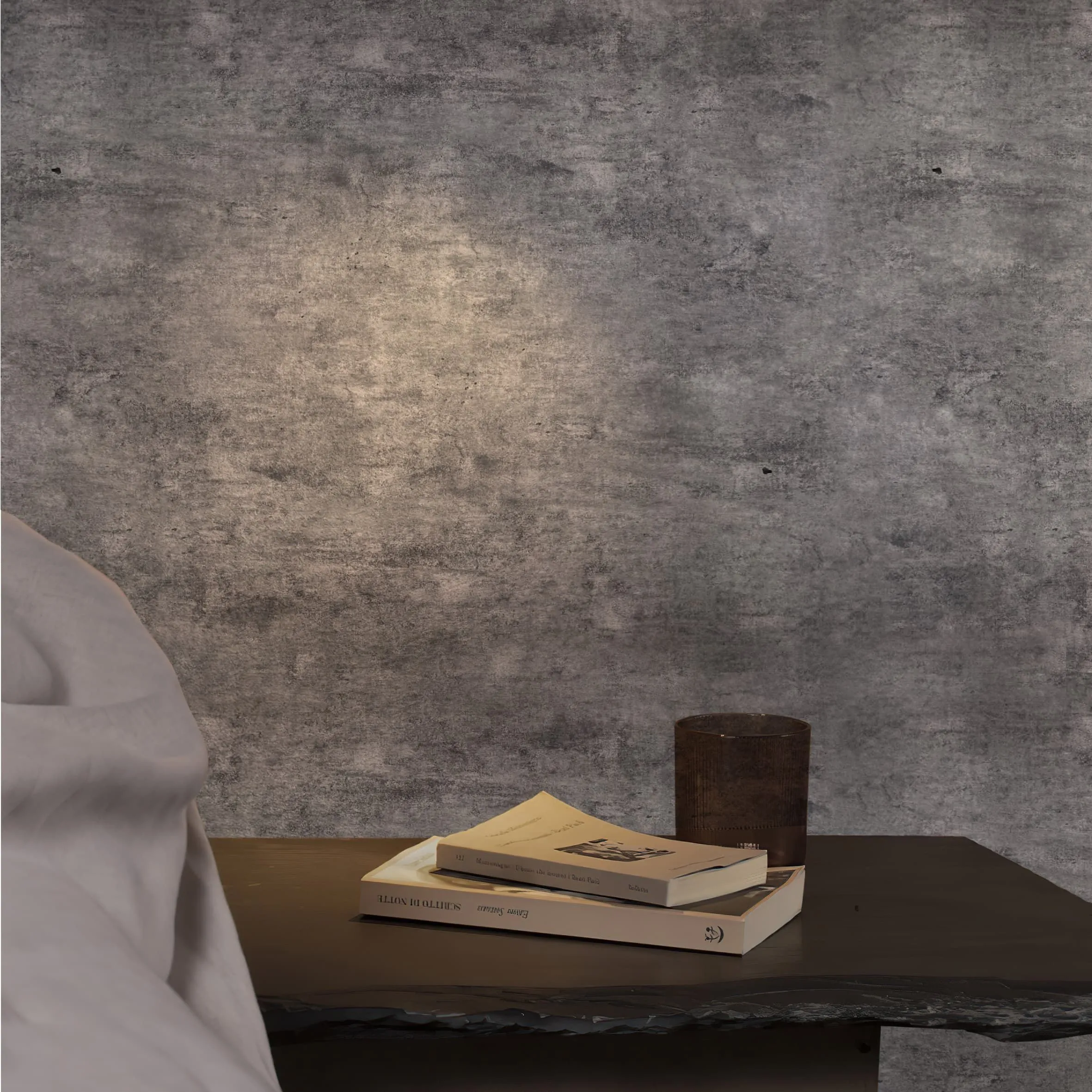
Polish concrete has long been loved for its raw, utilitarian beauty—the kind that turns lofts into galleries and warehouses into cafes. But MCM's 3D printed polish concrete takes this classic to new heights. Imagine a conference room where the walls aren't just painted or paneled, but sculpted from polish concrete, with 3D-printed geometric indentations that cast shadows like a modern art installation. Or a retail space where the checkout counter is a single, seamless piece of polish concrete, curved to cradle customers as they pay. That's the versatility here.
What sets MCM's version apart? It's not just about the polish (though the high-gloss finish reflects light in a way that warms even the coldest spaces). It's the precision. 3D printing allows for micro-details: tiny grooves that mimic the grain of weathered wood, subtle ridges that catch dust like a desert landscape, or custom logos embedded directly into the surface. And because it's printed in layers, it's surprisingly lightweight—so you can install it on ceilings, feature walls, or even furniture without structural overhauls.
"We used MCM polish concrete for a tech startup's office," says Raj, an interior designer in San Francisco. "They wanted that 'raw yet refined' vibe, but with a twist. We printed the reception desk with a 3D wave pattern that runs from the floor to the ceiling. When clients walk in, they don't just see a desk—they see a statement. It's become the centerpiece of their brand."
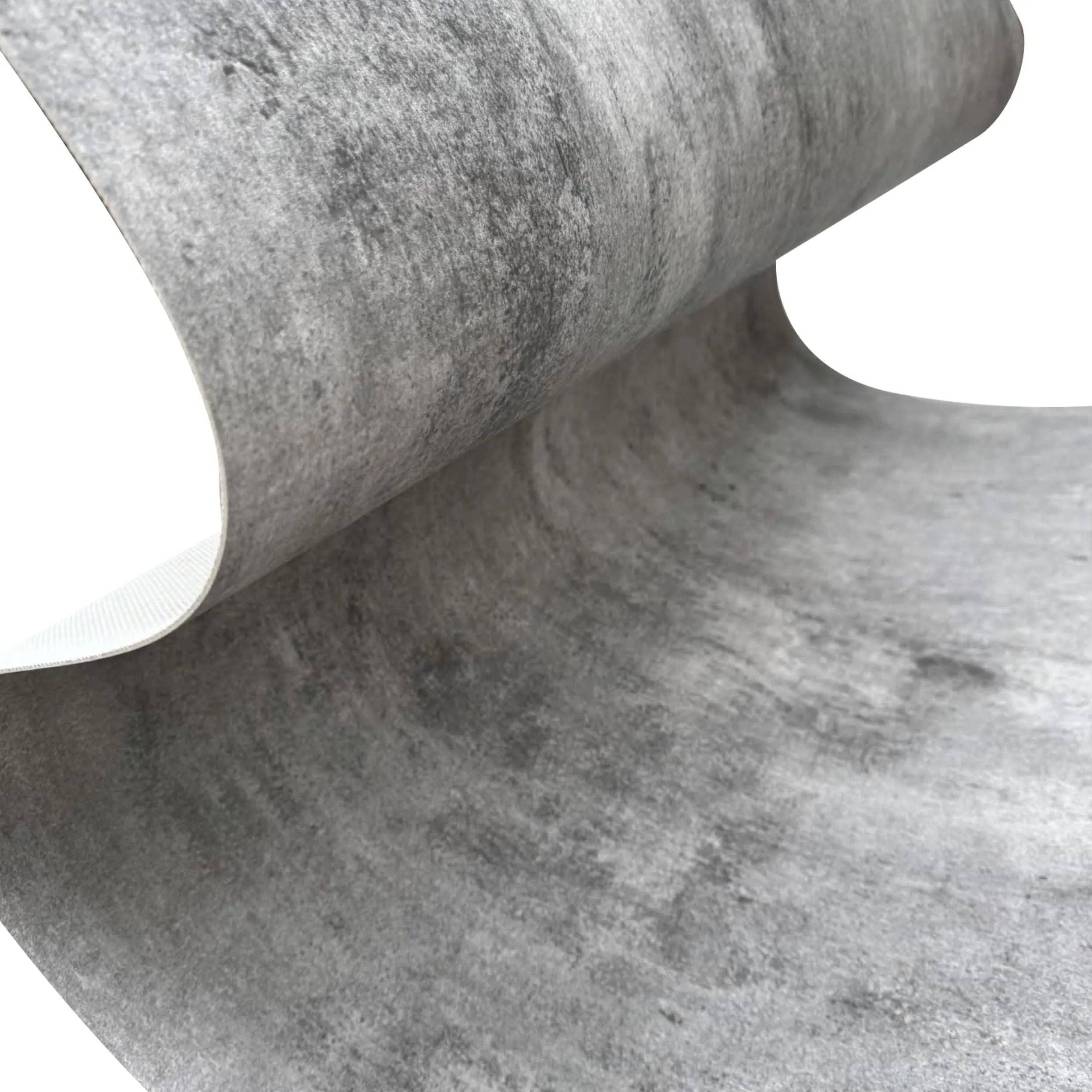
Stone is timeless, but it's also unforgiving. Until now. Flexible stone from MCM's 3D Printing Series is a revelation: a composite material that looks and feels like natural stone—cool to the touch, with the same depth of color and texture—but bends like rubber. "It's like holding a piece of history in your hands that suddenly learned to dance," says Elena, a historic preservationist who used it to restore a 1920s theater in Boston. "The original facade had these delicate, curved archways that had crumbled over time. Traditional stone would have required massive scaffolding and months of labor. MCM's flexible stone? We printed it to match the original texture, bent it to the arch's curve, and installed it in days. It's indistinguishable from the original—but stronger."
Flexible stone isn't just for restoration. It's for innovation. Think of a restaurant with a ceiling that curves like a wave, lined with flexible stone in travertine (starry green) —a variant that shimmers with flecks of iridescent green, like sunlight on a forest pond. Or a hotel lobby where the walls aren't flat but cocoon guests, wrapped in flexible stone that mimics the softness of sand dunes. And because it's made from a modified composite (a blend of natural stone particles and high-strength polymers), it's resistant to cracks, chips, and moisture—so it works in bathrooms, outdoor patios, or even swimming pool surrounds.
The best part? It's affordable. Traditional curved stone requires custom cutting and shaping, which can cost 3–4 times more than flat slabs. MCM flexible stone, printed in large sheets that bend on-site, slashes installation time and labor costs. "We saved a client over $50,000 on a retail project by using flexible stone instead of custom-cut marble," Elena adds. "And they got a better result. The stone flows like fabric, not like a jigsaw puzzle."
There's power in scale. A single slab of stone that stretches from floor to ceiling, unbroken by grout lines or seams. It's the kind of grandeur that makes cathedrals feel and museums feel timeless. But traditional big slabs are heavy—we're talking tons—and installing them requires cranes, reinforced structures, and a small army of workers. MCM's big slab board series changes that.
These slabs are massive—up to 12 feet long and 6 feet wide—but thanks to MCM's composite technology, they weigh a fraction of natural stone. That means you can create seamless walls, floors, or countertops without the logistical nightmare. Imagine a living room where the entire back wall is one slab of travertine (starry blue) , its surface dotted with tiny, iridescent "stars" that glow under LED lights. Or a kitchen where the countertop and backsplash are a single piece of lunar peak silvery , a slab that shimmers like moonlight on snow. No seams, no gaps—just pure, uninterrupted beauty.
"We used the big slab series for a luxury villa in the Maldives," says Zoe, a hospitality designer. "The client wanted the master bathroom to feel like a cave carved from a single stone. With traditional slabs, that would have been impossible—we would have needed 20+ pieces. MCM's big slabs let us do it in 3. The result? A space that feels both intimate and infinite. Guests say it's like bathing in a moonlit grotto."
Travertine has been a favorite since ancient Rome—think the Colosseum, with its warm, porous surface that weathers like a storyteller's face. But MCM isn't just honoring that legacy; they're reimagining it. The travertine (starry green) variant, for example, takes the classic travertine texture and infuses it with tiny, reflective particles that catch light like fireflies. It's ancient and futuristic, all at once.
3D printing takes this further. Traditional travertine is quarried, cut, and polished—but MCM prints it, layer by layer, allowing for custom textures. Want a slab that looks like it was eroded by a thousand years of rain? Print deeper pores. Prefer a smoother surface with subtle waves? Adjust the printer's settings. And because it's printed, there's no waste—unlike quarrying, which leaves tons of stone unused.
"We used travertine (starry orange) for a community center in Arizona," says Marcus, a public architect. "The desert sun is harsh, but this material holds up. And the color—warm, earthy, with those little orange 'stars'—it feels like bringing the desert indoors. Kids run their hands over it, tracing the pores like they're mapping constellations. It's not just a wall anymore; it's a teaching tool."
| Material | Key Features | Ideal Applications | Aesthetic Appeal |
|---|---|---|---|
| Polish Concrete | High-gloss finish, 3D-customizable patterns, lightweight, durable | Offices, retail spaces, residential feature walls | Industrial chic with a refined edge; reflects light to warm spaces |
| Flexible Stone | Bendable (up to 90-degree curves), natural stone texture, moisture-resistant | Curved walls, historic restorations, bathrooms, outdoor patios | Timeless stone beauty with organic, flowing forms |
| Big Slab Board Series | Seamless (up to 12'x6'), lightweight, minimal installation | Luxury homes, hotels, museums, grand lobbies | Grand, uninterrupted surfaces; evokes cathedral-like grandeur |
| Travertine (Starry Green) | Porous texture, iridescent "star" particles, 3D-printed custom pores | Community spaces, feature walls, outdoor gardens | Ancient warmth meets celestial wonder; glows in natural light |
| Foamed Aluminium Alloy Board (Vintage Silver) | Metallic sheen, lightweight, corrosion-resistant | Modern offices, tech hubs, accent panels | Industrial elegance with a retro-futuristic twist; reflects light dynamically |
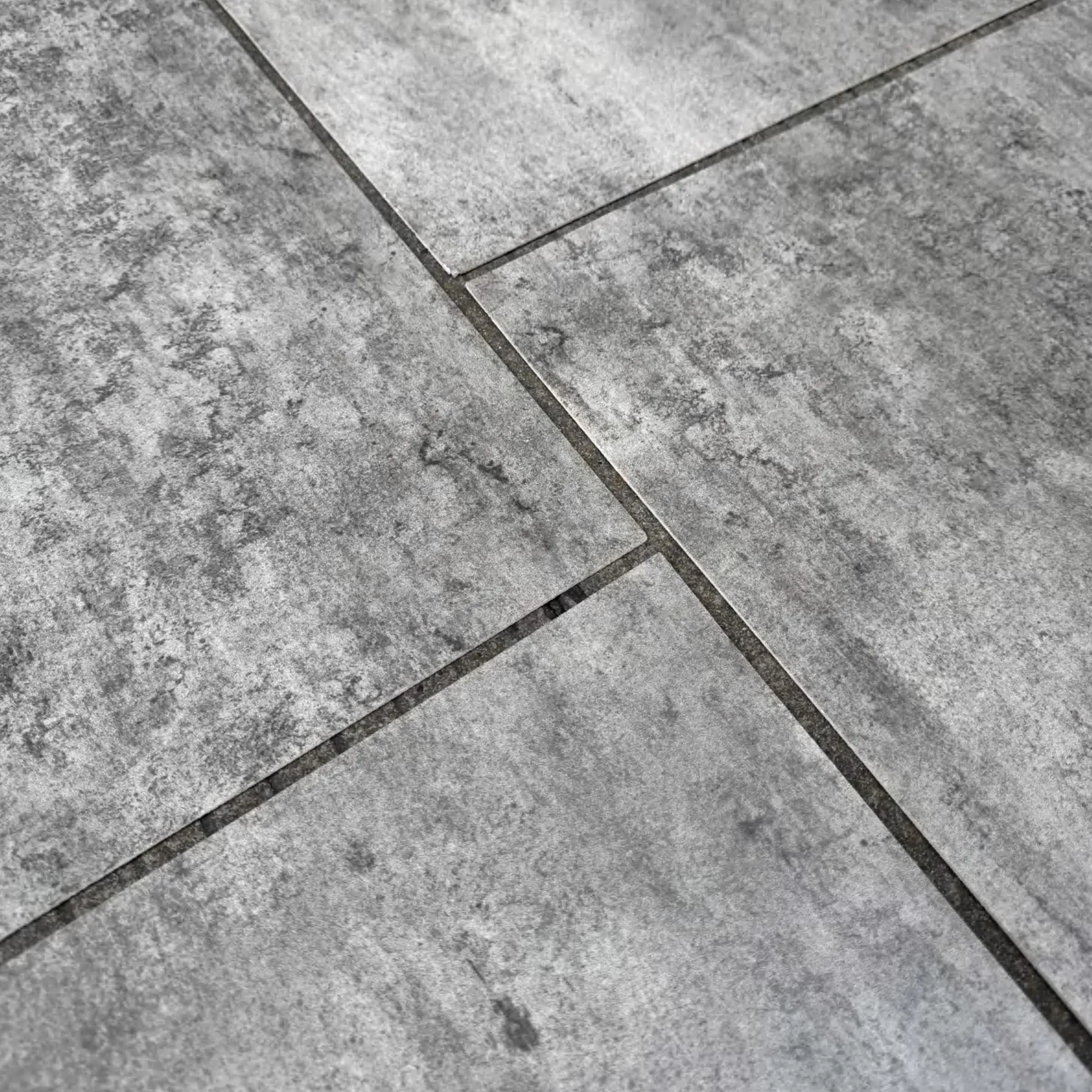
In a world where "green" is no longer a trend but a responsibility, MCM's 3D Printing Series delivers on sustainability, too. Let's start with weight: lighter materials mean less fuel is used during transportation. A standard MCM big slab weighs about 30 pounds per square foot, compared to natural stone's 150+ pounds. That's a 75% reduction in carbon emissions from shipping alone.
Then there's durability. These materials are built to last. The composite formula resists scratches, stains, and UV rays—so they won't fade in sunlight or discolor from spills. "We installed MCM flexible stone on a restaurant patio in Miami," says Raj. "Saltwater, humidity, rain—nothing phases it. After three years, it still looks brand new. Traditional stone would have needed sealing every six months. This? Just a quick hose-down."
And let's not forget waste. 3D printing is additive, not subtractive—meaning you only use the material you need. Traditional stone quarrying wastes up to 50% of the extracted stone; MCM's process wastes less than 5%. Some variants, like the foamed aluminium alloy board (vintage gold) , even incorporate recycled metals, giving new life to old materials.
The MCM 3D Printing Series isn't just for architects or developers. It's for anyone who believes spaces should tell a story. Homeowners can finally get that custom fireplace they've sketched on napkins. Small businesses can compete with big brands by creating memorable, Instagram-worthy interiors. Public spaces—libraries, parks, community centers—can become places that inspire, not just function.
"I'm a homeowner, not a designer," says Priya, who used MCM polish concrete for her home office. "I wanted a desk that felt like an extension of me—something bold, but not flashy. MCM let me upload a sketch of what I wanted, and they printed it. Now, when I sit down to work, I don't just see a desk. I see proof that my vision mattered. That's powerful."
The MCM 3D Printing Series is just the beginning. As technology advances, we can expect even more innovation: materials that change color with temperature, surfaces that absorb sound to quiet busy spaces, or even self-healing composites that repair small cracks over time. But for now, the message is clear: the days of compromising on design are over. With MCM, you don't have to choose between beauty and practicality, creativity and cost, tradition and innovation.
Architecture is about connection—between people and spaces, between past and future, between dreams and reality. The MCM 3D Printing Series doesn't just build walls; it builds bridges. Bridges between what was and what can be. So whether you're an architect drafting your next masterpiece, a designer hunting for that perfect material, or a homeowner ready to turn a house into a home, remember this: with MCM, the only limit is your imagination. And in a world that needs more beauty, more story, more heart—isn't that exactly what we need?
Recommend Products












