
Walk through any modern city, and you'll notice a quiet revolution happening on building facades, in hotel lobbies, and even in residential courtyards. Architects and designers are no longer satisfied with flat, uniform surfaces or repetitive patterns. They're craving something more: designs that tell stories, that play with light and shadow, that feel alive with intricate details. But here's the catch: traditional building materials—think heavy stone slabs, rigid concrete panels, or fragile ceramic tiles—have always been the gatekeepers of this creativity. Want a facade with 1mm-thin, winding lines? A ceiling with a maze of interconnected geometric shapes? Historically, you'd either have to compromise on precision, blow the budget on custom craftsmanship, or abandon the idea altogether.
This gap between vision and execution is where the MCM 3D Printing Series steps in. It's not just a new product line; it's a shift in how we think about what building materials can do. And at the heart of this shift is a material that's turning heads in design circles: Fine Line Stone (White). But before we dive into its specifics, let's talk about why "complexity" in design matters now more than ever. In a world saturated with generic architecture, uniqueness is currency. A hotel with a facade that looks like a frozen waterfall of light, a restaurant wall that mimics the texture of ancient calligraphy—these aren't just aesthetic choices. They're emotional ones. They make spaces memorable, they connect people to place, and they turn buildings into landmarks. The problem? Traditional materials were never built for that level of detail. Until now.
MCM has long been a name synonymous with pushing boundaries. From their flexible stone panels that bend around curves to their lightweight yet durable claddings, the brand has a history of solving the "unsolvable" problems in architecture. The 3D Printing Series takes that legacy and cranks it up a notch. At its core is a simple but game-changing idea: use 3D printing technology to sculpt building materials with the precision of a watchmaker and the scale of a skyscraper. No more relying on molds that limit shape, or chisels that risk breaking delicate details. Instead, layer by layer, the series builds materials that can replicate the complexity of nature—think the veins in a leaf, the ripples in a stream—or the sharp precision of human-made art, like the lines in a minimalist painting.
What makes this series different from other 3D-printed building materials? For starters, it's not about plastic or experimental composites. MCM's 3D Printing Series works with the materials designers already love: stone, concrete, metal-infused blends. But it reimagines how those materials are formed. Take MCM flexible stone, a staple in their lineup—known for being thin, lightweight, and bendable. Now, pair that flexibility with 3D printing's ability to create micro-details, and you get materials that can be both intricate and adaptable. Imagine a panel that has the texture of lunar peak silvery (that matte, otherworldly sheen) but with fine lines so precise they look like they were drawn with a pen. That's the magic of this series: it marries the organic warmth of natural materials with the precision of digital design.
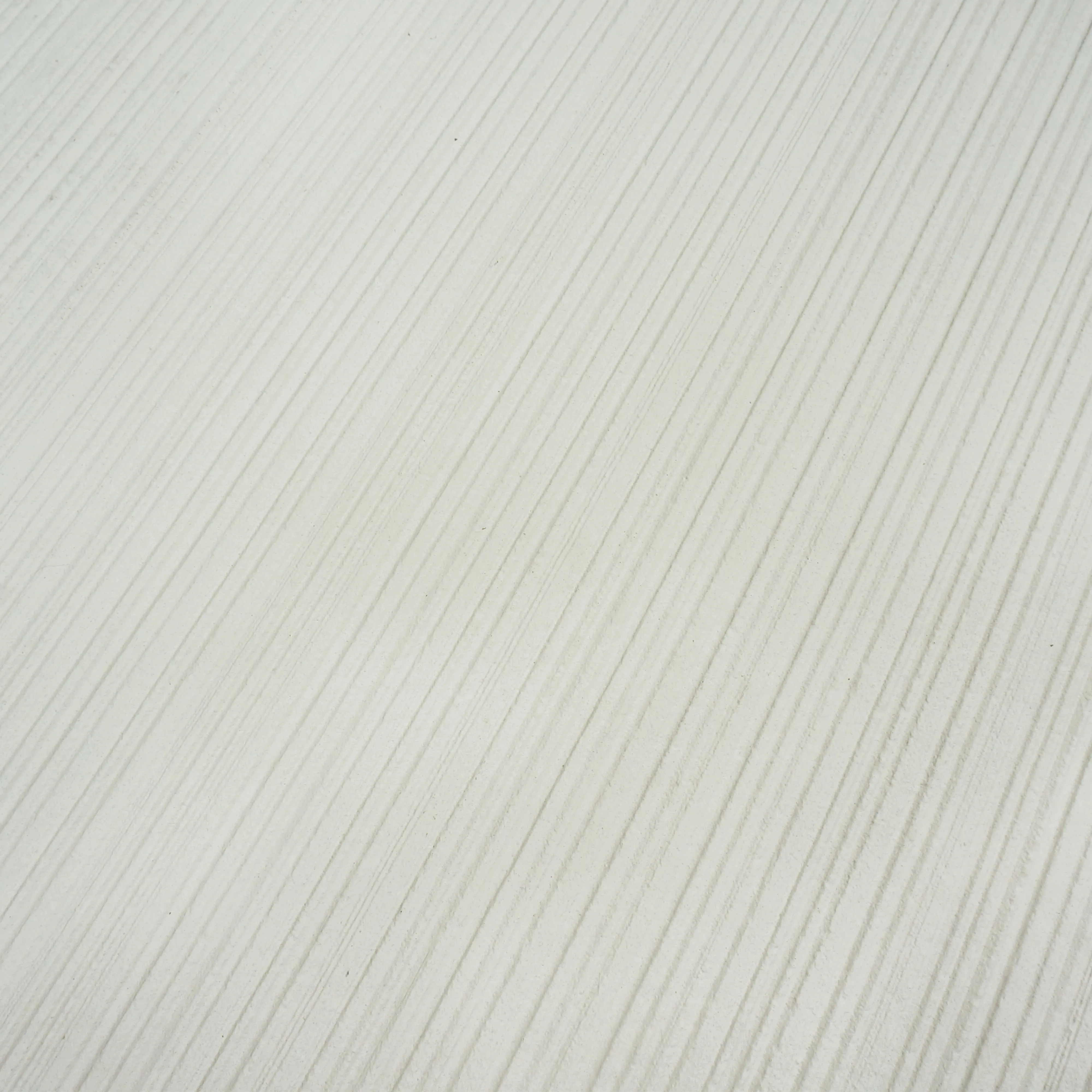
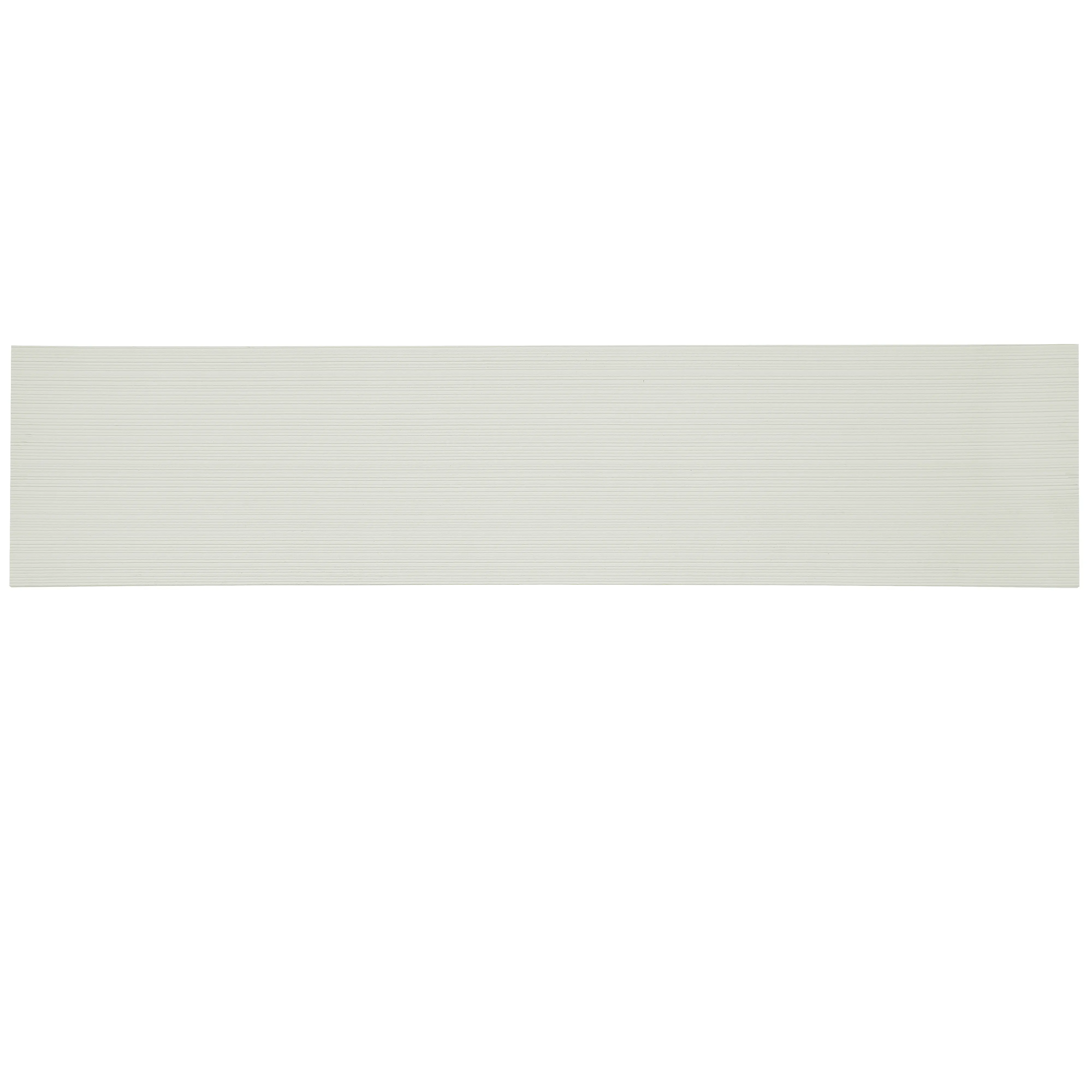
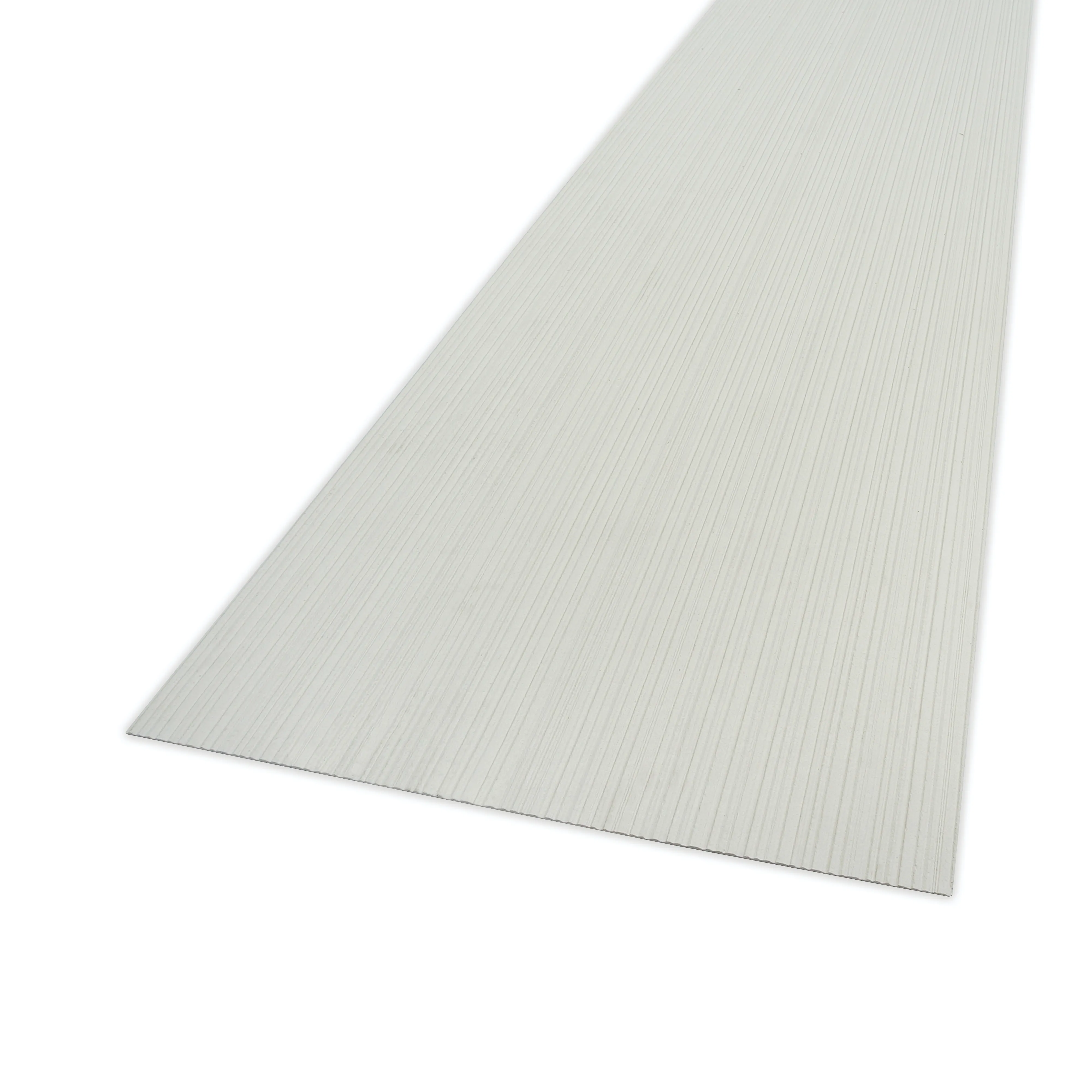
If the MCM 3D Printing Series is a symphony, Fine Line Stone (White) is its lead violinist. It's not just another white panel; it's a canvas for precision. Let's start with the obvious: its color. "White" might sound simple, but this isn't the stark, clinical white of a hospital wall. It's a warm, creamy off-white with subtle undertones that shift with light—think the soft glow of travertine (starry blue) but in a lighter palette. What truly sets it apart, though, is its namesake: the "fine lines." These aren't just any lines. We're talking about 0.5mm to 2mm width, consistent across entire panels, with edges so sharp they could cut a shadow. Traditional stone cutting? It would chip those lines. Cast concrete? It would blur the edges. Even CNC machining struggles with such delicacy on brittle materials. But 3D printing? It lays down each layer with the accuracy of a 3D printer nozzle, ensuring those lines stay crisp, whether they're straight, curved, or spiral.
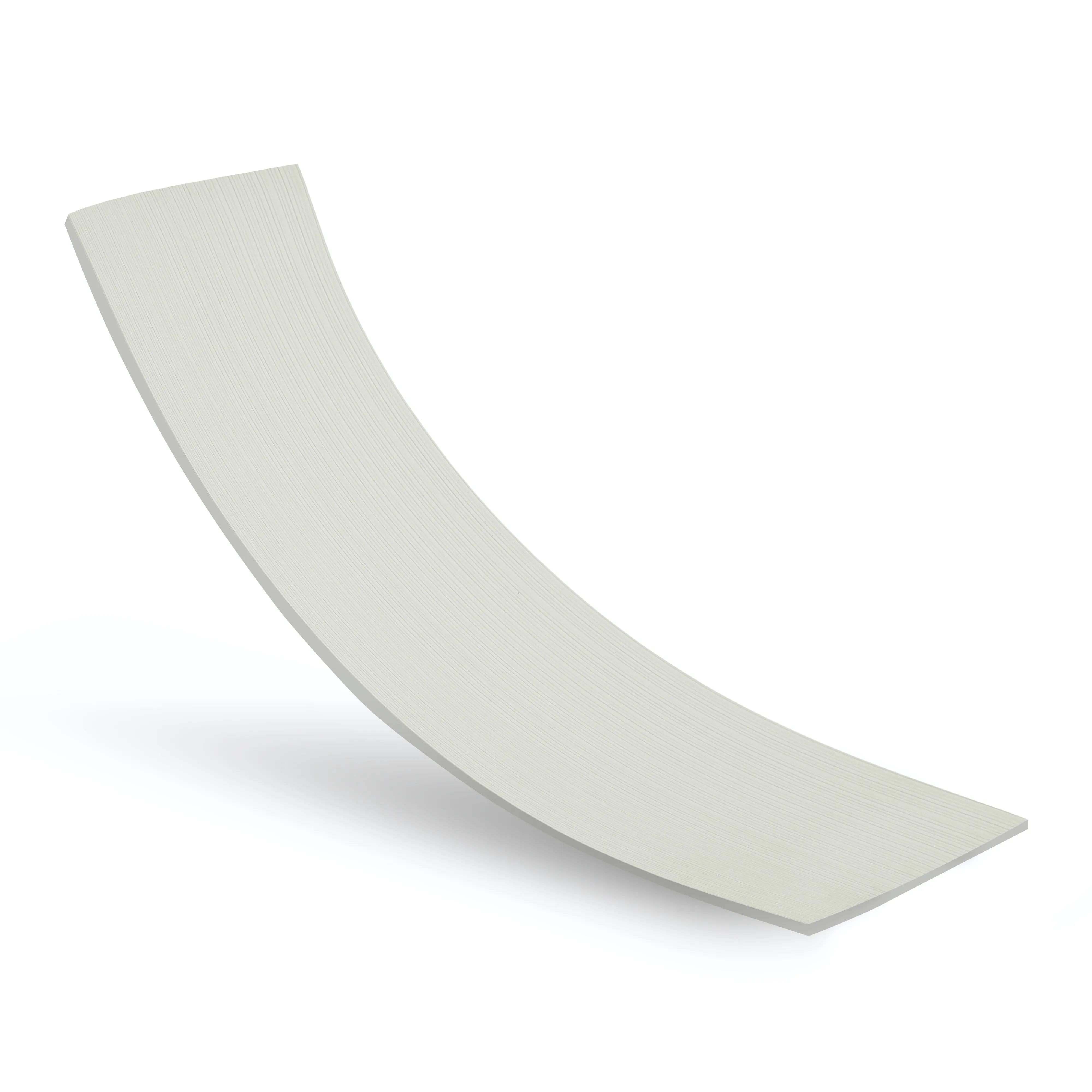
But Fine Line Stone (White) isn't just about looks. Let's get technical for a second. It's made from a blend of natural stone aggregates, reinforced polymers, and MCM's proprietary binding agents—all 3D printed layer by layer. The result? A panel that's 70% lighter than traditional marble, flexible enough to wrap around a 30cm radius curve, and durable enough to withstand harsh weather (UV rays, rain, even the occasional hailstorm). Installers love it, too. Unlike heavy stone slabs that require cranes and teams of workers, these panels are lightweight enough for two people to carry and install with basic tools. And because the 3D printing process allows for pre-cut slots and mounting points, installation time is cut by up to 40% compared to custom stonework.
One of the most striking things about Fine Line Stone (White) is how it interacts with light. Those fine lines act like mini light channels. In the morning, when the sun is low, they cast delicate shadows that dance across the surface, making the facade look like it's breathing. At noon, the bright light highlights the texture of the stone itself—tiny grains that add depth without overwhelming the clean lines. And at night? When lit from below, the lines glow like constellations, turning a building into a piece of art. It's this interplay of light, texture, and precision that has designers calling it "the material of quiet drama."
Let's be real: as much as designers love beauty, they also need materials that make sense. A stunning facade that cracks in a year, or costs a fortune to repair, isn't a solution—it's a liability. That's where Fine Line Stone (White) shines. Let's compare it to some common alternatives to see why it's becoming a go-to for complex designs.
| Feature | Fine Line Stone (White) | Fair-Faced Concrete | Wood Grain Board | Traditional Marble |
|---|---|---|---|---|
| Line Precision | 0.5mm-2mm sharp lines, consistent across panels | Blurred edges, minimum 5mm line width | Grain limits precision; lines often uneven | Prone to chipping; lines >3mm |
| Weight (per sqm) | 12kg | 25kg | 18kg | 45kg |
| Flexibility | Bends to 30cm radius | Rigid, no flexibility | Limited (small curves only) | Brittle, no flexibility |
| Installation Time | 2 hours per sqm (2 workers) | 4 hours per sqm (3 workers) | 3 hours per sqm (2 workers) | 5+ hours per sqm (4 workers) |
| Durability (Expected Lifespan) | 25+ years | 20 years (prone to cracking) | 15 years (fades, warps) | 50+ years (but high maintenance) |
| Sustainability | Recyclable materials, low waste production | High carbon footprint (cement production) | Dependent on wood source (may involve deforestation) | Mining-intensive, high waste |
Take fair-faced concrete, for example. It's a classic for modern designs, but it struggles with fine details. The lines blur, and if you want a pattern, you need custom molds—which are expensive and time-consuming to make. Wood grain board has warmth, but it warps with moisture, and those "fine lines" would get lost in the natural wood grain. Traditional marble? Gorgeous, but heavy, brittle, and so expensive that most projects can't afford custom detailing. Fine Line Stone (White) hits that sweet spot: it has the premium look of stone, the precision of digital design, and the practicality of a lightweight, durable material.
Sustainability is another big plus. The 3D printing process produces minimal waste—only the exact amount of material needed is used, and any scraps are recycled back into the production line. Compare that to traditional stone cutting, where up to 50% of the raw stone is wasted as dust or offcuts. Plus, because the panels are lightweight, transportation emissions are lower, and the reduced installation time means fewer labor hours and less energy used on-site. It's a material that lets designers create responsibly without sacrificing vision.
Let's take a look at how Fine Line Stone (White) is being used in the real world. Meet Hotel Aurora, a 30-room boutique hotel in Barcelona's trendy El Born neighborhood. The designer, Maria López, wanted the facade to reflect the neighborhood's mix of historic architecture and modern art. Her vision? A "silent symphony"—a facade covered in musical staff lines and tiny note-shaped cutouts, all in white, that would play with light throughout the day.
The problem? Traditional materials couldn't handle the precision. "We needed 1mm lines for the staff, and note shapes with 2mm edges," Maria explains. "Marble was too heavy and would chip. Concrete molds would blur the notes. We even considered laser-cut metal, but it would overheat and warp the lines." Then, her team discovered Fine Line Stone (White). "It was like the material was made for this project," she says. "We 3D modeled the entire facade, sent the files to MCM, and two weeks later, the panels arrived. The lines were perfect—sharp, consistent, exactly as we designed."
The result? A facade that's become a local landmark. In the morning, the low sun casts long shadows from the notes, making them look like they're floating. At noon, the white panels glow, highlighting the texture of the stone. And in the evening, when the hotel's exterior lights turn on, the note cutouts light up, turning the facade into a sheet of music come to life. "Guests take photos of it every day," Maria laughs. "And the best part? Installation took just 5 days with a small team. We finished under budget and ahead of schedule. I've already specified Fine Line Stone (White) for my next project—a restaurant with a geometric ceiling."
Fine Line Stone (White) is just the beginning. The MCM 3D Printing Series is already expanding, with plans for custom color matching (imagine Fine Line Stone in rusty red or skyline stone blue), and even multi-material printing—combining stone with foamed aluminium alloy board (vintage gold) for a metallic-accented look. Designers are also experimenting with parametric designs—patterns that change based on sun exposure, or panels that interlock like puzzle pieces, creating 3D textures that traditional materials can't replicate.
But perhaps the biggest takeaway from the series is this: technology doesn't have to kill craftsmanship. In fact, it can enhance it. 3D printing isn't replacing the designer's eye or the artisan's touch; it's giving them new tools to bring their boldest ideas to life. It's allowing us to build not just buildings, but experiences—spaces that surprise, delight, and connect with people on a deeper level.
Take, for example, the emerging trend of "tactile architecture"—designs that invite touch. Fine Line Stone (White)'s lines, though sharp, have a smooth texture that begs to be run over with a hand. Imagine a children's hospital wall printed with braille stories, or a museum exhibit where the walls themselves are part of the art, with textures that tell a story. With 3D printing, these ideas aren't just possible—they're accessible.
In the end, architecture is about more than function. It's about expression. It's about leaving a mark, telling a story, and creating spaces that make us feel something. For too long, the gap between what designers imagined and what materials could deliver has held back that expression. The MCM 3D Printing Series, and Fine Line Stone (White) in particular, is closing that gap. It's a material that says, "Your vision is worth building—and we can build it, precisely, practically, and beautifully."
So to all the designers, architects, and dreamers out there: the next time you sketch a complex pattern, a delicate line, or a bold texture, don't ask, "Can this be built?" Ask, "How will I build it with Fine Line Stone (White)?" Because with the right material, the only limit is how far you're willing to imagine.
Recommend Products












