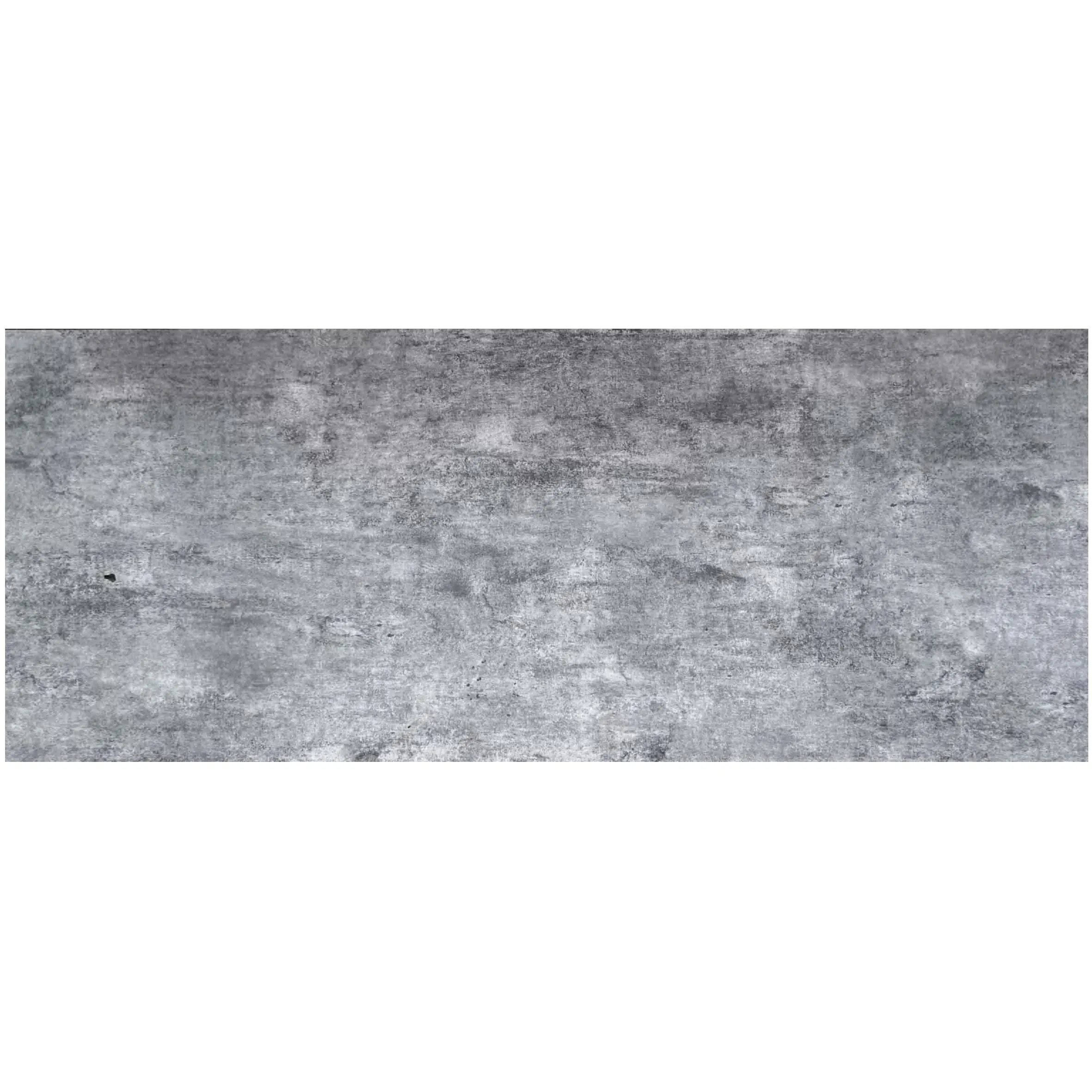
The Language of Spaces: Why Materials Matter
Walk into a room, and before you notice the furniture or lighting, you feel the walls. They whisper stories through their texture—the roughness of a stone, the smoothness of concrete, the warmth of wood. For decades,
polish concrete has been a staple in this narrative, prized for its sleek minimalism and industrial charm. But like any well-loved story, it was due for a plot twist. Enter the
MCM 3D printing series
—a innovation that doesn't just enhance
polish concrete; it reimagines how we experience spaces.
Traditional
polish concrete, for all its strengths, often felt confined by limitations: rigid molds, repetitive patterns, and a heaviness that restricted where and how it could be used. Architects and designers dreamed of more—textures that mimic natural landscapes, patterns that flow like water, colors that shift with light. The
MCM 3D printing series
turns those dreams into tangible surfaces, blending cutting-edge technology with the organic beauty of materials like
flexible stone
and
3D art concrete board
.
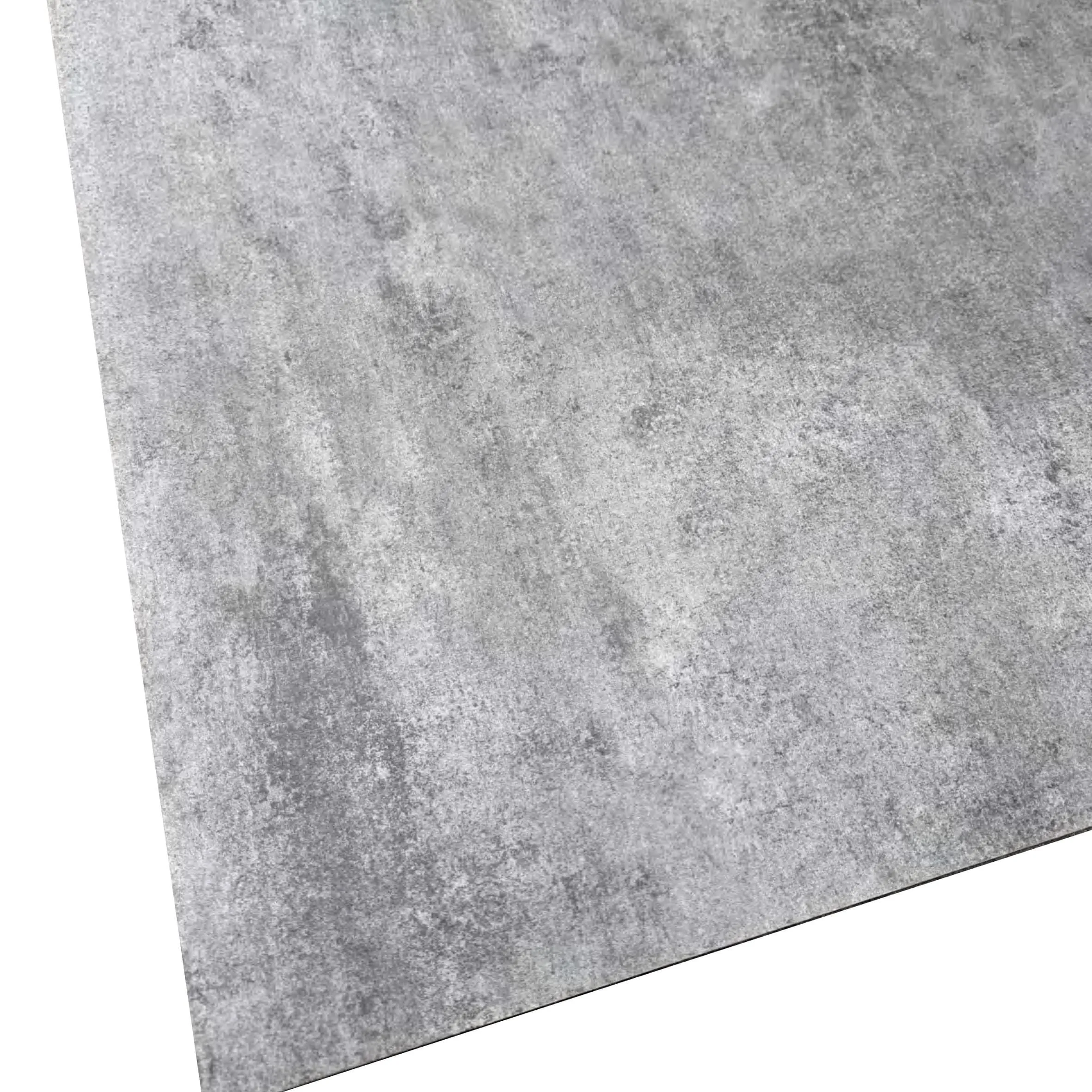
Breaking the Mold: What Makes MCM 3D Printing Unique
At its core, the
MCM 3D printing series
is about liberation—liberation from the constraints of traditional manufacturing, and liberation for designers to create without compromise. Unlike standard
polish concrete, which relies on pre-cast molds, MCM's 3D printing technology builds surfaces layer by layer, allowing for infinite customization. Imagine (oops, scratch that—experience) a wall that isn't just flat but undulates like sand dunes, or a countertop with a texture so precise it mirrors the grain of
ancient wood.
But it's not just about shape. The materials themselves are a feat of engineering.
Flexible stone
, a key component in many MCM designs, is a game-changer. It's lightweight—up to 70% lighter than traditional stone—yet incredibly durable, resistant to scratches, moisture, and even fire. This means it can be used in places once off-limits: high-rise facades, curved surfaces, or even ceiling installations that seem to float. And when paired with
3D art concrete board
, the result is a surface that feels both modern and timeless—a balance of industrial edge and natural warmth.
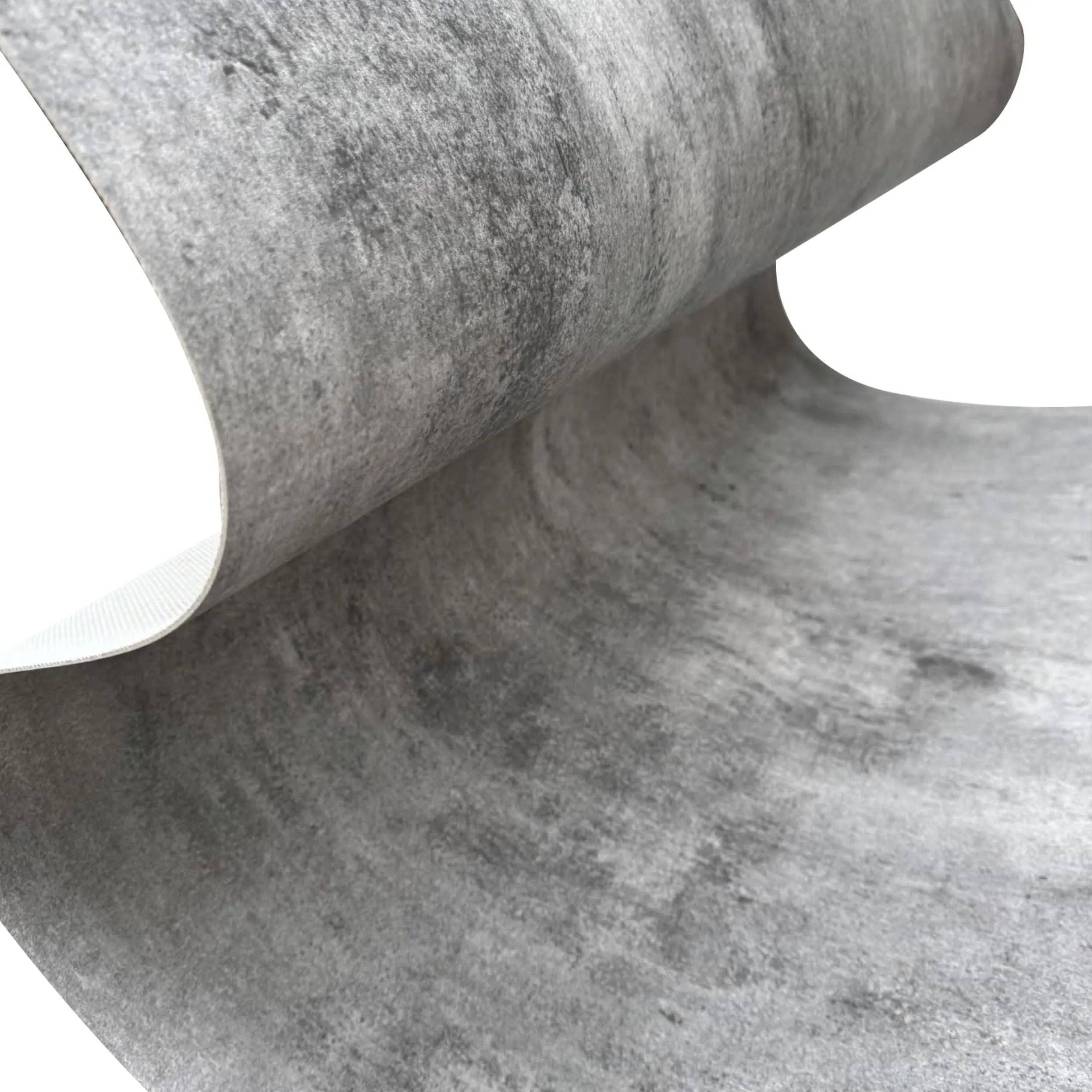
Design Without Limits: Texture, Color, and Storytelling
One of the most exciting aspects of the
MCM 3D printing series
is its ability to turn abstract ideas into tactile reality. Take color, for example. Traditional
polish concrete often sticks to grays and beiges, but MCM's palette is as diverse as the landscapes that inspire it.
Lunar peak silvery
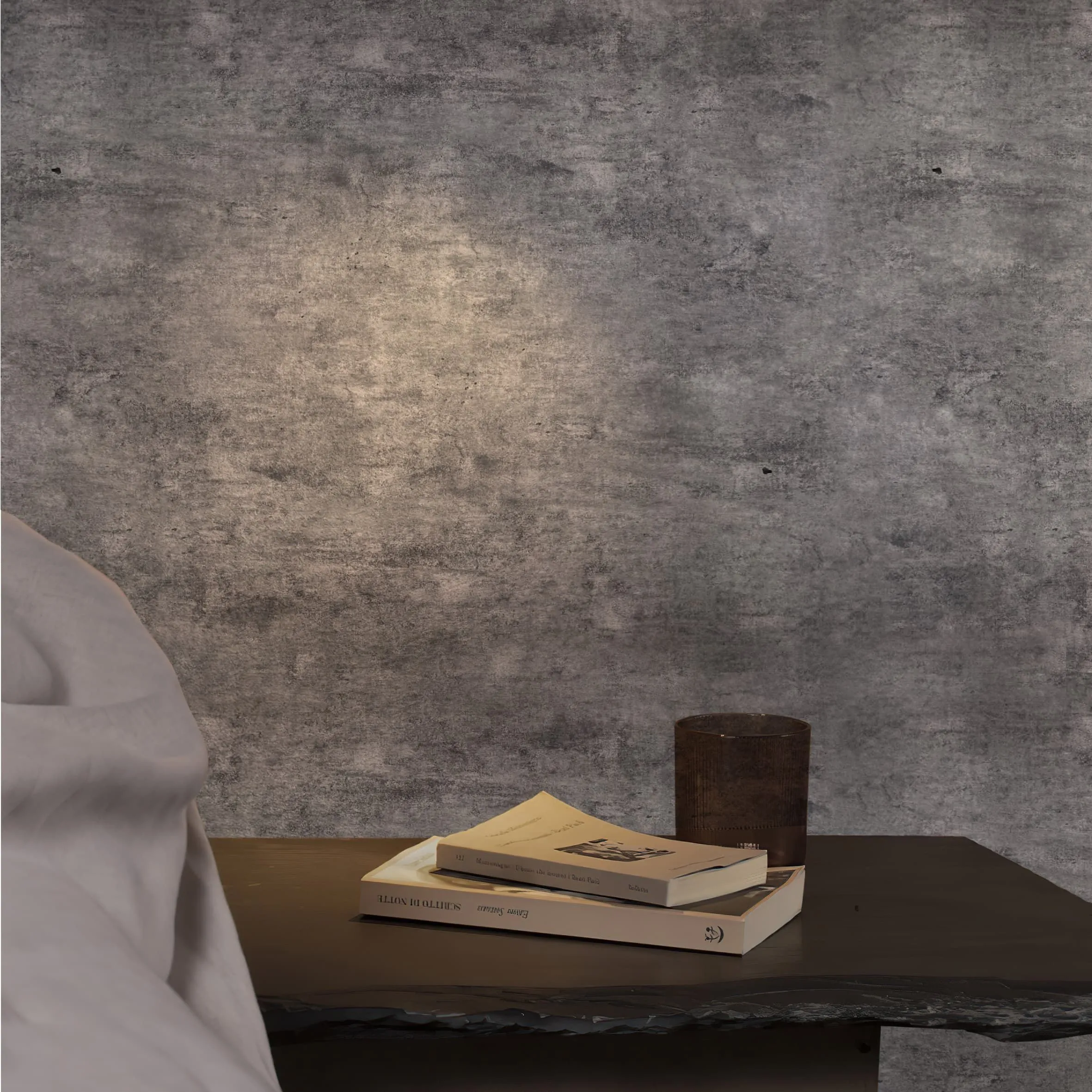
, a popular finish, is a perfect example. It shimmers subtly, like moonlight on a still lake, adding depth without overwhelming a space. In a residential living room, it might pair with warm wood tones to create a cozy, futuristic vibe; in a boutique hotel lobby, it could stand alone as a statement wall, drawing the eye and sparking curiosity.
Textures, too, are where MCM truly shines. From the rough-hewn look of quarried stone to the delicate weave of a basket, the 3D printing process captures even the finest details. Imagine a café wall printed with the texture of
lunar peak silvery
that feels cool to the touch but warms up as sunlight hits it, changing the mood of the space from morning to evening. Or a restaurant bar wrapped in
3D art concrete board
with a pattern that tells the story of the local coastline—waves, shells, and sand frozen in time.
For architects, this level of customization is transformative. No longer do they have to choose between aesthetics and practicality. A hospital waiting room, for instance, can use MCM's soft, rounded textures to reduce anxiety, while a tech startup's office might opt for bold geometric patterns in
lunar peak silvery
to reflect innovation. Every surface becomes a canvas, and every canvas has a story.
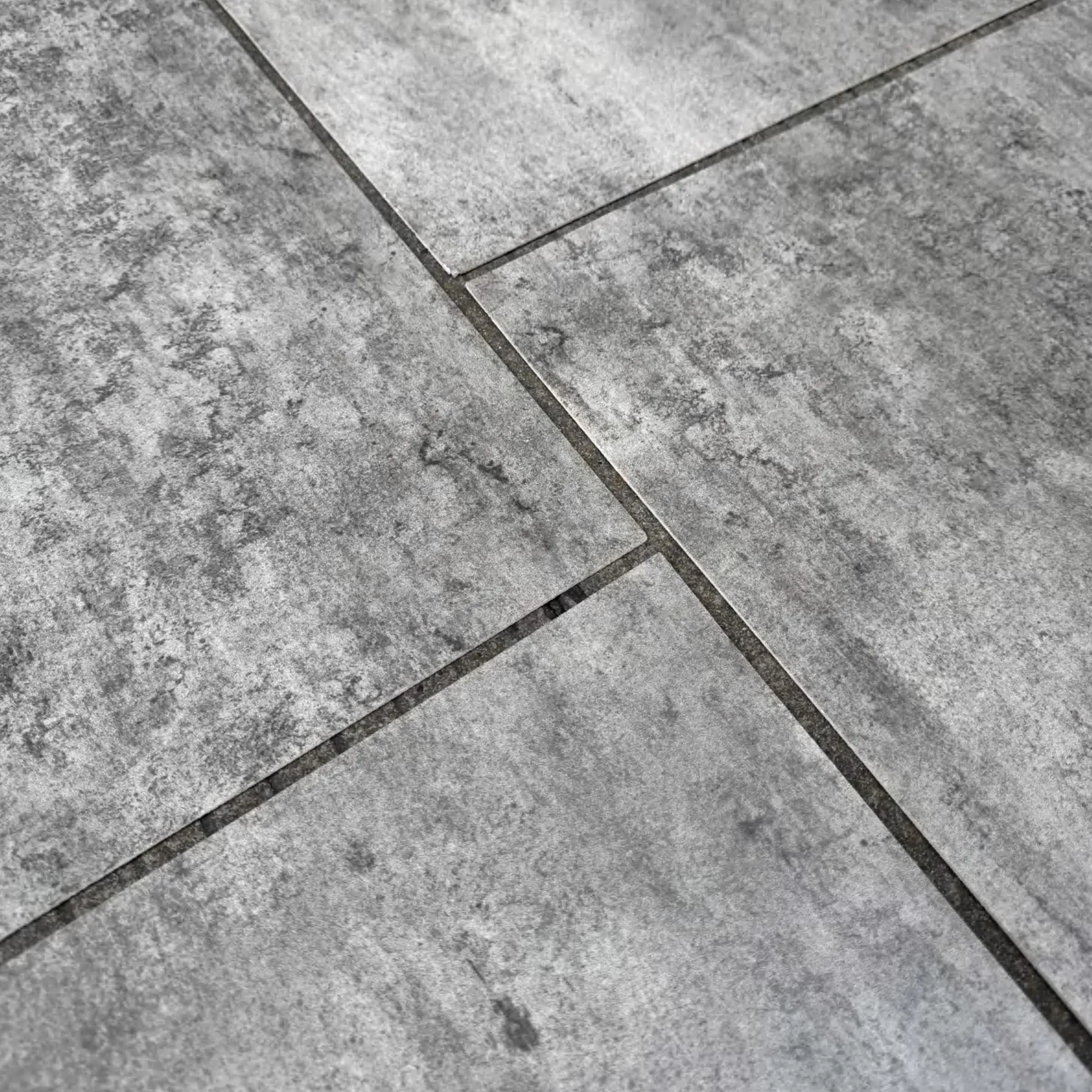
Beyond Beauty: The Practical Perks of MCM Materials
It's easy to get swept up in the beauty of MCM's designs, but the real magic lies in their practicality. Let's face it: in architecture, a material is only as good as its ability to perform. The
MCM 3D printing series
doesn't just look good—it works hard, too.
Take installation, for example. Traditional stone or concrete panels are heavy and cumbersome, requiring cranes, scaffolding, and teams of workers. MCM's
flexible stone
and
3D art concrete board
, on the other hand, are lightweight enough to be handled by two people, cutting installation time by up to 50%. This isn't just a win for contractors; it's a win for project timelines and budgets, too.
Durability is another standout feature. MCM materials are engineered to withstand the test of time. They're UV-resistant, so colors won't fade in sunlight; they're moisture-resistant, making them ideal for bathrooms or outdoor patios; and they're scratch-resistant, perfect for high-traffic areas like airports or shopping malls. A surface printed today will still look fresh decades from now, a testament to MCM's commitment to quality.
And let's talk sustainability. In an era where green building practices are non-negotiable, MCM leads the way. The 3D printing process uses less material than traditional methods, reducing waste, and many MCM products are made from recycled or eco-friendly components. Even better, their lightweight nature reduces transportation emissions—a small detail that adds up to a big environmental impact.
To put it all in perspective, here's how MCM's 3D printed
polish concrete stacks up against traditional options:
|
Feature
|
Traditional Polish Concrete
|
MCM 3D Printed Polish Concrete
|
|
Design Flexibility
|
Limited to simple molds and patterns
|
Infinite customization—textures, shapes, and colors
|
|
Weight
|
Heavy (80-100 kg/m²)
|
Lightweight (20-30 kg/m²)
|
|
Installation Time
|
Long (requires heavy machinery)
|
Fast (installs like wallpaper)
|
|
Durability
|
Good, but prone to cracking
|
Excellent—resistant to scratches, moisture, and UV
|
|
Sustainability
|
High waste, high emissions
|
Low waste, recycled materials, reduced transportation emissions
|
Spaces That Breathe: Real-World Stories of Transformation
Numbers and features tell part of the story, but the real proof is in the spaces MCM has transformed. Let's step into a few hypothetical (but entirely plausible) worlds where the
MCM 3D printing series
has turned ordinary rooms into extraordinary experiences.
A Home That Feels Like a Retreat:
Imagine a coastal villa where the living room wall is printed with
3D art concrete board
in a wave pattern, finished in
lunar peak silvery
. As sunlight streams through floor-to-ceiling windows, the texture catches the light, creating the illusion of water rippling. The wall isn't just a backdrop—it's a connection to the ocean outside, making the space feel open and alive. And because the material is moisture-resistant, the homeowners never worry about salt air damaging it.
A Café That Tells a Story:
A small neighborhood café wanted to honor the area's mining history. Using MCM's
flexible stone
, the designer printed the bar front to look like layers of rock, with veins of copper and gold running through it. The texture is rough enough to feel authentic but smooth enough to wipe clean. Customers don't just sip coffee—they run their hands over the bar, feeling the story of the land beneath them.
A Museum That Blends Past and Future:
A modern art museum needed a facade that would stand out but not overshadow the exhibits inside. The solution?
3D art concrete board
printed in a geometric pattern, finished in
lunar peak silvery
and accented with
flexible stone
panels that mimic ancient stone carvings. By day, the building shimmers in the sun; by night, LED lights behind the panels make it glow, turning the museum into a beacon of creativity.
The Future of Design: Where Technology Meets Humanity
The
MCM 3D printing series
isn't just a product—it's a glimpse into the future of architecture. A future where buildings don't just serve a function; they evoke emotion. A future where designers aren't limited by what's possible, but inspired by what's imaginable (again, no "imagine"—let's say "what they can dream up"). A future where sustainability and beauty go hand in hand.
As technology advances, we can expect even more innovations from MCM—smarter materials that adapt to temperature, surfaces that purify the air, or textures that change with sound. But no matter how advanced the tech gets, the core mission remains the same: to create spaces that connect with us on a human level. After all, the best buildings aren't just structures—they're feeling.
So, the next time you walk into a room, take a moment to feel the walls. If they're made with MCM's 3D printed
polish concrete, chances are they're not just surfaces—they're stories. Stories of innovation, of nature, of the people who designed them. And that, perhaps, is the greatest magic of all: turning materials into memories.