
Architecture is often celebrated for its grand gestures—the sweeping curves of a museum roof, the towering spires of a cathedral, the sleek lines of a modern skyscraper. But if you lean in closer, you'll find that the true magic lies in the details: the delicate filigree on a facade, the precise alignment of stone tiles, the subtle texture that catches the light just so. These small, intentional choices transform a building from a structure into a story. Yet for decades, creating those intricate details has been a battle against imprecision, time, and material limitations. Enter the MCM 3D Printing Series—a lineup of building materials and technologies that's redefining what's possible, one precisely placed thread at a time.
At the heart of this revolution is "thread accuracy," a term that might sound technical but boils down to something simple: the ability to deposit material in ultra-thin, consistent lines (or "threads") that form the backbone of complex architectural details. Think of it like sewing, but instead of fabric, you're stitching together stone, concrete, or metal to create facades, accent walls, or even entire interiors. And in a world where designers crave uniqueness and durability, thread accuracy isn't just a nice-to-have—it's the difference between a design that feels generic and one that feels unforgettable.
Let's take a step back. Before 3D printing became a viable option for large-scale construction, architects and builders relied on two main methods for intricate details: handcrafting and mold-based production. Both have their charm, but neither is perfect—especially when precision is non-negotiable.
Hand-carving, for example, is a labor of love. A skilled artisan can spend weeks chiseling a floral motif into a stone column or etching a geometric pattern into wood. But here's the catch: human hands, no matter how steady, can't replicate the exact same line 100 times. A curve might be slightly shallower on the 50th repetition; a thread-like groove might widen by a millimeter on the 75th. When those inconsistencies pile up across a facade or a room, the result is a design that feels "off"—not because it's ugly, but because the eye picks up on the lack of uniformity.
Mold-based production was supposed to fix that. Create a master mold, pour in the material, and voilà—identical pieces every time. But molds have their own limitations. They're rigid, so complex, multi-layered details (think threads that twist, intersect, or vary in thickness) often get lost in the casting process. And if you want to tweak a design mid-project? You're looking at days (or weeks) of retooling, not to mention the waste of unused molds. For designers pushing the boundaries of what a building's surface can do, this rigidity is a creativity killer.
Then there's the issue of material compatibility. Traditional materials like solid stone or thick concrete are heavy, which means any intricate detail added to them needs to be reinforced—adding bulk and limiting how delicate those details can be. A thin, thread-like pattern on a solid stone slab might crack under its own weight; a lightweight material like foam might lack the durability to withstand weather or foot traffic. It's a balancing act that often ends with compromise.
This is where the MCM 3D Printing Series comes in—and it all starts with thread accuracy. Let's break it down: in 3D printing, "thread" refers to the thin, continuous line of material extruded by the printer's nozzle. In architectural applications, these threads can be as fine as 0.5mm (about the width of a human hair) or as thick as 5mm, depending on the design. The key is that each thread is placed with pinpoint precision—down to the micron—ensuring consistency across hundreds, even thousands, of repetitions.
How does MCM pull this off? It starts with the hardware: industrial-grade 3D printers equipped with micro-nozzles that can adjust their diameter on the fly, allowing for threads of varying thickness in a single print. These printers are paired with advanced software that translates a designer's 3D model into a step-by-step extrusion path, accounting for factors like material shrinkage, temperature, and even gravity. Sensors on the printer monitor each thread as it's laid down, making real-time adjustments if a line veers off course by even a fraction of a millimeter.
But thread accuracy isn't just about consistency—it's about possibility. With precise thread placement, designers can create details that were once impossible with traditional methods. Imagine (oops, scratch that—let's consider ) a facade that mimics the flow of a river: threads of varying thickness, some wispy and thin, others bold and thick, intersecting and overlapping to create depth. Or a ceiling panel where threads form a constellation, with each "star" a tiny, raised dot connected by delicate lines. These aren't just aesthetic choices; they're functional, too—threads can be designed to channel water runoff, diffuse light, or even improve acoustics in a room.
Perhaps the most exciting part? MCM's 3D printing technology isn't limited to one material. It works seamlessly with a range of innovative substrates, from flexible stone to foamed aluminum, each enhancing the impact of those precise threads. Let's dive into a few of these materials and how they shine with thread accuracy.
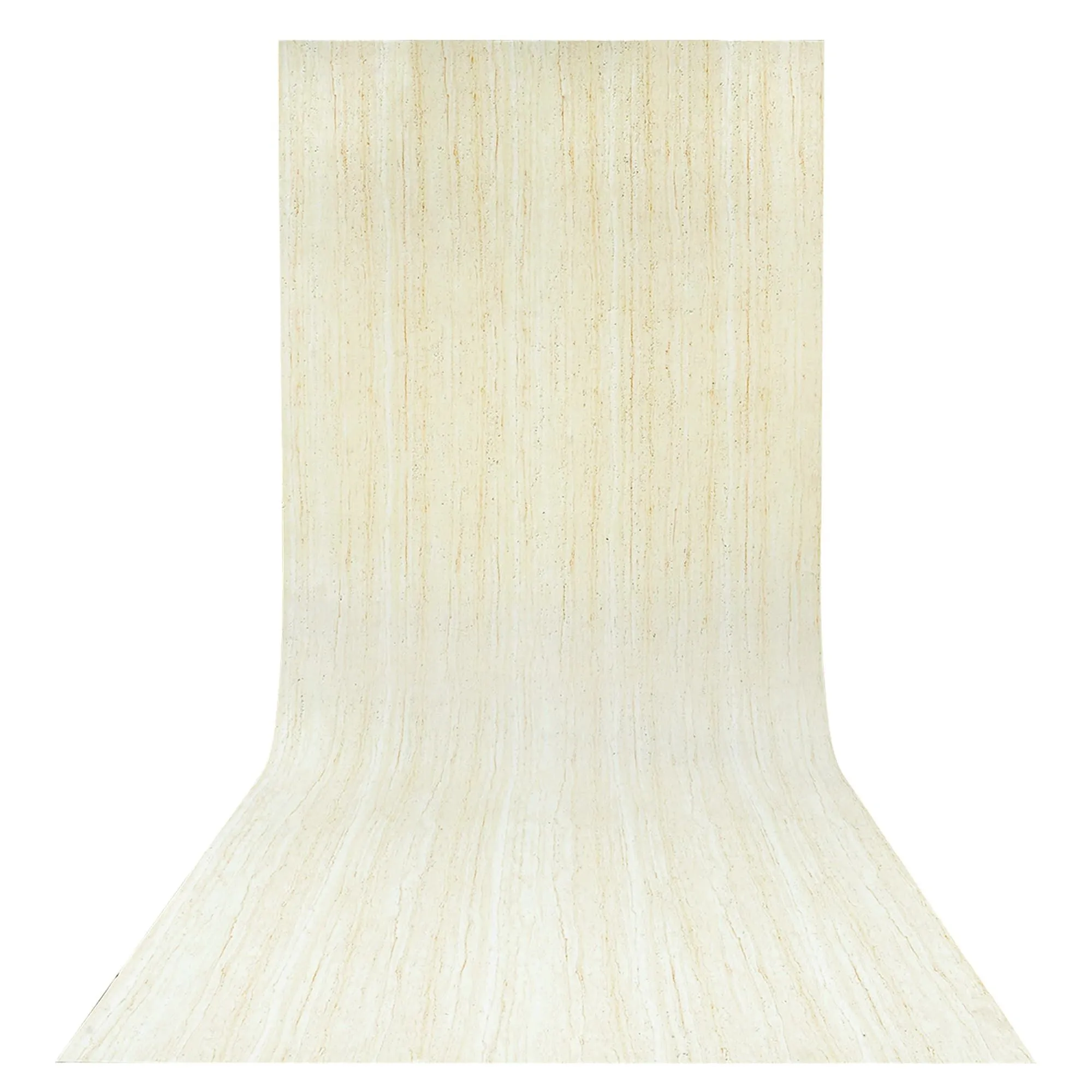
A thread is only as good as the material it's made of. MCM's lineup of building materials is specifically engineered to work with 3D printing's thread accuracy, balancing durability, flexibility, and visual appeal. Here are a few standouts:
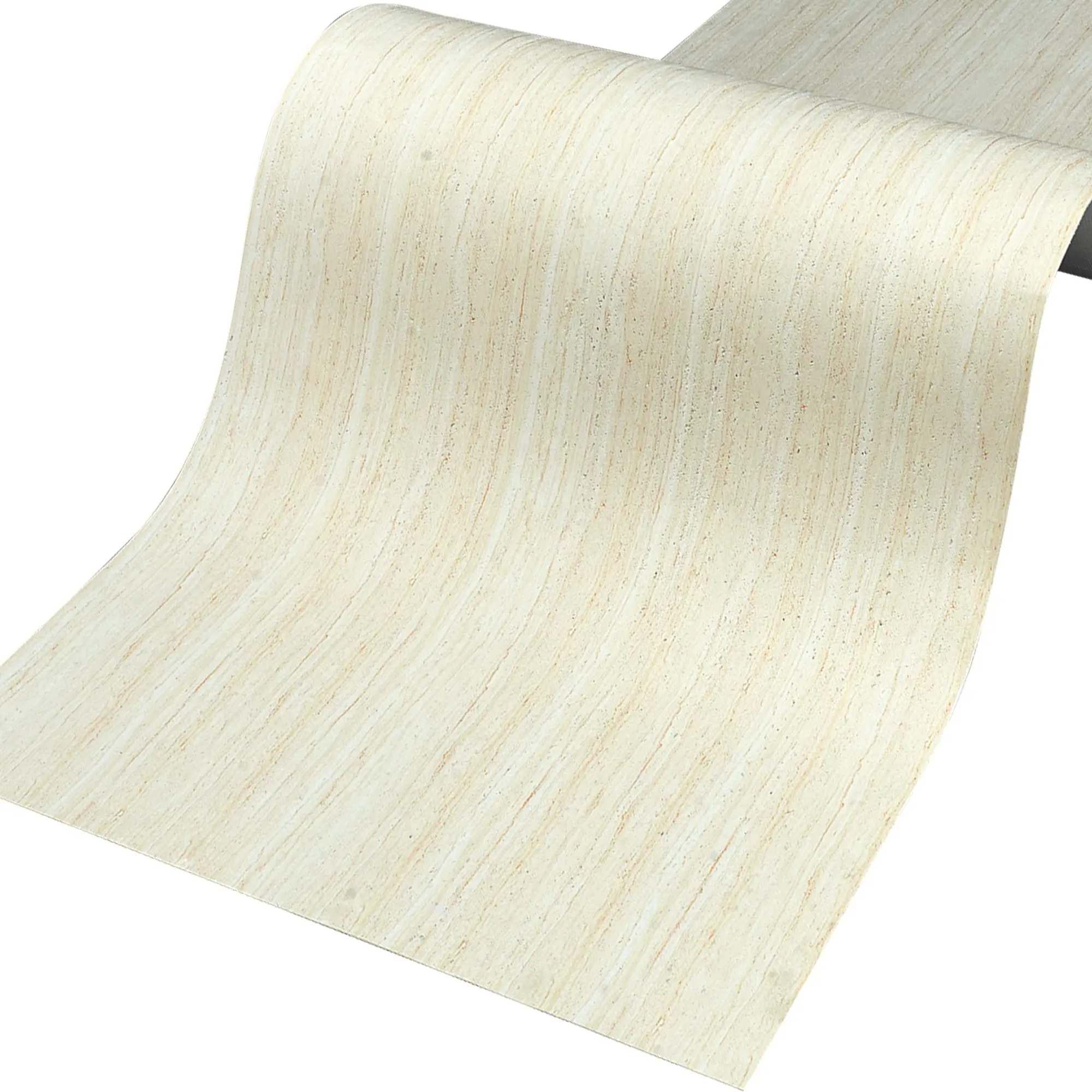
If there's a material that was born for 3D printed threads, it's MCM flexible stone. Unlike traditional stone, which is rigid and brittle, this stuff bends—think of it like a stone "fabric" that can conform to curves, angles, and complex geometries without cracking. That flexibility is a game-changer for thread details. Imagine a wall panel with threads that twist in a spiral: rigid stone would snap, but flexible stone bends with the thread, maintaining both the design and the material's integrity.
But don't let the "flexible" part fool you—this stone is tough. It's made from a blend of natural stone particles and a polymer binder, giving it the look and feel of real stone (think rough-hewn texture, earthy tones) with the durability to withstand rain, wind, and even the occasional bump from a furniture delivery. When paired with 3D printed threads, it becomes a canvas for storytelling. A restaurant with a Mediterranean theme might use flexible stone in warm terracotta, with threads mimicking the weave of a basket; a boutique hotel could opt for a cool gray shade, with threads that evoke the ripples of a mountain stream.
Fair-faced concrete is all about honesty—the beauty of the material in its natural state, without paint or polish. Its raw, industrial look has made it a favorite for modernist and minimalist designs, but achieving that "perfectly imperfect" aesthetic with intricate details? Traditionally, it's been a nightmare. Concrete is thick and can be unforgiving; a single air bubble or misaligned pour can ruin a thread-like detail.
Enter MCM 3D printing with thread accuracy. By extruding concrete in thin, precise threads, the printer avoids the pitfalls of traditional pouring. Each thread is laid down with just enough pressure to bond to the layer below, eliminating air pockets. The result? A fair-faced concrete panel with threads that look like they were chiseled by hand—only cleaner, more consistent, and infinitely repeatable. A recent project in Berlin used this technique for an office building facade: fair-faced concrete with threads in varying depths, creating a texture that shifts with the sun. From afar, it reads as a subtle pattern; up close, the threads reveal themselves as deliberate, almost sculptural details.
Travertine has been a staple in architecture for millennia (think the Colosseum's iconic columns), but MCM's travertine (starry blue) gives this classic material a futuristic twist. It's infused with tiny, iridescent particles that catch the light, creating the illusion of a starry night sky embedded in the stone. Now, imagine adding 3D printed threads to that: thin, silver threads that trace constellations across the blue surface, connecting the "stars" into recognizable patterns.
This isn't just decorative—it's immersive. A cultural center in Seoul recently used travertine (starry blue) with 3D printed threads for its auditorium walls. The threads, which vary in thickness from 1mm to 3mm, are designed to reflect stage lighting, turning the walls into a dynamic, ever-changing backdrop. During a classical concert, the threads glow softly, mimicking moonlight; during a rock show, they pulse with color, amplifying the energy of the performance. And because the threads are printed directly into the travertine, there's no risk of them chipping or fading over time—they're part of the material itself.
If travertine (starry blue) is the night sky, lunar peak silvery is the moon itself. This material has a metallic, almost pearlescent finish that shifts from bright silver to soft gray depending on the light, evoking the cratered surface of the moon. It's bold, modern, and begging for 3D printed threads to elevate it.
A luxury residential tower in Dubai used lunar peak silvery for its exterior cladding, paired with 3D printed threads in a geometric pattern. The threads, which are slightly raised (about 2mm above the surface), catch the desert sun during the day, casting sharp shadows that break up the building's mass. At night, LED lights embedded behind the threads turn the facade into a glowing grid, making the tower visible from miles away. What's impressive is the precision: each thread is spaced exactly 15cm apart, creating a rhythm that's both calming and visually striking. Traditional cladding would require manual alignment, leading to uneven spacing; with MCM's thread accuracy, every thread is in perfect sync.
So, what does all this mean for architects, builders, and designers? Let's put it in practical terms. Meet Maya, a senior architect at a mid-sized firm in Chicago. She's tasked with designing a community library that feels both welcoming and inspiring—a space where kids want to explore and adults want to linger. Her vision: a facade that tells the story of the neighborhood's history, with threads representing the paths of early settlers, local rivers, and even the layout of old streetcar lines. The details need to be intricate but durable, and the timeline is tight—construction starts in six months.
Five years ago, Maya would have had to scale back her vision. Traditional stone carvers couldn't replicate the thread patterns with enough consistency; mold-based concrete would lose the delicate intersections of her design. But with MCM's 3D Printing Series, she can go all in. She uses MCM flexible stone in a warm beige (to complement the library's brick base) and 3D prints the threads in a darker brown, varying their thickness to represent different "stories" (thicker threads for major roads, thinner for footpaths). The printer handles the precision, laying down each thread in hours, not weeks. The result? A facade that's not just a wall, but a conversation piece—kids trace the threads with their fingers, asking about the history behind them, and adults snap photos of the way the light plays across the varying thread depths.
Maya's story isn't unique. MCM's thread accuracy is transforming projects across sectors:
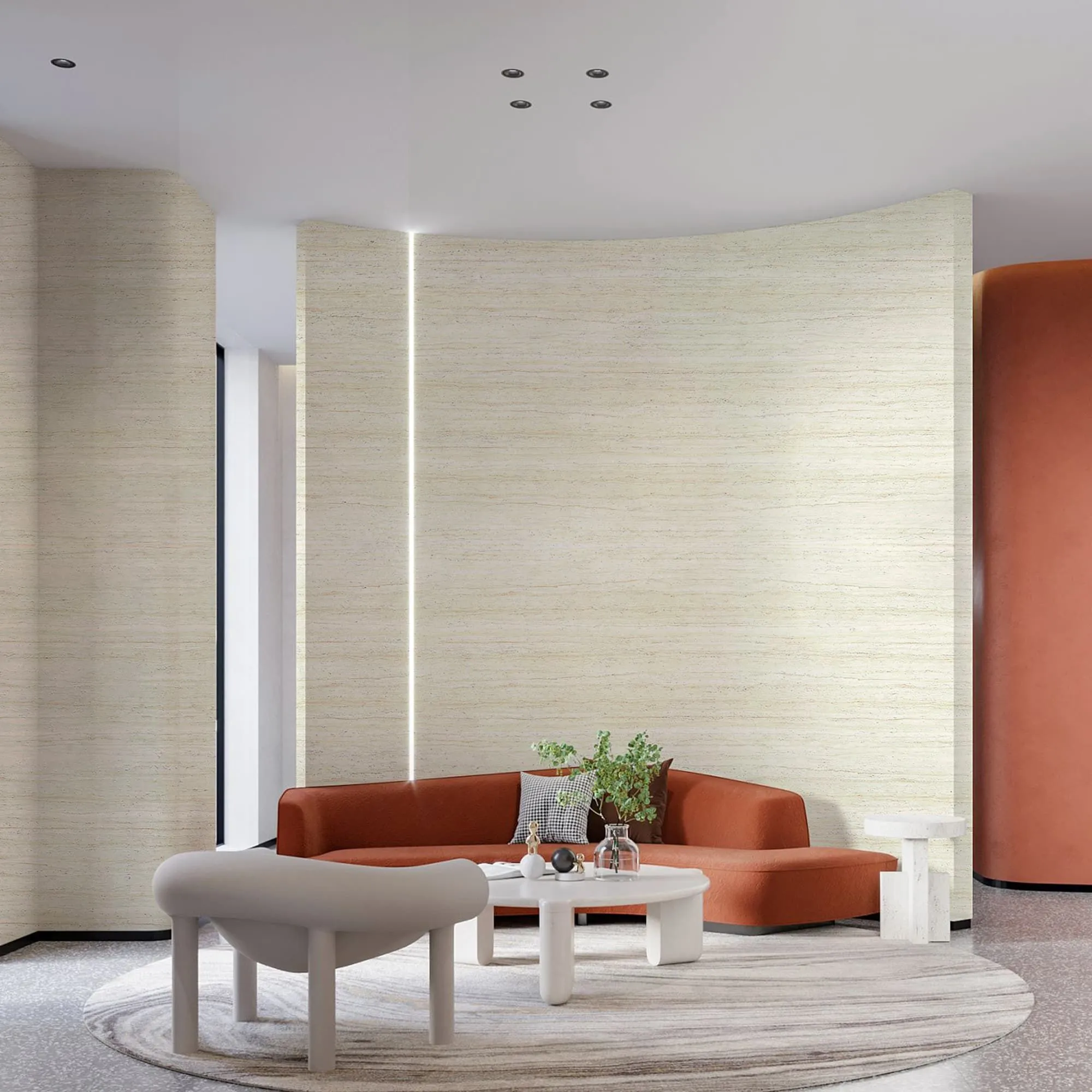
Thread accuracy isn't just about making things look pretty—it's about making buildings better, too. Here are a few unexpected perks:
| Feature | Traditional Methods (Hand-Carving/Molds) | MCM 3D Printing Series with Thread Accuracy |
|---|---|---|
| Precision | ±1-2mm (inconsistent across large surfaces) | ±0.1mm (consistent across hundreds of threads) |
| Material Waste | 20-30% (excess stone/concrete, unused molds) | 5% or less (material only extruded where needed) |
| Design Flexibility | Limited to simple, repeatable patterns | Unlimited—twists, intersections, varying thread thickness |
| Installation Time | Weeks to months (due to weight, manual alignment) | Days to weeks (lightweight panels, pre-aligned threads) |
| Durability | High, but details prone to cracking/chipping | High—threads reinforced by 3D printing process |
If the past few years are any indication, thread accuracy in architectural 3D printing is just getting started. MCM's team is already experimenting with "smart threads"—threads embedded with tiny sensors that monitor temperature, humidity, or even structural stress, sending data to building management systems. Imagine a hospital where the threads in the walls alert maintenance when a pipe is leaking, or a school where threads track air quality and adjust ventilation accordingly. It's precision with a purpose.
There's also the potential for color-changing threads, using materials that shift hue with light or temperature. A facade with lunar peak silvery threads that turn a soft blue at dusk, matching the sky? It's not science fiction—it's in the prototype phase. And as AI design tools get better, we might see threads that adapt to their environment: a thread pattern that optimizes for shade in summer and sunlight in winter, all printed on-demand.
But perhaps the most exciting future trend is accessibility. As 3D printing technology becomes more affordable, smaller firms and even DIY builders will be able to incorporate thread accuracy into their projects. A homeowner in a suburb could 3D print a backsplash with threads that mimic their favorite hiking trail; a community garden could add thread details to planters, telling the story of the plants growing in them. Thread accuracy won't just be for "fancy" buildings—it'll be for everyone.
At the end of the day, architecture is about connection—connecting people to spaces, to stories, to each other. MCM's 3D Printing Series, with its focus on thread accuracy, is redefining what that connection looks like. It's not just about making buildings "precise"; it's about making them meaningful . A thread isn't just a line of material—it's a story, a path, a moment of beauty that makes you stop and look twice.
So the next time you walk past a building and find yourself drawn to its facade—trace those details with your eyes. Maybe they're MCM threads, laid down with micron precision, turning a wall into something more. And if you're a designer? The next time you sketch a detail that feels "too intricate," remember: with thread accuracy, the only limit is your imagination (oops, there I go again—let's say "the only limit is your creativity").
After all, in architecture, the smallest threads often weave the biggest stories.
Recommend Products












