
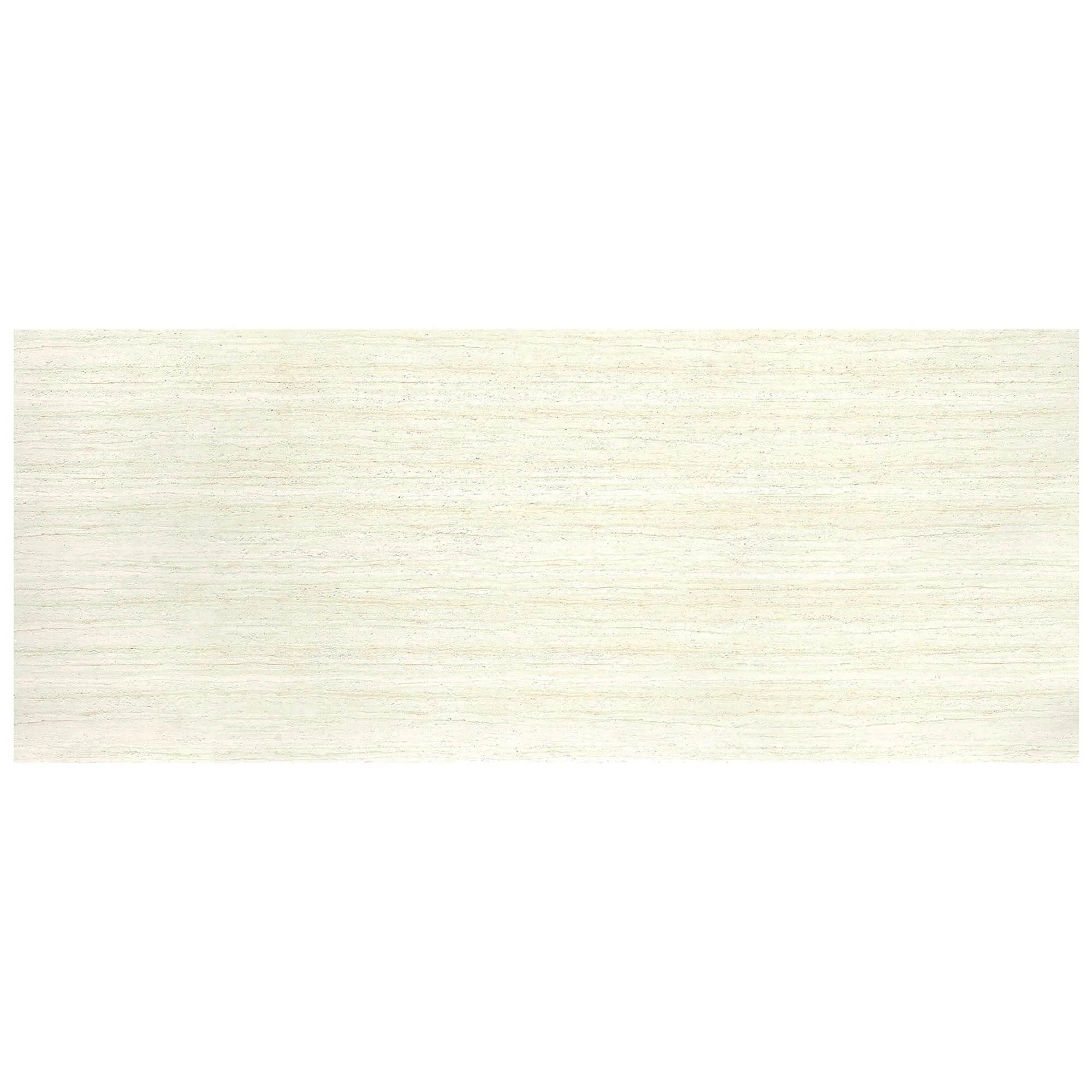
Architecture has always been a dance between form and function—but lately, that dance has gotten a lot more fluid. Gone are the days when buildings were confined to rigid lines and predictable patterns. Today's designers crave complexity: curves that mimic natural landscapes, textures that shift with light, surfaces that tell a story. Enter the MCM 3D Printing Series, a game-changer that's turning those cravings into reality. At the heart of this revolution? Thread customization—a technique that lets architects weave intricate, one-of-a-kind patterns into building materials, transforming ordinary facades into works of art. Let's dive into how this technology is redefining what's possible, and why materials like travertine (starry blue), foamed aluminium alloy board (vintage silver), and rammed earth board (gradient) are becoming the darlings of modern design.
Think of thread customization as the architectural equivalent of hand-stitching a couture gown—except instead of fabric, we're working with stone, metal, and earth. It's the process of embedding fine, precise "threads" of texture, color, or material into a base panel, allowing for micro-level control over patterns. Traditional manufacturing methods often limit designers to repetitive, uniform surfaces; with thread customization, you can create gradients that fade like sunset, starry speckles that twinkle at dusk, or linear motifs that flow like water. It's not just about making things look pretty—it's about giving buildings a voice.
Take, for example, a facade designed to evoke a forest. With thread customization, you could weave thin "threads" of deep green into a base of travertine (starry blue), mimicking the way sunlight filters through leaves. Or imagine a hotel lobby wall that feels like a desert landscape: using rammed earth board (gradient), you could layer threads of terracotta and sand, creating the illusion of wind-carved dunes. The possibilities are as endless as a designer's imagination—and MCM's 3D printing technology makes it all achievable without sacrificing structural integrity.
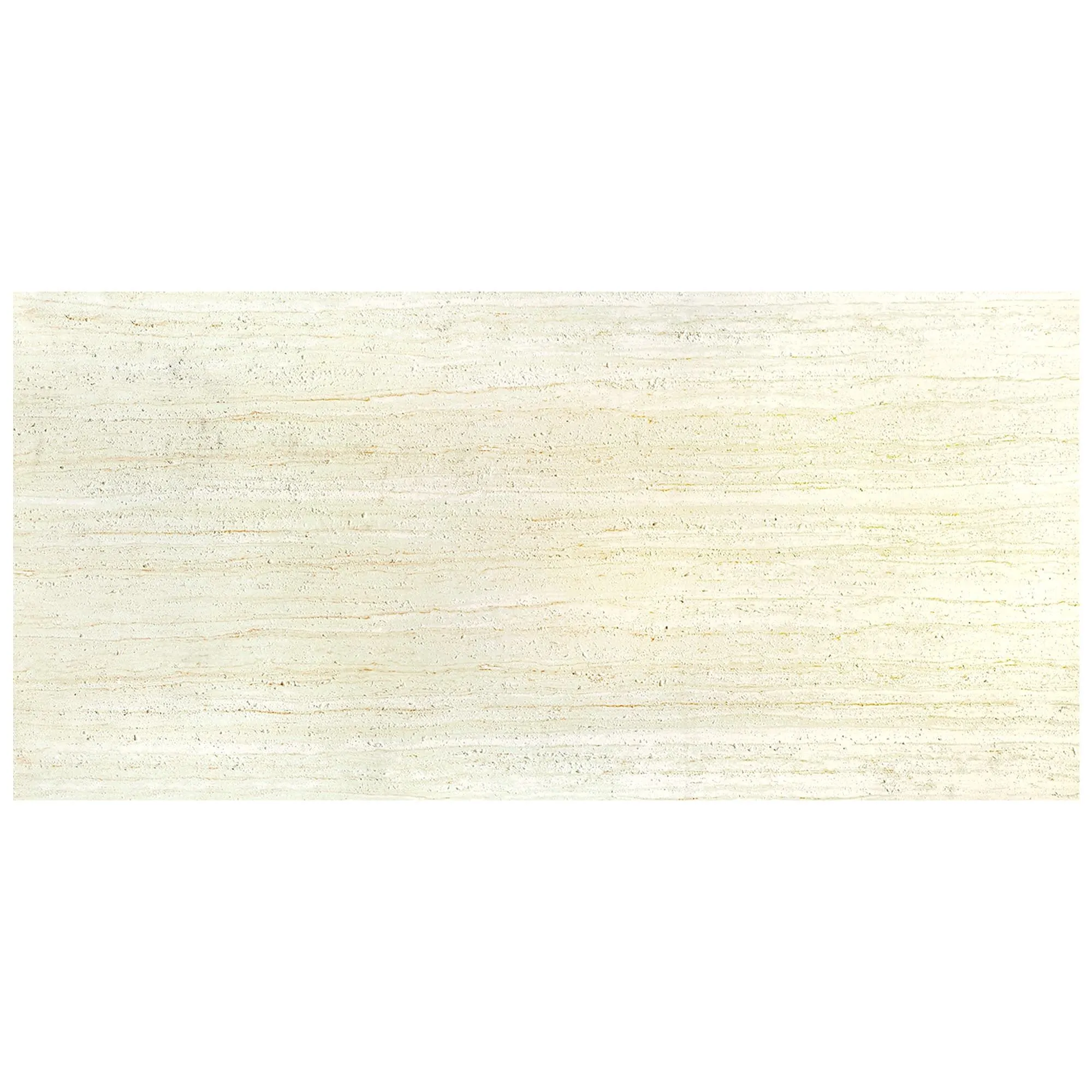
What makes MCM's 3D Printing Series stand out isn't just the customization—it's the materials. Each one is engineered to play nice with thread techniques, offering unique textures and properties that bring designs to life. Let's meet a few MVPs:
Travertine has long been a favorite in architecture for its warm, organic feel, but MCM's starry blue variant takes it to another level. Picture a classic travertine base, porous and earthy, but threaded with tiny, iridescent blue specks that catch the light. These "stars" aren't just painted on—they're embedded during the 3D printing process, ensuring they won't fade or chip. It's perfect for spaces that want to blend groundedness with a touch of whimsy, like a coastal restaurant or a boutique hotel lobby. Imagine walking into a room where the walls seem to hold a piece of the night sky—suddenly, the space feels intimate, almost magical.
For a more industrial-chic vibe, foamed aluminium alloy board in vintage silver is a showstopper. Lightweight yet surprisingly strong, this material is ideal for creating bold, geometric thread patterns. The "vintage" finish gives it a soft, brushed look, while the foam core makes it easy to carve thin, precise threads—think sharp lines, honeycomb motifs, or even abstract art. A recent project in Berlin used this material for a museum facade, threading silver lines in a crisscross pattern that casts dynamic shadows throughout the day. By evening, LED lights behind the threads turn the building into a glowing canvas, proving that thread customization isn't just about texture—it's about light and shadow, too.
If you're after a material that feels both ancient and modern, rammed earth board (gradient) is it. Made by compressing layers of soil, clay, and natural pigments, this material has a raw, tactile quality that connects buildings to the earth. The gradient variant takes it further: using thread customization, MCM can blend hues from soft terracotta to deep sienna, creating a surface that looks like it was shaped by time itself. A winery in Napa Valley recently used this for their tasting room walls, threading warm oranges and golds that mirror the changing colors of the vineyards outside. The result? A space that feels rooted in the land, yet utterly contemporary.
| Material | Aesthetic Traits | Customization Level | Best For |
|---|---|---|---|
| Travertine (Starry Blue) | Earthy base with iridescent blue specks; porous texture | High (star density, thread thickness adjustable) | Coastal, boutique, or celestial-themed spaces |
| Foamed Aluminium Alloy (Vintage Silver) | Matte silver finish; lightweight, metallic sheen | Very High (geometric threads, cut-out patterns) | Industrial, modern, or art-focused facades |
| Rammed Earth (Gradient) | Layered, soil-like texture; smooth color transitions | Medium-High (hue blending, thread direction control) | Eco-friendly, rustic-modern interiors/exteriors |
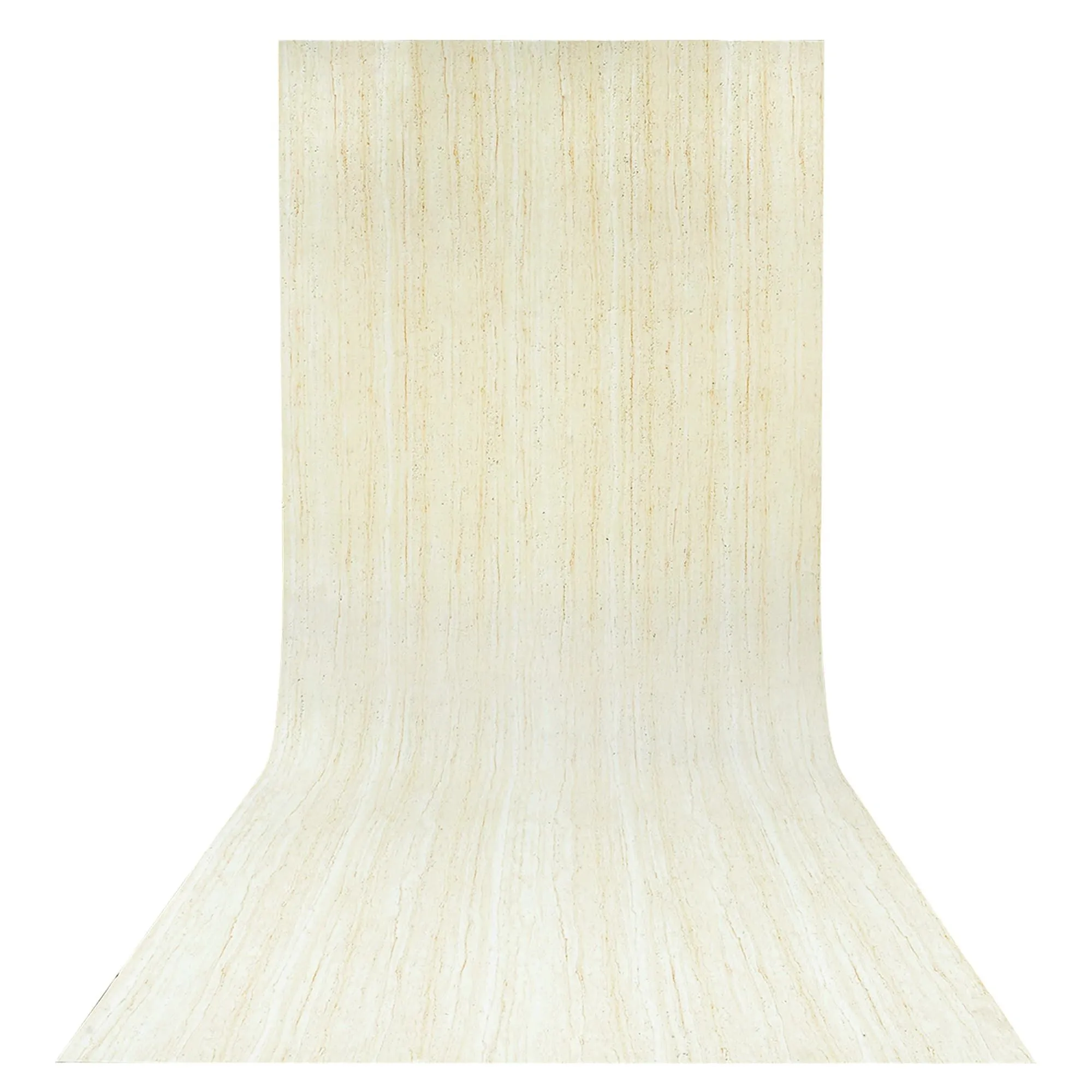
Complex designs used to be the stuff of dreams—or budget nightmares. Curved walls, undulating facades, and asymmetrical patterns often required custom molds, expensive materials, and endless adjustments. But with MCM's 3D printing and thread customization, those dreams are now feasible, even for mid-sized projects. Let's look at a few examples of how this technology is bending the rules:
A tech company in Seattle wanted their headquarters to reflect innovation and movement. Their vision? A facade that looked like a wave frozen in time. MCM used flexible stone as the base material—lightweight, durable, and bendable up to 90 degrees. Then, they threaded foamed aluminium alloy board (vintage silver) into the stone, creating thin, metallic "ripples" that catch the rain and sunlight. The result? A building that seems to shift and flow as you walk past it, turning a simple office into a landmark.
A public library in Portland aimed to inspire curiosity, so they commissioned a ceiling that felt like a planetarium. MCM used travertine (starry blue) panels, but instead of a flat surface, they 3D-printed the panels in gentle curves, mimicking the of a night sky. Then, they threaded tiny LED lights into the "star" specks, making the ceiling glow softly after dark. Now, kids and adults alike pause to stare upward, turning a trip to the library into a moment of wonder.
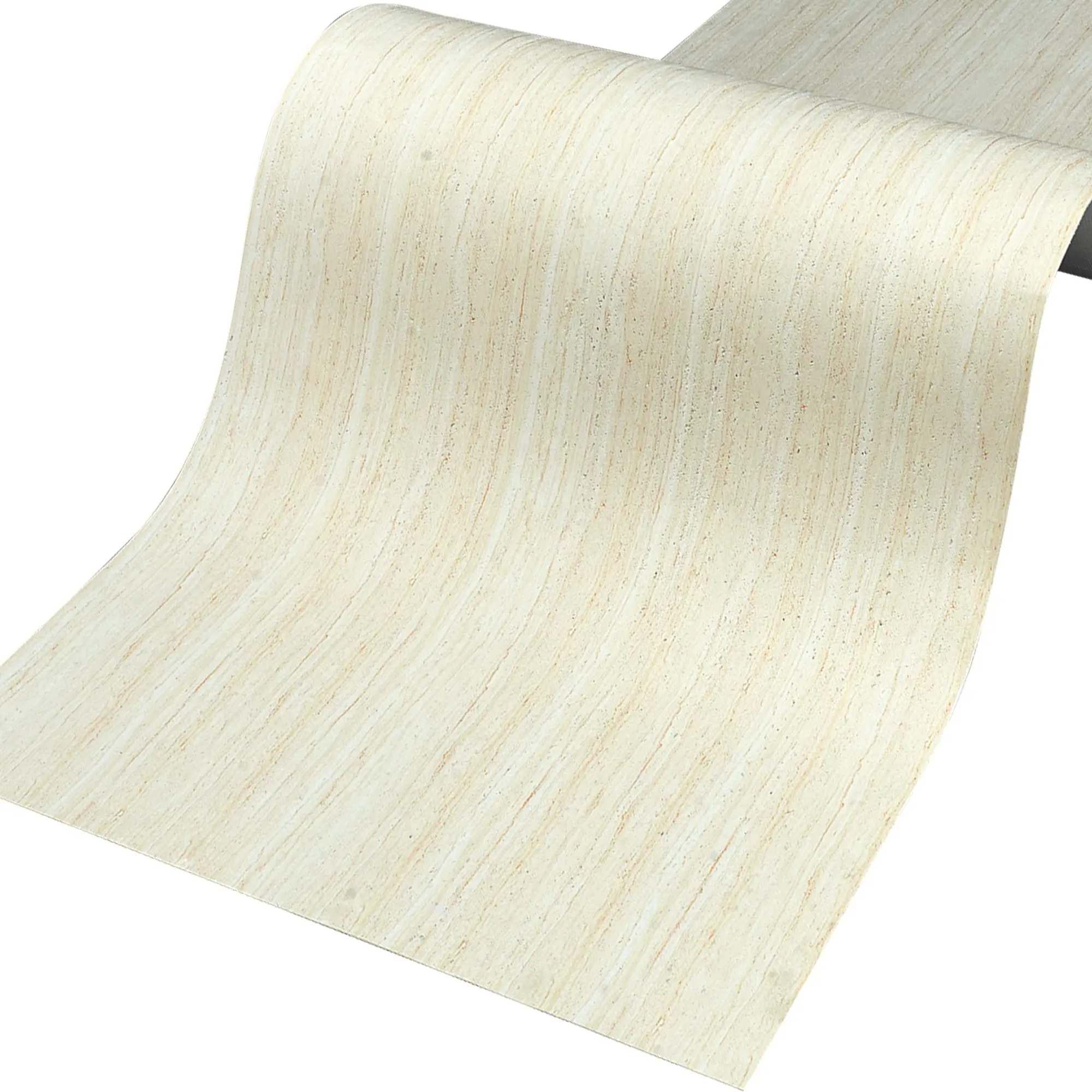
Sure, thread customization makes buildings look amazing—but it's not all about aesthetics. MCM's 3D Printing Series materials are designed to perform, too. Here's why architects and builders are hooked:
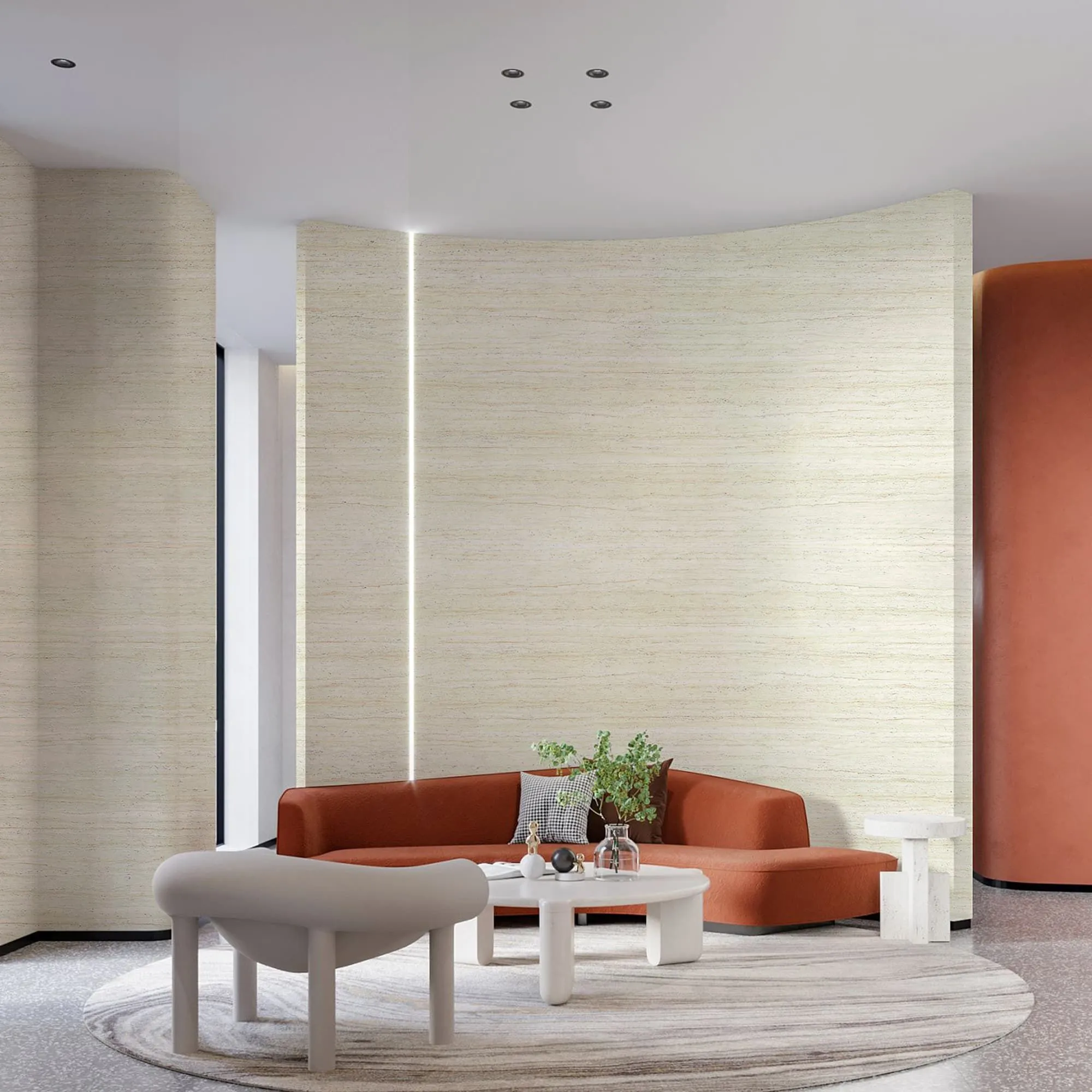
Wondering how a wild design idea becomes a real, tangible building material? It's a collaboration between designers and MCM's team, and it all starts with a conversation.
MCM's 3D Printing Series is just the beginning. As technology advances, the possibilities for thread customization are expanding. Imagine panels that change color with temperature, or threads made from conductive materials that charge devices. Or how about "smart" threads that respond to light, creating dynamic patterns that shift throughout the day? MCM is already experimenting with these ideas, and early prototypes are promising.
But perhaps the most exciting future is the democratization of design. With MCM's process becoming more accessible, even small projects—like a neighborhood café or a home renovation—can now have custom, thread-embellished surfaces. Architecture, once reserved for the ultra-wealthy or large corporations, is becoming a canvas for everyone's creativity.
At the end of the day, architecture is about more than walls and roofs—it's about creating spaces that make us feel something. MCM's 3D Printing Series, with its thread customization, is helping designers do just that. By blending cutting-edge technology with materials that feel alive, it's turning buildings into stories—stories of innovation, nature, and human imagination.
So the next time you walk past a building with a facade that seems to dance, or a wall that glows like a starry night, take a closer look. Chances are, it's not magic—it's MCM, weaving threads of possibility into the future of design.
Recommend Products












