
Imagine standing in a design studio, surrounded by swatches of materials—some sleek and futuristic, others warm and weathered. On one table, there's a panel with intricate, almost liquid-like patterns that seem to shift as you walk around it; on another, a slab of wood with deep, charred grooves that tell a story of fire and time. This is the daily dilemma for architects and designers: choosing materials that don't just fill a space, but define it. Today, we're diving into two materials that couldn't be more different at first glance, yet both are redefining modern design: the MCM 3D Printing Series and Charcoal Burnt Wood Board. Let's explore how they stack up, where they shine, and why the right choice often comes down to the story you want your space to tell.
If there's a material that screams "future-forward design," it's the MCM 3D Printing Series. Part of the broader Modified Composite Material (MCM) family, this line takes traditional building materials and flips them on their head using 3D printing technology. But what is it, exactly? Think of it as a chameleon of the design world: a blend of polymers, minerals, and often flexible stone that's printed layer by layer into virtually any shape or texture you can dream up. No more being limited to flat panels or standard sizes—this stuff bends, curves, and conforms to the wildest architectural visions.
Fun fact: I once visited a boutique hotel in Barcelona where the lobby featured an MCM 3D-printed wall that mimicked the flow of a river. The designer wanted guests to feel like they were stepping into a natural oasis, so the panels were printed with undulating waves and embedded with subtle LED lights. The result? A wall that wasn't just a wall—it was an experience. And because MCM is lightweight (seriously, it's up to 70% lighter than traditional stone), installing it didn't require reinforcing the building's structure. That's the magic of 3D printing here: it marries durability with flexibility, making it a favorite for projects where both form and function matter.
What really sets the MCM 3D Printing Series apart is its versatility. Want a facade that looks like it's covered in lunar craters? Done. Need a backsplash with the texture of starry night sky? Consider it handled. And because it's a composite material, it's built to last. Rain, UV rays, even the occasional scuff from a wayward chair—this stuff holds up. Plus, it's surprisingly low-maintenance: a quick wipe with a damp cloth is usually all it takes to keep it looking fresh. For designers who crave customization without sacrificing practicality, this is a game-changer.
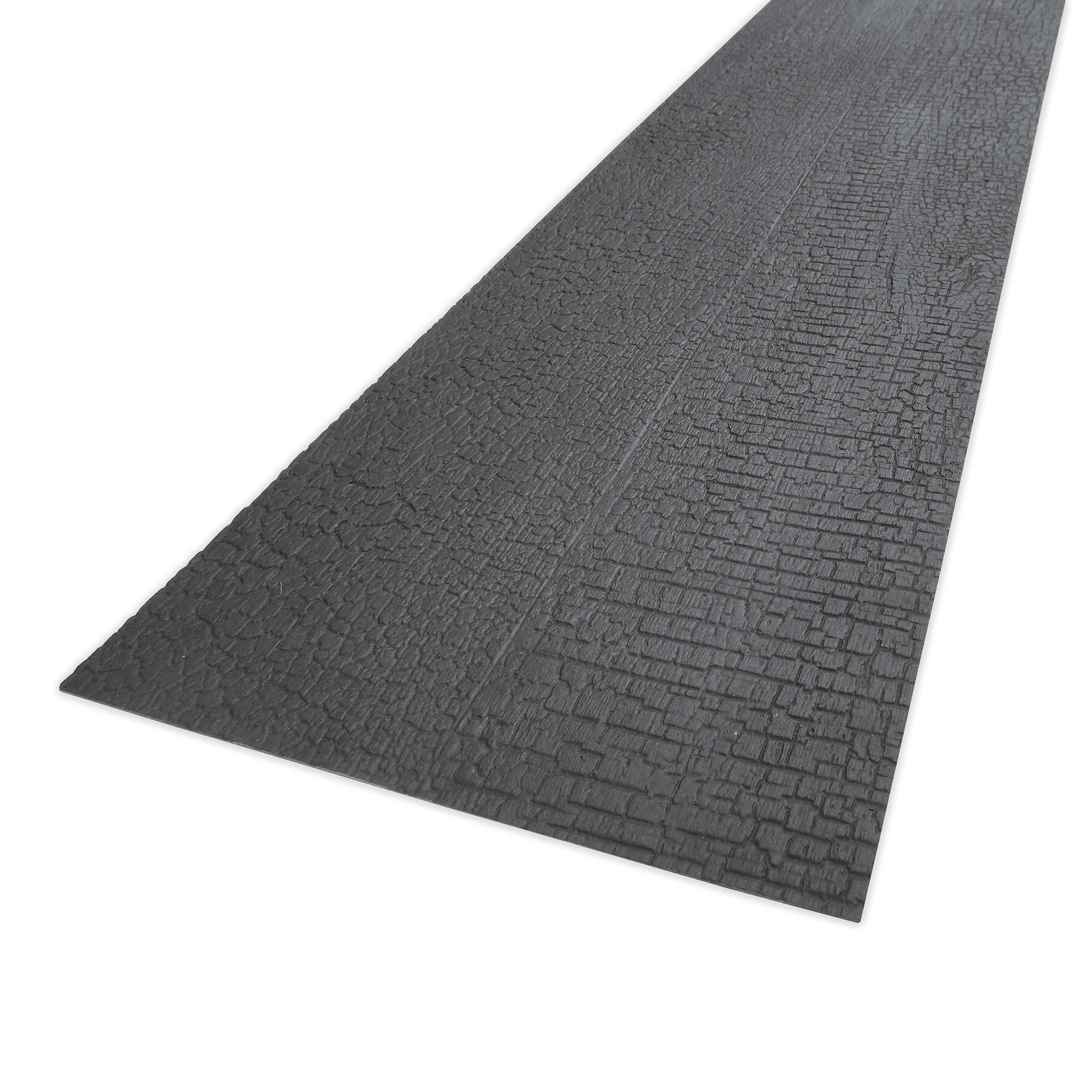
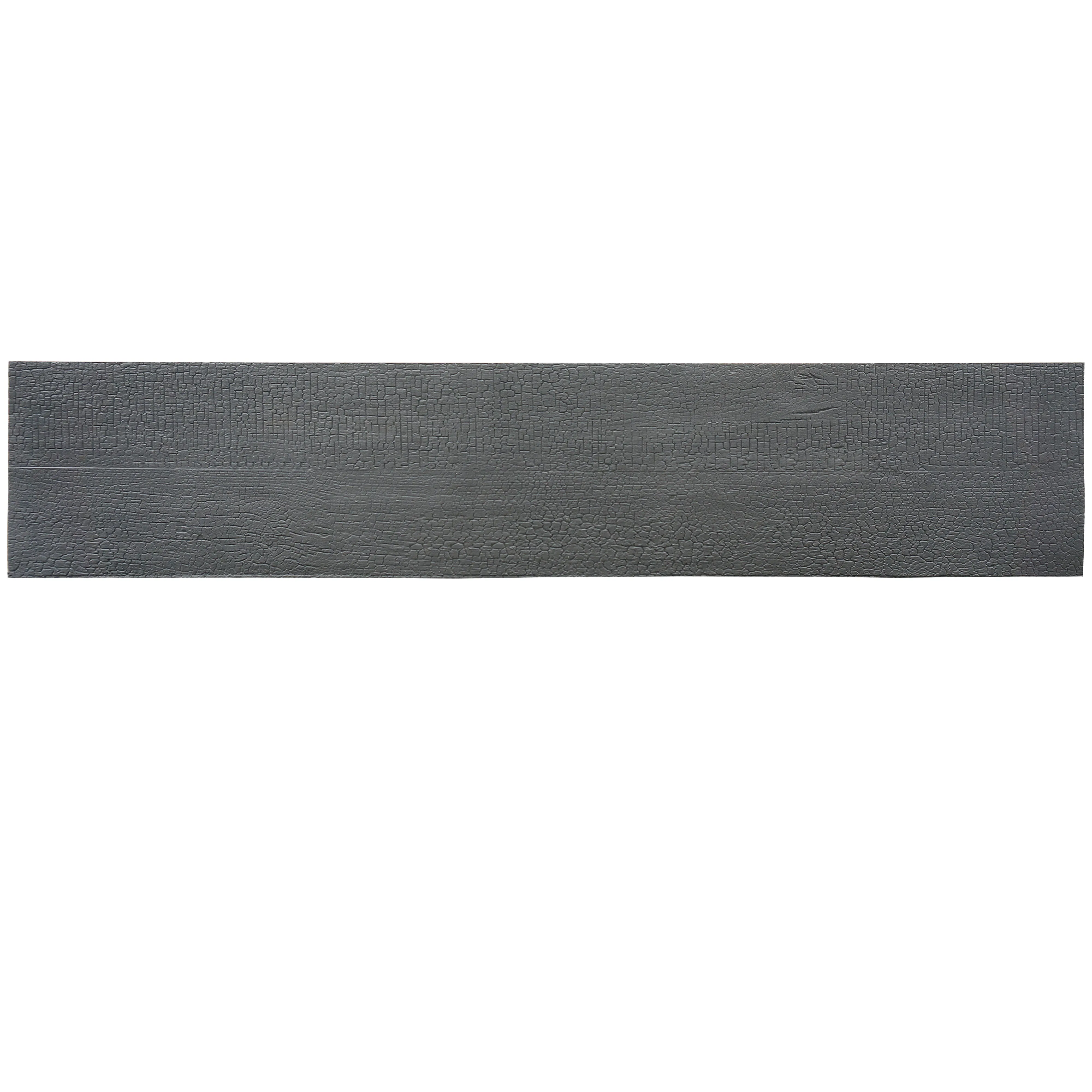
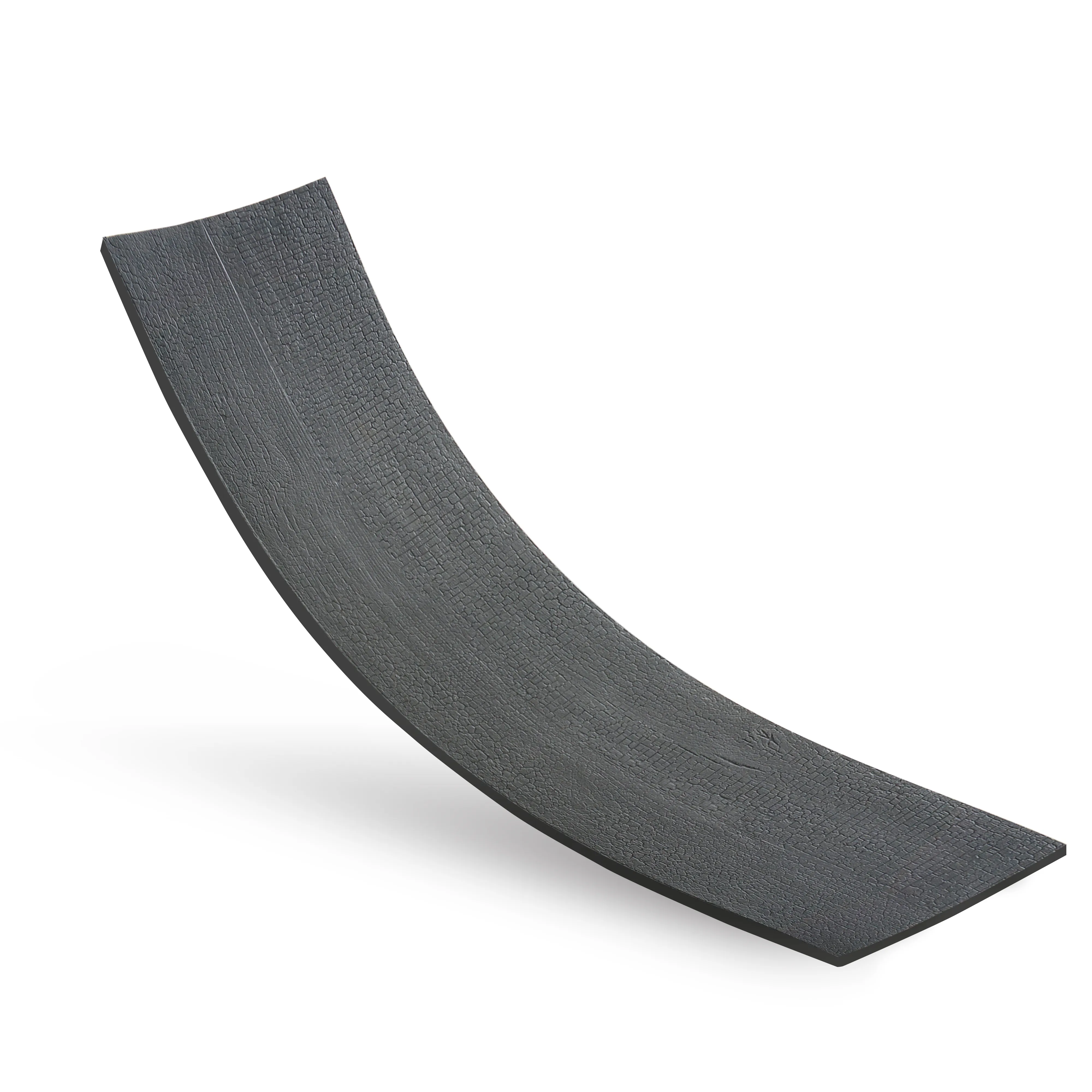
Now, let's shift gears to something a little more… organic. Charcoal Burnt Wood Board isn't new, but it's having a major moment in contemporary design. You might know it by its traditional Japanese name, shou sugi ban —a technique where wood is charred with fire to enhance its durability and create that signature deep, smoky finish. But modern manufacturers have taken this ancient method and given it a twist, using controlled burners and sealing processes to make the boards more consistent and easier to work with.
The result? Wood that feels both rustic and refined. Run your hand over a Charcoal Burnt Wood Board, and you'll notice the texture: slightly rough from the charring, but with a smoothness that comes from careful sanding. The color ranges from jet black to warm amber, depending on how long the wood is burned, and when light hits it, the grain pops in a way that's impossible to replicate with paint or vinyl. It's wood, but elevated—like taking a classic song and giving it a modern remix.
Personal story: A friend of mine renovated her cabin in the woods last year, and she clad the entire living room wall in Charcoal Burnt Wood Board. At first, I was skeptical—wouldn't it feel too dark? But with large windows letting in natural light and a light-colored sofa, the wall became the room's anchor. It added depth without feeling heavy, and there's something inherently calming about the charred texture. On rainy days, it even smells faintly of smoke, like a distant campfire. That's the thing about this material: it doesn't just look good—it feels lived-in, like it has a history.
But don't let the "rustic" vibe fool you—Charcoal Burnt Wood Board is tough. The charring process creates a layer of carbon that's resistant to rot, insects, and even fire (ironically). That said, it's not invincible. If you're using it outdoors, you'll want to seal it annually to protect it from moisture, and it's not as flexible as MCM—no curved walls here unless you're working with thin, bendable slats. But for spaces that crave warmth, authenticity, and a touch of the handmade, it's hard to beat.
Okay, so we know what each material is—but where do they actually work best? Let's break it down by scenario, because the context often makes all the difference.
Picture a busy downtown café. The owner wants it to feel inviting but also Instagram-worthy. If the vibe is "cozy and nostalgic," Charcoal Burnt Wood Board might be the star. Imagine walls lined with those charred planks, paired with warm pendant lights and reclaimed wooden tables. It's the kind of space where you'd linger over a latte, feeling like you're in a friend's cabin rather than a chain spot. But if the café is going for a "sleek, futuristic bistro" look? Enter MCM 3D Printing Series. Think a 3D-printed bar front with geometric patterns, or accent walls that look like they're made of liquid metal. It's bold, it's modern, and it screams "this place is ahead of the curve."
Retail stores face a similar choice. A luxury watch brand might opt for MCM 3D panels in lunar peak silvery to create a high-tech, minimalist backdrop that makes their products pop. A boutique selling artisanal pottery? Charcoal Burnt Wood walls would complement the earthy, handcrafted nature of the goods. The key here is alignment: your material should reinforce your brand's personality, not clash with it.
When it comes to homes, the decision often hinges on the room's purpose. Let's take the living room, for example. If you're someone who loves hosting movie nights and wants the space to feel like a hug, Charcoal Burnt Wood Board on the fireplace wall could be perfect. It adds texture without overwhelming the room, and it pairs beautifully with soft textiles and natural fibers (think wool rugs, linen sofas). On the flip side, if you're all about making a bold entrance, an MCM 3D-printed accent wall in something like marble interstellar gray could be your showstopper. Imagine walking into a room where one wall looks like it's been plucked from a sci-fi movie—suddenly, your living room isn't just a living room; it's a conversation starter.
Bedrooms are another area where the two materials diverge. Charcoal Burnt Wood has a calming, almost meditative quality that works well in spaces meant for relaxation. I've seen it used on ceiling beams in a master bedroom, adding warmth without feeling heavy. MCM, on the other hand, might be better suited for a home office or a teenager's room where a more dynamic, energetic vibe is desired. One client even used MCM 3D-printed panels shaped like sound waves as a headboard—functional (it absorbed noise) and fun.
Here's where things get interesting. Both materials can work outdoors, but they come with caveats. Let's say you're designing a patio. If you live in a rainy climate, MCM 3D Printing Series is the safer bet. Its composite makeup is inherently water-resistant, and it won't warp or rot over time. Plus, you can print it to look like natural stone (hello, travertine or limestone) without the weight or cost of the real thing. I worked on a project in Seattle where the client wanted an outdoor kitchen with a "mountain lodge" feel, so we used MCM 3D panels printed to mimic rough granite stone. Two years later, it still looks brand-new, despite the city's constant drizzle.
Charcoal Burnt Wood Board, though, can thrive outdoors too—with a little TLC. A client in Arizona used it for their backyard pergola, and it's held up beautifully in the dry heat. The key was sealing it with a high-quality outdoor wood sealer every spring and installing it with proper ventilation to prevent moisture buildup. And let's be honest: there's something undeniably charming about a charred wood fence or deck that MCM just can't replicate. It feels connected to the natural world in a way that even the most realistic 3D-printed texture can't match.
These days, "Is it eco-friendly?" is almost always part of the conversation. So how do these two stack up? MCM 3D Printing Series gets points for efficiency: 3D printing reduces waste by only using the exact amount of material needed, and many manufacturers incorporate recycled plastics or reclaimed minerals into their composites. Plus, its lightweight nature means less fuel is used during transportation and installation. Some brands even offer panels made with up to 50% recycled content—music to any sustainability-focused designer's ears.
Charcoal Burnt Wood Board, on the other hand, leans into nature's own sustainability. If sourced from FSC-certified forests (which it should be!), the wood is a renewable resource. The charring process itself is chemical-free, relying on fire instead of toxic preservatives to boost durability. That said, it's worth noting that burning wood does release carbon dioxide, though modern controlled methods minimize this. At the end of its life, untreated Charcoal Burnt Wood can be composted or recycled, whereas MCM may require specialized recycling programs depending on its composition. Neither is perfect, but both can be part of a green design strategy when chosen mindfully.
Still on the fence? Let's simplify with a side-by-side look at the key details:
| Attribute | MCM 3D Printing Series | Charcoal Burnt Wood Board |
|---|---|---|
| Durability (Outdoor) | Excellent—resistant to rain, UV, and temperature swings; minimal maintenance | Good—needs annual sealing to prevent rot; best in dry or moderately wet climates |
| Installation | Lightweight and flexible; can be installed on curved surfaces with minimal structural support | Heavier than MCM; requires solid mounting; limited to straight or slightly angled surfaces |
| Maintenance | Low—wipe with damp cloth; no sealing needed | Moderate—annual sealing (outdoor); occasional sanding to refresh texture |
| Aesthetic Range | Endless—futuristic, natural, geometric, or custom designs; mimics stone, metal, or abstract textures | Warm, rustic, organic—charred wood grain, deep blacks/ambers; limited to wood-like aesthetics |
| Cost | Mid-to-high—3D printing adds upfront cost, but long-term savings on installation/maintenance | Mid-range—depends on wood type; lower upfront cost than MCM but higher long-term maintenance |
| Sustainability | Recyclable composites; reduced waste via 3D printing; lower transportation emissions | Renewable (with FSC sourcing); chemical-free preservation; biodegradable at end of life |
At the end of the day, there's no "winner" here—only what works for your project. Ask yourself these questions to narrow it down:
Pro tip: Don't be afraid to mix them! I recently worked on a home renovation where we used Charcoal Burnt Wood for the ceiling beams and MCM 3D-printed panels for the fireplace surround. The contrast between the warm wood and the sleek, geometric MCM created a space that felt both grounded and modern. It was like blending a classic novel with a sci-fi short story—unexpected, but totally captivating.
The MCM 3D Printing Series and Charcoal Burnt Wood Board are more than just building materials—they're tools for storytelling. One leans on technology to push boundaries, the other draws on tradition to evoke warmth. Whether you're designing a coffee shop that feels like a hug, an office that screams innovation, or a home that's uniquely you , the right choice lies in understanding what each material brings to the table (or the wall, or the floor…).
So the next time you're staring at a pile of samples, remember: it's not about which is better. It's about which one helps you say what you want to say. And isn't that the whole point of design? To create spaces that don't just exist—but resonate.
Recommend Products












