Walk into any space—whether a grand hotel lobby, a cozy café, or a modern art gallery—and the first thing that quietly speaks to you is the material of its walls. It might be the cool, polished smoothness of stone that makes you feel grounded, or the intricate, almost organic texture that sparks curiosity. For decades, architects and designers have turned to materials that balance aesthetics, durability, and storytelling. Today, we stand at an interesting crossroads: between the time-honored gravitas of traditional stones like
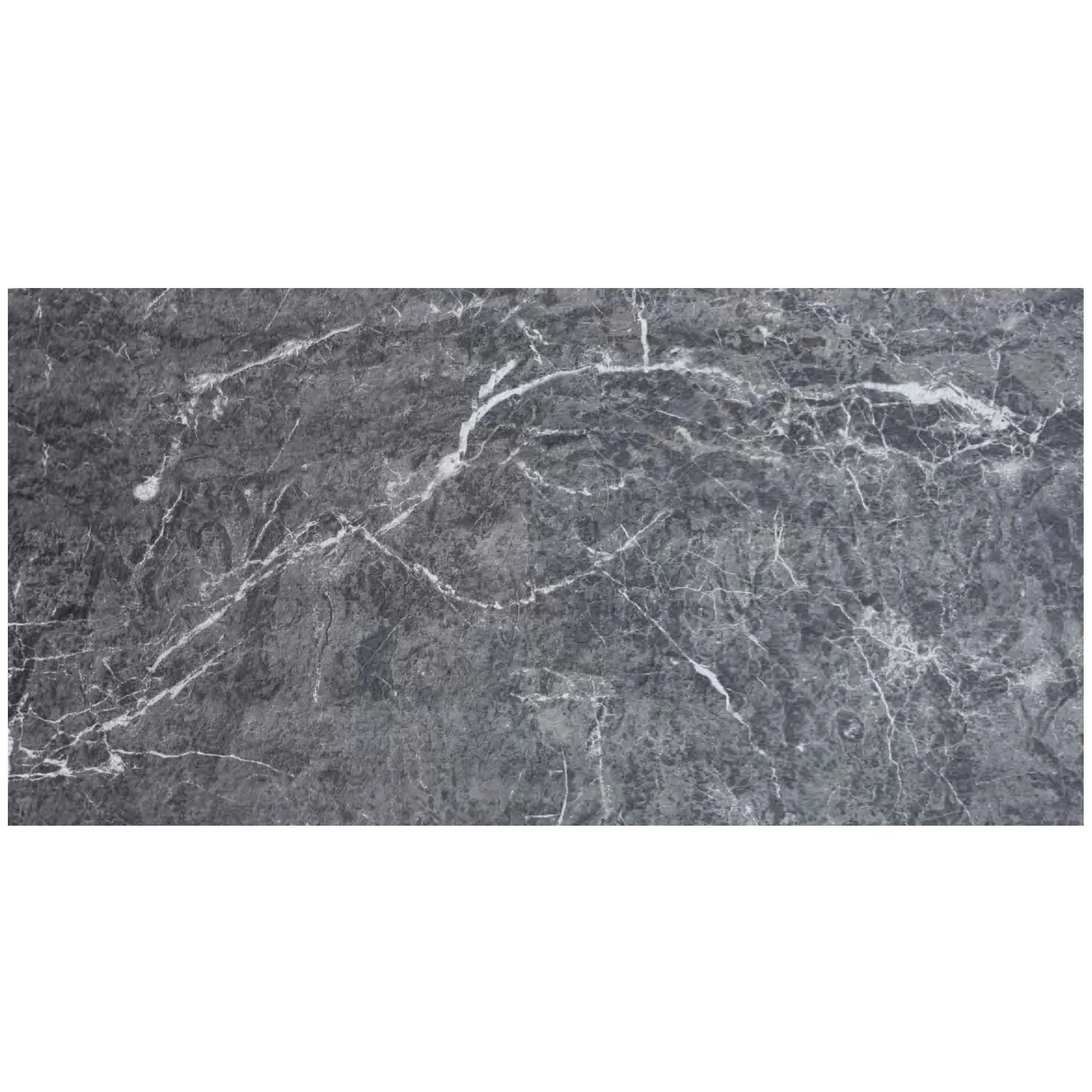
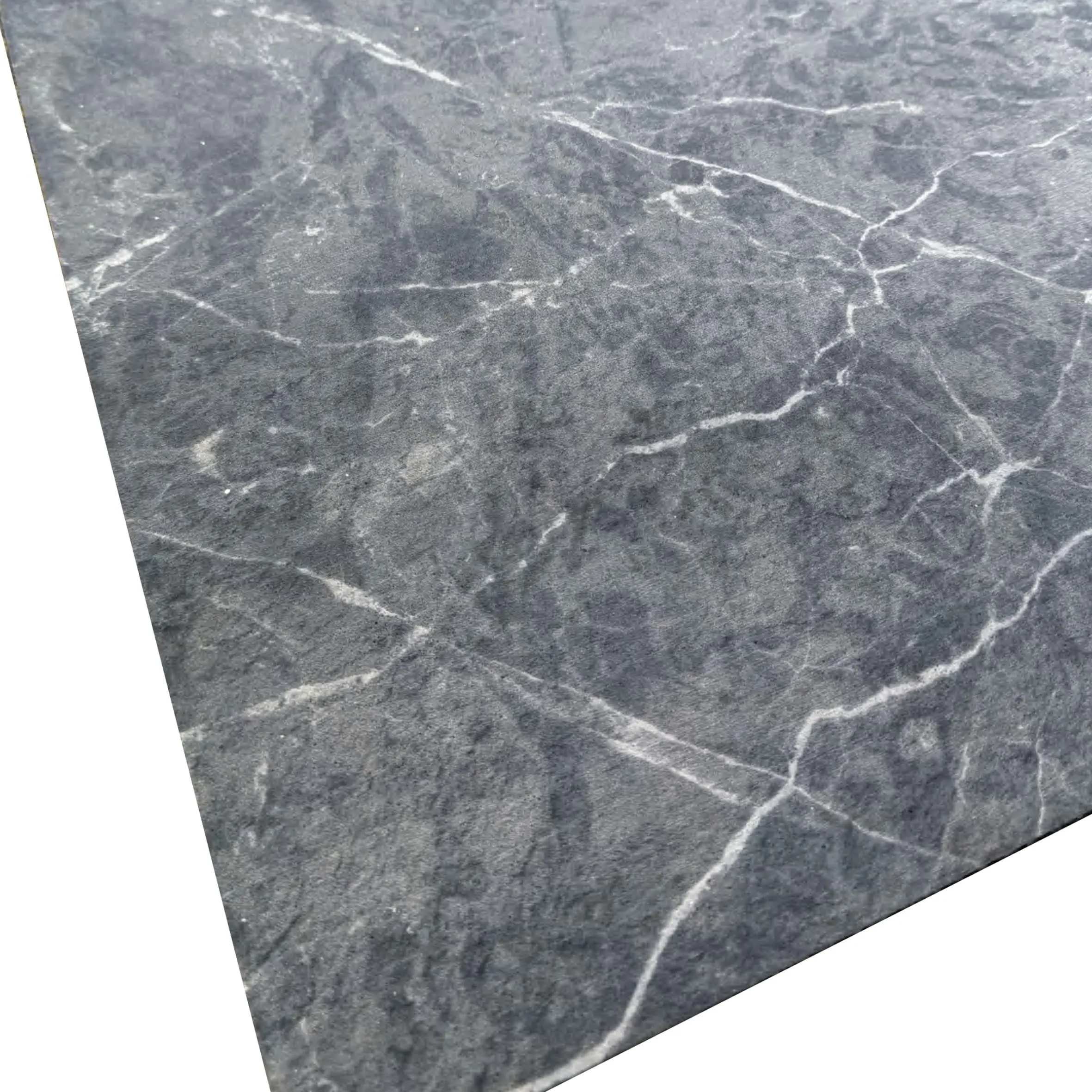
Granite Nero Margiua and the boundary-pushing innovation of
MCM 3D Printing Series. This isn't just a battle of old vs. new—it's a exploration of how materials shape our experiences, and how design possibilities expand when we honor the past while embracing the future.
Let's start with a material that needs no introduction:
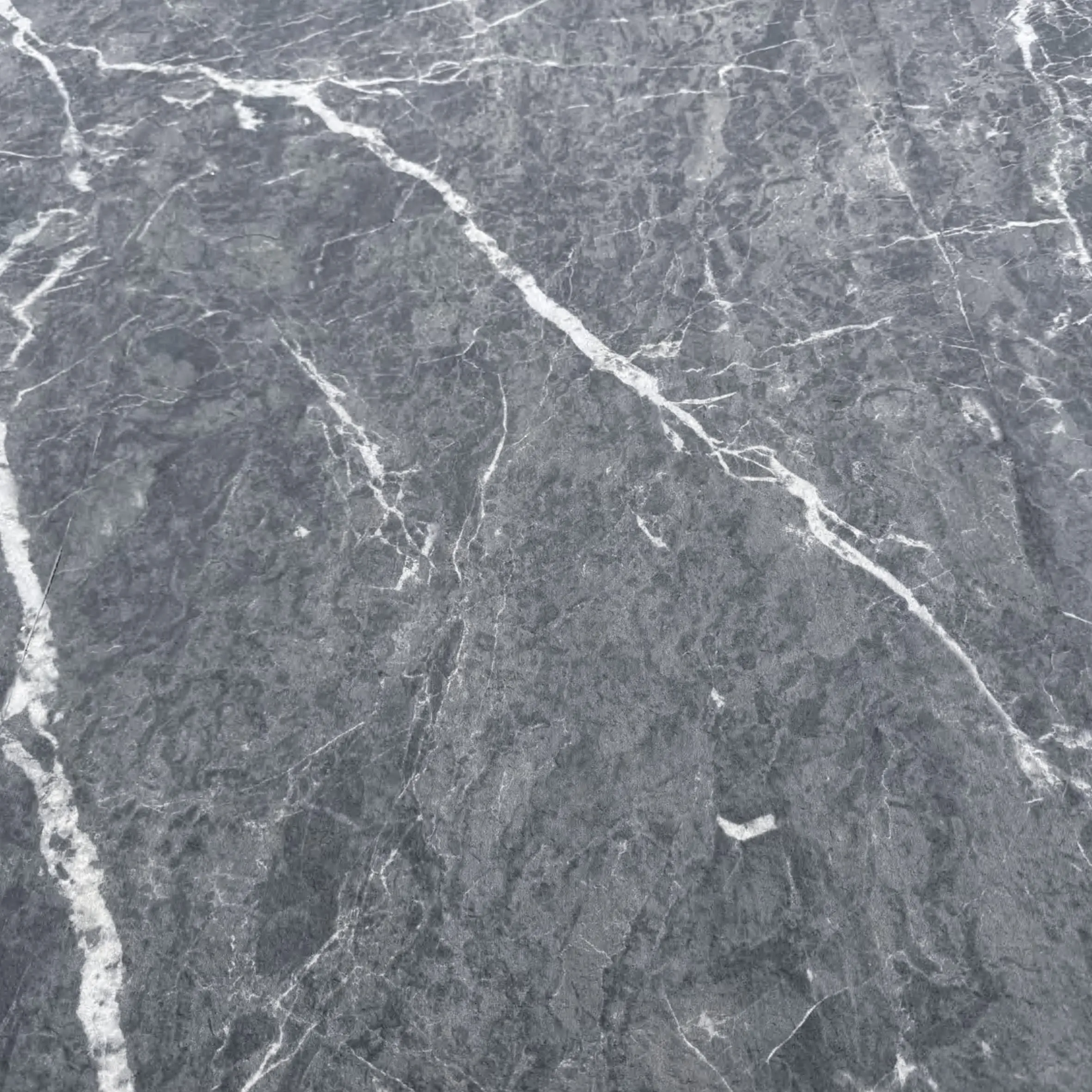
Granite Nero Margiua. Picture, if you will, the quarries of northern Italy, where massive blocks of stone are hewn from the earth, each bearing the marks of centuries of geological formation. Nero Margiua, with its deep, inky black base streaked with veins of pearlescent white and subtle gray, is the epitome of understated luxury. It's the kind of material that doesn't shout—it
commands
attention through quiet confidence.
For generations, this granite has been the backbone of spaces that aim to project permanence and elegance. Think of the marble-clad lobbies of 1920s Parisian hotels, or the imposing facades of classical museums—many of these landmarks rely on the durability of granite to stand the test of time. Quarrying and crafting Nero Margiua is an art form in itself: skilled stonemasons spend hours cutting, polishing, and shaping each slab to perfection. The result? A surface that's not just a material, but a legacy. Run your hand over a Nero Margiua countertop or wall panel, and you'll feel the weight of history in its density—cool, unyielding, and reassuringly solid.
The Allure of Nero Margiua:
Its deep black backdrop, accented by striking white veining, makes it a favorite for spaces aiming to evoke luxury and timelessness. It's heat-resistant, scratch-proof, and ages gracefully, developing a subtle patina that only enhances its character over decades. In heritage buildings, government halls, and high-end residences, Nero Margiua isn't just a choice—it's a statement that says, "This space matters."
But for all its strengths, traditional granite has its limits. Its weight—often upwards of 200 kg per square meter—requires heavy structural support, limiting its use in older buildings or projects where weight is a concern. Its rigidity means custom shapes or intricate designs are either impossible or prohibitively expensive; you're largely confined to flat slabs or simple geometric cuts. And let's not overlook the environmental footprint: quarrying granite involves heavy machinery, habitat disruption, and significant waste, as only a fraction of quarried stone is usable after cutting and polishing. For modern designers prioritizing sustainability and flexibility, these constraints can feel like a creative straightjacket.
Enter
MCM 3D Printing Series—a revolution in building materials that redefines what's possible. MCM, or Modified Composite Material, is a blend of natural minerals, polymers, and fibers, engineered to be lightweight, durable, and infinitely moldable. When paired with 3D printing technology, the result is a material that feels less like a construction product and more like a canvas for creativity. Imagine walls that curve like waves, panels with the delicate texture of starry night skies, or semicircle boards that fit together like puzzle pieces to form a dynamic, three-dimensional surface—this is the world MCM 3D Printing unlocks.
At the heart of this innovation is
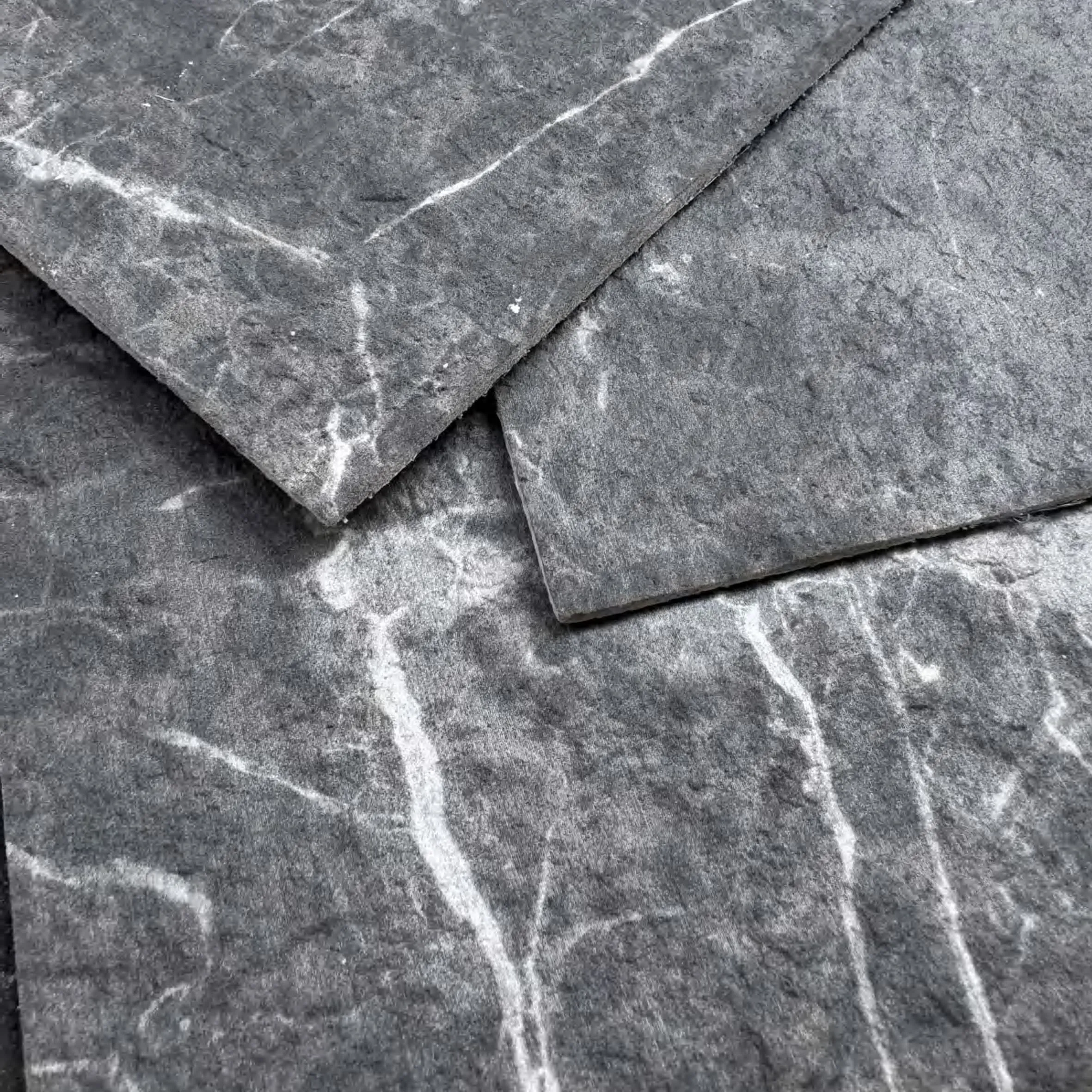
MCM flexible stone
—a key component that marries the look and feel of natural stone with the versatility of modern composites. Unlike traditional granite,
MCM flexible stone weighs a fraction of the weight (often as little as 8 kg per square meter), making it easy to install on existing structures without reinforcing walls. Its flexibility means it can be bent, curved, or cut into virtually any shape—think wave panels that mimic ocean swells, or
thread-like textures that add depth to a minimalist space. And because it's 3D printed, there's no waste: the material is deposited layer by layer, exactly where it's needed, reducing raw material usage by up to 70% compared to traditional stone cutting.
Design Freedom Redefined:
MCM 3D Printing isn't just about making things lighter—it's about making the impossible possible. Want a wall that looks like it's been woven from stone? The weaving (khaki) or weaving (jacinth) textures in the MCM lineup can do that. Dream of a facade that shimmers like moonlight?
Lunar Peak Silvery or Golden finishes add a metallic sheen without the weight of real metal. Even the smallest details matter:
thread patterns,
star gravel inlays, or linear
travertine (claybank) textures can be 3D printed with pinpoint precision, turning a plain wall into a story.
Sustainability is another standout feature. MCM materials often incorporate recycled content, and their lightweight nature reduces transportation emissions. 3D printing further minimizes waste, as the printing process only uses the exact amount of material needed. For eco-conscious designers, this is a game-changer—you no longer have to choose between beauty and responsibility. And durability? Don't let the lightweight fool you: MCM panels are weather-resistant, fire-retardant, and scratch-proof, making them suitable for both interior and exterior use. A MCM 3D printed facade in a coastal area, for example, can withstand salt spray and harsh UV rays just as well as traditional stone, but with a fraction of the maintenance.
Head-to-Head: Traditional Granite vs. MCM 3D Printing
To truly understand how these materials stack up, let's break down their key attributes side by side. Whether you're designing a heritage renovation or a cutting-edge commercial space, this comparison will help you decide which material aligns with your vision, budget, and values.
|
Attribute
|
Granite Nero Margiua
|
MCM 3D Printing Series
|
|
Material Composition
|
Natural igneous rock (quartz, feldspar, mica)
|
Modified composite (natural minerals, polymers, recycled fibers)
|
|
Design Flexibility
|
Limited to flat slabs or simple geometric cuts; custom shapes are costly/impossible
|
Unlimited: 3D printing enables intricate textures (wave panels, star gravel), custom curves, and complex patterns (semicircle boards, thread inlays)
|
|
Weight
|
Heavy (150–250 kg/m²); requires structural reinforcement
|
Lightweight (6–12 kg/m²); suitable for retrofits and weight-sensitive projects
|
|
Installation Ease
|
Labor-intensive; requires specialized equipment and skilled masons
|
Simple: Lightweight panels can be installed with basic tools; reduces labor time by 50–70%
|
|
Sustainability
|
High environmental impact (quarrying, waste, transportation emissions)
|
Low impact: Recycled materials, minimal waste from 3D printing, lower transportation costs
|
|
Cost
|
High (quarrying, cutting, transportation, installation)
|
Moderate to high (lower material and labor costs offset 3D printing tech investment)
|
|
Ideal Use Cases
|
Heritage buildings, luxury residences, high-traffic commercial spaces (hotels, lobbies)
|
Modern architecture, art installations, retrofits, accent walls, exterior facades with custom designs
|
Real-World Stories: When to Choose Which?
Case Study 1: The Grand Heritage Hotel Renovation
A 1920s luxury hotel in Vienna needed to restore its iconic lobby without compromising its historical integrity. The original walls featured Nero Margiua granite, and the client insisted on preserving that timeless look. The design team opted to source reclaimed Nero Margiua slabs—saving on quarrying impact while honoring the building's past. The result? A lobby that feels both grand and familiar, with the same cool, polished surfaces that guests fell in love with a century ago. Here, traditional granite wasn't just a material; it was a bridge between eras.
Case Study 2: The Modern Art Museum's Dynamic Facade
A new art museum in Seoul wanted its exterior to reflect the innovative spirit of its exhibits. The design called for a facade that undulated like a wave, with embedded starry patterns that would glow at night.
MCM 3D Printing Series made this possible: lightweight wave panels, printed with starry blue and orange
travertine textures, were curved on-site and installed without reinforcing the building's structure. The result is a facade that's not just a wall, but a piece of art—one that changes with the light and invites visitors to engage with the building before they even step inside.
Bridging the Gap: The Future of Material Design
The most exciting part of this material evolution isn't choosing one over the other—it's finding ways to blend them. Imagine a heritage building where the ground floor uses reclaimed Nero Margiua to anchor it in history, while the upper floors feature MCM 3D printed panels in
Lunar Peak Golden, adding a modern twist without clashing. Or a restaurant where a Nero Margiua bar top contrasts with a backsplash of 3D printed semicircle boards in
Rona Yellow, creating a space that feels both grounded and vibrant.
MCM 3D Printing also opens doors for more experimental textures and finishes that complement traditional materials. For example, pairing rough granite stone (medium grey) with
MCM flexible stone in a woven (khaki) pattern adds warmth and depth, softening the granite's rigidity. Or using foamed aluminium alloy boards (vintage silver) alongside Nero Margiua creates a striking contrast of industrial and classic aesthetics. The possibilities are endless when you see materials not as competitors, but as collaborators in storytelling.
Looking Ahead:
As 3D printing technology advances, we'll likely see even more integration between traditional and modern materials. Imagine MCM panels printed to mimic the exact veining of Nero Margiua, but with the flexibility to bend around corners or wrap columns. Or sustainable versions of classic stones, like
travertine (vintage silver) or
dolomitic travertine (dark grey), printed with recycled materials. The future of design isn't about replacing the old with the new—it's about using innovation to make the old feel fresh, and the new feel timeless.
Conclusion: Designing with Heart and Innovation
At the end of the day, the choice between
Granite Nero Margiua and
MCM 3D Printing Series comes down to the story you want to tell. If your space is about heritage, permanence, and unapologetic luxury, traditional granite will always have a place. But if it's about innovation, flexibility, and sustainability—if you want to push boundaries and create something that's never been seen before—MCM 3D Printing is your canvas.
What's most inspiring is that we no longer have to sacrifice one value for another. Thanks to advancements in materials science, we can design spaces that honor the past, embrace the future, and feel deeply human. Whether it's the cool solidity of Nero Margiua or the dynamic creativity of 3D printed MCM, the best materials are the ones that make us feel something—that turn a room into a memory, and a building into a legacy.