
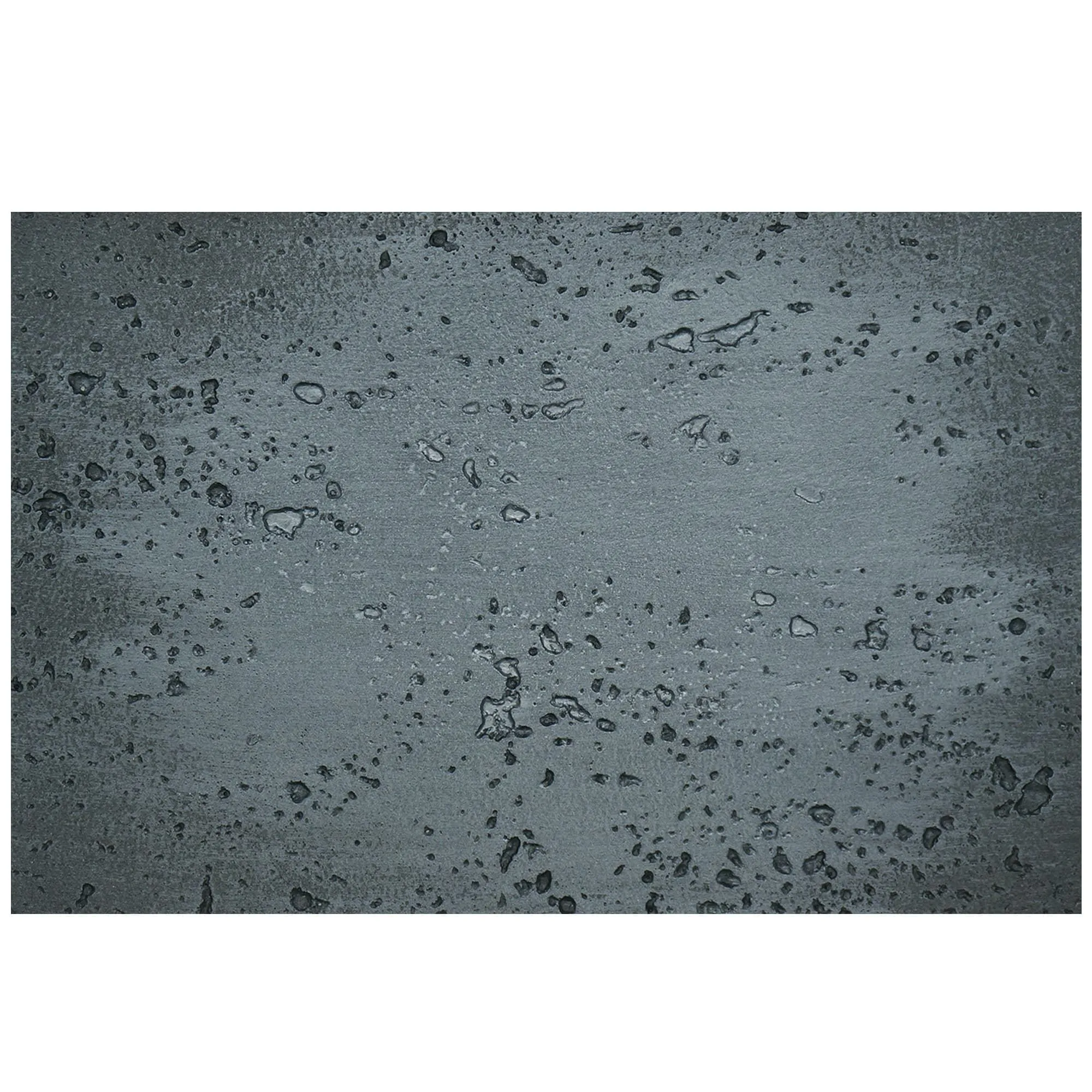
Walk into any modern architectural space today, and you'll likely feel it: that quiet hum of intention behind every surface. Whether it's the sleek facade of a downtown office tower or the cozy lobby of a boutique hotel, design isn't just about looks—it's about telling a story. And in that story, two elements often take center stage: the bold innovation of new materials and the timeless charm of natural classics. Today, we're diving into a face-off that's been on the minds of architects, designers, and even homeowners lately: MCM 3D Printing Series and Travertine (Vintage Silver) . Both promise to elevate design flexibility, but they come from wildly different worlds. One is a product of cutting-edge technology, the other a gift from the earth's own history. Let's unpack what makes each unique, and how they stack up when it comes to bringing your boldest design dreams to life.
Before we jump into the specifics, let's talk about why "design flexibility" even matters. In a world where cookie-cutter buildings still dominate skylines, the ability to customize, adapt, and innovate has become a superpower. Design flexibility isn't just about making something "look cool"—it's about solving problems. Maybe you need a material that can curve around a rounded facade without cracking. Or perhaps you want to recreate the texture of star gravel on a wall but need it to be lightweight enough for a high-rise. It's about balancing aesthetics with function, tradition with modernity, and sustainability with durability. And in that balancing act, MCM 3D Printing and Travertine (Vintage Silver) each bring their own set of tools to the table.
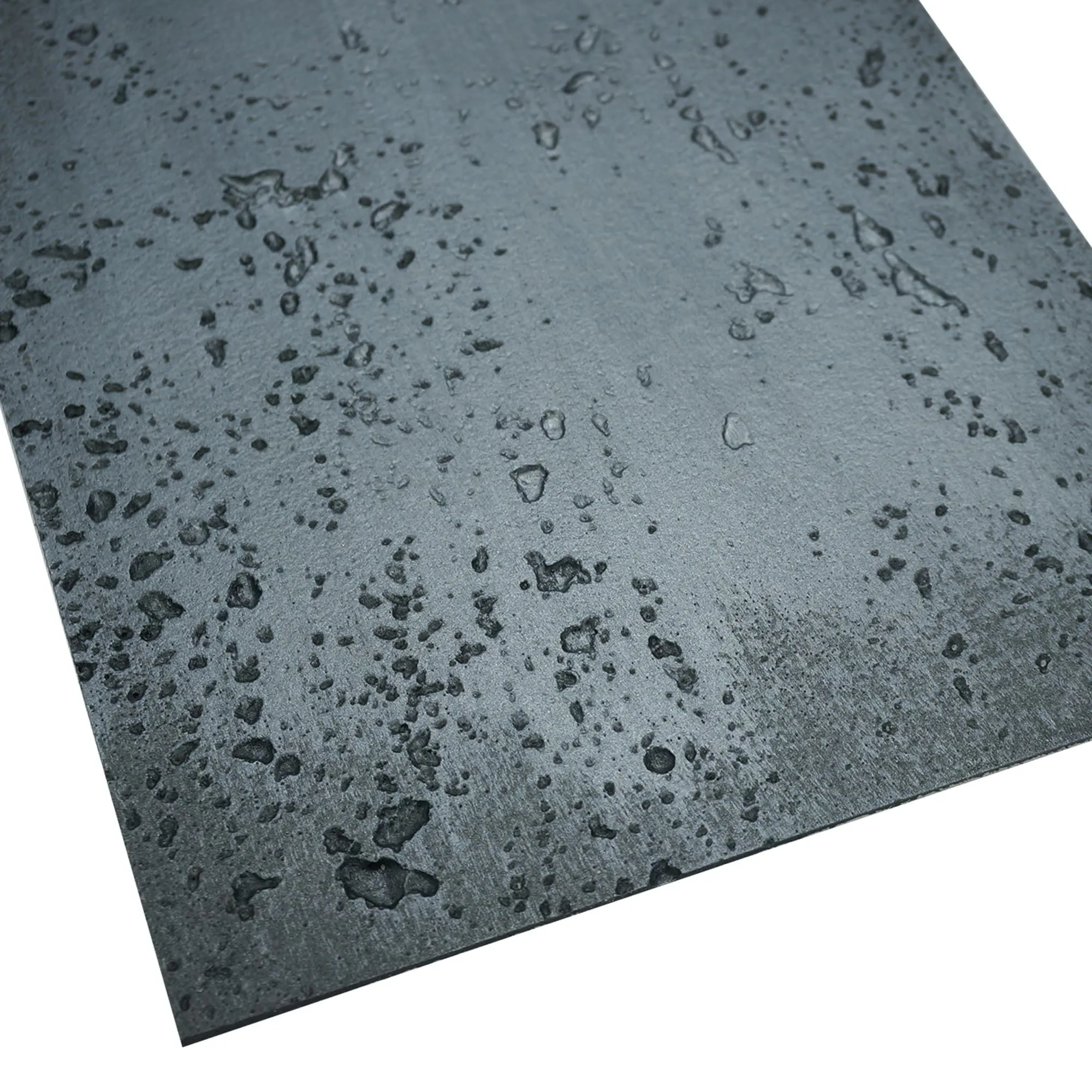
Let's start with the new kid on the block: MCM 3D Printing Series . If you're imagining a giant printer squirting out building materials like a cake decorator with a steady hand, you're not far off—though the reality is even more impressive. MCM, or Modified Composite Material, has been a game-changer in construction for years, thanks to its lightweight, durable, and eco-friendly properties. But pair that with 3D printing technology, and you unlock a whole new level of possibility.
So, what makes MCM 3D Printing tick? At its core, it's about precision and customization. Traditional manufacturing methods—like cutting stone or molding concrete—are limited by tools and templates. 3D printing, though, builds objects layer by layer, meaning if you can dream it up in a digital design file, the printer can likely create it. Want a wall panel that mimics the undulating pattern of a wave panel ? Done. Need a custom semicircle board accent for a restaurant's ceiling? No problem. The technology thrives on complexity, turning abstract ideas into tangible surfaces.
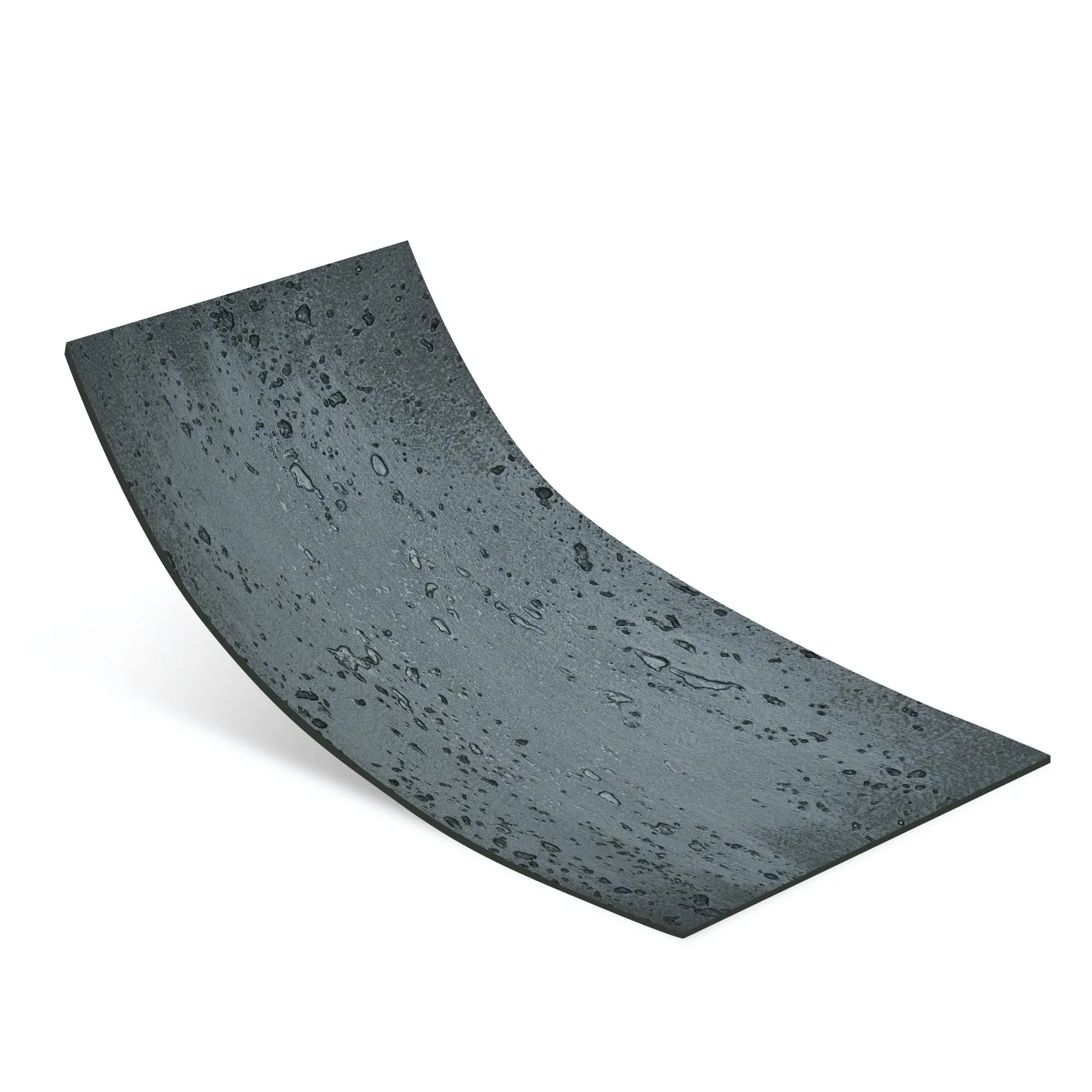
And let's not forget the material itself. MCM isn't just any composite—it's engineered to be flexible. Think MCM Flexible Stone , a sister product that bends without breaking, making it ideal for curved surfaces or retrofits. When combined with 3D printing, this flexibility becomes even more powerful. Imagine a facade that isn't just flat panels but a three-dimensional sculpture, with textures that catch the light differently at every hour. That's the promise of MCM 3D Printing: design without limits.
But it's not all about flashy shapes. MCM 3D Printing also shines in practicality. Take MCM Big Slab Board Series , for example. These large-format panels (we're talking up to 12 feet long) can be 3D printed with consistent patterns, reducing installation time and waste. For commercial projects where time is money, that's a huge win. And because MCM is lightweight—often a fraction of the weight of natural stone—you can install these panels on structures that couldn't support heavier materials, opening up design possibilities for older buildings or high-rise exteriors.
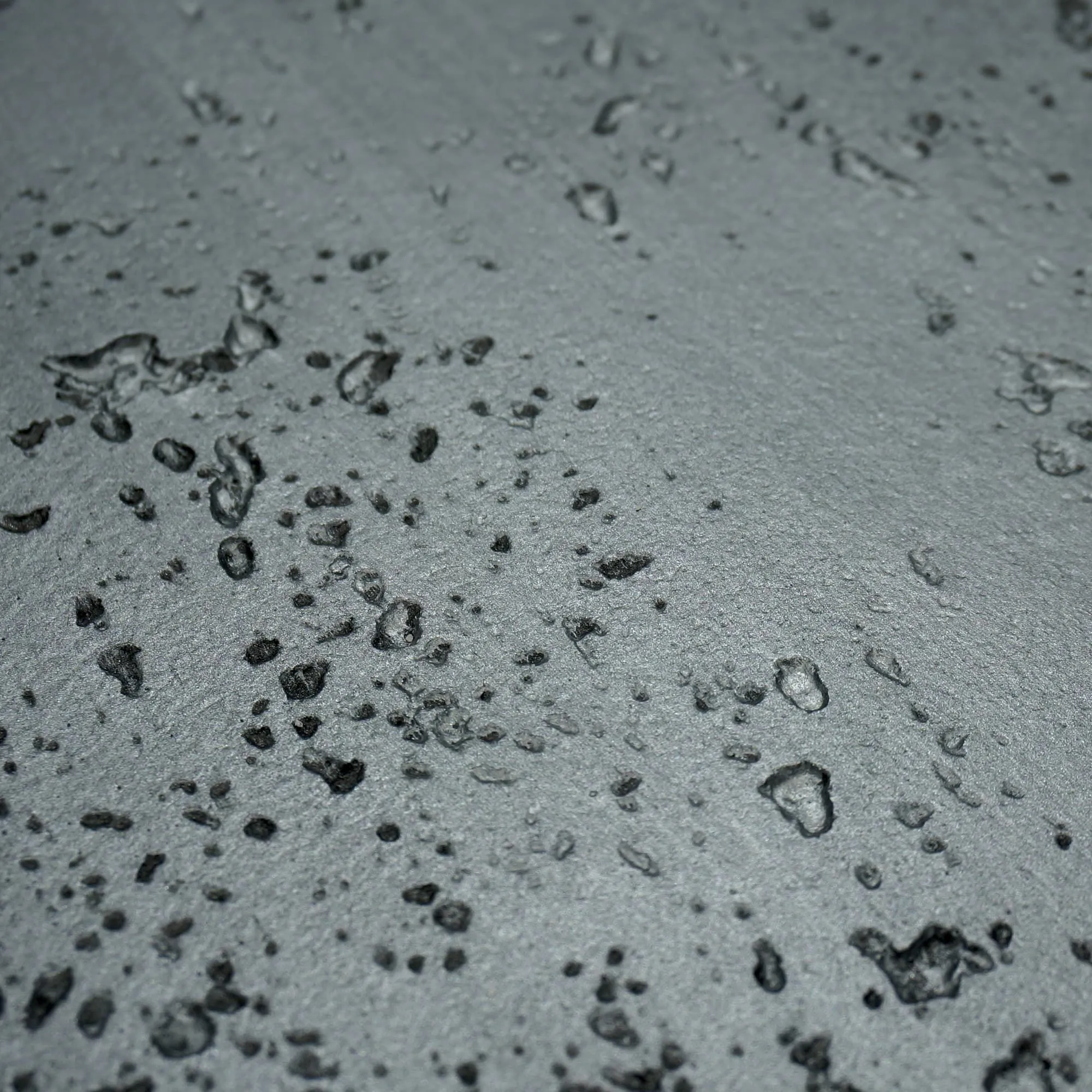
Now, let's shift gears to something a bit more… earthy. Travertine (Vintage Silver) isn't a new invention. In fact, it's been gracing buildings for millennia—think the Colosseum in Rome or the Hagia Sophia in Istanbul. Travertine is a form of limestone, formed by mineral-rich hot springs depositing calcium carbonate over centuries. What makes the "Vintage Silver" variety special? It's all in the color and texture. Imagine a stone with soft, silvery-gray tones, swirled with delicate veins of cream and beige, like a storm cloud caught in marble. It has a muted elegance that feels both timeless and modern, hence the "vintage" moniker—it ages like fine wine, developing a subtle patina that only adds to its charm.
But travertine isn't just pretty—it's a workhorse. It's porous, which gives it natural grip (great for flooring), but when sealed properly, it's surprisingly resistant to stains and wear. And while it's a natural stone, it's more affordable than marble or granite, making it accessible for both high-end and mid-range projects. But how does that translate to design flexibility? Well, travertine's strength lies in its authenticity. You can't replicate the unique veining of a natural travertine slab—each piece is a one-of-a-kind artwork created by nature over thousands of years. For designers aiming to infuse a space with warmth, history, or organic texture, that's irreplaceable.
Traditional travertine has been used in everything from kitchen backsplashes to outdoor patios, but the "Vintage Silver" variant leans into modern minimalism. Its cool, neutral palette pairs beautifully with warm woods, industrial metals, or bold pops of color. Think a boutique hotel lobby with Travertine (Vintage Silver) walls, complemented by Foamed Aluminium Alloy Board (Vintage Silver) accents—mixing natural and engineered materials for a look that's both grounded and futuristic.
Now, the moment we've been waiting for: pitting MCM 3D Printing Series against Travertine (Vintage Silver) in the ultimate design flexibility showdown. Let's break it down across key categories.
| Category | MCM 3D Printing Series | Travertine (Vintage Silver) |
|---|---|---|
| Customization & Complexity | Unmatched. 3D printing allows for intricate patterns (think thread textures or starry red imitations), curved shapes, and one-of-a-kind designs. Limited only by digital imagination. | Natural variation is its strength, but customization is limited. You can cut it into shapes, but complex 3D forms or uniform patterns are hard to achieve. |
| Material Adaptability | Lightweight, flexible, and compatible with various substrates (wood, metal, concrete). Ideal for retrofits or high-rise installations. | Heavy and rigid. Requires structural support, making it less suited for delicate or curved surfaces without careful engineering. |
| Aesthetic Range | Vast. Can mimic natural materials (stone, wood) or create futuristic looks. Colors and textures are consistent or custom-blended. | Timeless, organic beauty. Unique veining and patina develop over time, but color range is limited to natural tones (silver, beige, cream). |
| Sustainability | Eco-friendly. Often uses recycled materials; 3D printing reduces waste by building only what's needed. | Durable but resource-intensive. Quarrying impacts ecosystems, though it's 100% natural and biodegradable. |
| Cost & Maintenance | Higher upfront design/printing costs, but lower installation and maintenance (resistant to stains, easy to clean). | Higher material and installation costs; requires sealing every 1-2 years to prevent staining, but lasts decades with care. |
Let's say you're designing a flagship store for a luxury fashion brand, and you want the facade to look like a giant piece of fabric, with thread -like textures woven into the surface. Could Travertine (Vintage Silver) pull that off? Maybe with some very skilled stone carvers, but it would be time-consuming, expensive, and the results might not be as precise. MCM 3D Printing, on the other hand, could print that texture directly into the panels, layer by layer, with perfect consistency across the entire facade. It's not just about what's possible—it's about what's practical.
Travertine's customization lies in its natural variation. No two slabs are exactly alike, which is a feature, not a bug. If you want a wall that feels alive, with unique veining that tells a story, travertine delivers. But if you need 50 identical panels for a repeating pattern, MCM 3D Printing is the clear winner.
Imagine you're working on a historic building conversion—say, turning an old warehouse into loft apartments. The structure is sturdy, but the walls can't support heavy materials. Travertine (Vintage Silver) would require reinforcing the walls, adding time and cost. MCM 3D Printing panels, though? They're lightweight enough to hang without major structural changes, preserving the building's integrity while giving it a modern update.
On the flip side, if you're building a low-rise villa with a focus on natural materials, travertine's weight becomes an asset. It feels solid, grounding the space in nature. Pair it with wood grain board accents, and you've got a warm, inviting retreat that MCM 3D Printing—for all its flexibility—might struggle to replicate in terms of raw, organic texture.
MCM 3D Printing is a chameleon. Want it to look like Travertine (Vintage Gold) for a glamorous hotel? Done. Prefer a gobi panel texture that evokes desert landscapes? No problem. It can even mimic foamed aluminium alloy board for an industrial edge. The only limit is your mood board.
Travertine (Vintage Silver), though, has a signature look. Its silvery-gray base with warm beige veins is instantly recognizable and impossible to perfectly replicate. It ages gracefully, too—scratches and patina only add character, like a well-loved leather jacket. For projects aiming for timeless elegance (think a luxury spa or a heritage museum), that's priceless.
Both materials have sustainability perks, but in different ways. MCM 3D Printing often uses recycled plastics or minerals, reducing reliance on virgin resources. Its lightweight nature also cuts down on transportation emissions and installation energy. Plus, 3D printing produces less waste than traditional cutting methods—no more giant slabs of stone being carved down to size, with half the material ending up in a landfill.
Travertine, being a natural stone, is biodegradable and doesn't off-gas harmful chemicals. It's also incredibly durable—many travertine structures have stood for centuries, reducing the need for replacement. The downside? Quarrying natural stone can disrupt ecosystems and consume large amounts of water. It's a trade-off between long-term durability and immediate environmental impact.

Let's get practical. When should you reach for MCM 3D Printing, and when is Travertine (Vintage Silver) the better pick?
Here's a secret: you don't have to choose. Some of the most stunning designs blend MCM 3D Printing and natural stone. Imagine a restaurant where the main facade is MCM 3D Printed with a dynamic thread pattern, drawing customers in, while the interior walls are clad in Travertine (Vintage Silver) , creating a warm, intimate dining space. Or a museum with a 3D printed entryway that nods to modern art, leading into galleries with travertine floors that echo classical architecture. The contrast between engineered precision and natural imperfection can be breathtaking.
At the end of the day, MCM 3D Printing Series and Travertine (Vintage Silver) aren't rivals—they're partners in pushing design forward. MCM 3D Printing gives us the freedom to dream in 3D, to create structures that were once impossible with traditional materials. It's the future of customization and practicality, wrapped in a lightweight, eco-friendly package. Travertine (Vintage Silver), meanwhile, reminds us of the beauty in imperfection, in the stories written by nature over centuries. It's a link to our past, grounding us even as we reach for the future.
So, whether you're designing a cutting-edge tech campus or restoring a historic landmark, the key is to let your project's story guide you. Do you need to shout innovation? Go with MCM 3D Printing. Want to whisper timelessness? Travertine (Vintage Silver) is your stone. And if you're feeling bold? Mix them. Because in the world of design, the most flexible approach is often the one that borrows from both tradition and innovation. After all, the best spaces aren't just built—they're felt.
Recommend Products












